
Utila
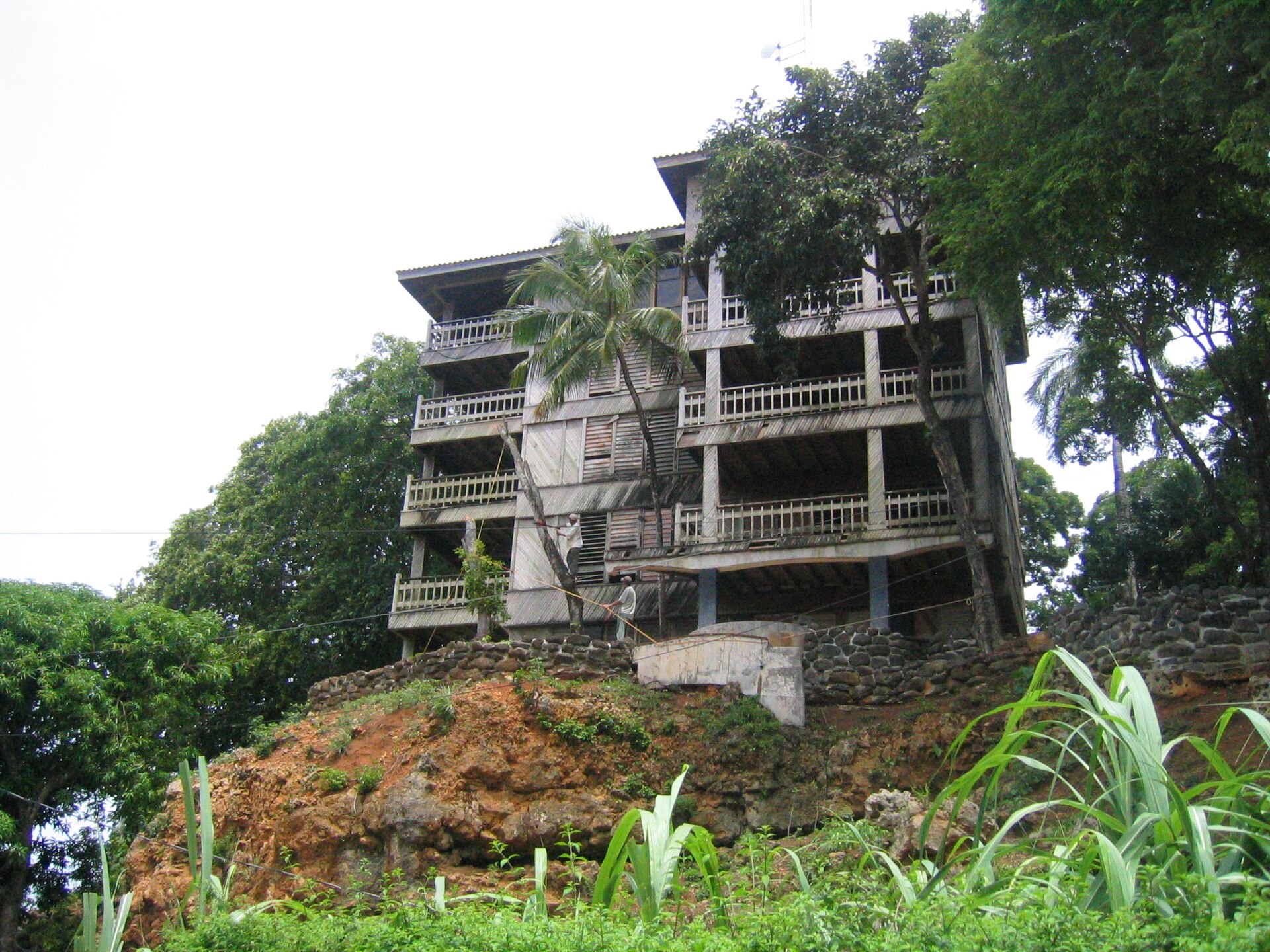
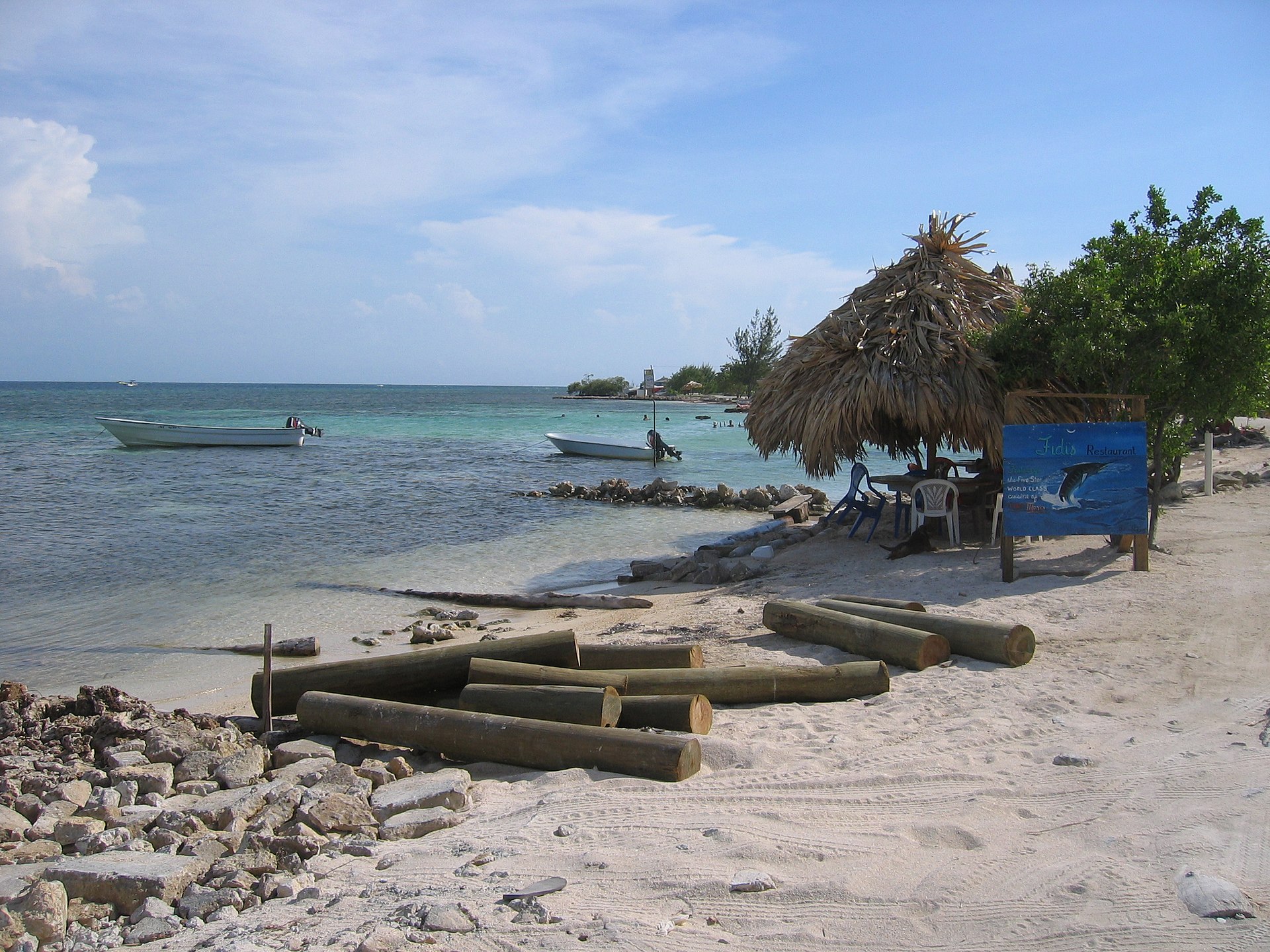
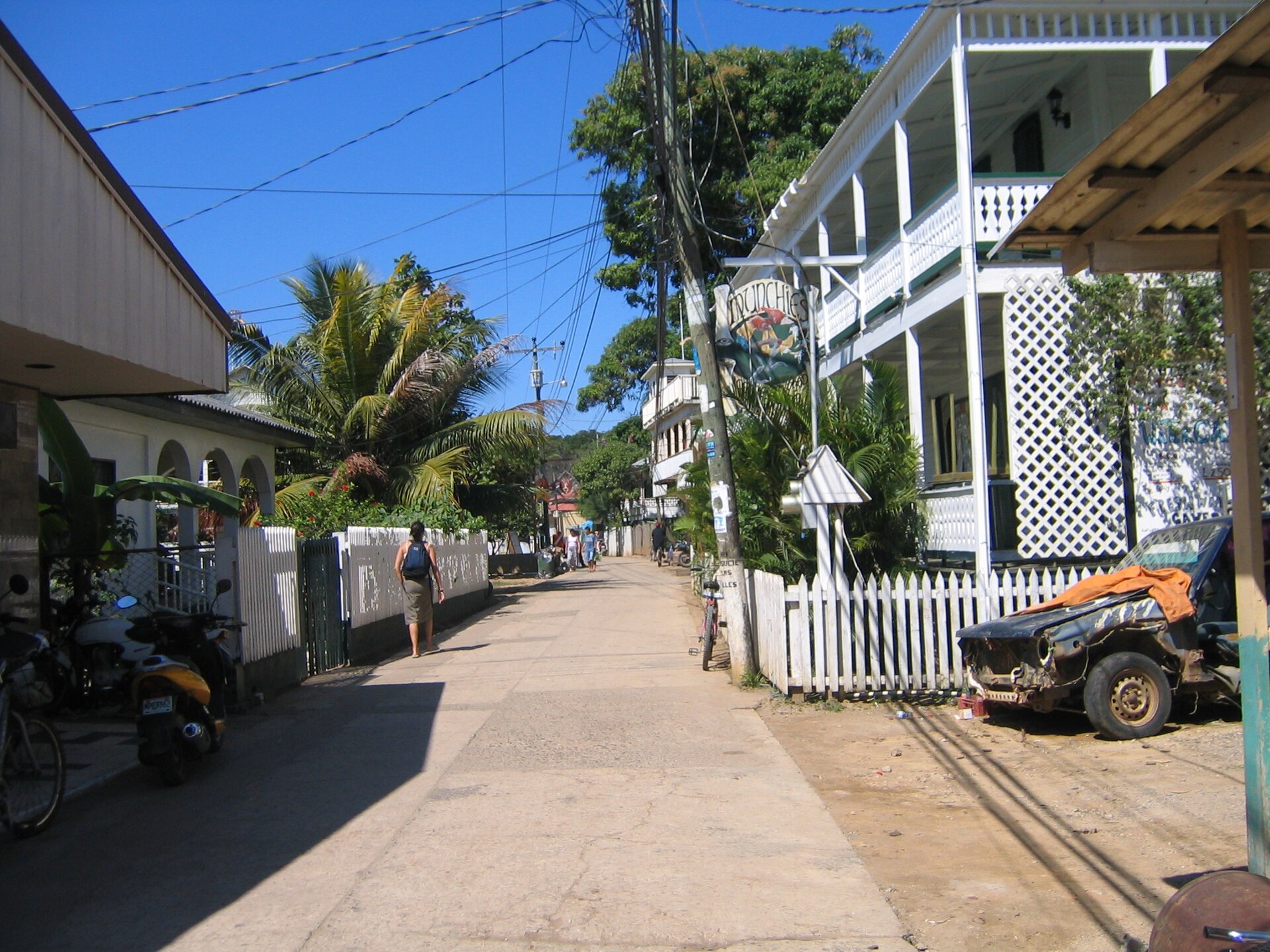
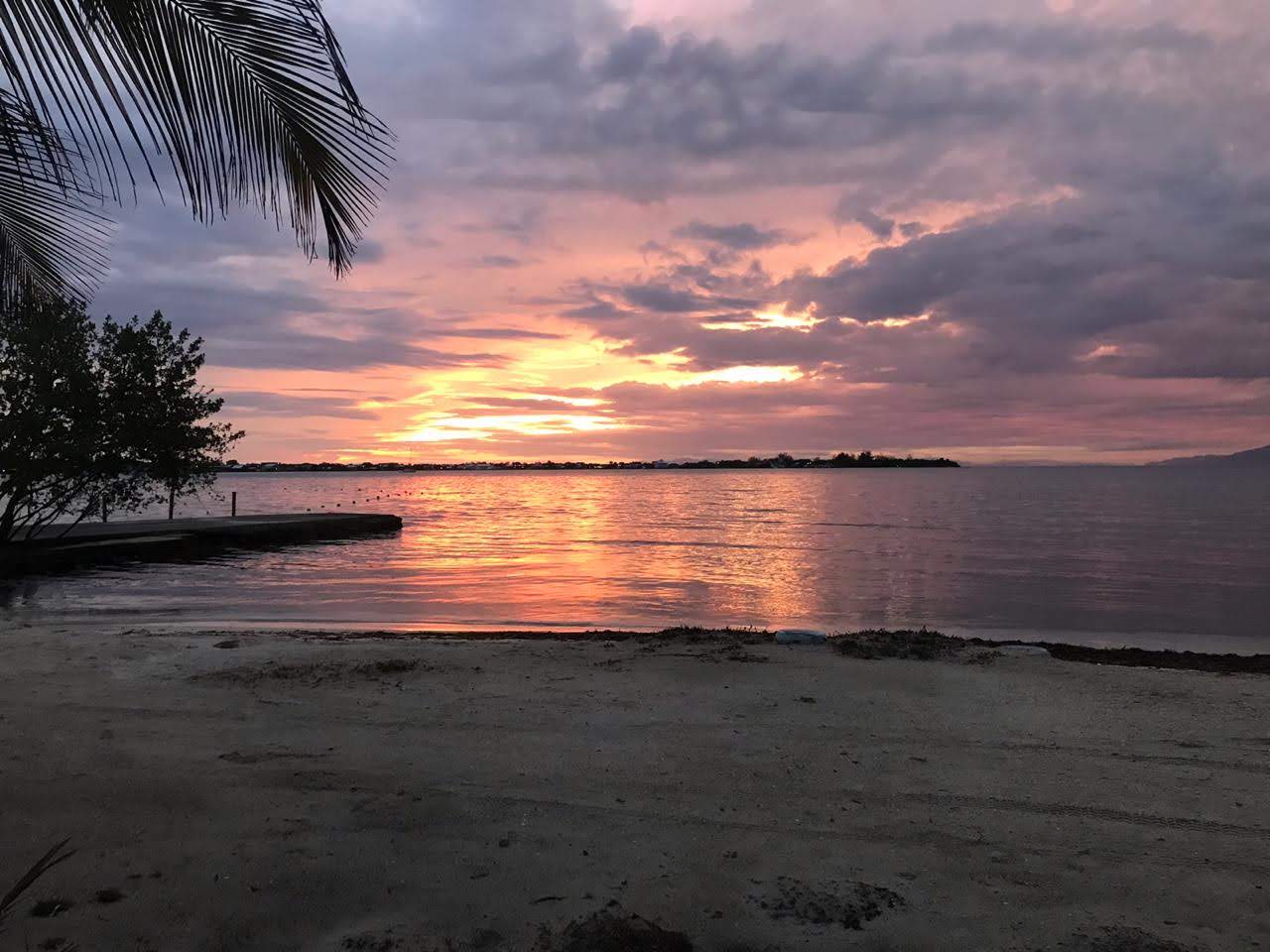
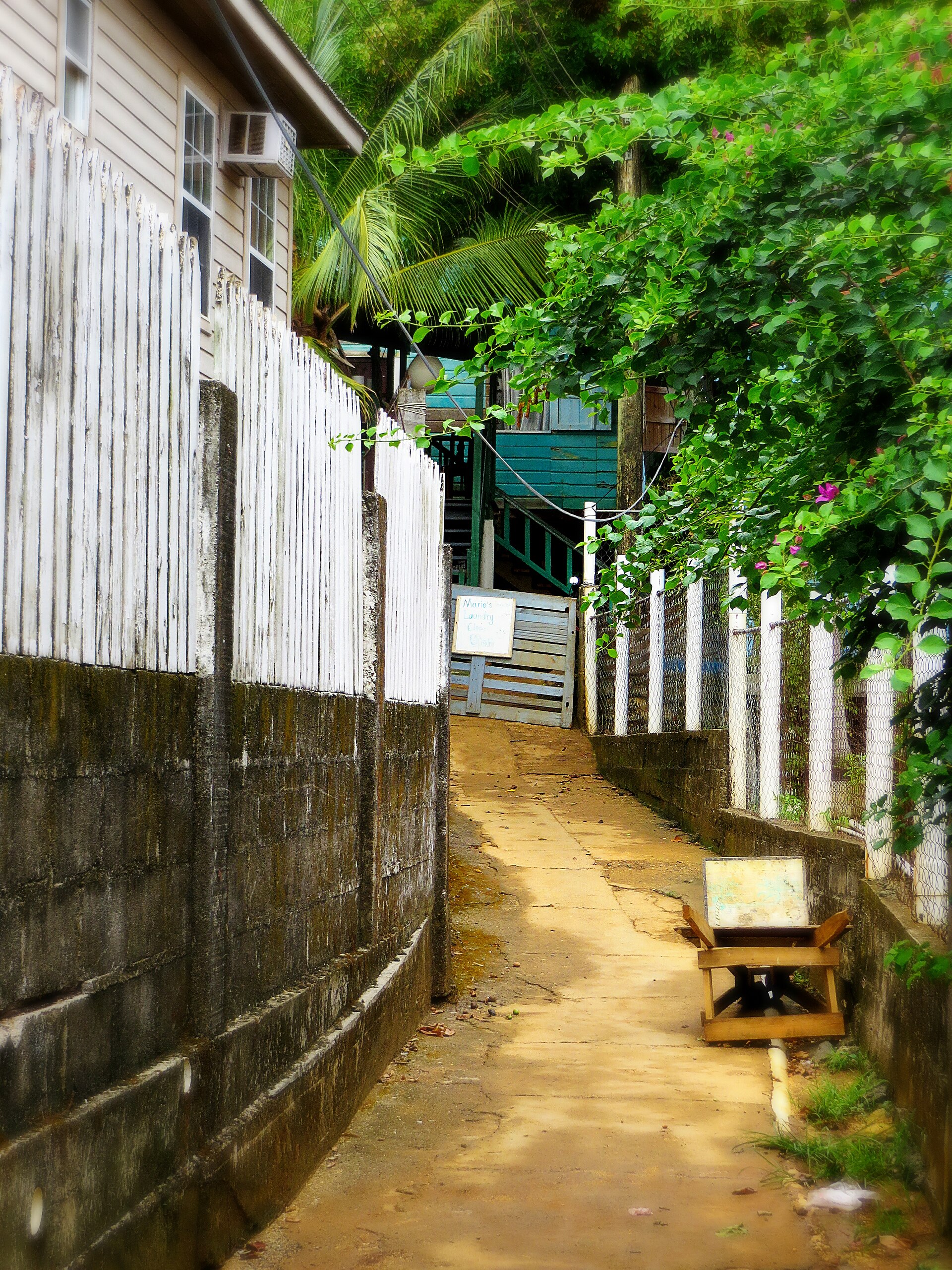
Utila is the smallest and least developed of Honduras's Bay Islands, a flat, mangrove-fringed sliver of land where the main street runs parallel to the Caribbean and tuk-tuks rattle past dive shops at all hours. There are no cars here — people move by scooter, golf cart, or on foot — and the pace adjusts accordingly. The reef begins just offshore, with more than eighty dive sites circling the island, and the water draws an international crowd who come to get certified for around two hundred dollars and often stay far longer than planned.
Above the water, the island rewards the unhurried. Pumpkin Hill — all seventy-four metres of it, climbed via rebar steps bolted into an old pipe — gives you the full picture of how small this place really is. The Iguana Research and Breeding Station, the whale shark research centre, and the Bay Islands Conservation Association all reflect a community that has learned to pay attention to what it has.
💛 What travellers fall for
Regulars tend to arrive with a dive course in mind and leave having mapped out their return. They'll tell you to carry cash — the 35-lempira island tax at arrival is cash only — and to check the BICA visitor centre hours before planning a visit (Monday, Wednesday, Friday, 10am to 5pm). The Utila Chocolate Company, easy to overlook, is worth the stop.
How Utila came to be
Columbus passed close enough to note Utila on July 30, 1502, during his fourth voyage, though the island had already been inhabited for nearly a millennium — the Paya people settled here around 600 AD. Spanish colonisation in the 16th century was devastating: the indigenous population was enslaved and effectively eliminated within a century, and Britain contested control of the Bay Islands intermittently between 1550 and 1700.
In April 1797, over two thousand Garífuna people — an Afro-Indigenous community forcibly displaced by the British from St. Vincent — were transported to Honduras and the Bay Islands. Their descendants remain present on the islands today, maintaining a distinct language and culture. The most recent wave of settlers arrived in 1836 from the Cayman Islands. Utila became a municipality in 1880 and has been part of Honduras for roughly 150 years.
Who and what shaped it
Landmark buildings
See Utila in motion
Plan your visit
On the map
When to go
Utila is tropical year-round, with temperatures holding between roughly 20°C and 29°C and humidity that rarely dips below 76 percent. The drier months between March and September generally offer calmer seas and better underwater visibility, though the island's dive sites are accessible in most conditions.
Right now
Background & history adapted from Wikipedia (CC BY-SA) · specs from Wikidata (CC0) · weather from Open-Meteo · map data © OpenStreetMap contributors · photos from Wikimedia Commons / Unsplash with per-image credit. No third-party reviews or social posts reproduced.