
Universal Orlando Resort
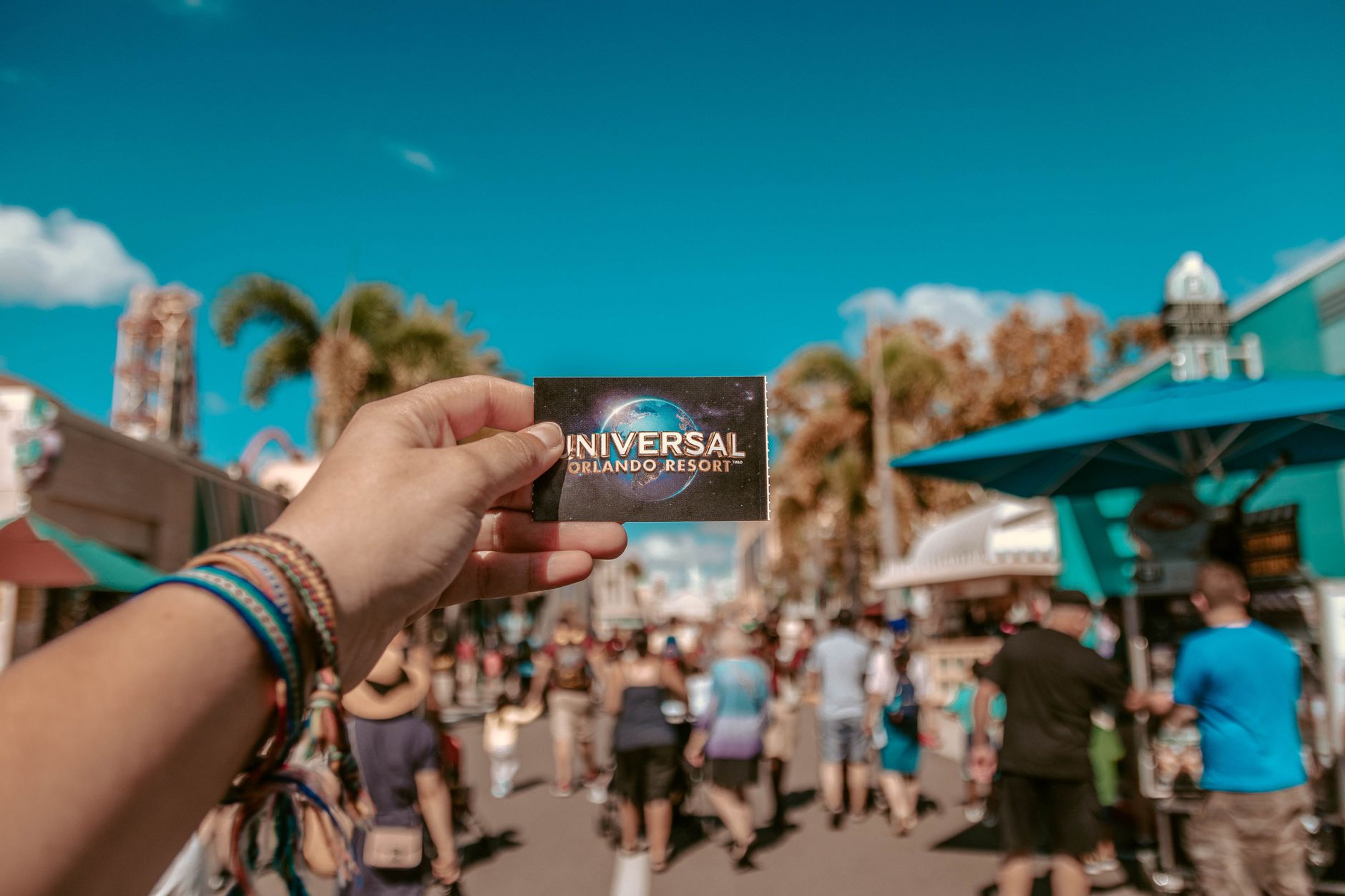
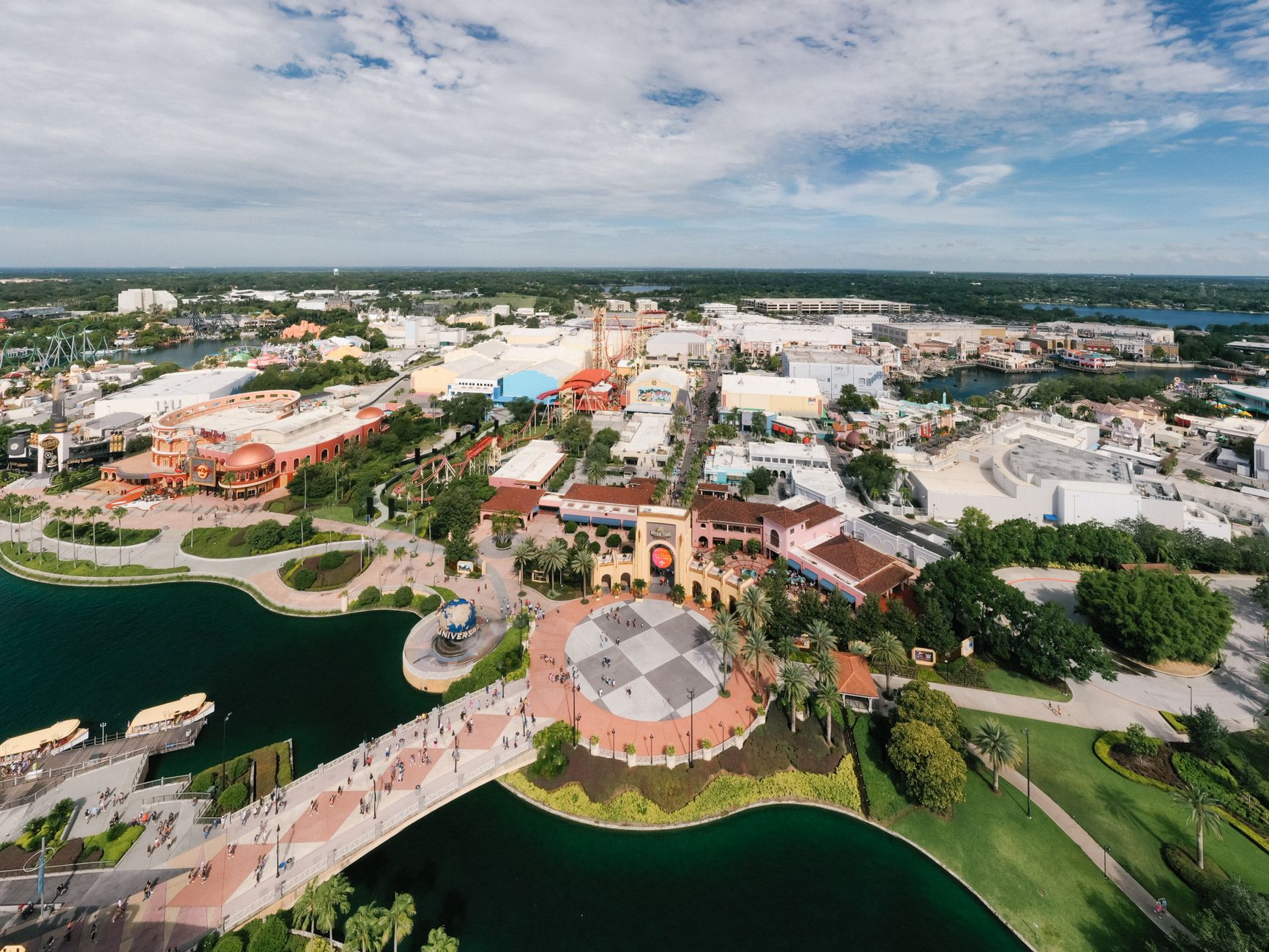
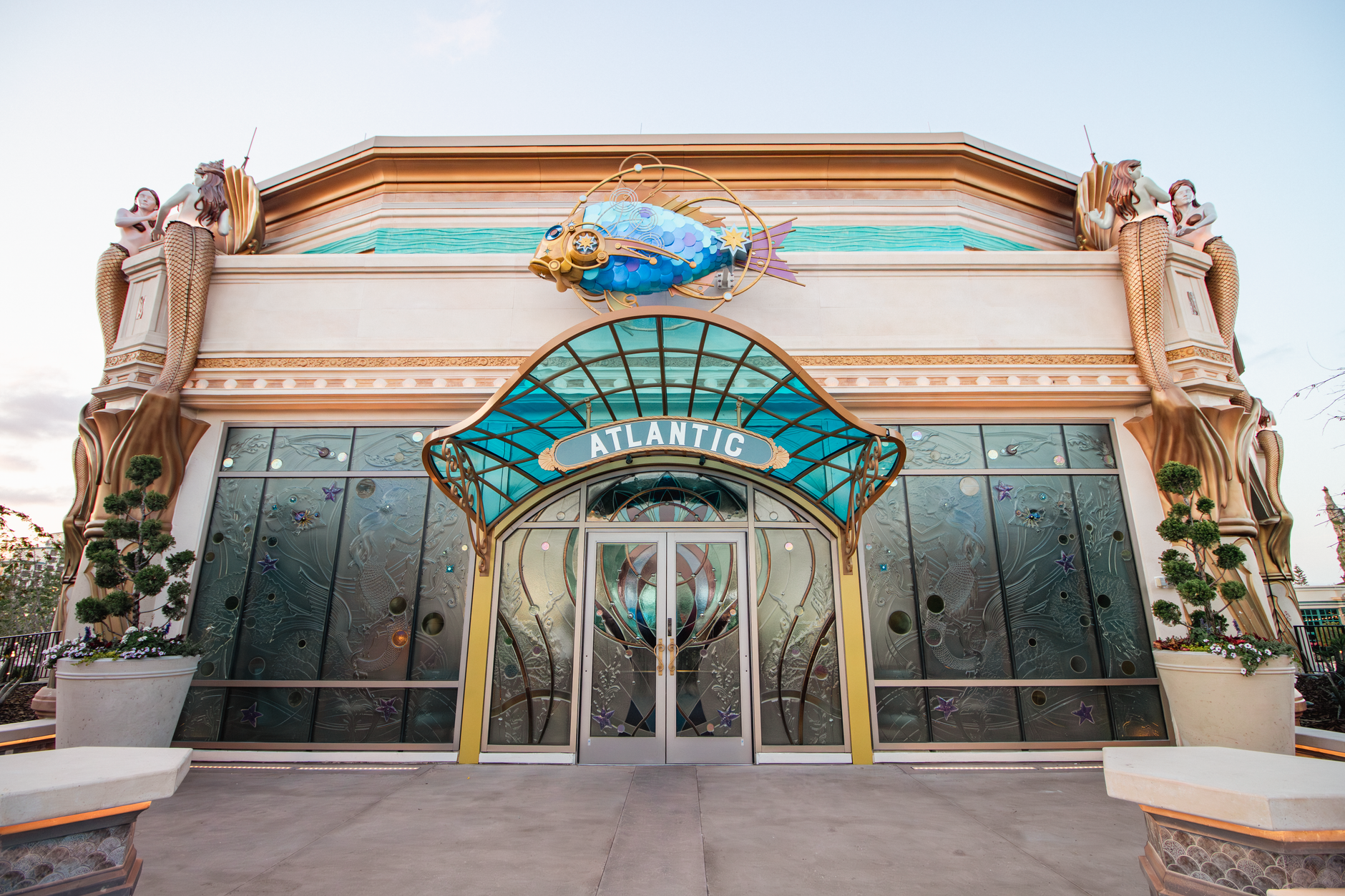
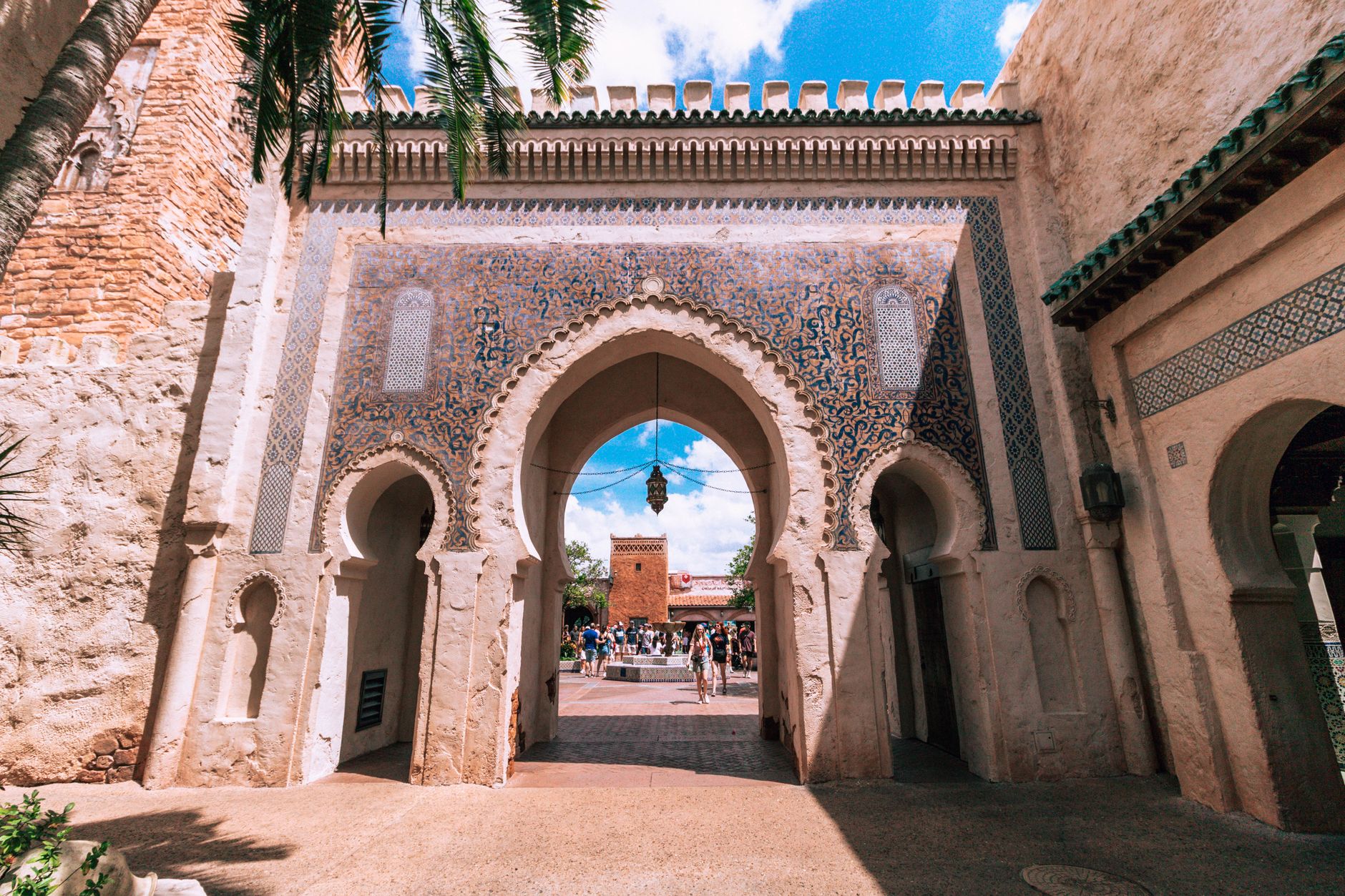
The moving walkways start before you even reach a gate. After parking in the multi-story lot, escalators carry you forward, then a covered walkway delivers you to CityWalk — and the logic of the place announces itself immediately: Universal Orlando is a resort engineered for forward motion, from the water taxis threading between hotels to the four theme parks arranged across what was once 423 acres of Florida scrubland.
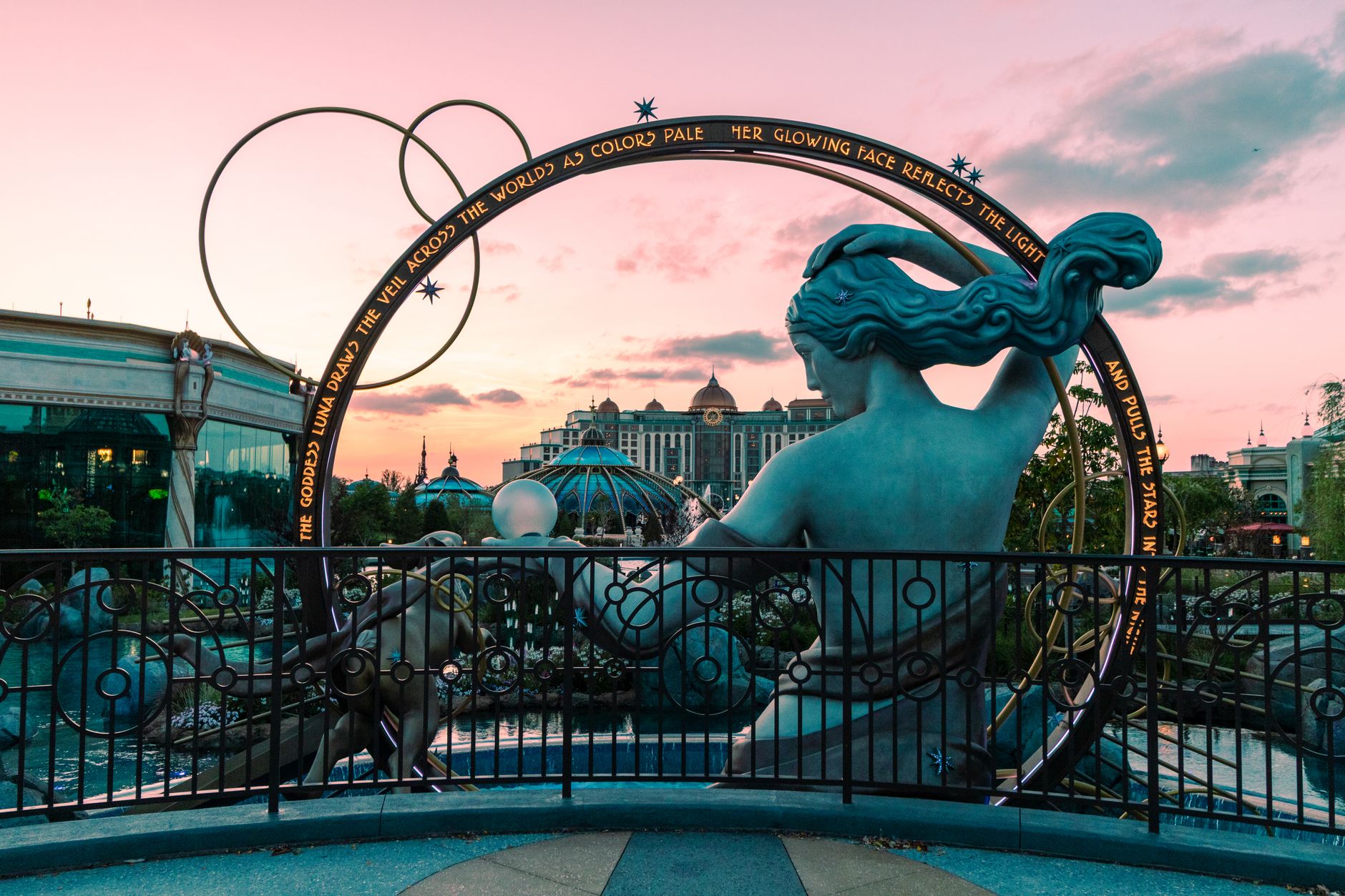
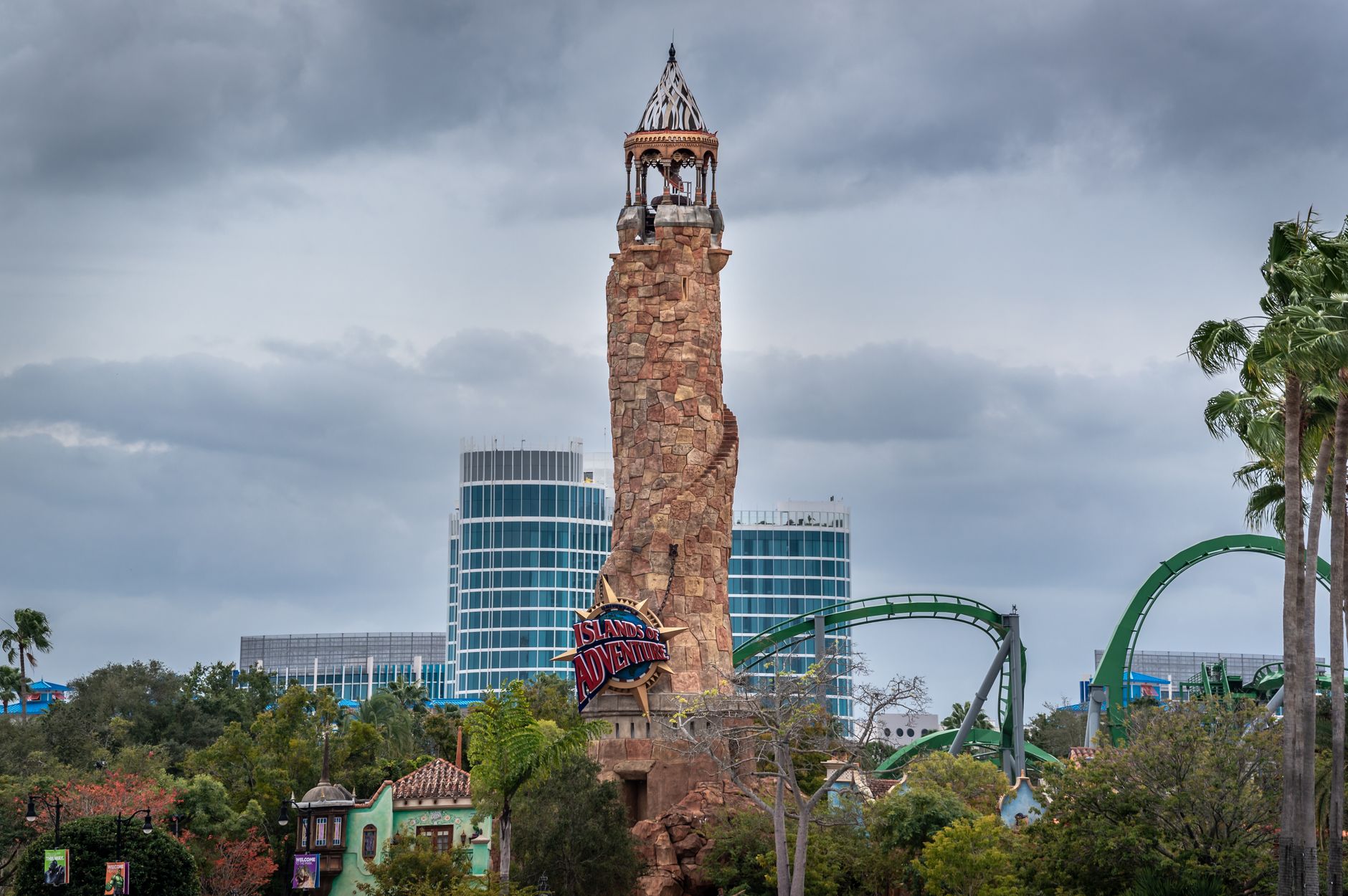
At its core are two complementary parks — Universal Studios Florida, built around film sets and IP rides, and Islands of Adventure, which leans into immersive world-building — plus the water park Volcano Bay and the newest addition, Epic Universe, which opened in May 2025 with five distinct worlds including a Wizarding World set inside the Ministry of Magic.
💛 What travellers fall for
People who come back tend to book an on-site hotel specifically for the Express Pass benefit — shorter queues at major attractions make a real difference on a crowded day. The water taxi between Portofino Bay and CityWalk is also worth taking at least once; it's the quietest moment the resort offers.
Deals in Universal Orlando Resort
Book directly at the provider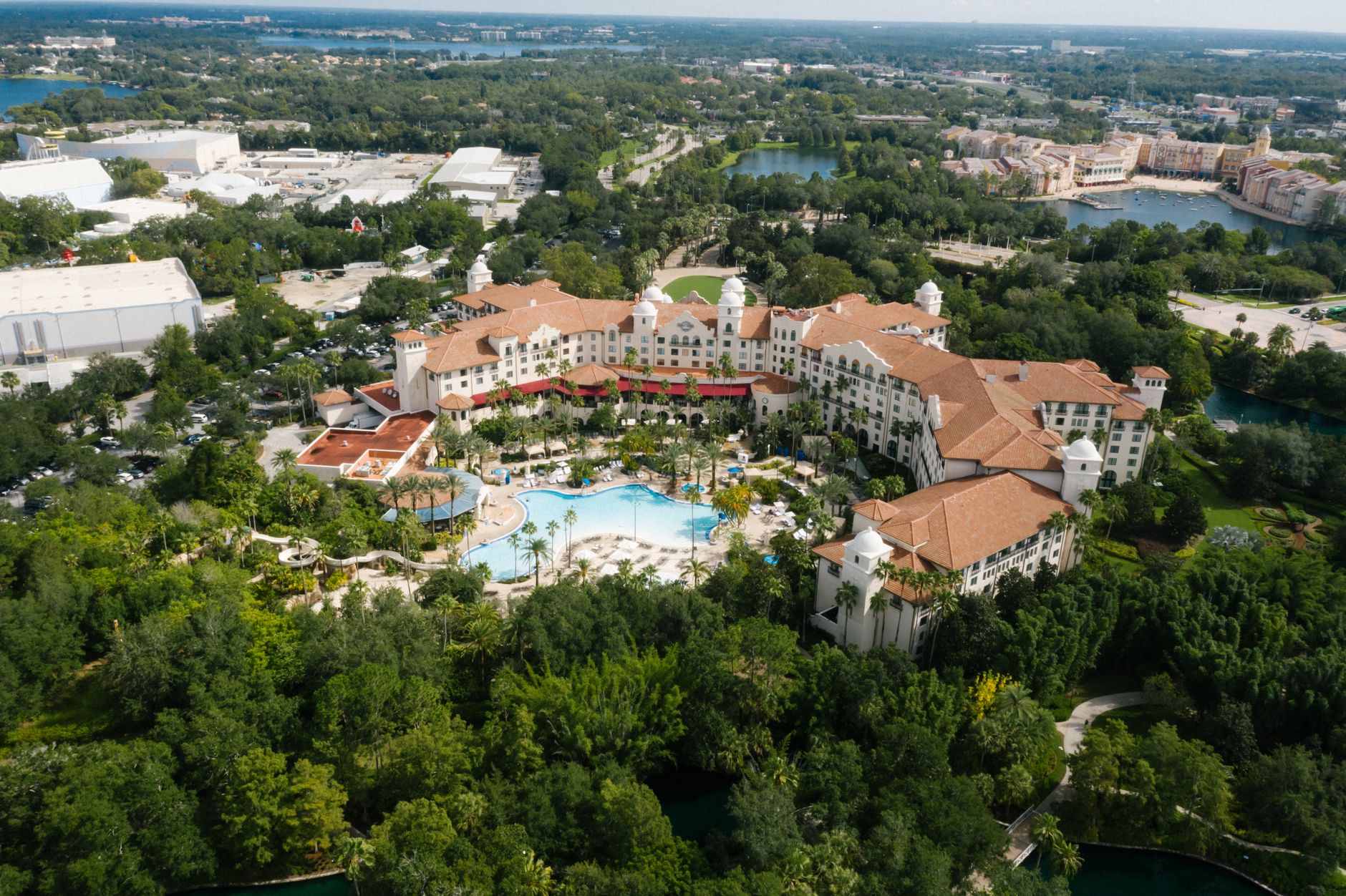

How Universal Orlando Resort came to be
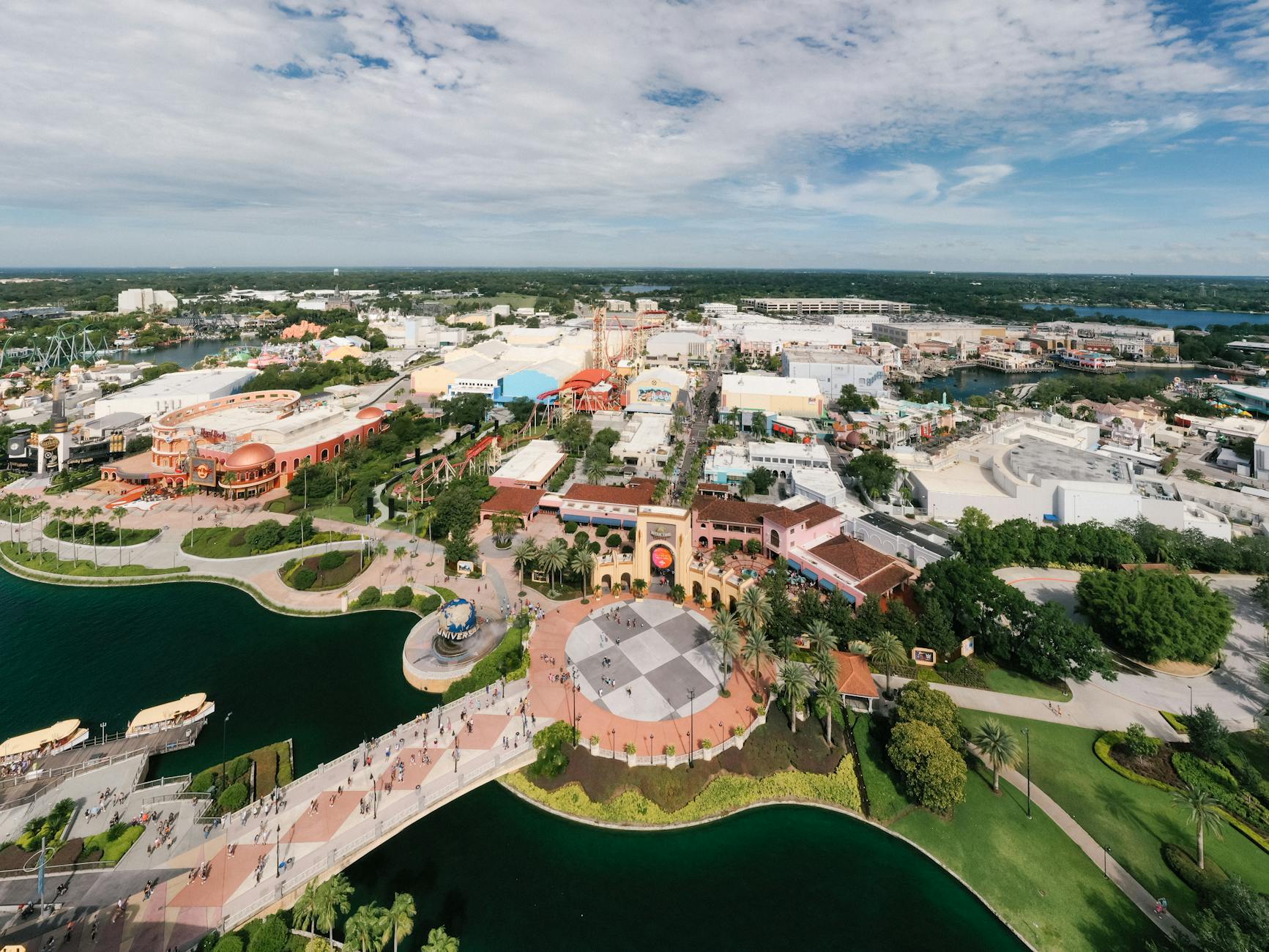
MCA Inc. bought the land in 1982 with the intention of building a working studio and theme park hybrid. Universal Studios Florida opened on June 7, 1990 — director Steven Spielberg was at the ribbon-cutting — with two of its early attractions developed in direct collaboration with him. The pitch was simple: let visitors ride the movies.
A second park, Islands of Adventure, followed on May 28, 1999, alongside CityWalk and the resort's first hotel, Loews Portofino Bay. The whole complex was briefly marketed as Universal Studios Escape before being renamed Universal Orlando Resort in July 2000. Volcano Bay arrived in 2017, and Epic Universe — the largest single expansion in the resort's history — opened to the public on May 22, 2025.
Who and what shaped it
People who shaped it
Landmark buildings
See Universal Orlando Resort in motion
Plan your visit
On the map
When to go
Orlando's subtropical climate means summer brings near-daily afternoon thunderstorms alongside intense heat and humidity — crowds are also at their heaviest then. Late January through March offers milder temperatures and thinner queues, making it the most comfortable window for covering serious ground across multiple parks.
Right now
Background & history adapted from Wikipedia (CC BY-SA) · specs from Wikidata (CC0) · weather from Open-Meteo · map data © OpenStreetMap contributors · photos from Wikimedia Commons / Unsplash with per-image credit. No third-party reviews or social posts reproduced.