
Ueno
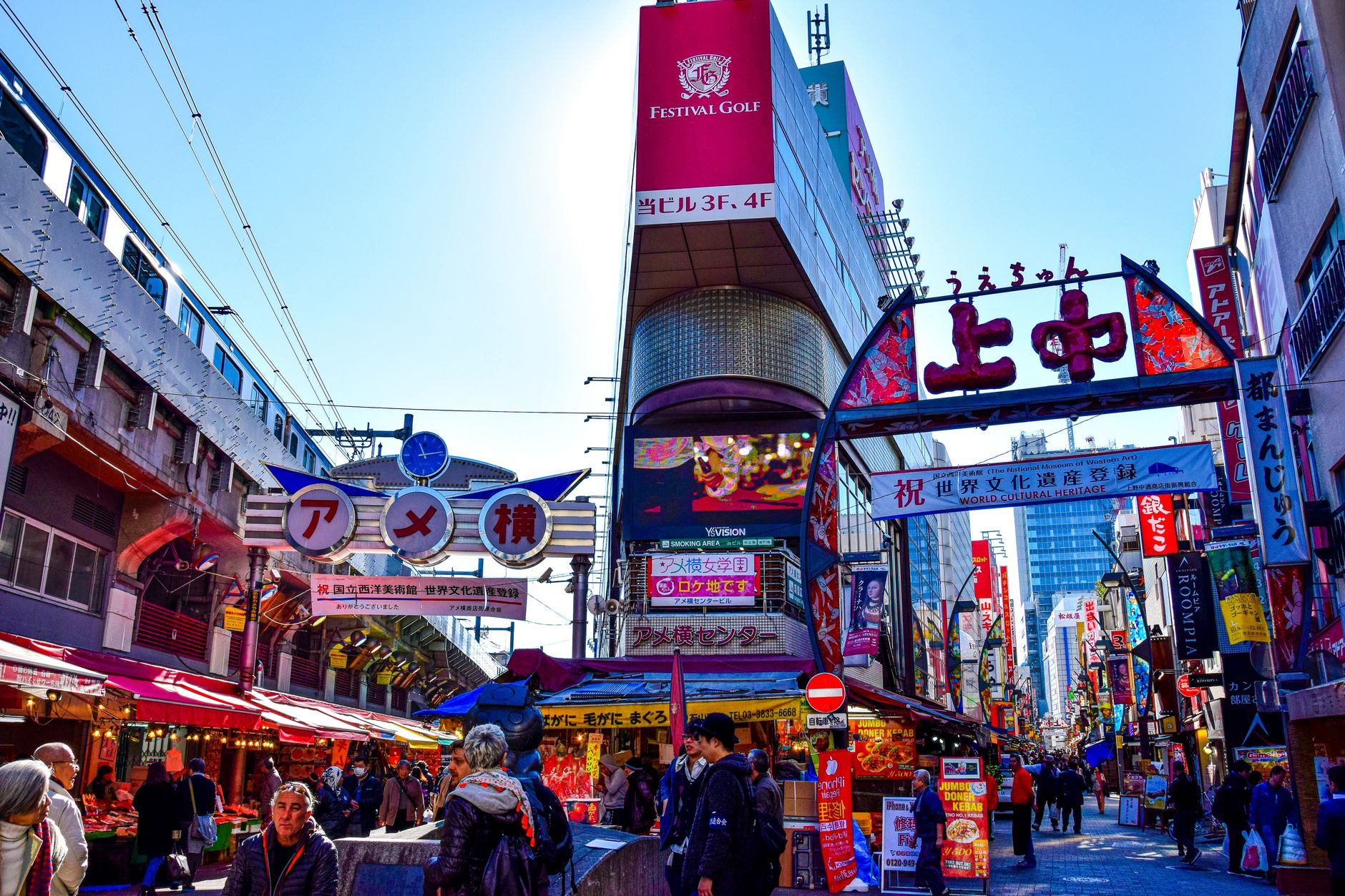
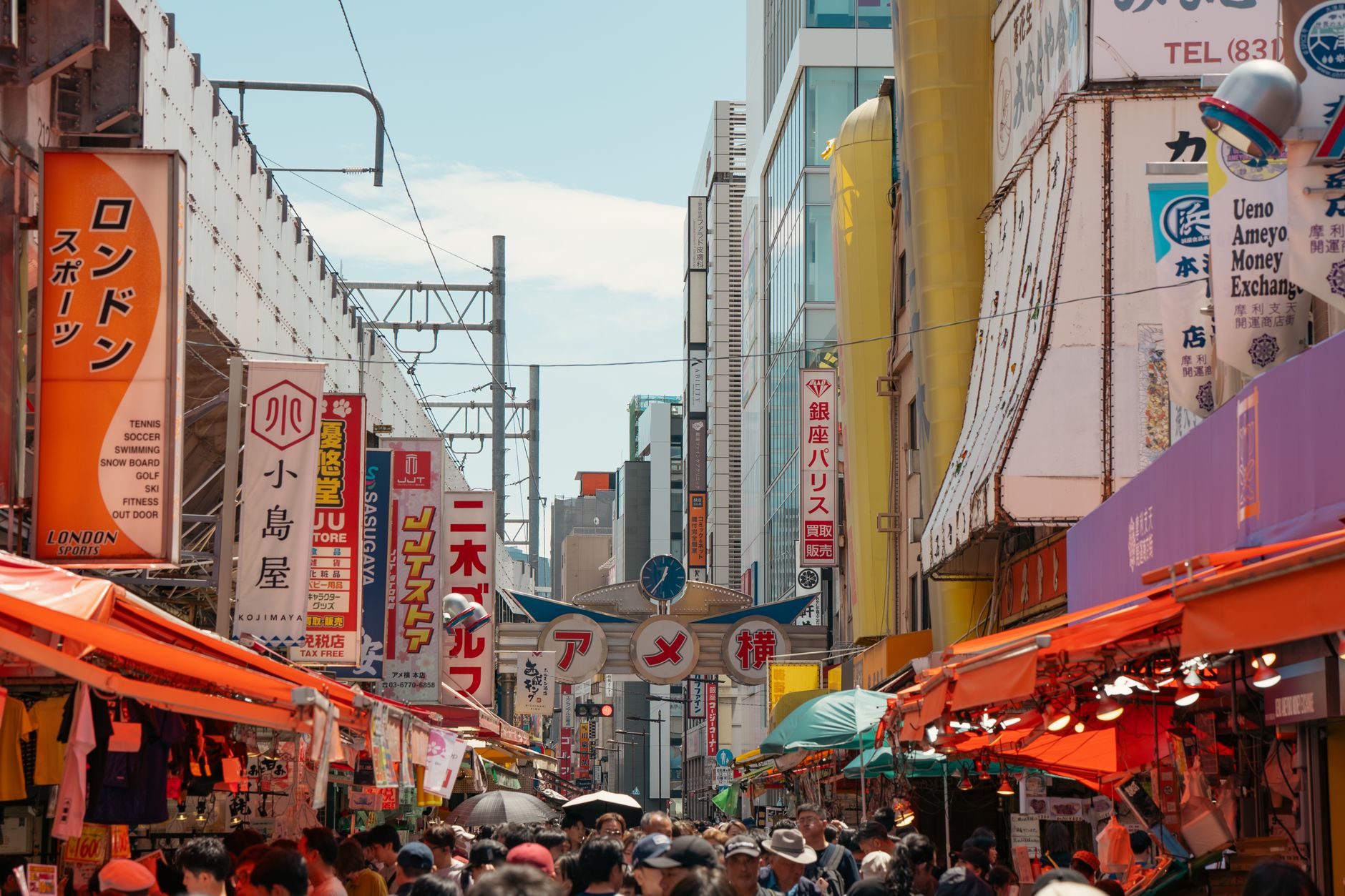
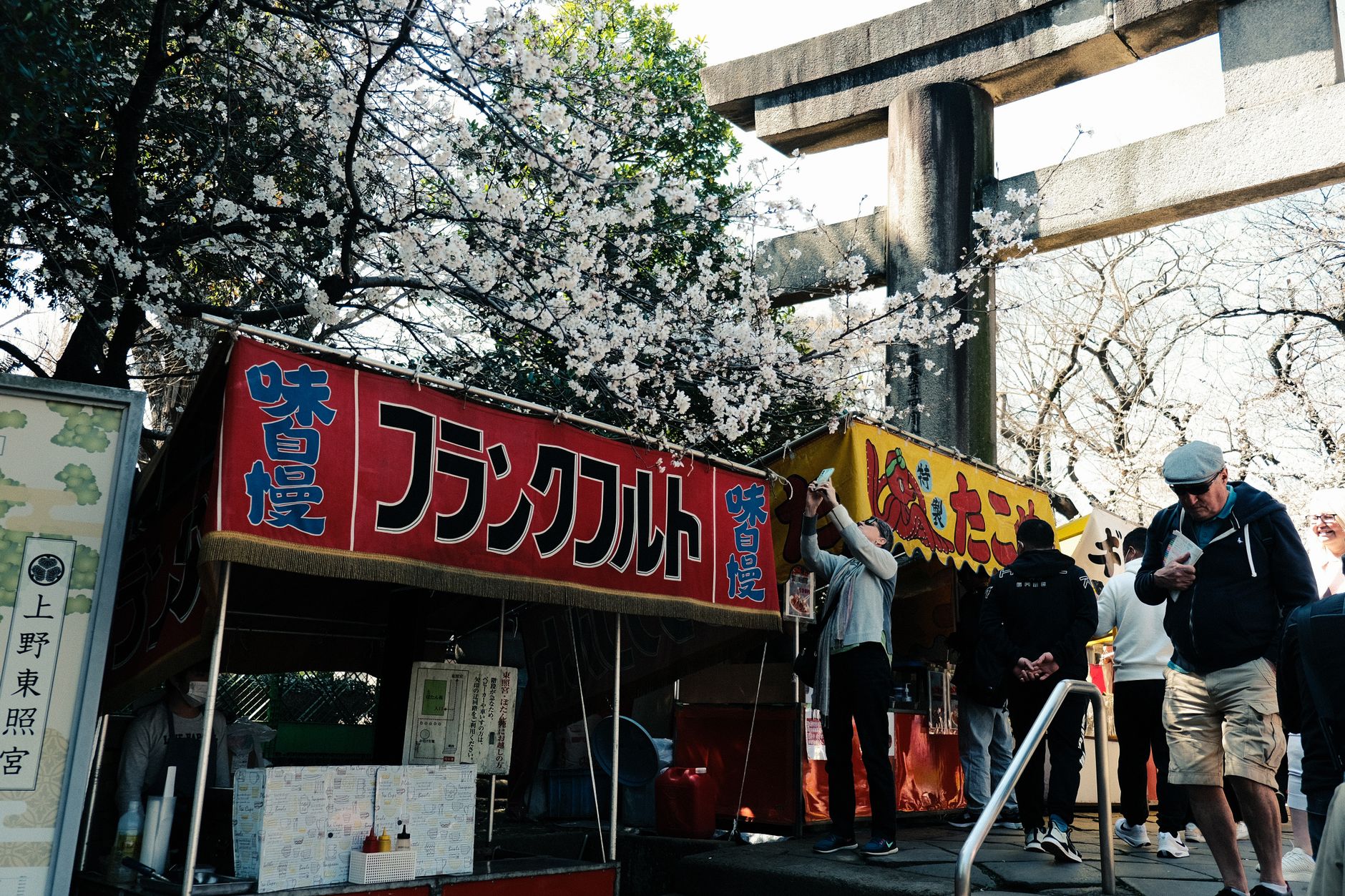
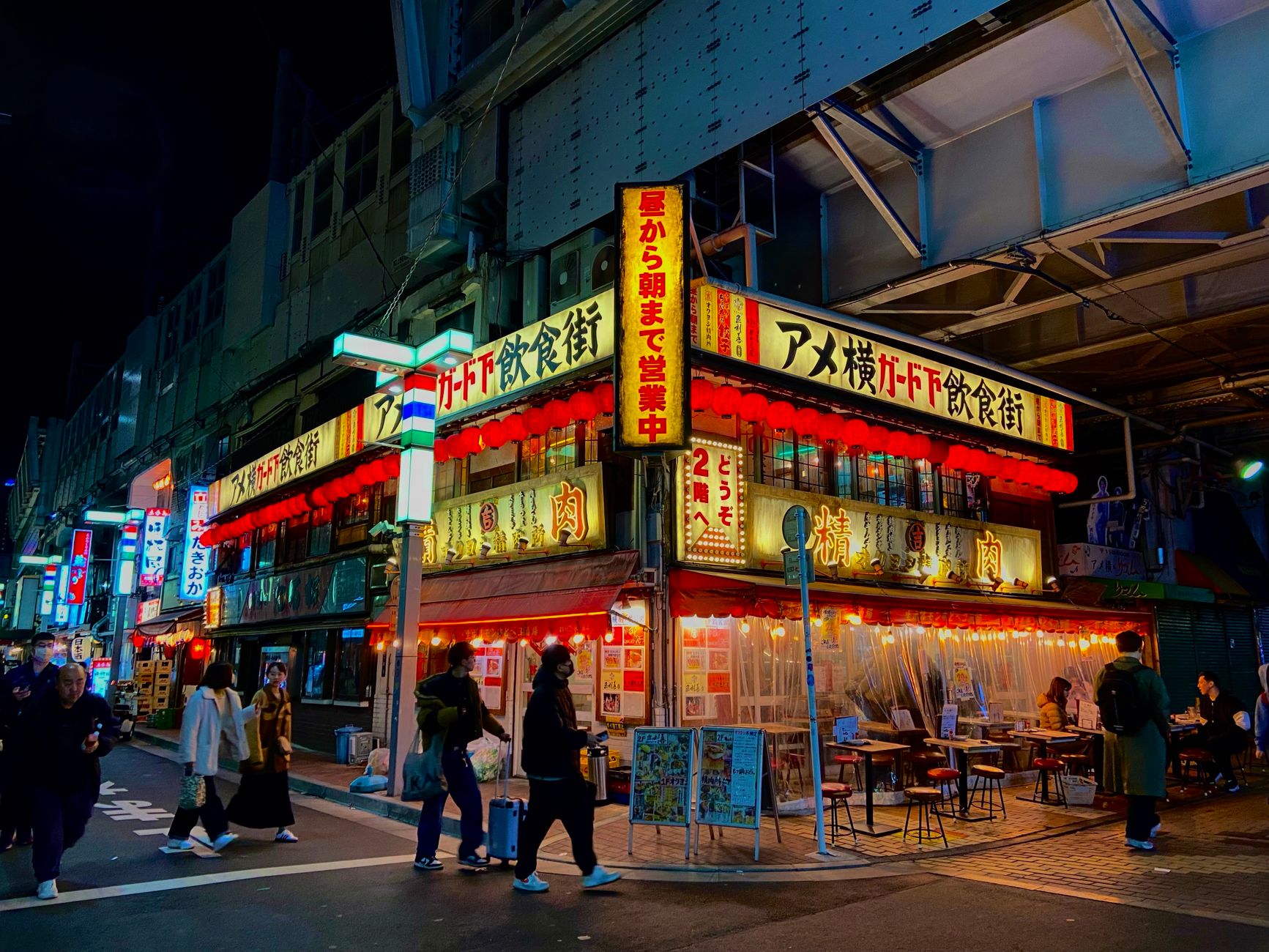
Ueno is where Tokyo keeps its memory. Within a few hundred metres of each other you'll find Japan's oldest zoo, its largest national museum, a Shinkansen terminus, a 400-shop street market that started as a postwar black market, and a pond that was deliberately designed to evoke Lake Biwa. The density is not accidental — it reflects a century and a half of the city deciding that this particular hill, and the ruins of a great temple on it, should hold things worth preserving.
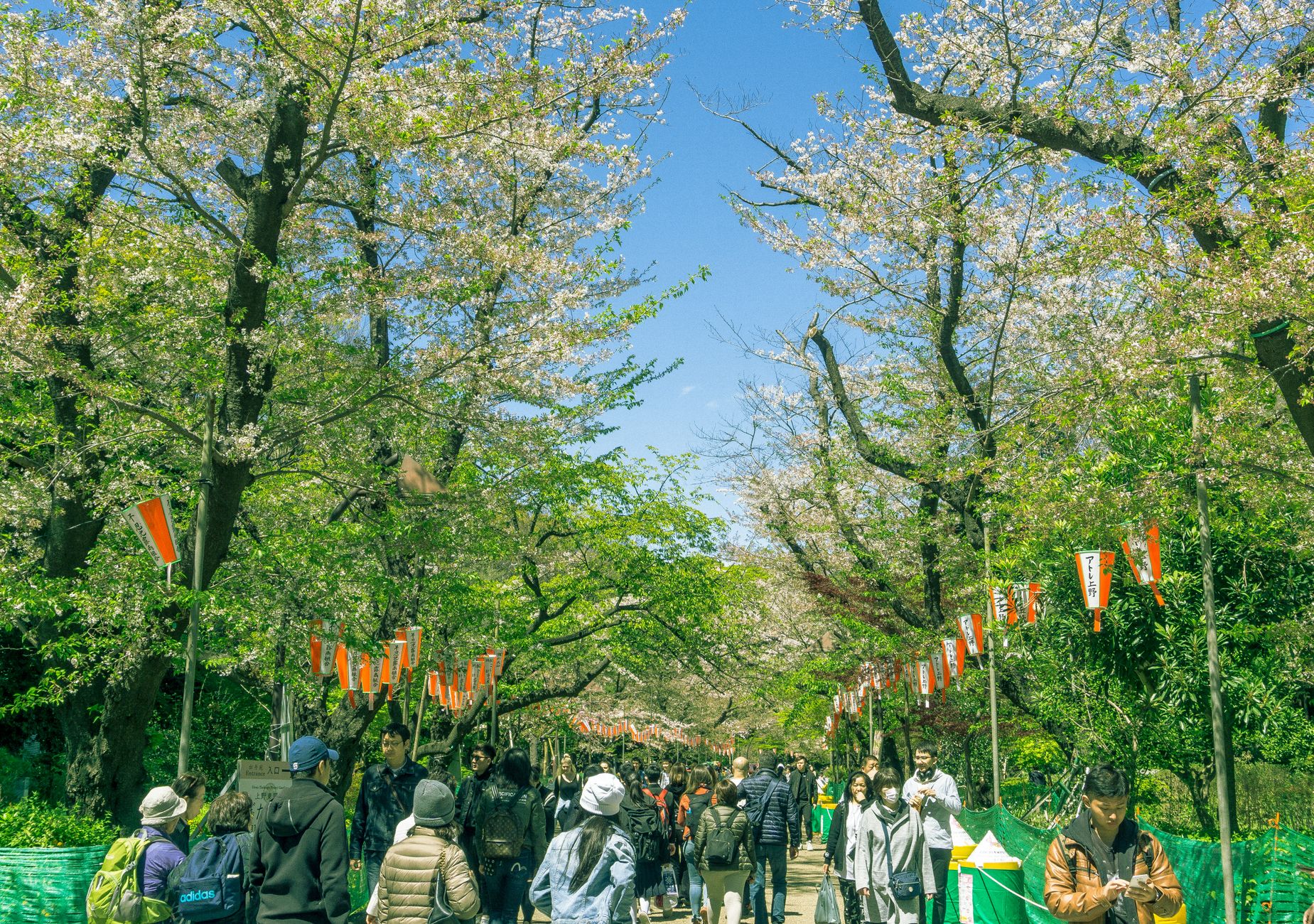
The park at the centre of it all has over a thousand cherry trees lining its main path, and in late March the crowds that gather beneath them are genuinely extraordinary — shoulder to shoulder, picnic sheets edge to edge. Come any other time and the place breathes.
💛 What travellers fall for
People who keep returning tend to build a circuit: coffee at the park entrance, then straight to the Tokyo National Museum before the tour groups arrive. The National Museum of Western Art — the only Le Corbusier building in Asia — gets overlooked in favour of the Japanese collection next door, which is a gift to anyone who notices. Late afternoon, Ameyoko for takoyaki and the particular noise of a market that has no interest in being photogenic.
Deals in Ueno
Book directly at the provider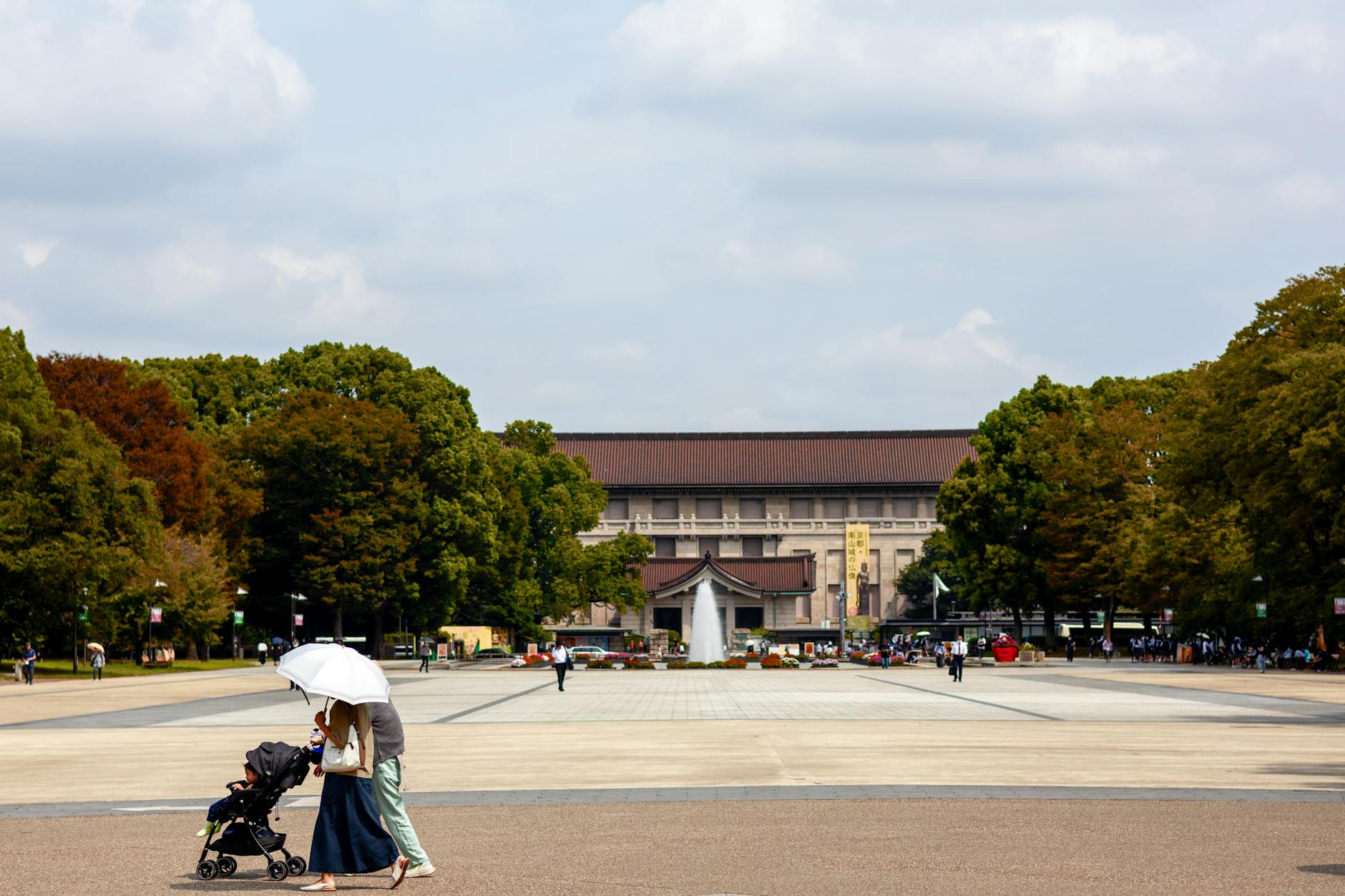

How Ueno came to be
In 1625, the Tendai monk Tenkai — spiritual adviser to the second and third Tokugawa shōguns — founded Kan'ei-ji temple on the hill northeast of Edo Castle. The positioning was deliberate: in Buddhist cosmology, the northeast is the direction from which evil enters, and Kan'ei-ji was meant to guard the castle the way Enryakuji Temple guarded Kyoto. Shinobazu Pond was even shaped to reference Lake Biwa. The temple complex grew into one of the largest in Edo.
It survived until 1868, when the Boshin Civil War reached Ueno and the Imperial army — led by Saigo Takamori — destroyed nearly all of it in a single battle. A Dutch military doctor named Anthonius Bauduin then petitioned the new Meiji government not to build a hospital on the ruins, but a park. They listened. Ueno Park opened in 1873; the zoo followed in 1882; the Tokyo National Museum had already been founded in 1872. The golden buildings of Ueno Tōshō-gū, founded 1627, survived the battle, the 1923 earthquake, and the 1945 firebombing — they are still there.
Who and what shaped it
People who shaped it
Landmark buildings
See Ueno in motion
Plan your visit
On the map
When to go
Spring (late March to early April) brings the cherry blossoms and the largest crowds of the year. Autumn is quieter and the maples around the shrines turn well into November. Summer is hot and humid — the museums become genuinely useful shelter. Winter mornings in the park are cold but clear, and the pond sits very still.
Right now
Background & history adapted from Wikipedia (CC BY-SA) · specs from Wikidata (CC0) · weather from Open-Meteo · map data © OpenStreetMap contributors · photos from Wikimedia Commons / Unsplash with per-image credit. No third-party reviews or social posts reproduced.