
Ubud
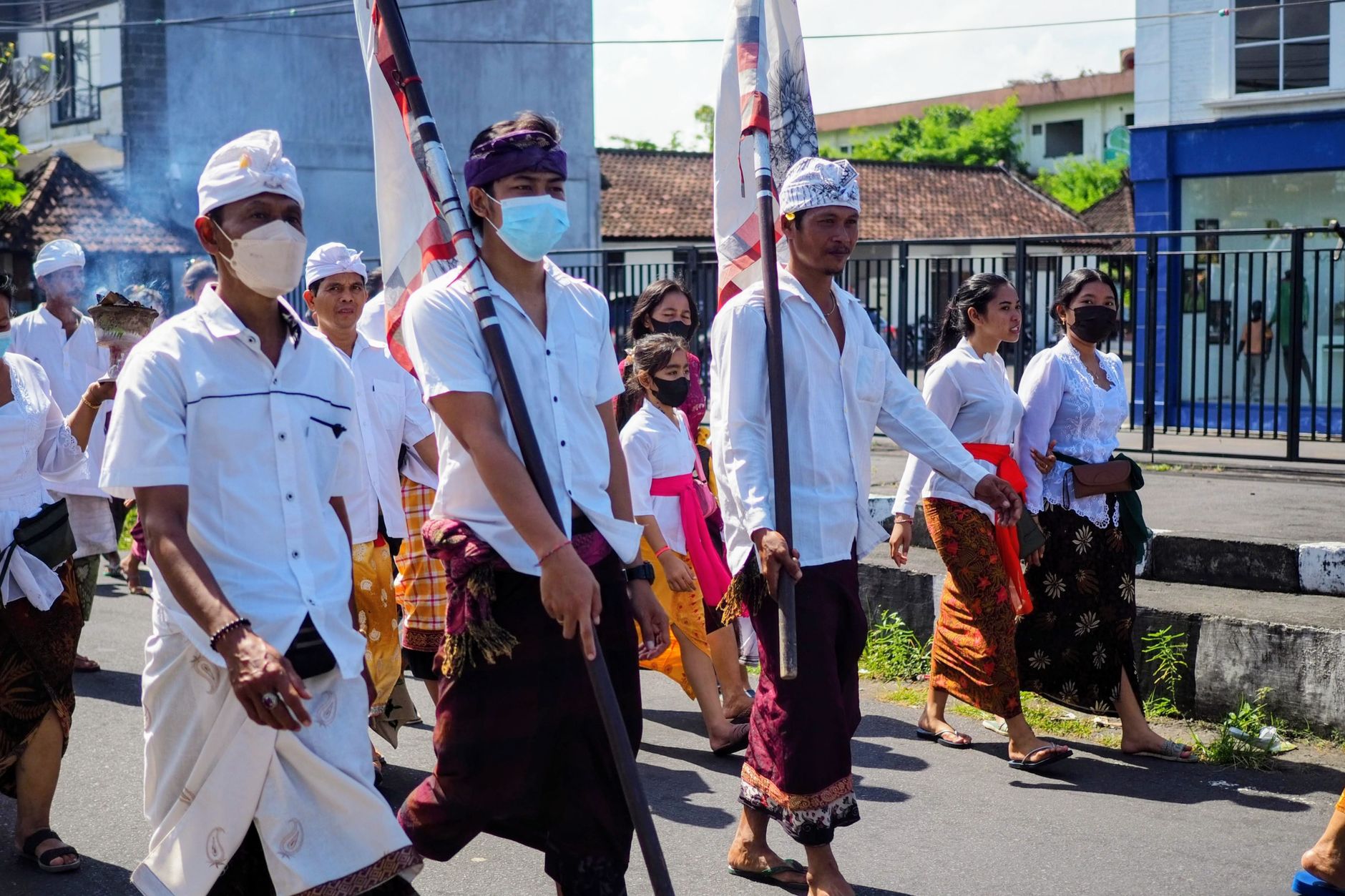
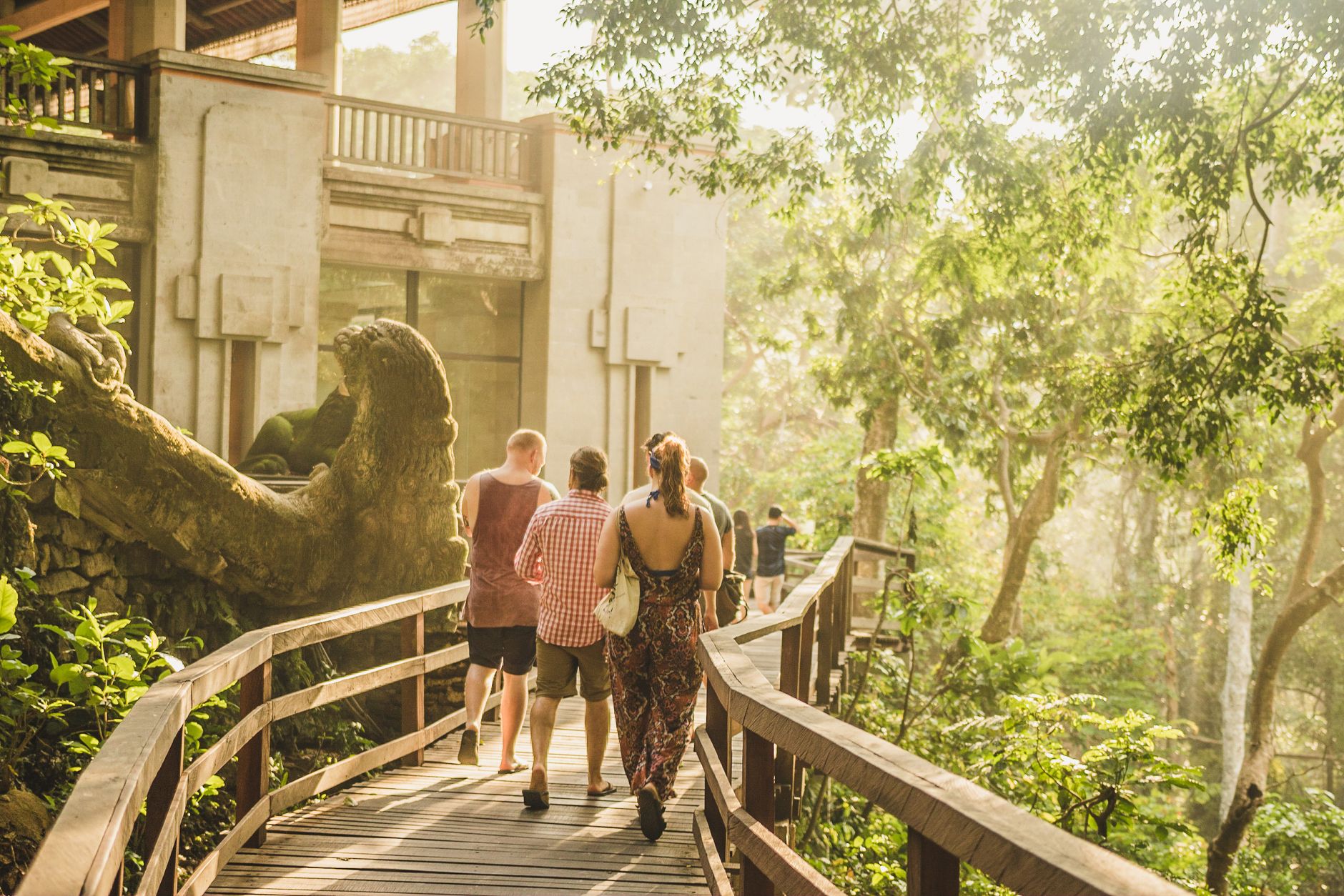
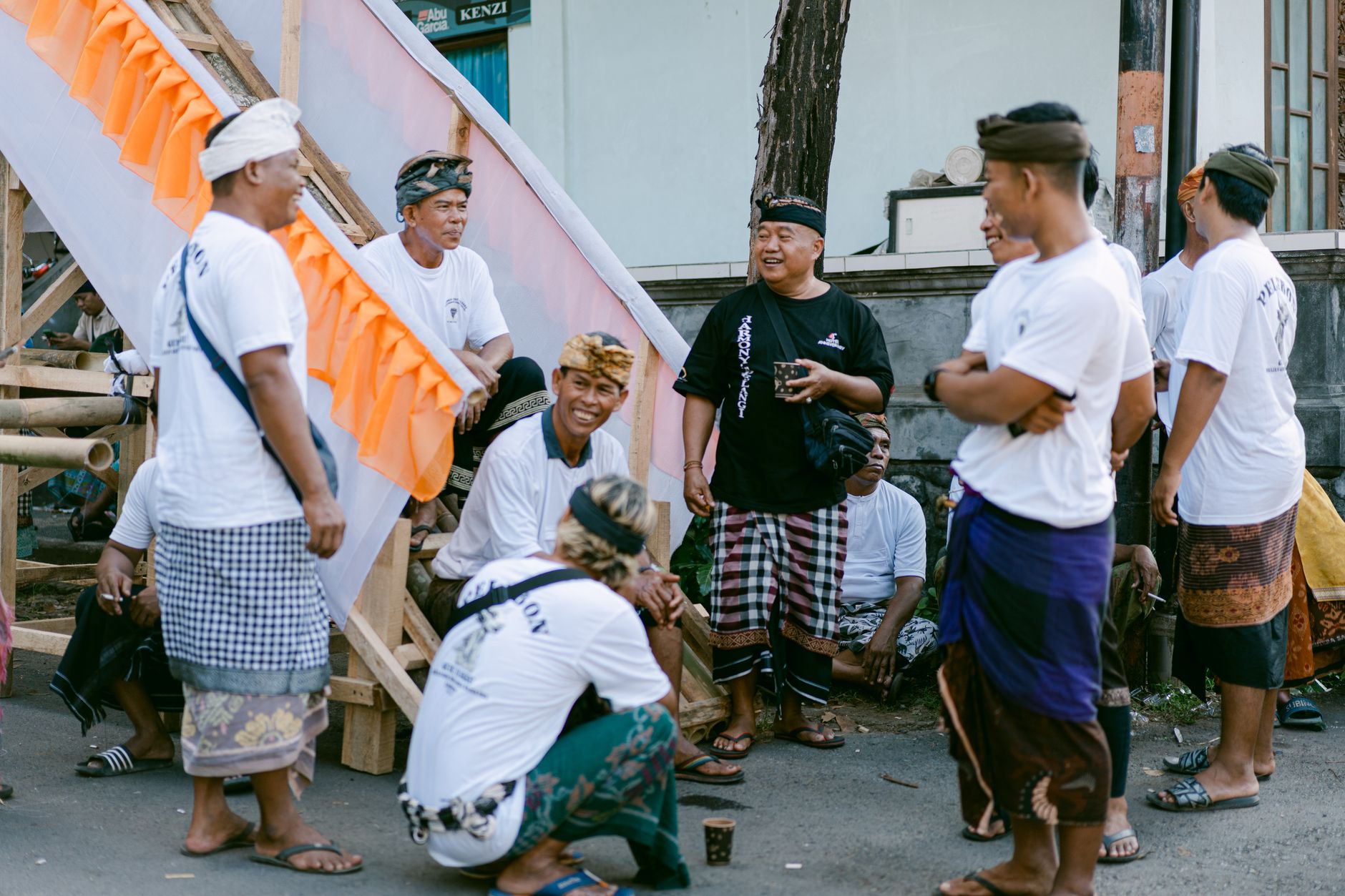
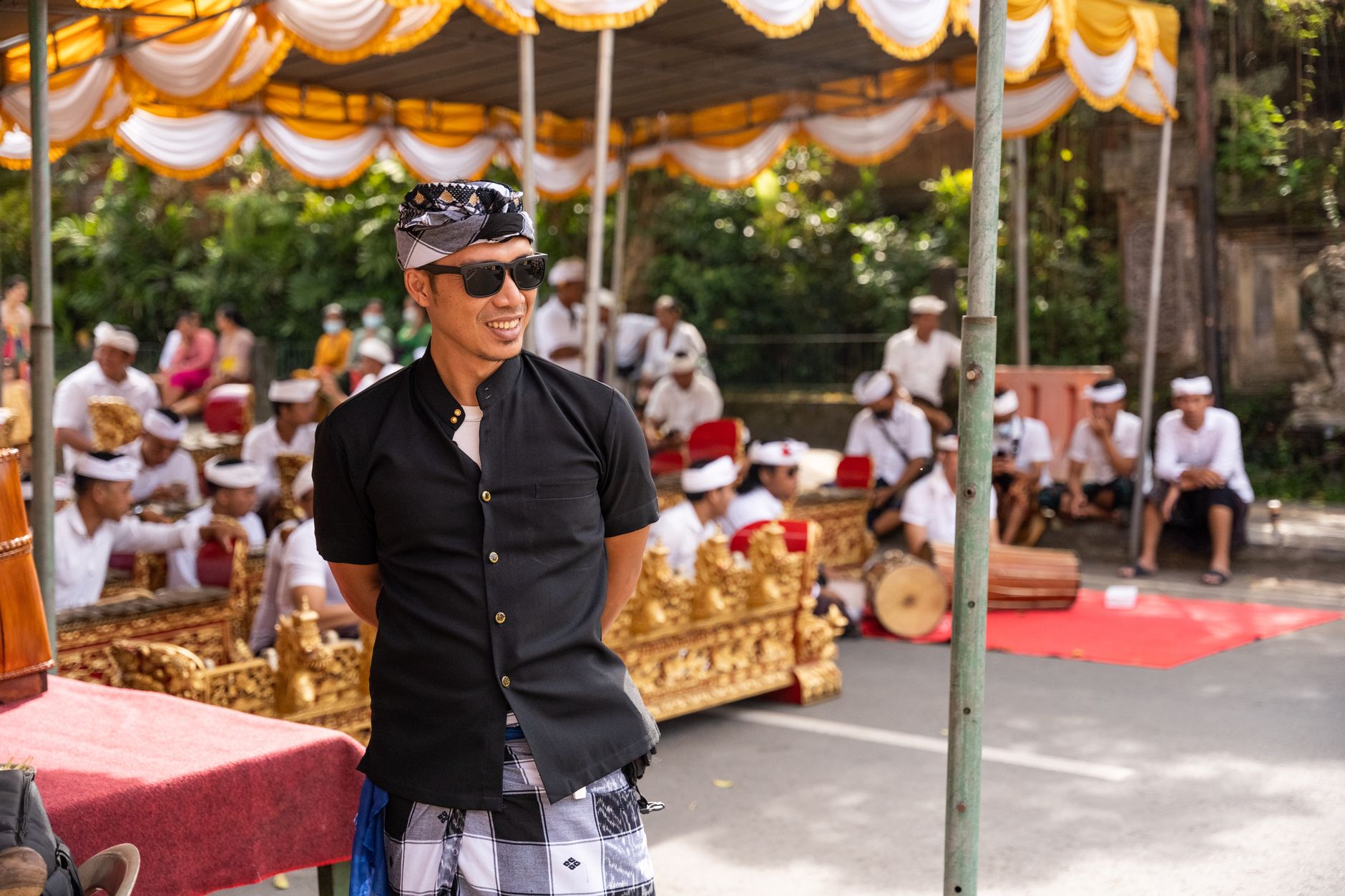
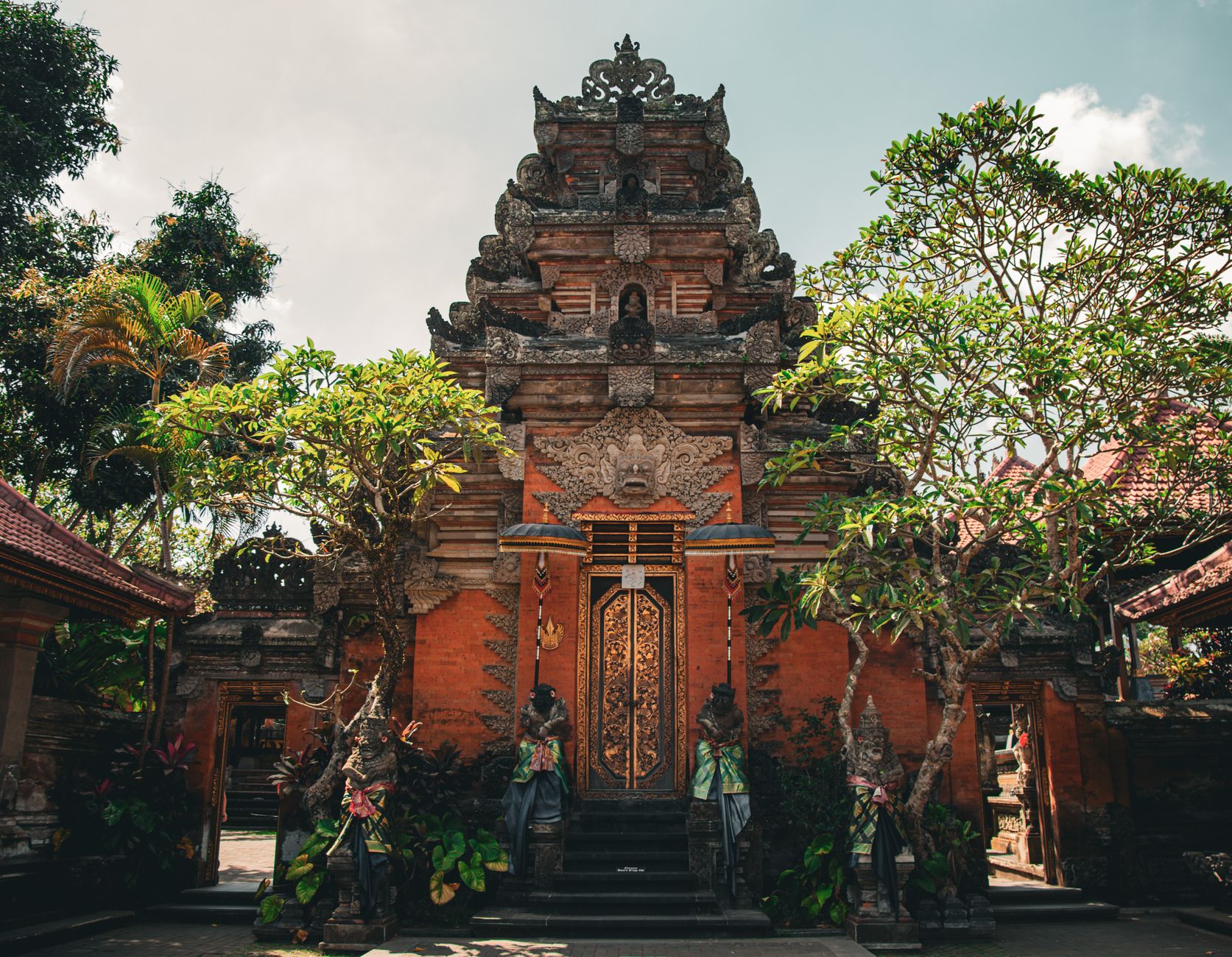
The name Ubud comes from the Balinese word for medicine, and the region has been drawing people here to heal — or at least to slow down — for a very long time. Rice terraces step down into river gorges, stone temples sit at the confluence of streams, and the roads that branch off Jalan Raya Ubud lead quickly into a quieter Bali of compound walls and morning offerings.
This is the cultural interior of the island: the place where Balinese dance, painting, and woodcarving have been practiced with unusual seriousness for centuries. Three or four nights gives you enough time to walk the Campuhan Ridge at dawn, visit a few of the older temples, and find your own rhythm.
💛 What travellers fall for
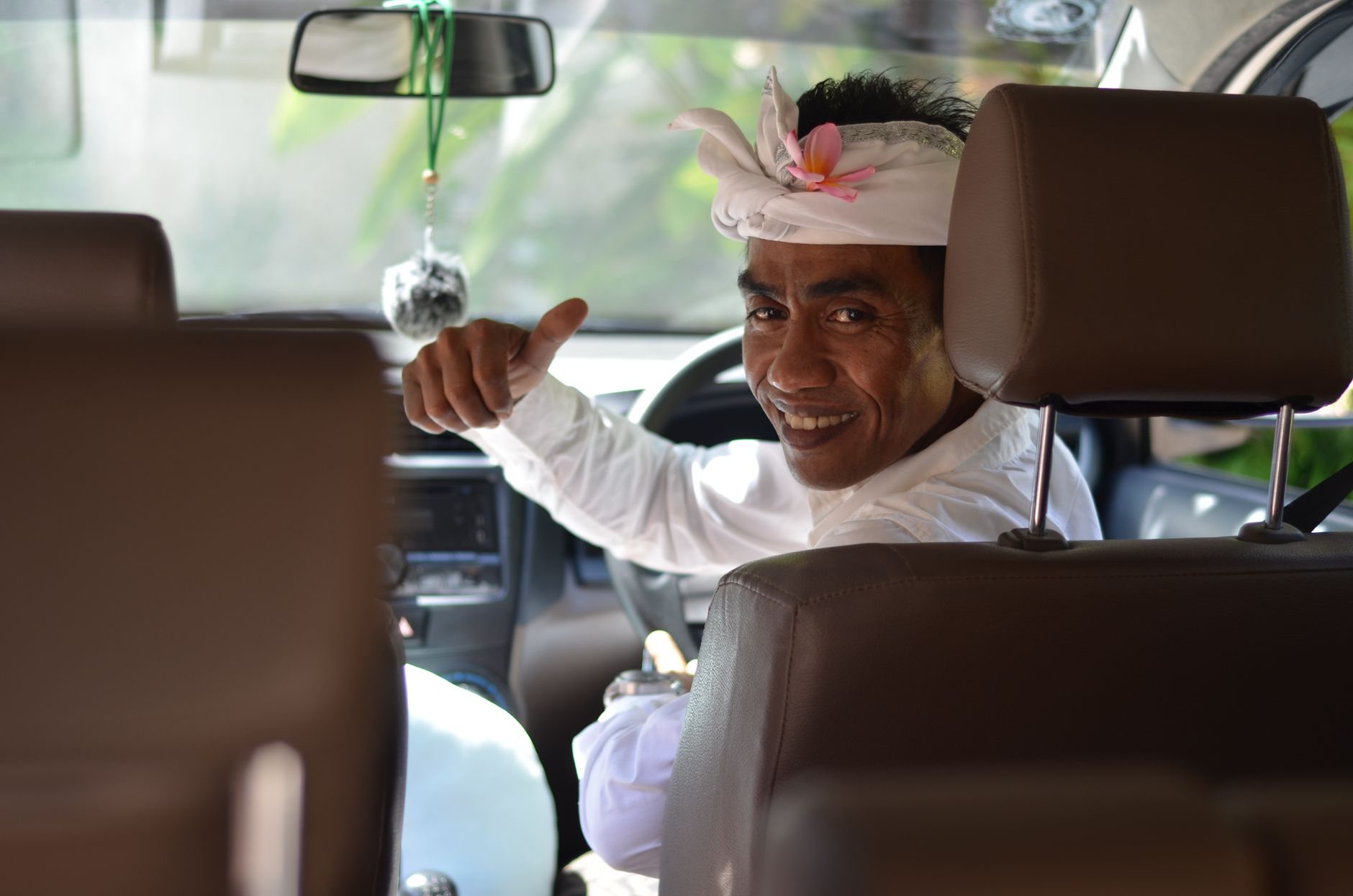
People who come back tend to hire the same private driver for the week — it's the single decision that makes the most difference, since metered ride-sharing isn't permitted here. They also learn quickly that temple visits work best in the early morning, before the day heats up and tour groups arrive. The Pura Gunung Kawi cliff tombs, especially, deserve the first hour.
How Ubud came to be
Ubud's recorded story begins in the 8th century, when the Hindu priest Rsi Markandya founded Gunung Lebah Temple at the Campuhan river confluence — it remains a pilgrimage site today. The Majapahit kingdom absorbed Bali in 1343, and by the late 19th century Ubud had become the seat of feudal lords aligned with the king of Gianyar. In 1900 it became a Dutch protectorate largely on its own terms, with colonial interference kept to a minimum.
The 1930s reshaped the town again when German painter Walter Spies and Dutch painter Rudolf Bonnet arrived, encouraged by the royal family. In 1936 they co-founded the Pita Maha artists' cooperative, which formalized local artistic practice and drew international attention. Tjokorda Gede Agung Sukawati, the last ruling monarch, opened the family palace as one of Ubud's first hotels during this same period. The artists kept coming — Antonio Blanco settled here in 1952, Arie Smit in the 1960s — and the town's identity as a place where art gets made, not just sold, has held ever since.
Who and what shaped it
People who shaped it
Landmark buildings
See Ubud in motion
Plan your visit
On the map
When to go
Ubud has two distinct seasons: a dry season roughly from April through September, which is the more comfortable time to visit, and a rainy season from October through March when afternoon downpours are common. Even in the wet months the mornings are often clear, and the terraces turn an almost implausible green.
Right now
Background & history adapted from Wikipedia (CC BY-SA) · specs from Wikidata (CC0) · weather from Open-Meteo · map data © OpenStreetMap contributors · photos from Wikimedia Commons / Unsplash with per-image credit. No third-party reviews or social posts reproduced.