
Tulum
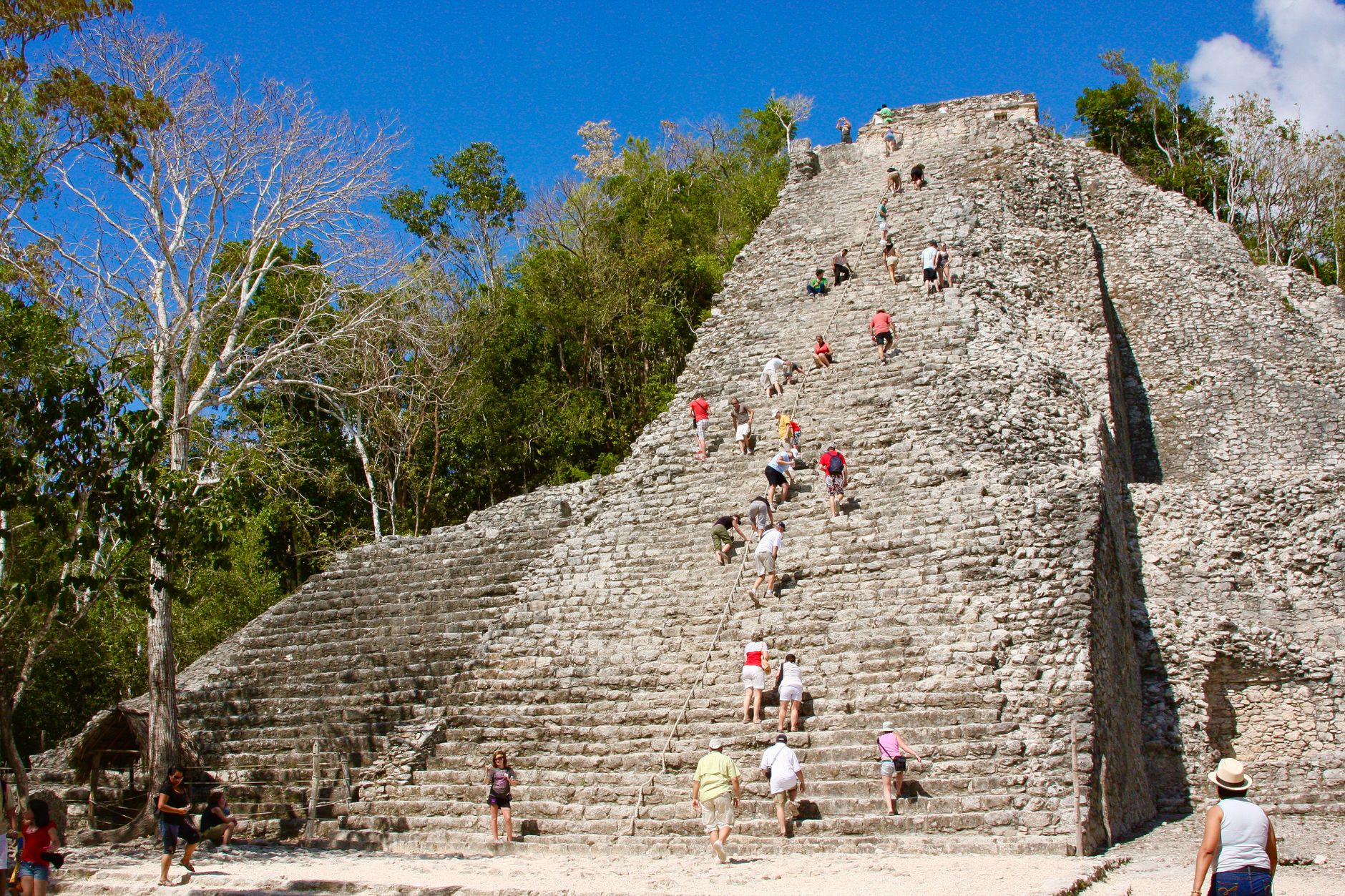
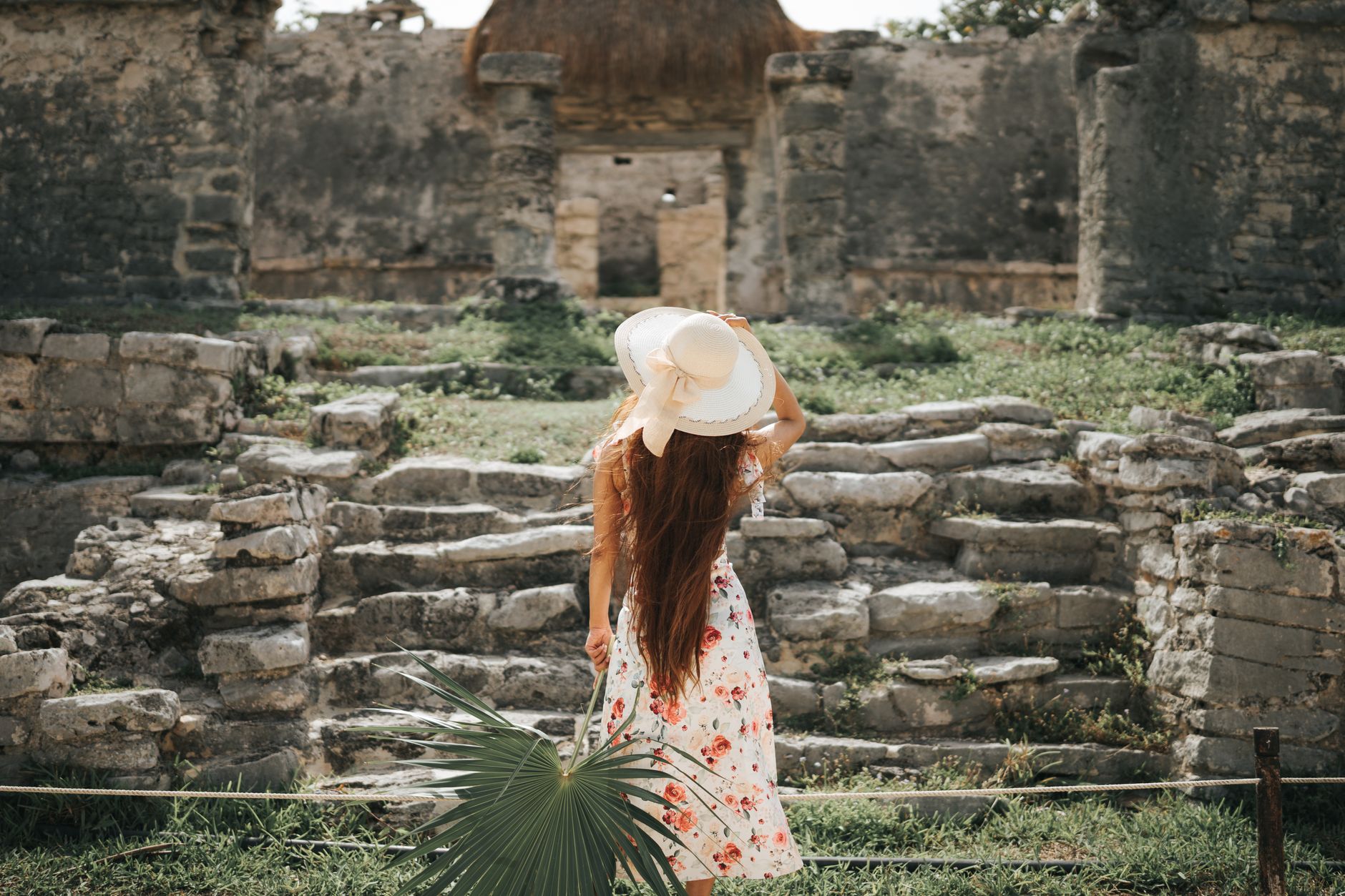
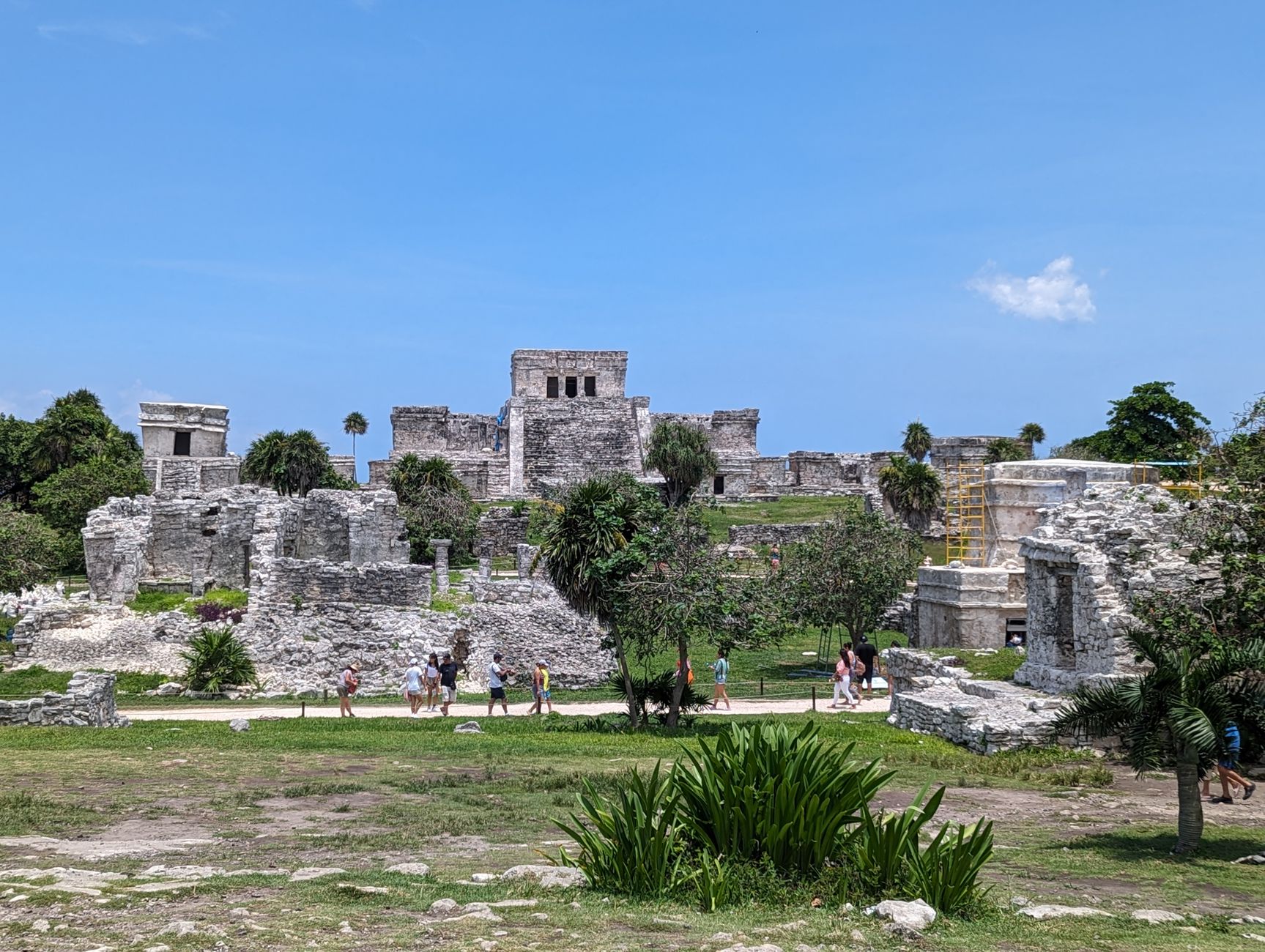
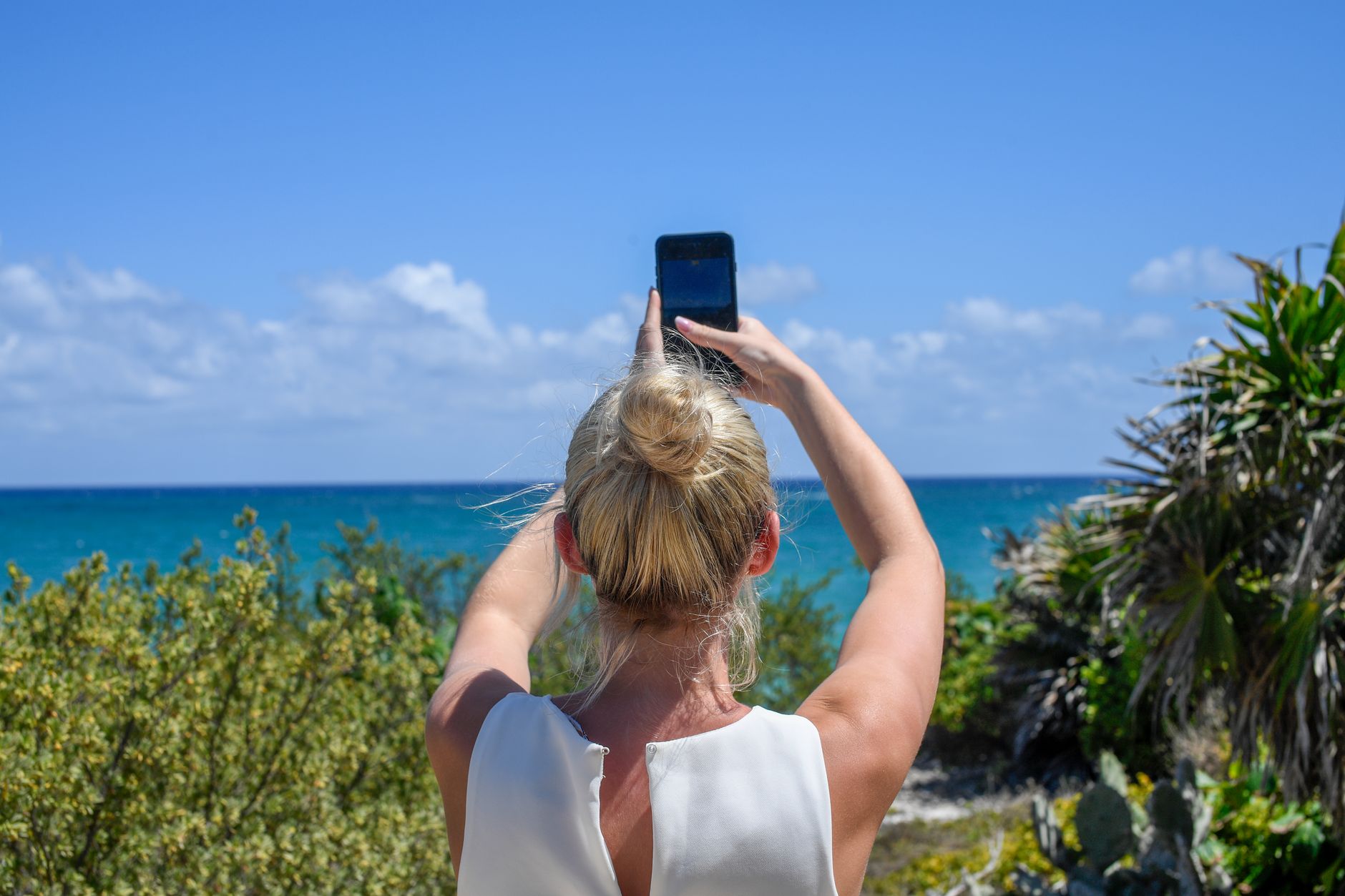
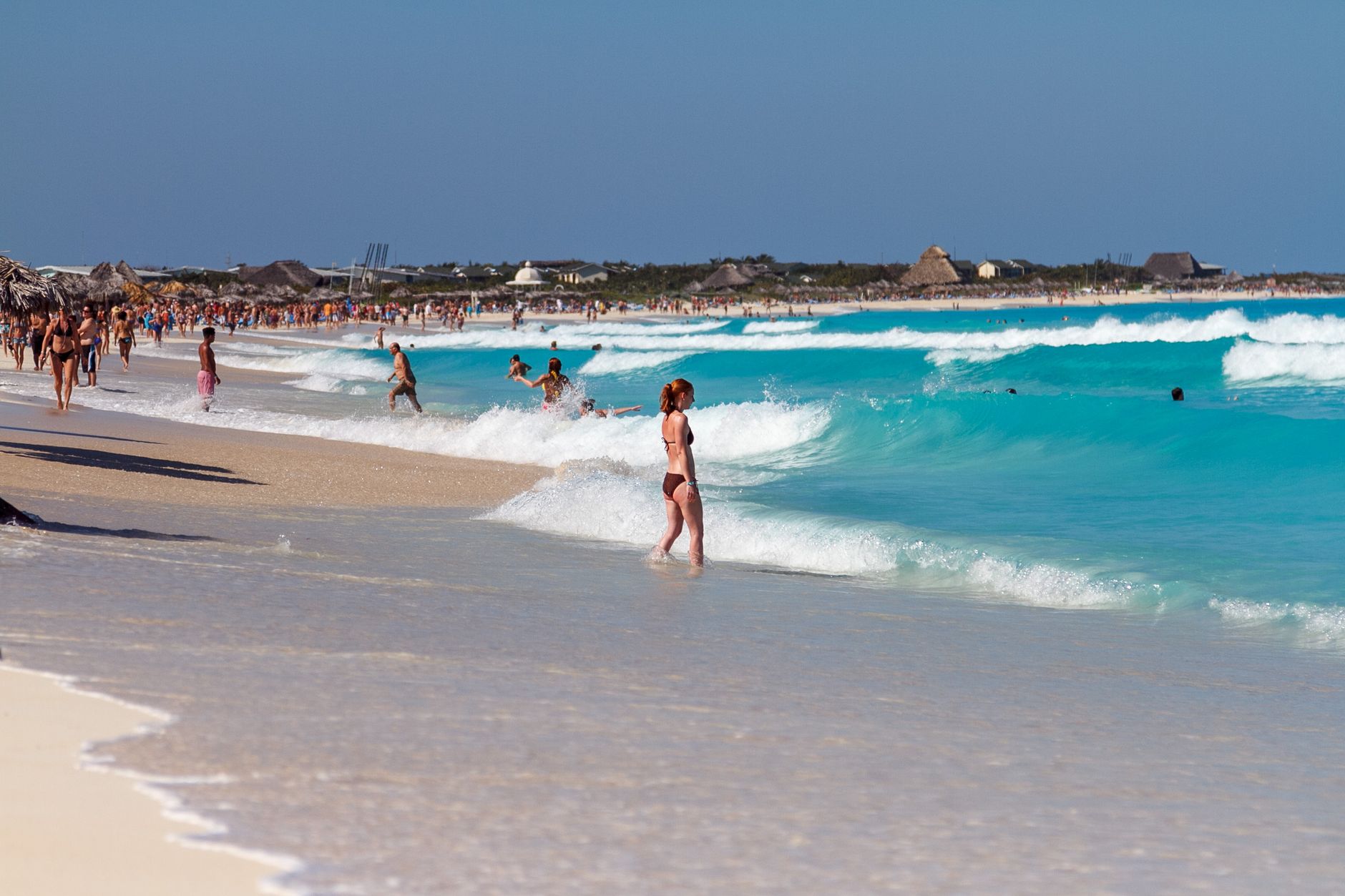
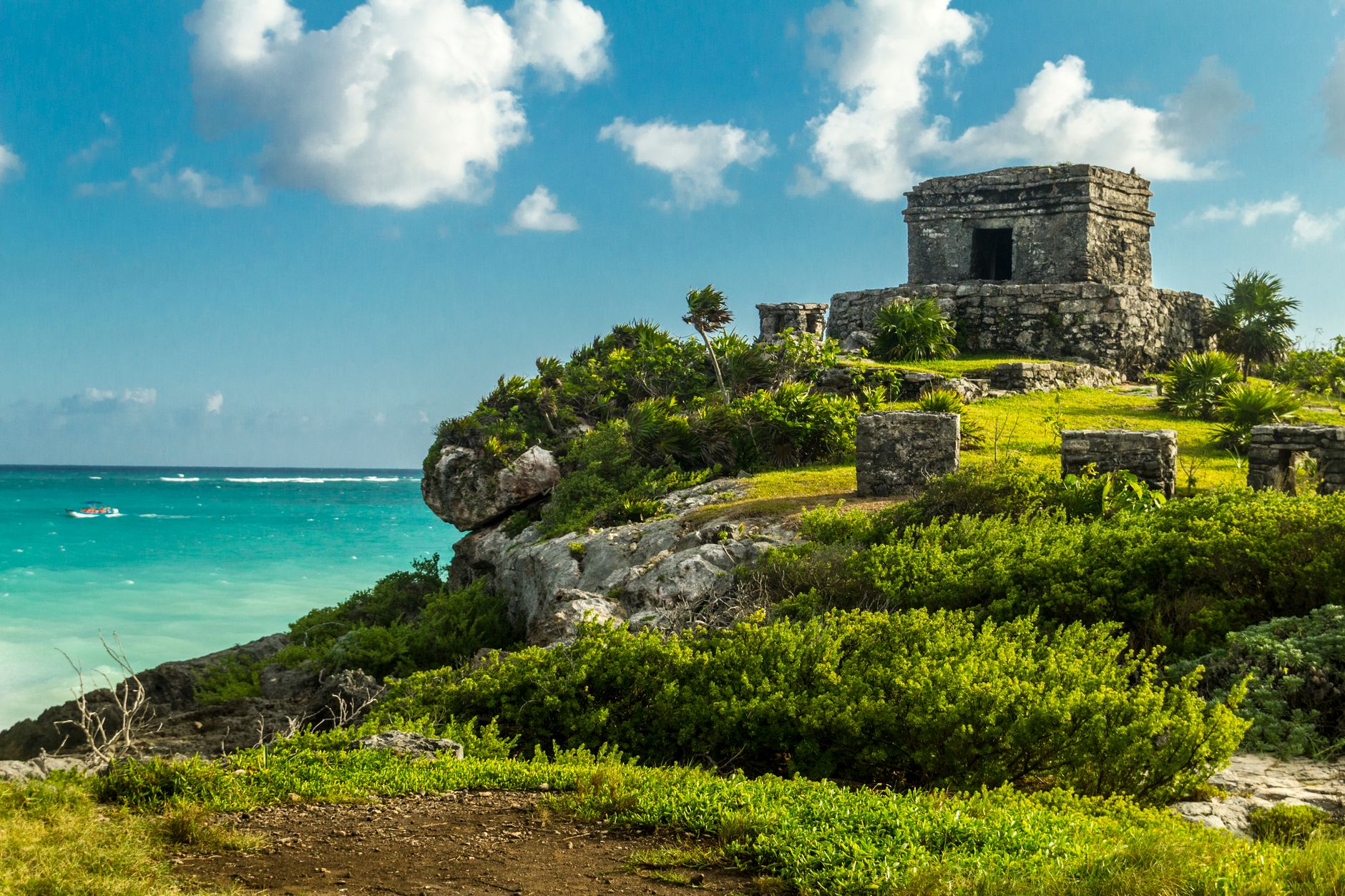
The thing that stops you first is the drop. The Maya built their walled city on a limestone cliff above the Caribbean, and El Castillo — a 7.5-metre pyramid that once doubled as a working lighthouse — still stands at the edge as if it owns the sea. Below, the water runs every shade between jade and cobalt. This is Tulum: an archaeological site that happens to share a coastline with one of the more photogenic stretches of the Mexican Caribbean.
The ruins are the reason to come, and they reward an early start. By mid-morning the tour groups arrive in waves of thirty and forty, and the scale of the site — compact, cliff-bound, genuinely beautiful — makes the crowds feel very present. Get here before nine and you'll have the soft morning light and something close to quiet.
💛 What travellers fall for
People who've been more than once tend to say the same thing: wear your swimsuit under your clothes. The beach below the cliffs is included in your entry ticket and worth every minute, but there are no changing rooms on the sand, and it closes at 4:30 PM. Also — bring cash in pesos for the ticket window, which doesn't take cards.
How Tulum came to be
Tulum was first settled around the 6th century CE, but its real prominence came later, between roughly 1200 and 1450 CE, when it grew into one of the last major cities the Maya built and occupied. Spanish explorers spotted it from the sea in 1518 — Juan Díaz, sailing with Juan de Grijalva's expedition, was the first European to record it — yet the Maya continued living there for nearly seventy years after contact before abandoning the site by the end of the 16th century.
The modern town has a different origin: the Caste War of Yucatán (1847–1901) brought Maya rebels into the region, and local accounts credit a Maya leader named María Uicab with founding the settlement between 1860 and 1870. The construction of Highway 307 in the 1970s opened the area to the outside world; serious tourism followed in the 1990s. Tulum International Airport opened in December 2023.
Who and what shaped it
People who shaped it
Landmark buildings
See Tulum in motion
Plan your visit
On the map
When to go
The Yucatán coast runs warm year-round, with high humidity. December through April brings lower humidity, less rain, and the clearest water — the most comfortable window for visiting. The Caribbean hurricane season runs June through November, and July to October can bring heavy afternoon downpours; sargasso seaweed also tends to pile up on the beaches during summer months.
Right now
Background & history adapted from Wikipedia (CC BY-SA) · specs from Wikidata (CC0) · weather from Open-Meteo · map data © OpenStreetMap contributors · photos from Wikimedia Commons / Unsplash with per-image credit. No third-party reviews or social posts reproduced.