
Trujillo
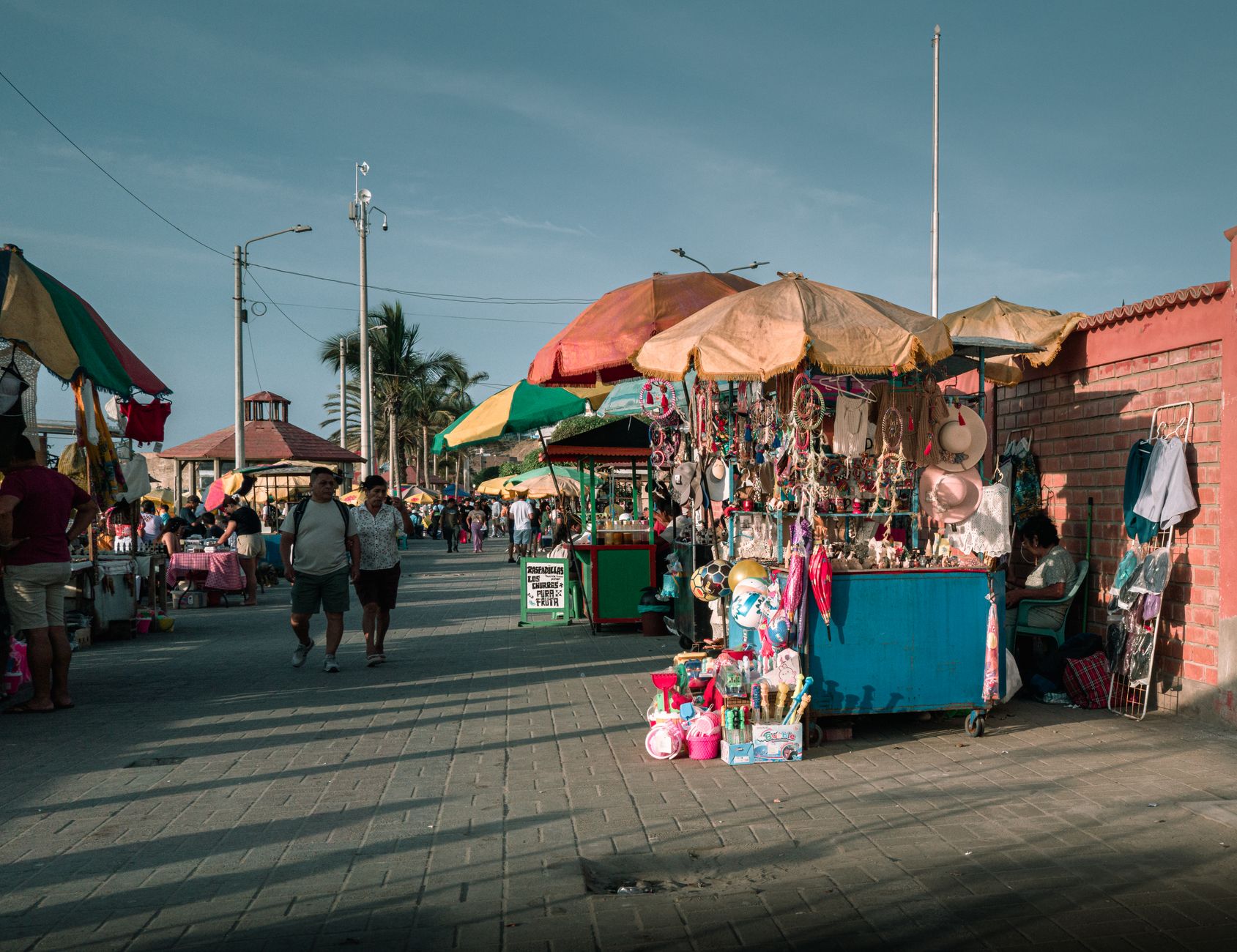
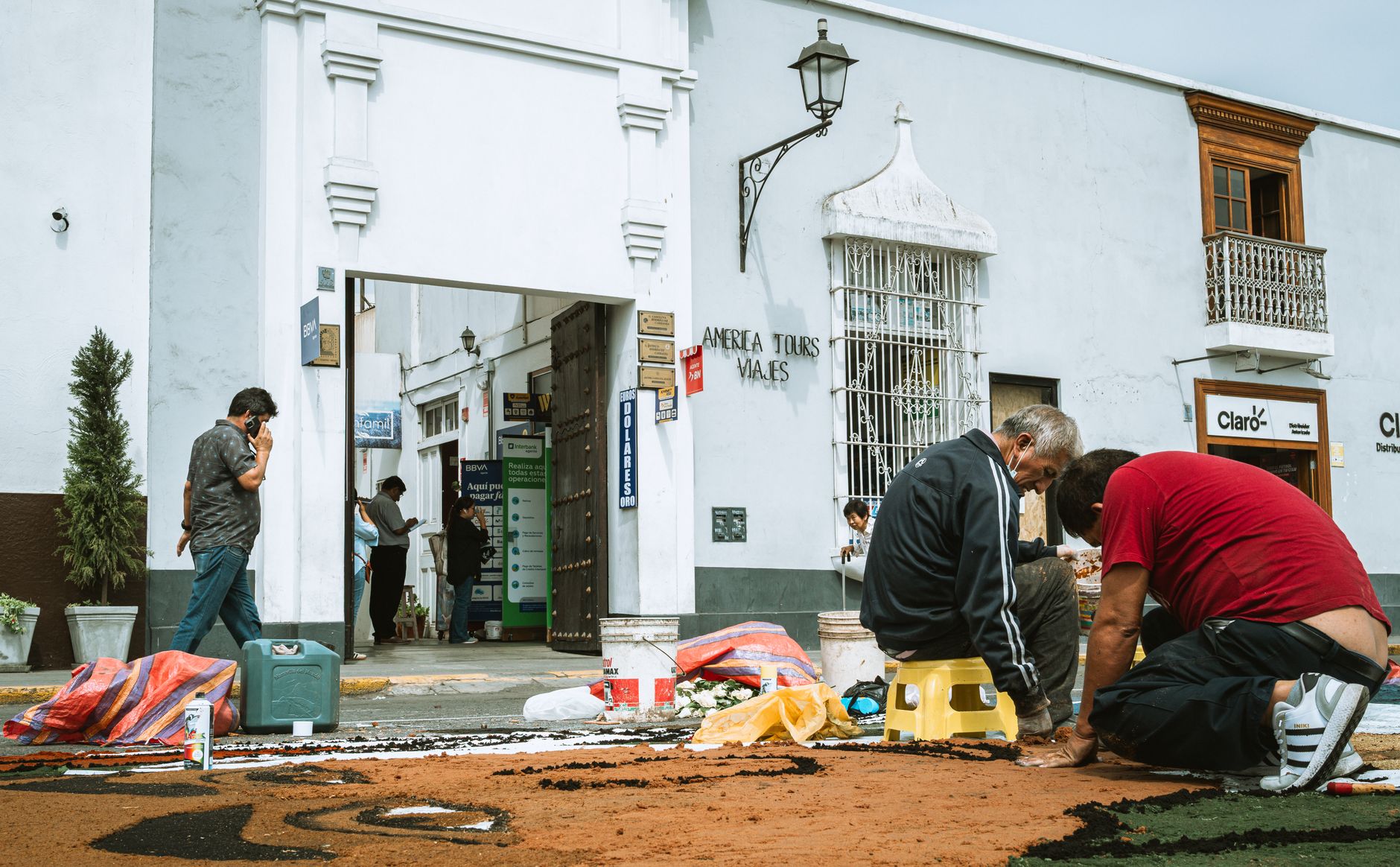
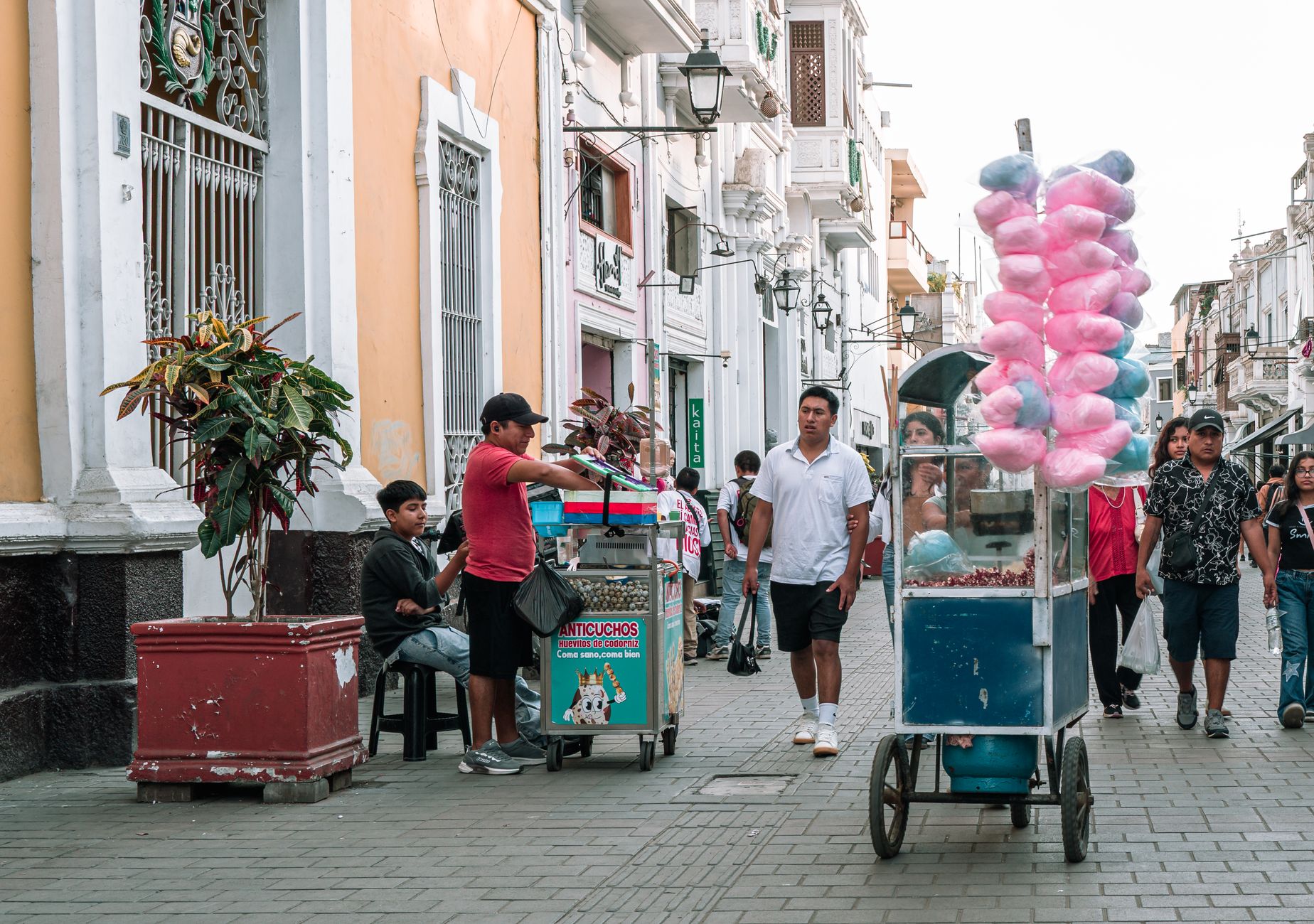
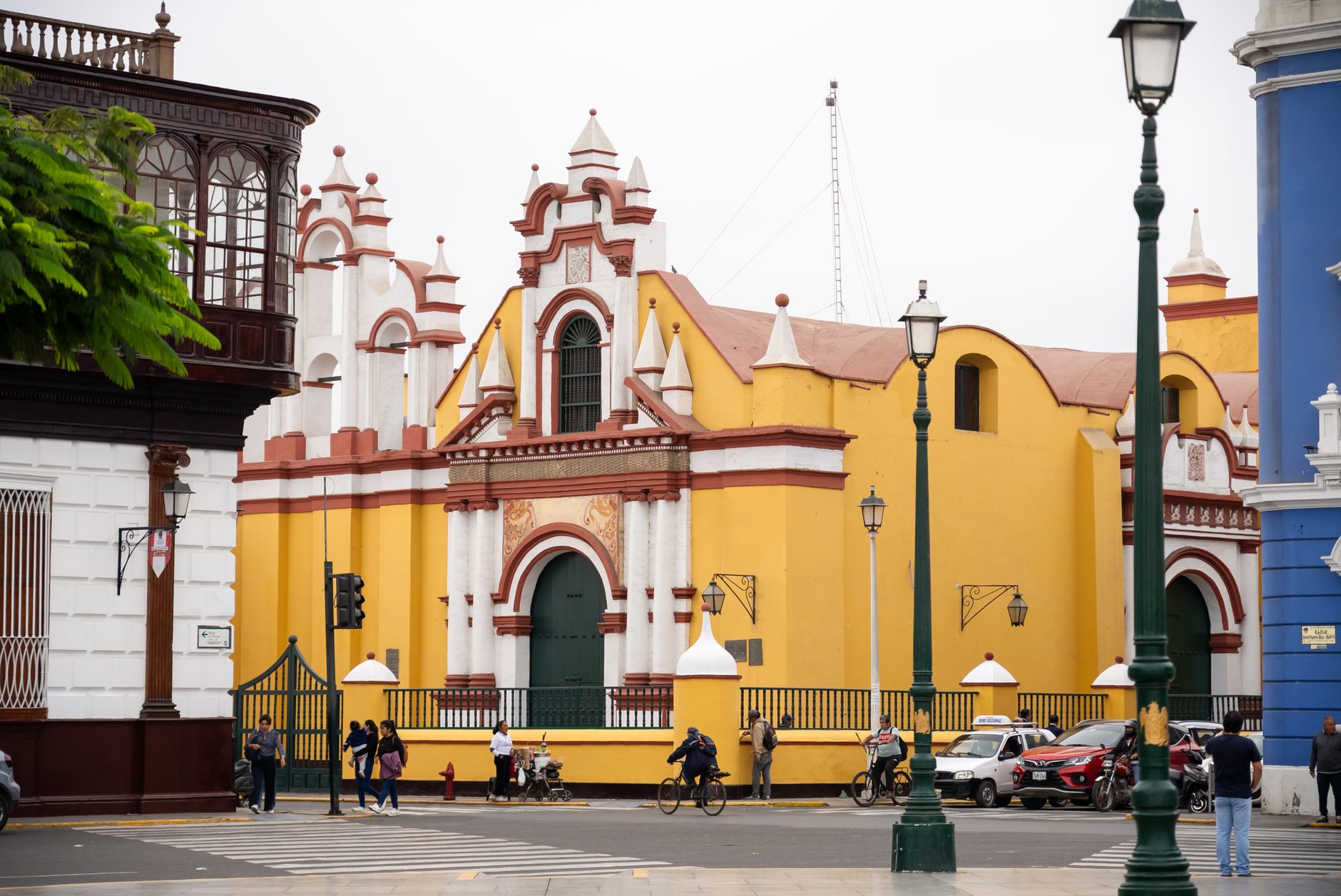
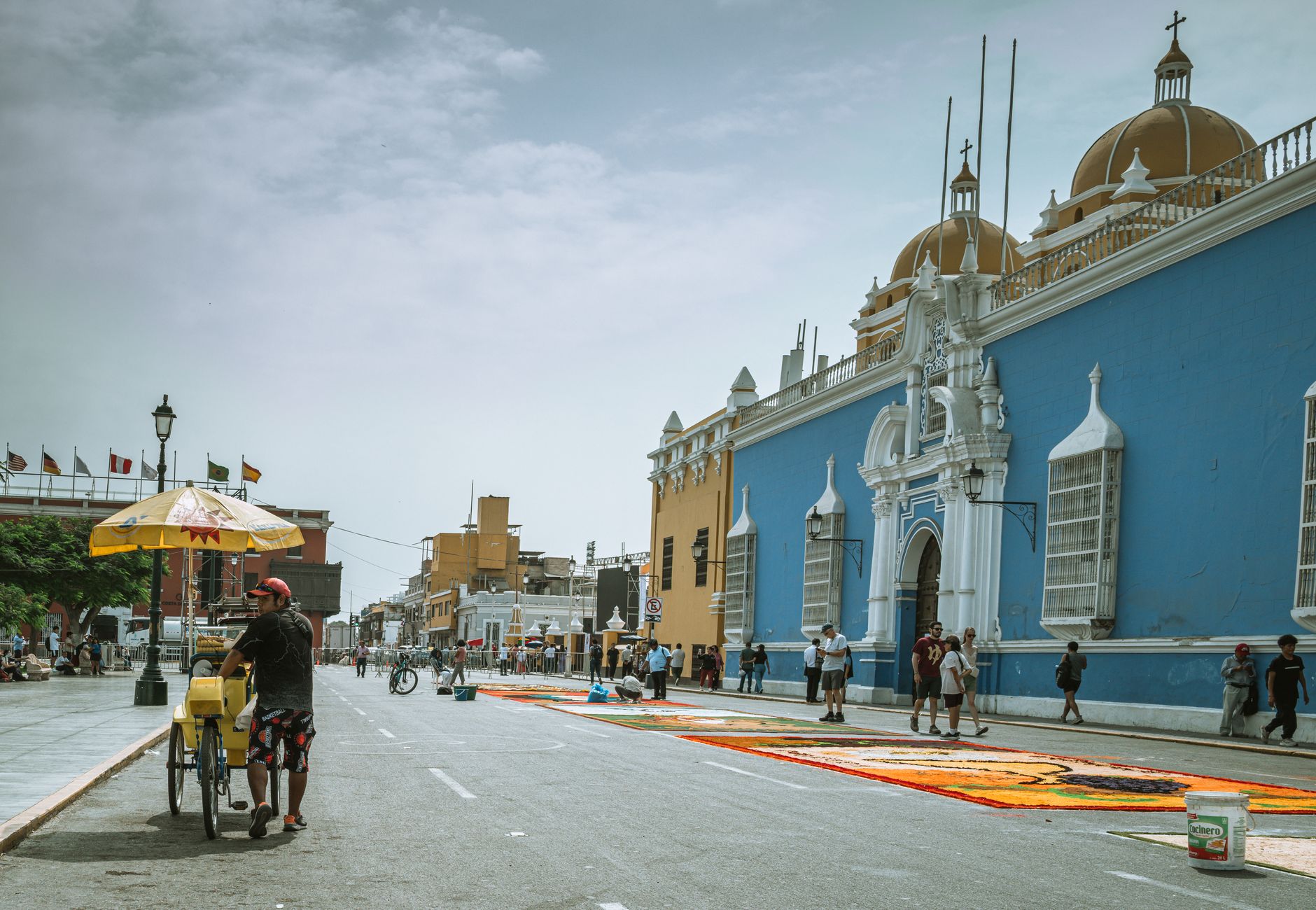
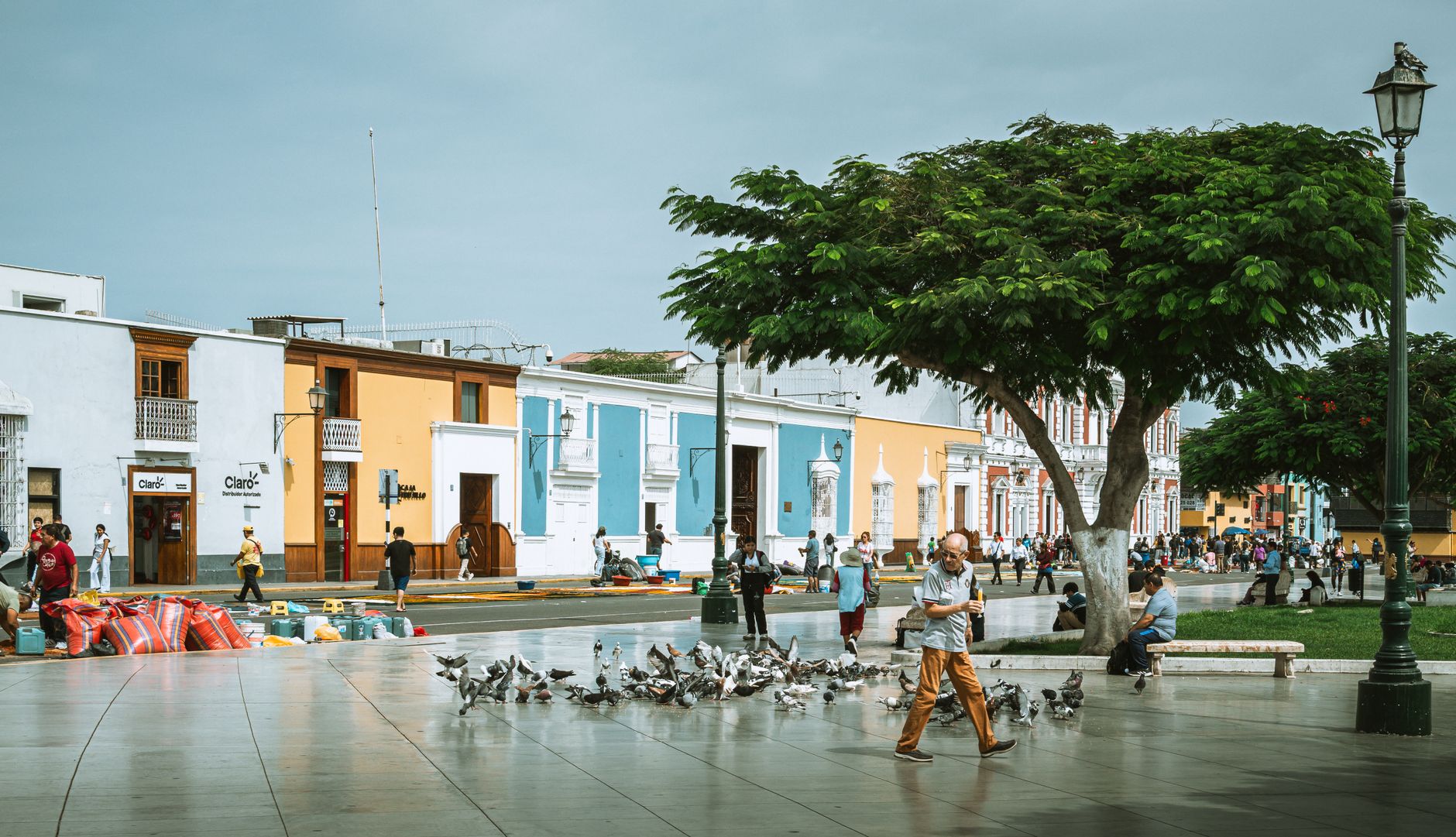
Trujillo sits at the end of the coastal highway, where the Caribbean opens wide and the bluff above town still holds a Spanish fort that has been watching the bay since around 1550. Columbus made landfall somewhere along this stretch of coast in 1502 — his fourth and final voyage — and the town itself was formally founded in 1525, making it one of the oldest continuously inhabited European settlements in the Americas.
Today it's a small city of roughly 22,000 people, the capital of the department of Colón, with a working port, a colonial cemetery, long gray-sand beaches, and a lagoon full of birds just east of town. It rewards slow travel and a willingness to follow the history wherever it leads.
How Trujillo came to be
Juan de Medina, acting on orders from Hernán Cortés, founded Trujillo on May 18, 1525, and it became the first capital of the Spanish colonial province of Honduras. The fort on the bluff — Fortaleza de Santa Bárbara — went up around 1550, partly because the bay's exposure made the town a persistent target for pirates; the largest recorded gathering of pirates in the region took place nearby in 1683. Eventually the colonial administration moved the capital inland to Comayagua, and Trujillo settled into a secondary role as a shipping point for gold and silver from the interior.
The town has accumulated stranger chapters since. American filibuster William Walker was executed here and buried in the old colonial cemetery. O. Henry spent roughly a year in Trujillo in the 1890s, later fictionalizing it as "Coralio" in the imaginary republic of "Anchuria." The president of Honduras born here, Porfirio Lobo Sosa, is among the more recent names on a very long list.
Who and what shaped it
People who shaped it
Landmark buildings
See Trujillo in motion
Plan your visit
On the map
When to go
Temperatures along this stretch of Caribbean coast run warm year-round — daytime highs between 27°C in January and 32°C in June, with nights cooling to around 22°C. October is the wettest month by a wide margin, with nearly 300 mm of rain across roughly three weeks; if you want dry days and manageable heat, January through April is the more reliable window.
Right now
Background & history adapted from Wikipedia (CC BY-SA) · specs from Wikidata (CC0) · weather from Open-Meteo · map data © OpenStreetMap contributors · photos from Wikimedia Commons / Unsplash with per-image credit. No third-party reviews or social posts reproduced.