
Troodos Mountains
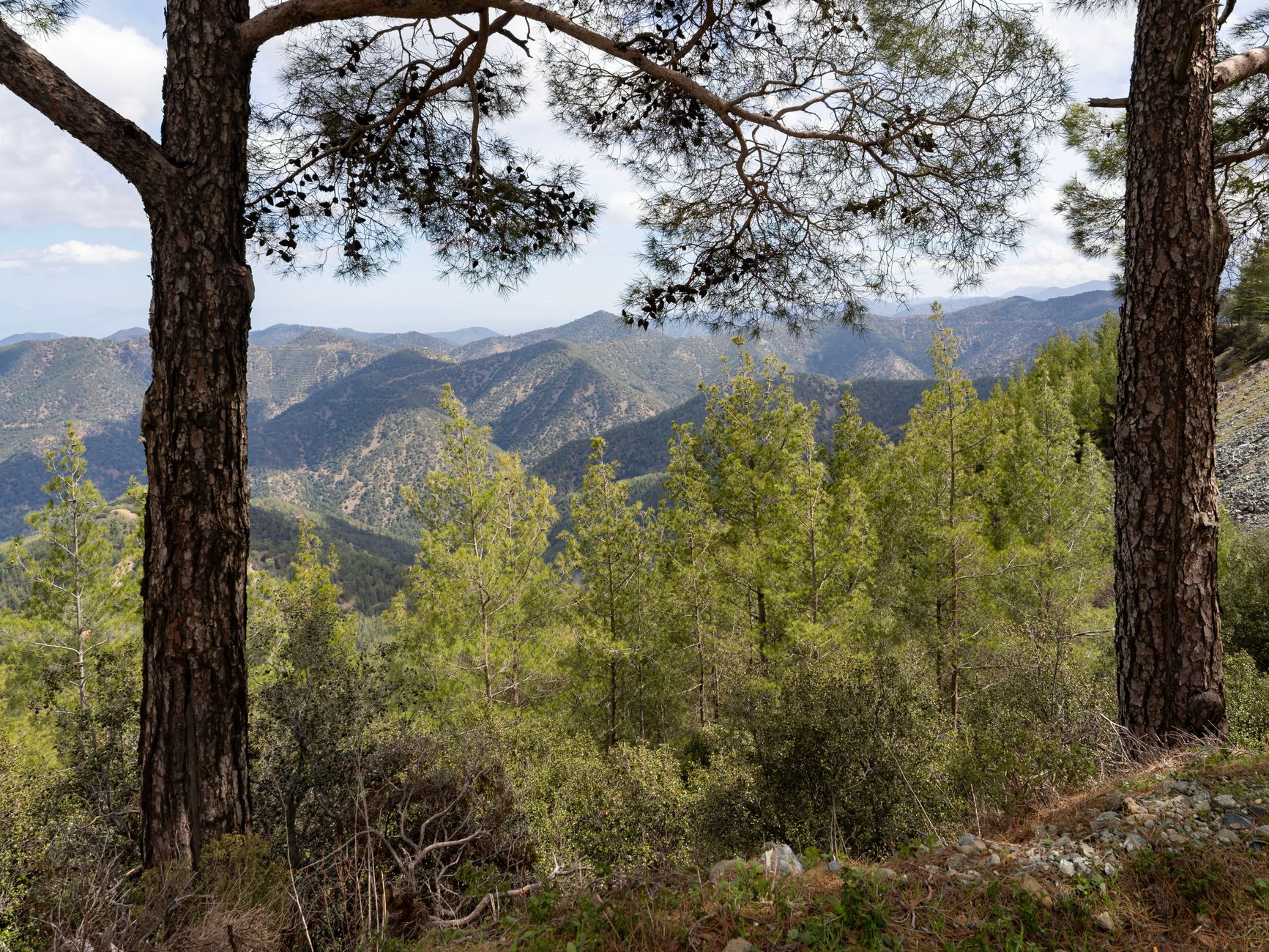
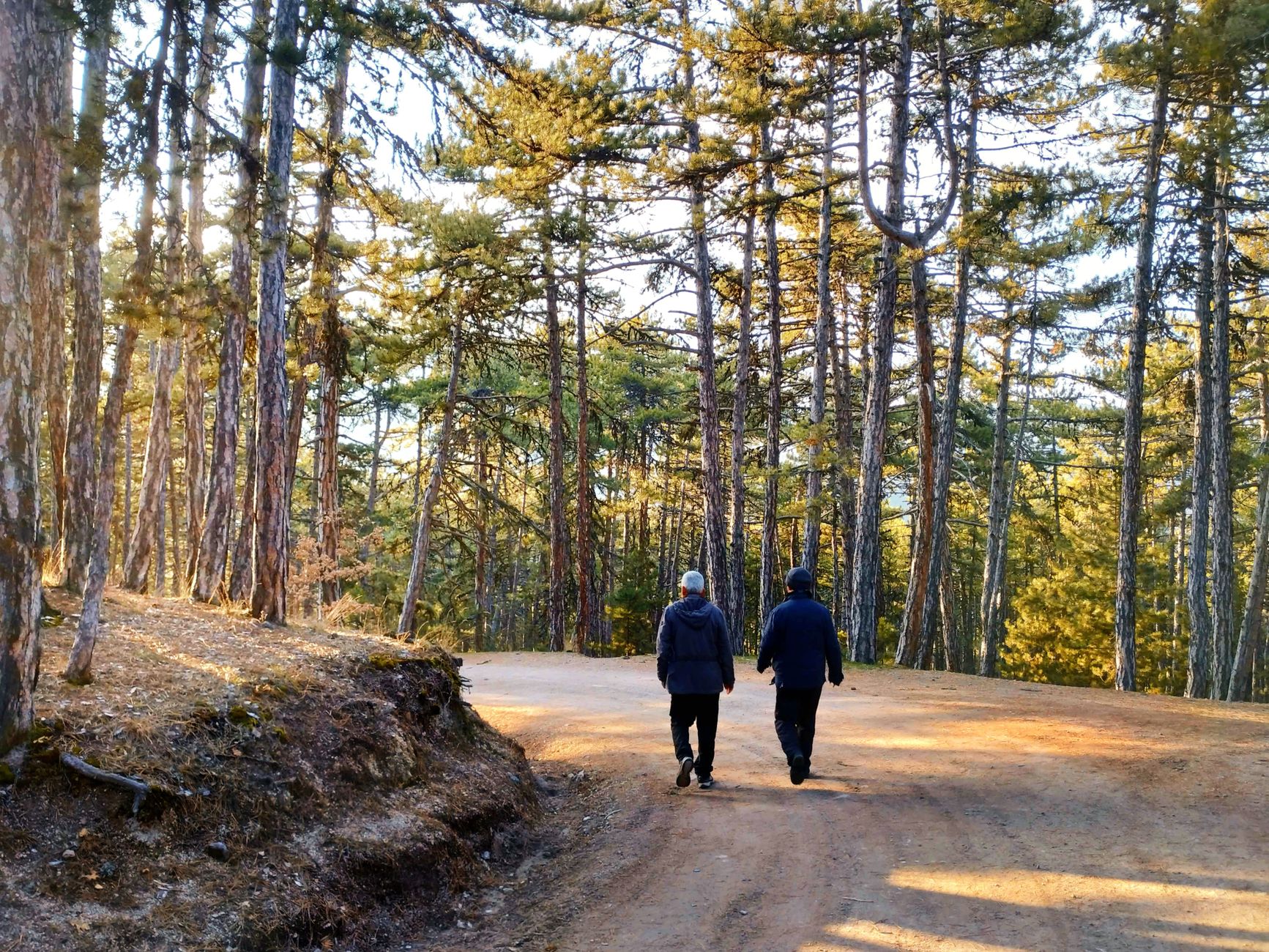
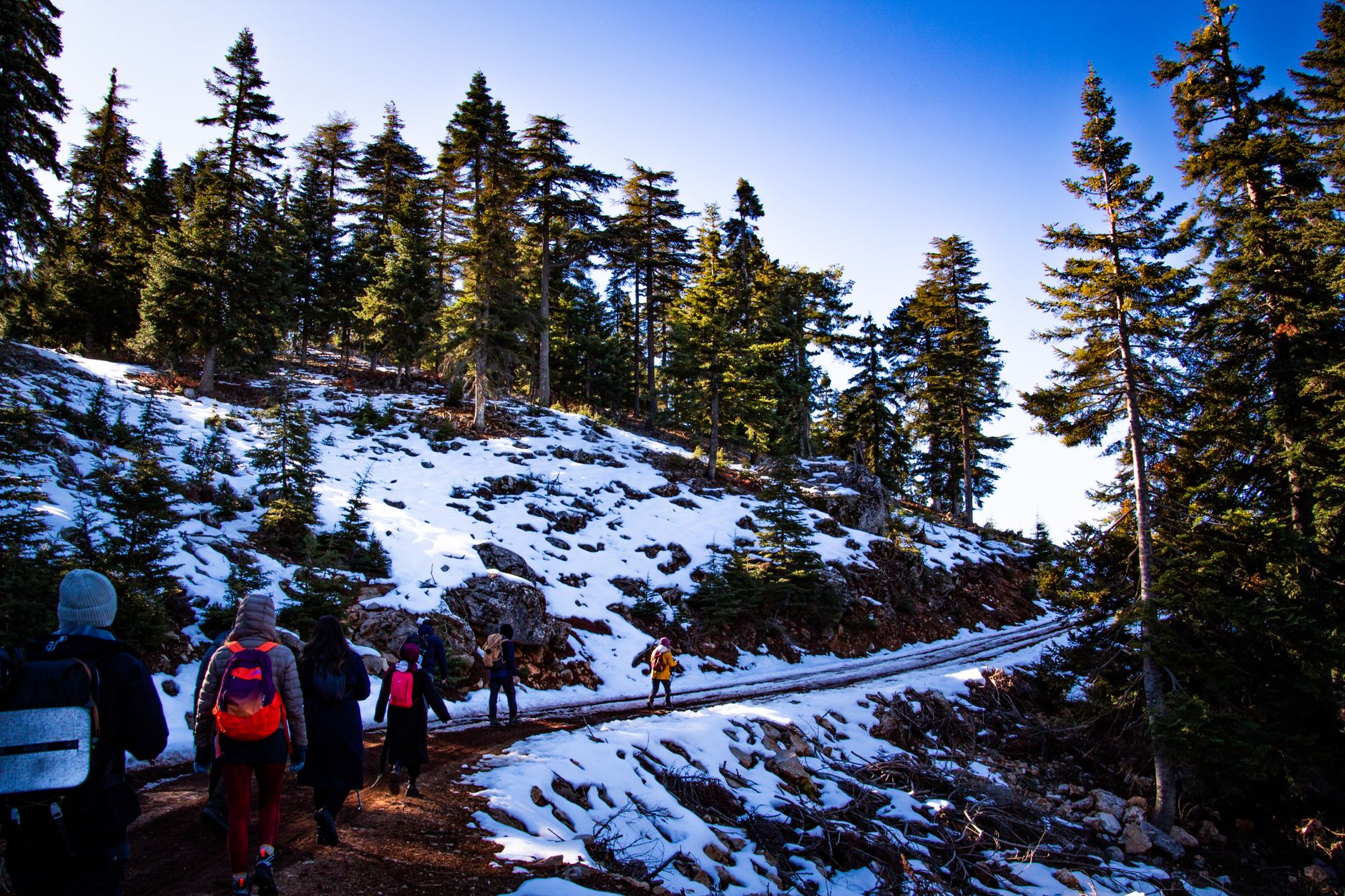
Cyprus keeps a secret in plain sight: drive an hour inland from any coast and the island's flat, sun-bleached edges give way to a mountain range that tops out at 1,952 metres, carries snow in winter, and shelters a density of Byzantine frescoes that would be remarkable anywhere in the world. The Troodos is old in the way that matters — its rock is ancient ocean floor, thrust upward and exposed, and the copper pulled from these slopes fed Mediterranean civilisations for centuries.
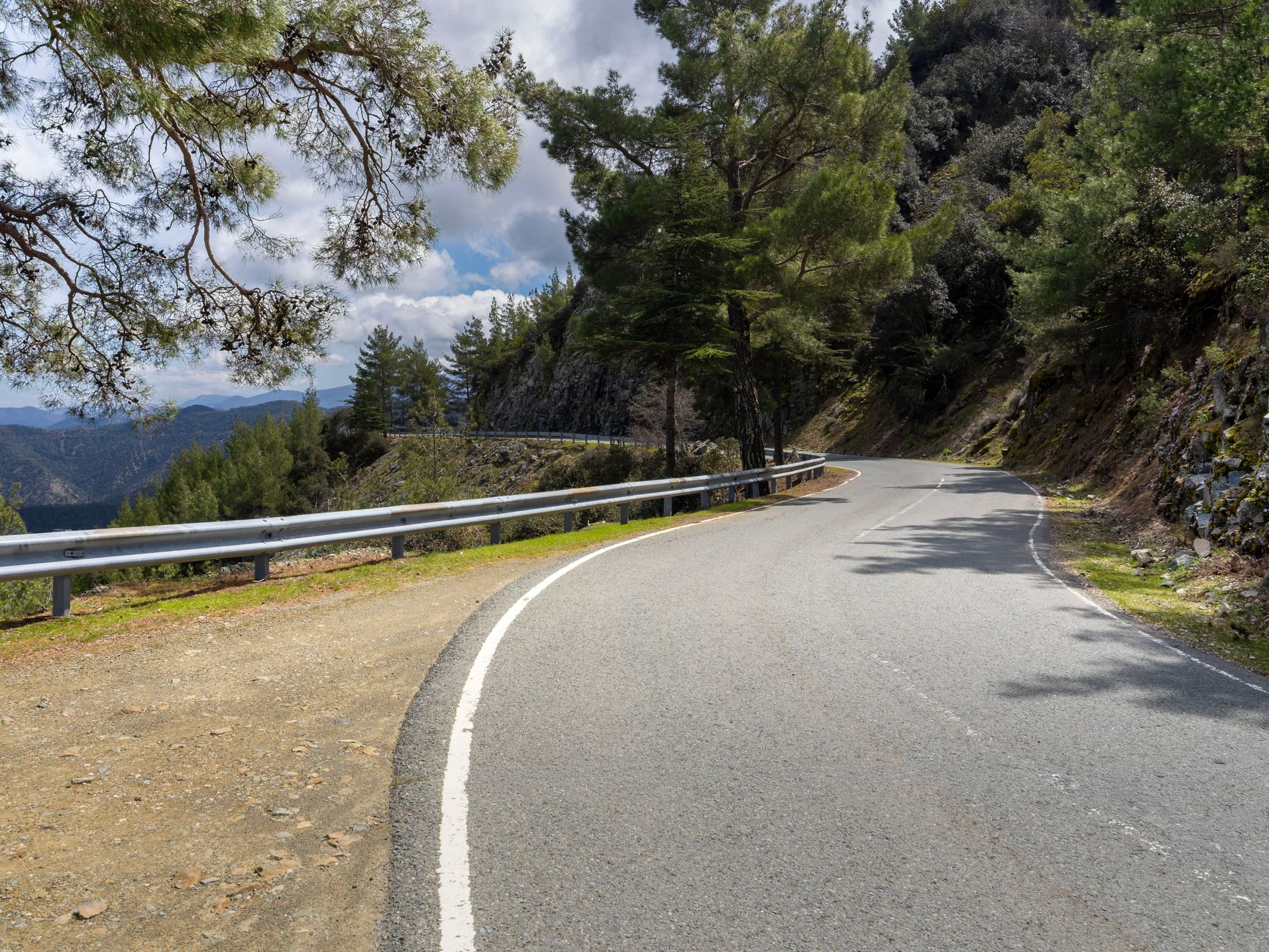
Today the range divides into distinct moods depending on where you point the car. Pine forests and monastery bells in the higher reaches; vine villages and waterfall trails lower down; and, on Mount Olympus itself, the only ski lifts in the eastern Mediterranean.
How Troodos Mountains came to be
The mountains have been useful for as long as people have lived on Cyprus. Ancient mines here produced copper on a scale that supplied much of the Mediterranean — the island's name and the metal's are almost certainly linked. When the Byzantine Empire needed somewhere to shelter its religious culture from coastal raids, monks and patrons turned to the Troodos, endowing it with churches whose painted interiors now form a UNESCO World Heritage Site first inscribed in 1985. Kykkos Monastery, founded around 1100 under Emperor Alexios I Komnenos, is the grandest survivor.
The British arrived later and for different reasons, building summer retreats to escape coastal heat and laying a narrow-gauge railway — 2ft 6in gauge — to connect the copper mines to the coast. The line was never profitable and wound down between 1932 and 1951; the station at Evrychou is one of the few physical traces left. The Cyprus Ski Club followed in 1947, installing the first lifts on Olympus. In 2015 the range's extraordinary geology — its ophiolite sequence helped confirm the theory of seafloor spreading — earned it UNESCO Global Geopark status.
Who and what shaped it
People who shaped it
Landmark buildings
See Troodos Mountains in motion
Plan your visit
On the map
When to go
Summers are cool relative to the coast, rarely exceeding 25°C at elevation, making July and August genuinely comfortable walking weather. From December through February, Olympus and the higher villages receive reliable snowfall; spring brings wildflowers and rushing waterfalls, and autumn strips the forests to copper and gold.
Right now
Background & history adapted from Wikipedia (CC BY-SA) · specs from Wikidata (CC0) · weather from Open-Meteo · map data © OpenStreetMap contributors · photos from Wikimedia Commons / Unsplash with per-image credit. No third-party reviews or social posts reproduced.