
Treasure Beach
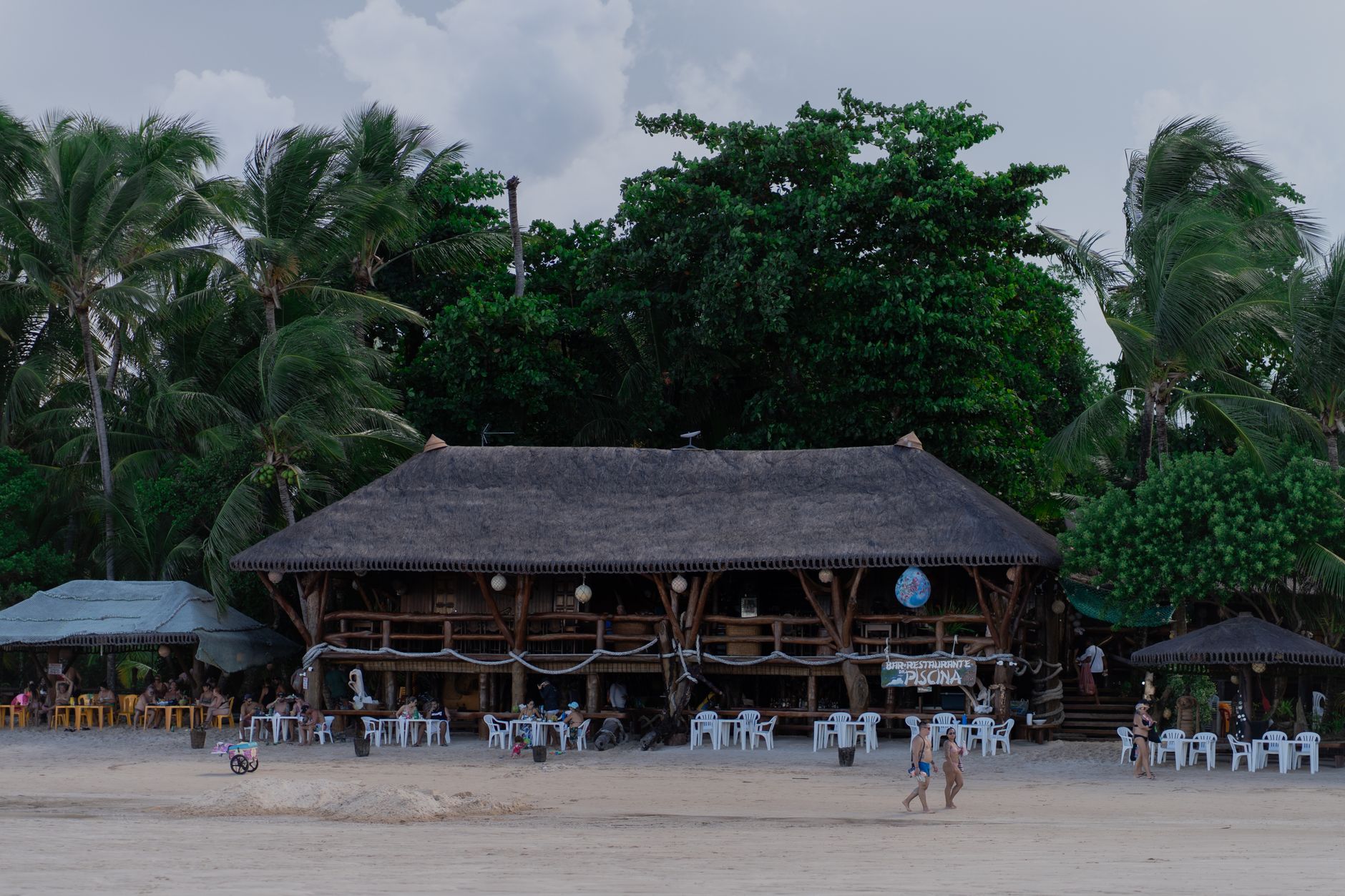
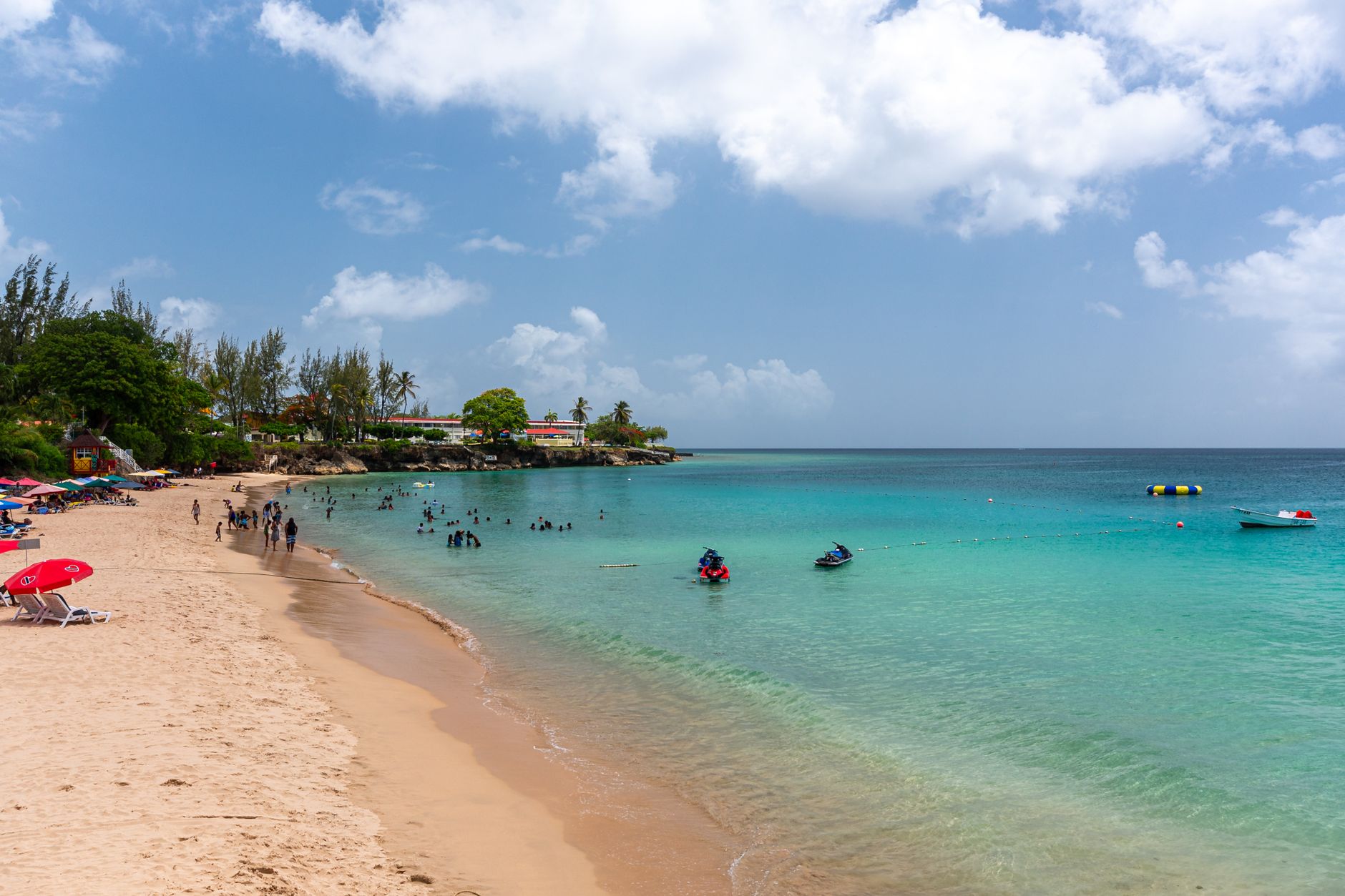
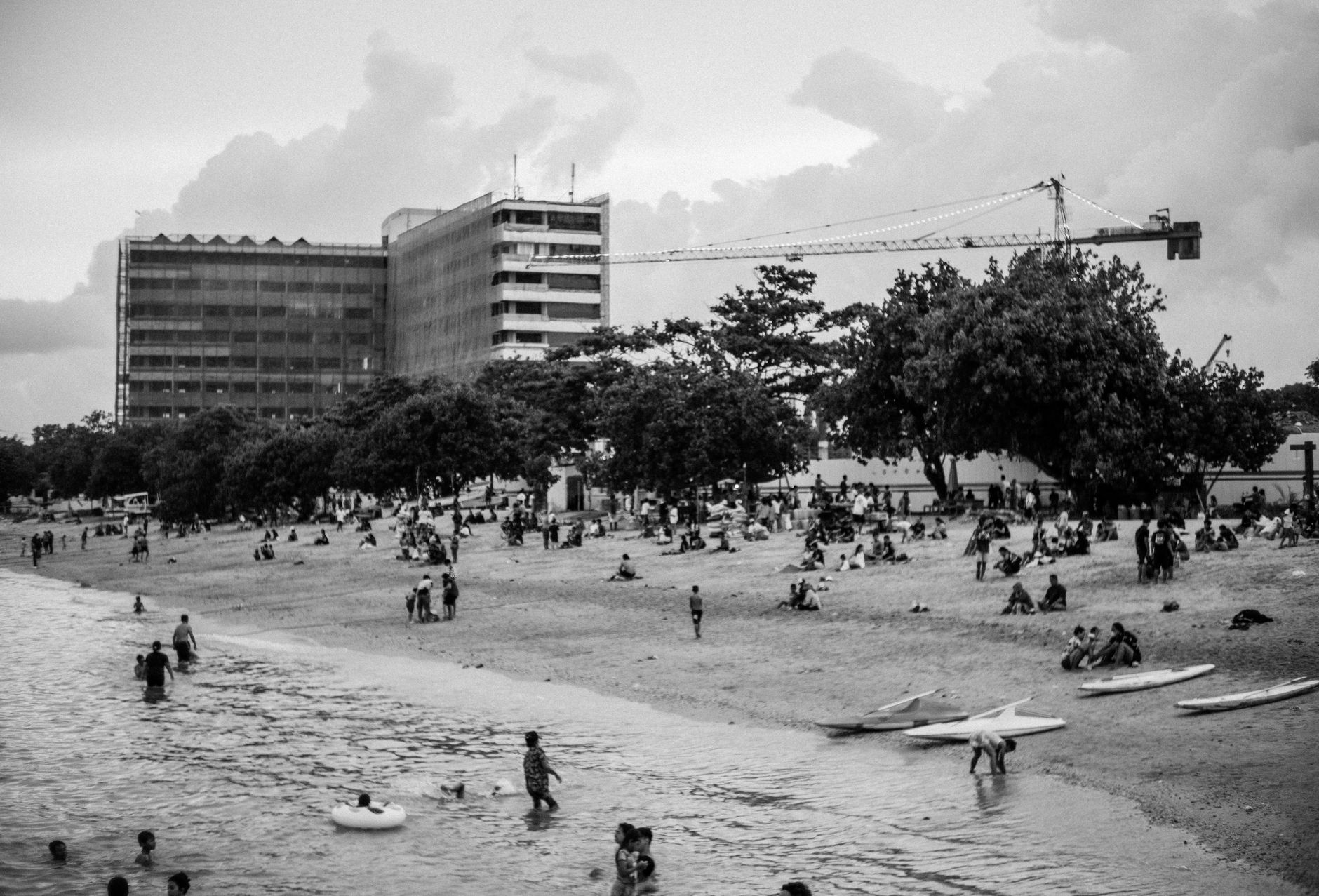
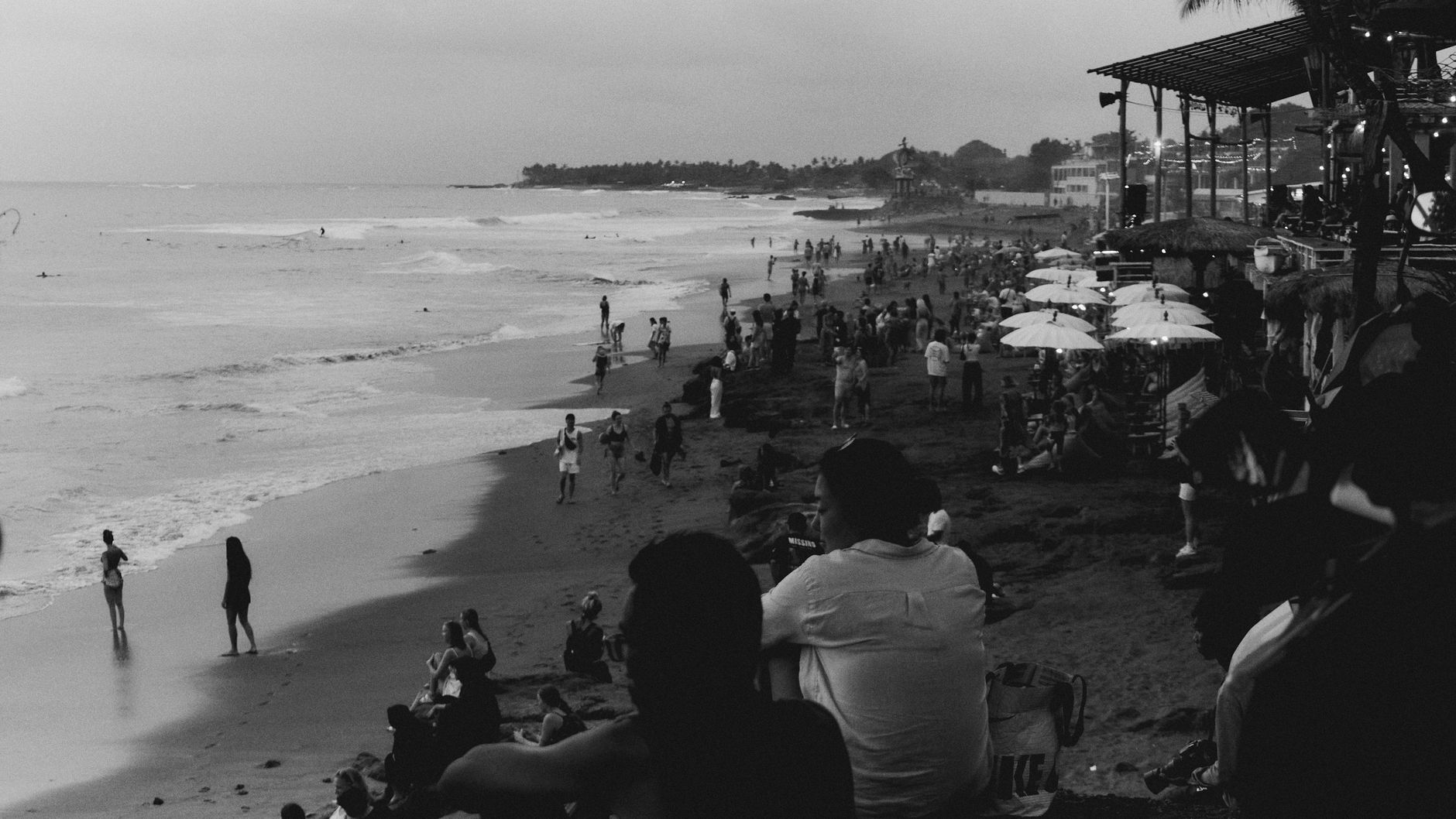
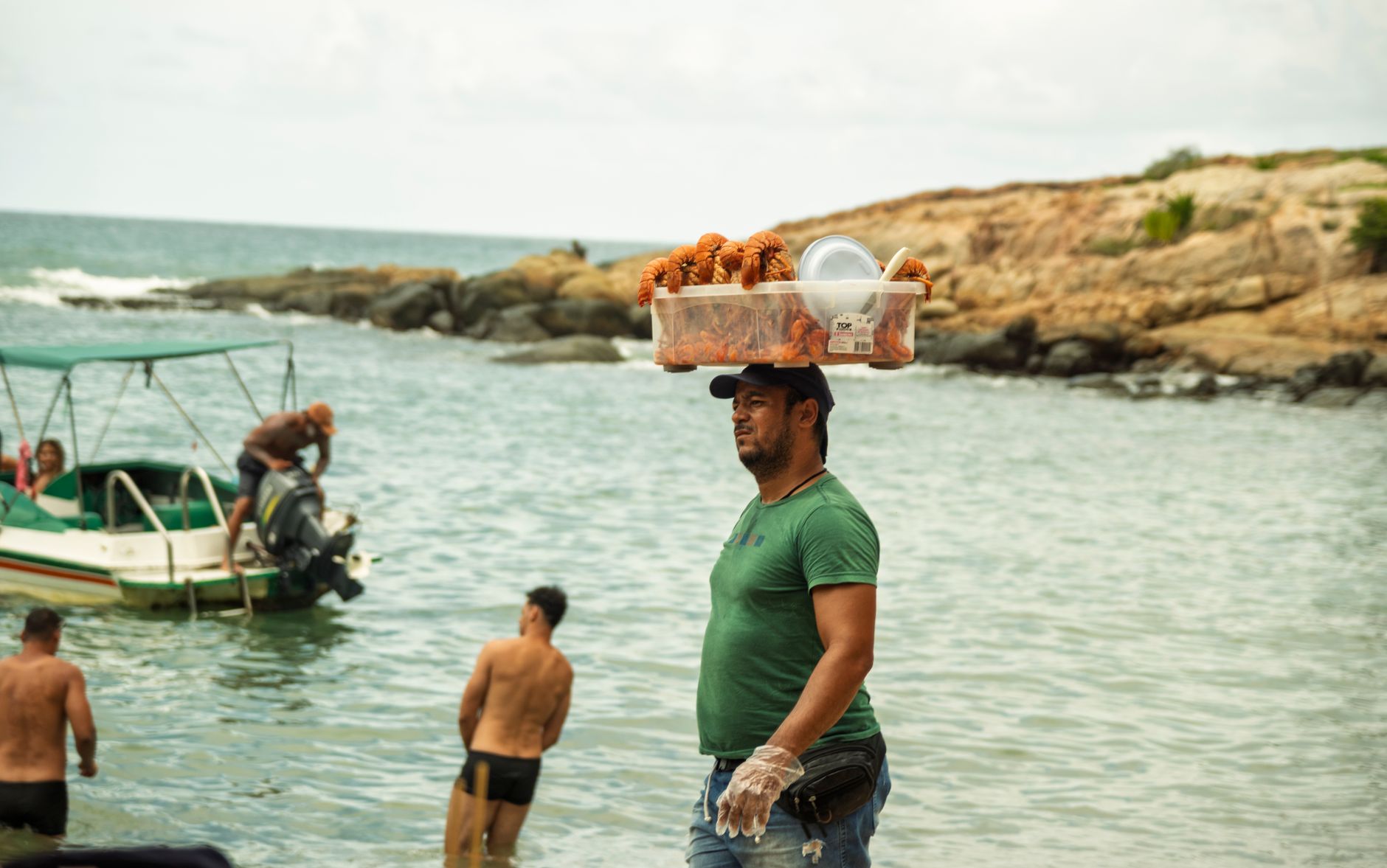
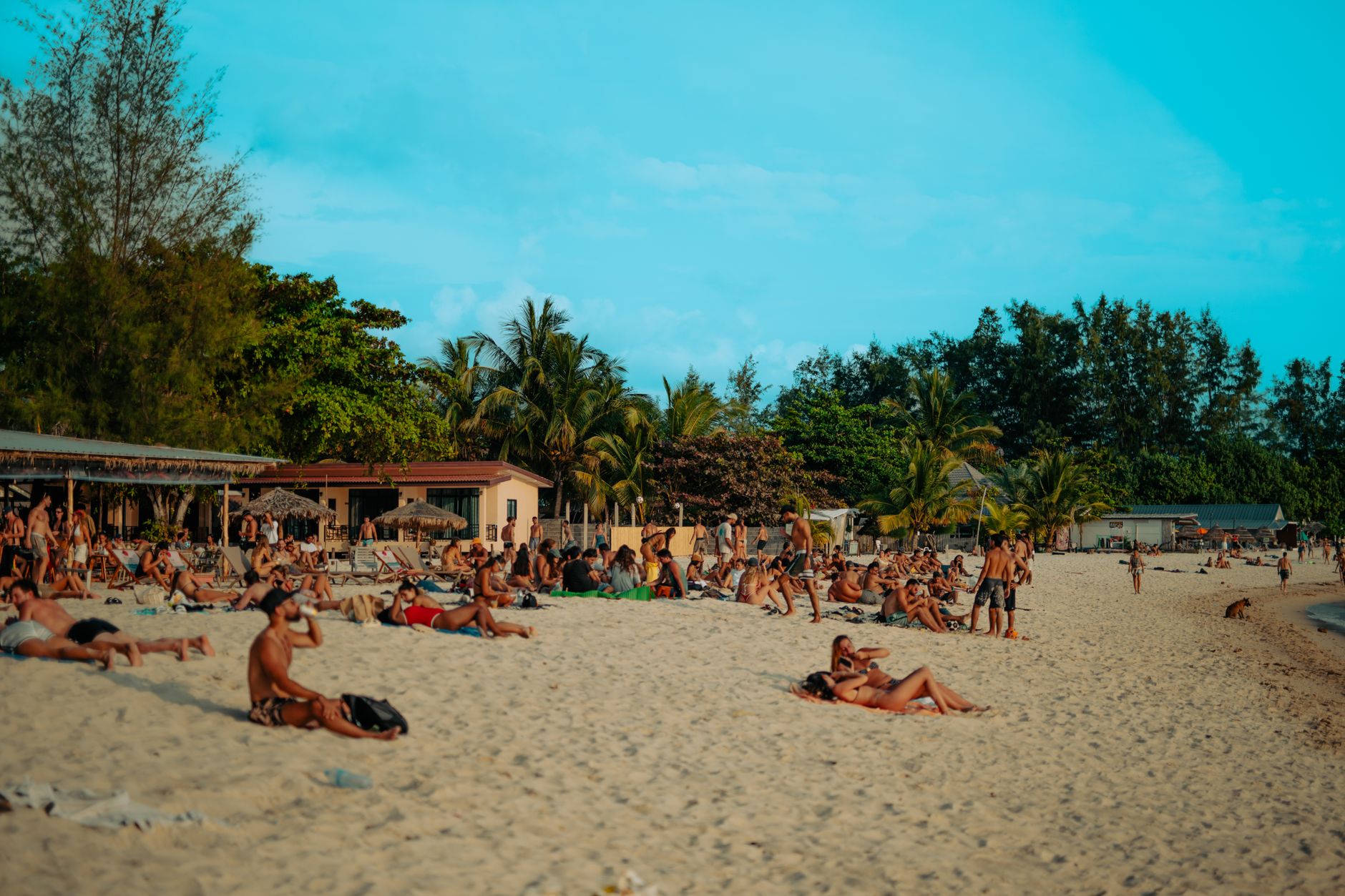
The sand at Calabash Bay runs brown mixed with flecks of black magnetite, and in the early morning you'll find fishermen pulling brightly painted canoes ashore with the night's catch. Treasure Beach is not one beach but five coves strung along Jamaica's dry south coast — Ft Charles, Billy's Bay, Frenchman's Bay, Calabash Bay, and Great Pedro Bay — each with its own character, separated by low headlands and patches of cactus scrub.
Density restrictions have kept large all-inclusive resorts out entirely, so what you get instead is a string of small guesthouses, community-run sports parks, and a bar built from rough timber in the middle of the sea that you can only reach by boat. The south coast moves at a different pace from the north.
💛 What travellers fall for
Regulars tend to arrive with cash — the ATM at Kingfisher Plaza is reliable, but card readers are scarce. They rent a scooter for the coves, eat the catch of the day for around US$10, and make at least one boat trip out to Floyd's Pelican Bar before sunset. Most end up staying longer than planned.
How Treasure Beach came to be
The Taino were living along this coast when Spanish contact arrived in 1494, and a significant community had settled the area well before that. The Scottish thread in local ancestry traces back to a shipwreck around the mid-1600s, when survivors came ashore and stayed — you can still hear the echo of it in the local Patois, a dialect shaped by Scottish, English, and African influences unlike anywhere else on the island. Billy's Bay carries the name of William Rackham, known as Calico Jack, the pirate who left his mark on the area.
The region's name is thought to come from the Treasure Beach Hotel, opened in the 1930s. Serious tourist attention came only about 25 years ago, when Jake's Hotel began drawing visitors who wanted something other than the north coast circuit. Hurricane Beryl struck on July 3, 2024, and caused significant damage to the villages.
Who and what shaped it
People who shaped it
Landmark buildings
See Treasure Beach in motion
Plan your visit
On the map
When to go
The Santa Cruz Mountains block most of the rain clouds that drench the north coast, leaving Treasure Beach drier than almost anywhere else in Jamaica — cacti and acacia grow where you'd expect jungle. The dry season runs December through April, with January seeing as little as 16mm of rain; if you come in late November you'll find warm temperatures around 80°F and fewer visitors.
Right now
Background & history adapted from Wikipedia (CC BY-SA) · specs from Wikidata (CC0) · weather from Open-Meteo · map data © OpenStreetMap contributors · photos from Wikimedia Commons / Unsplash with per-image credit. No third-party reviews or social posts reproduced.