
Trabzon
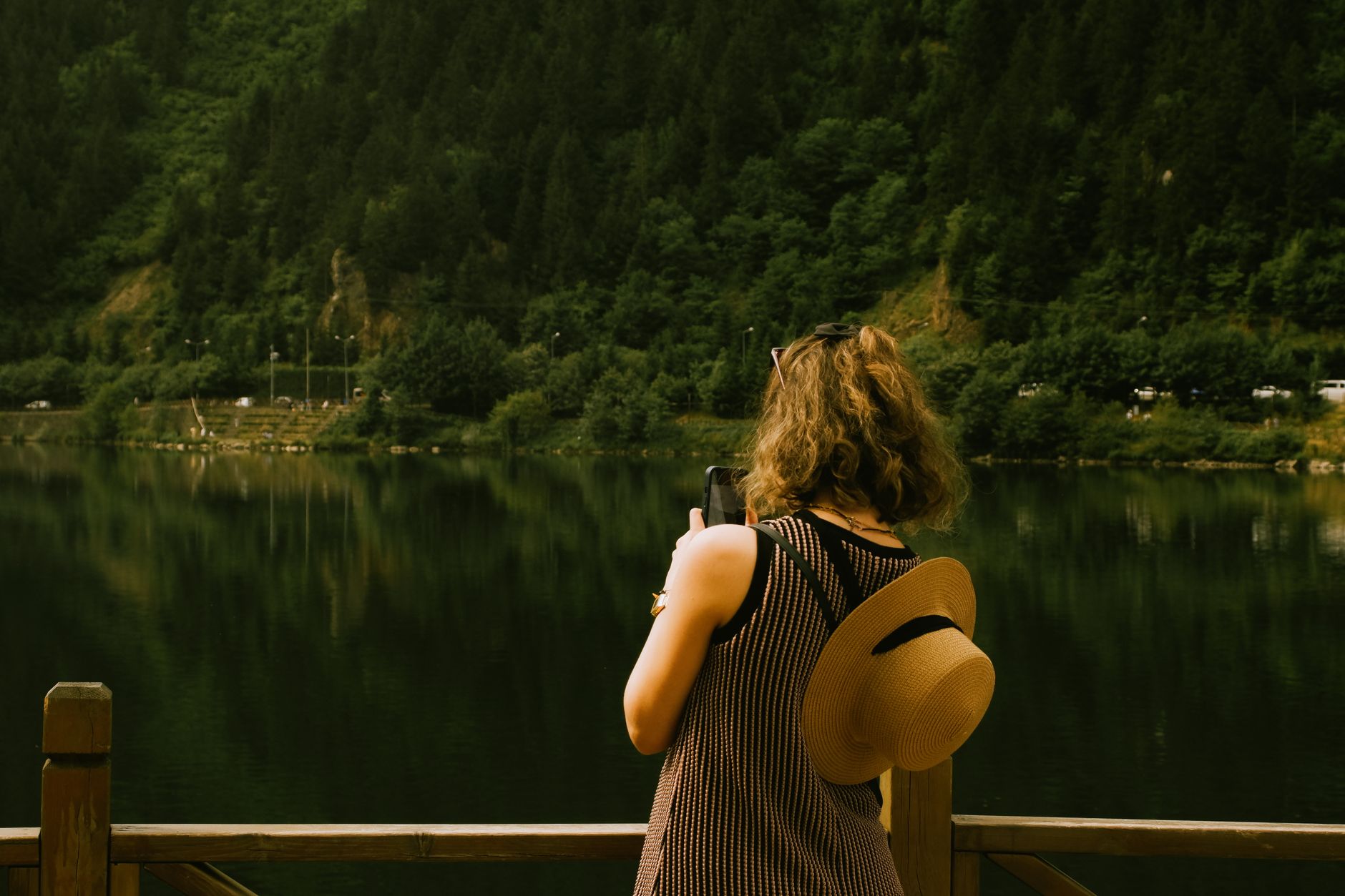
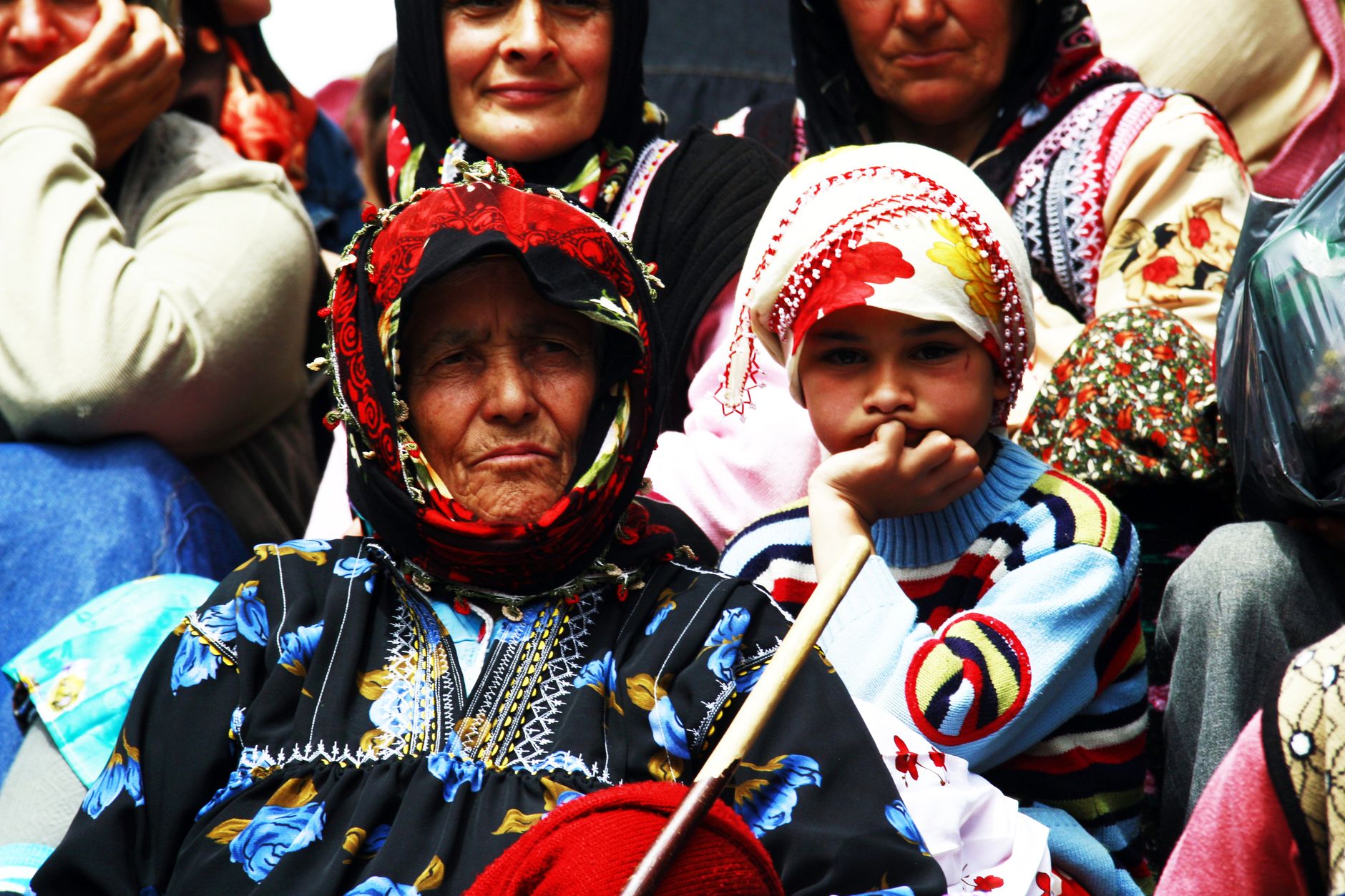
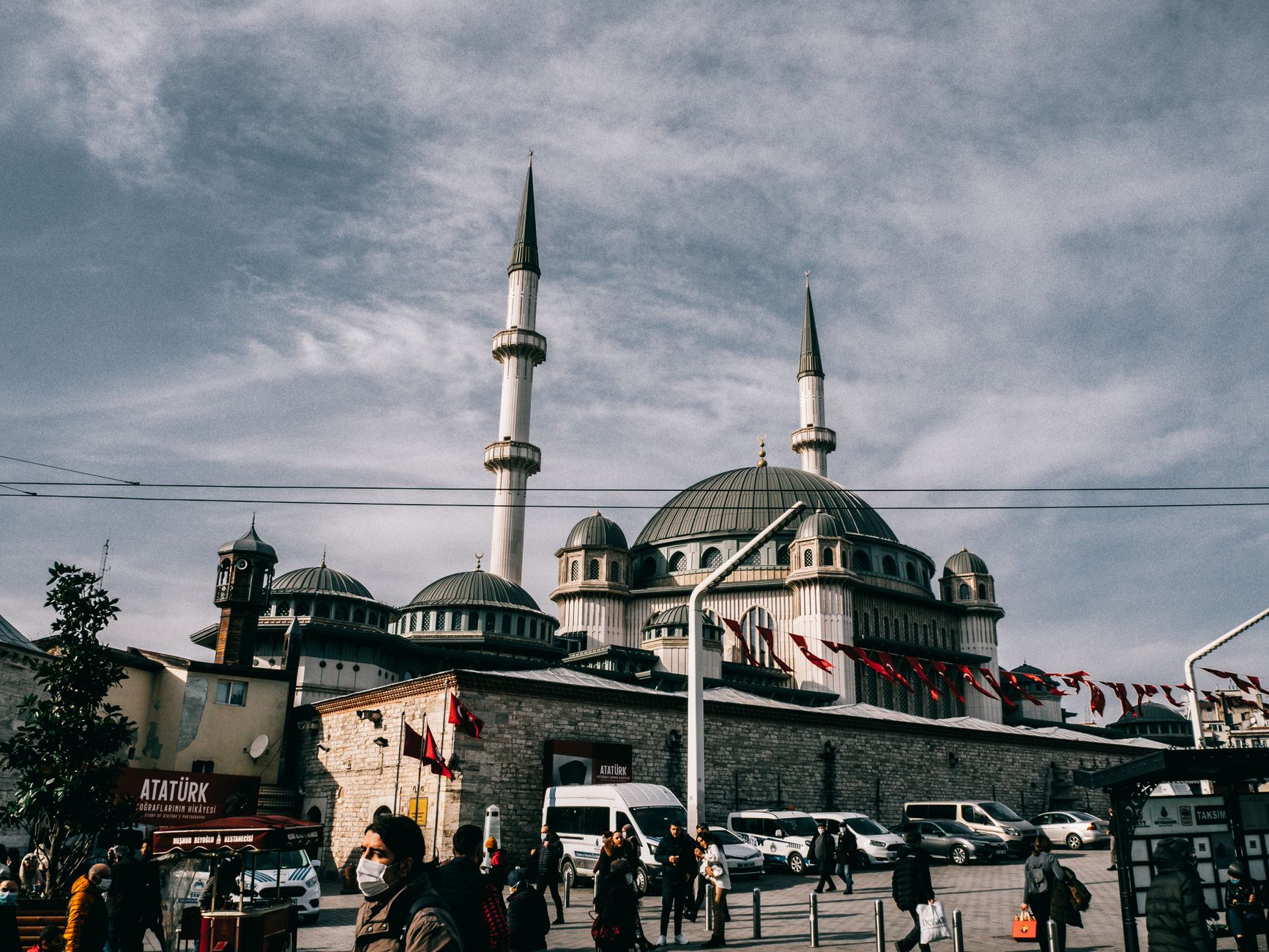
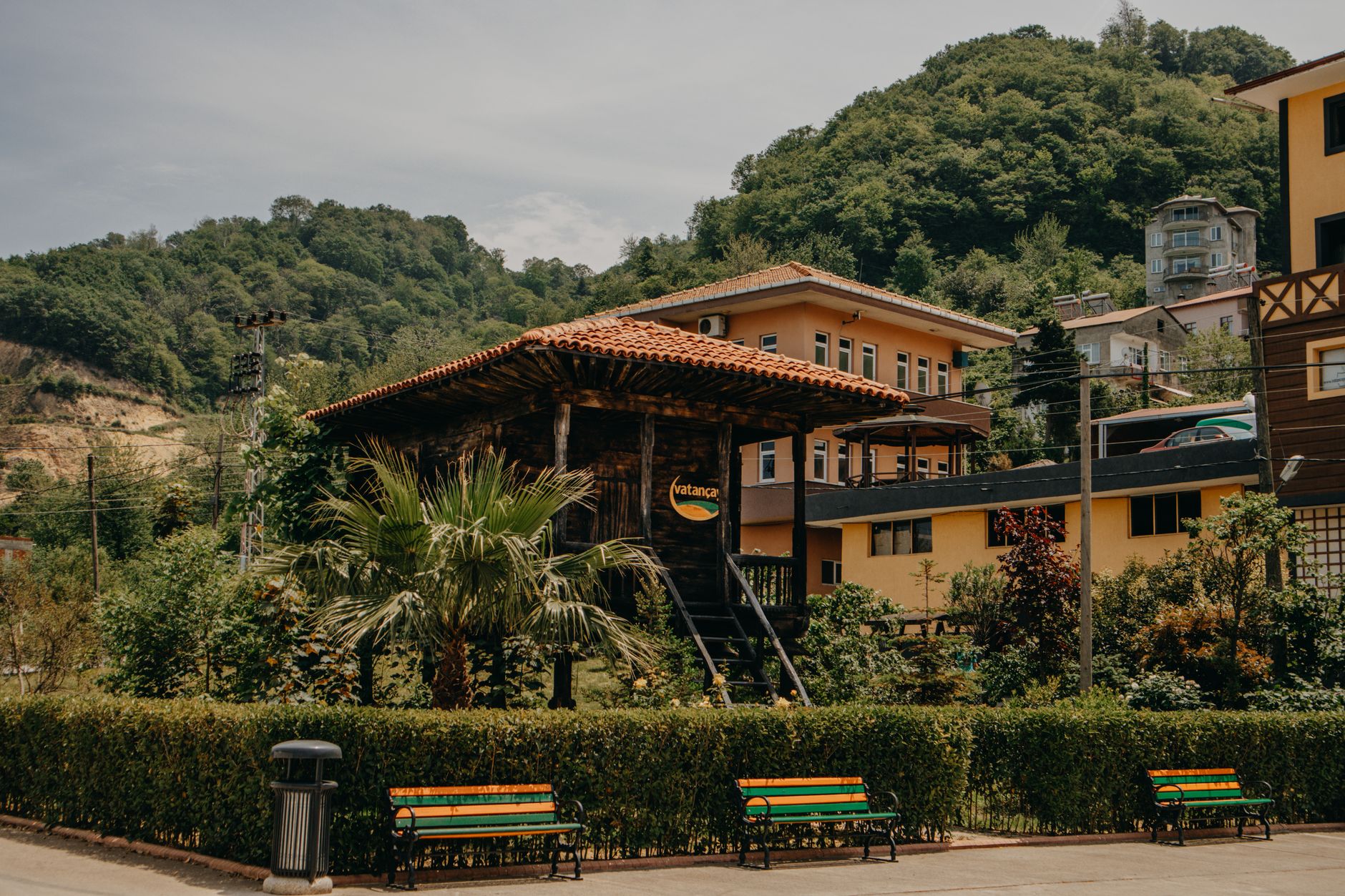
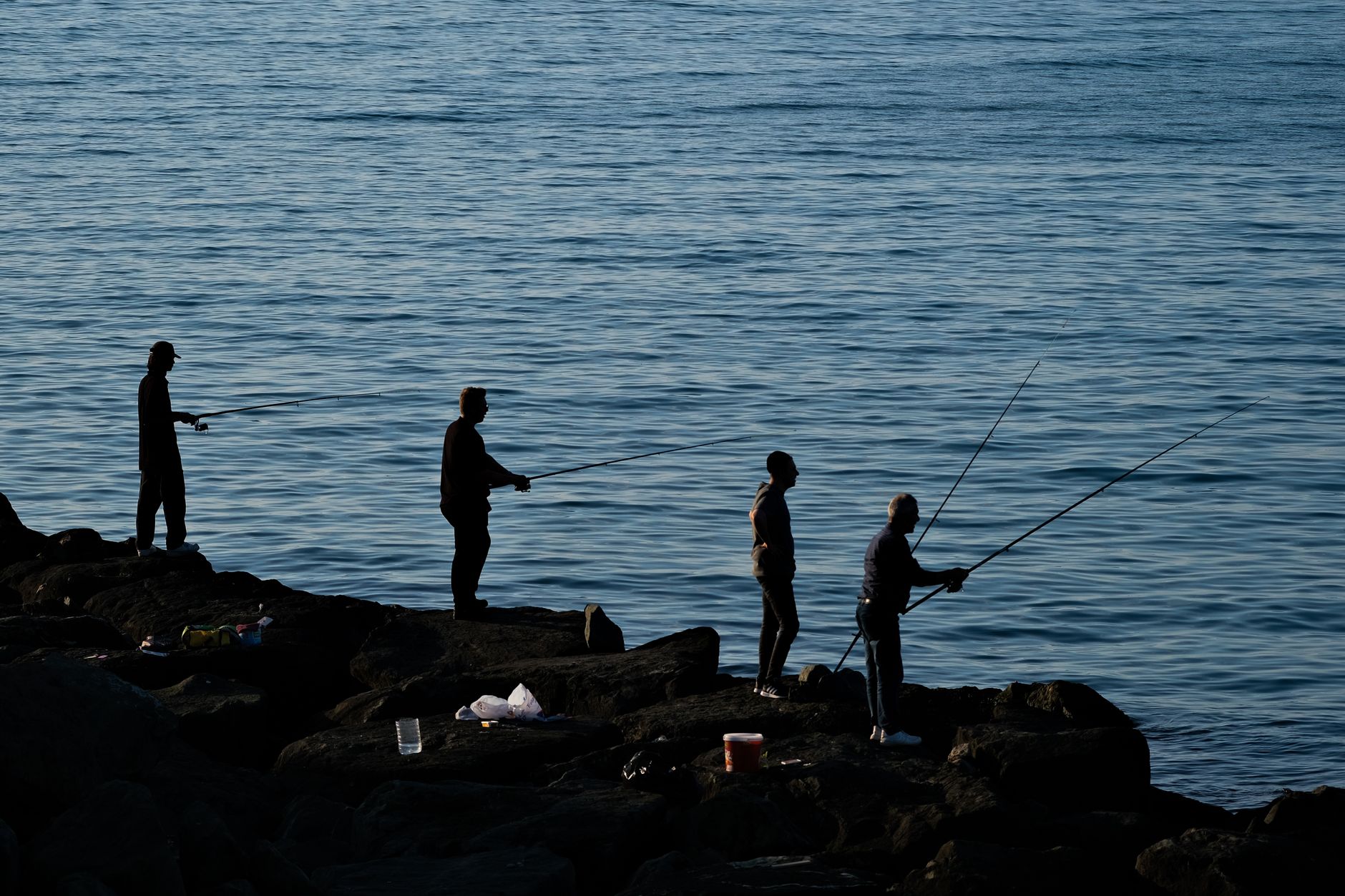
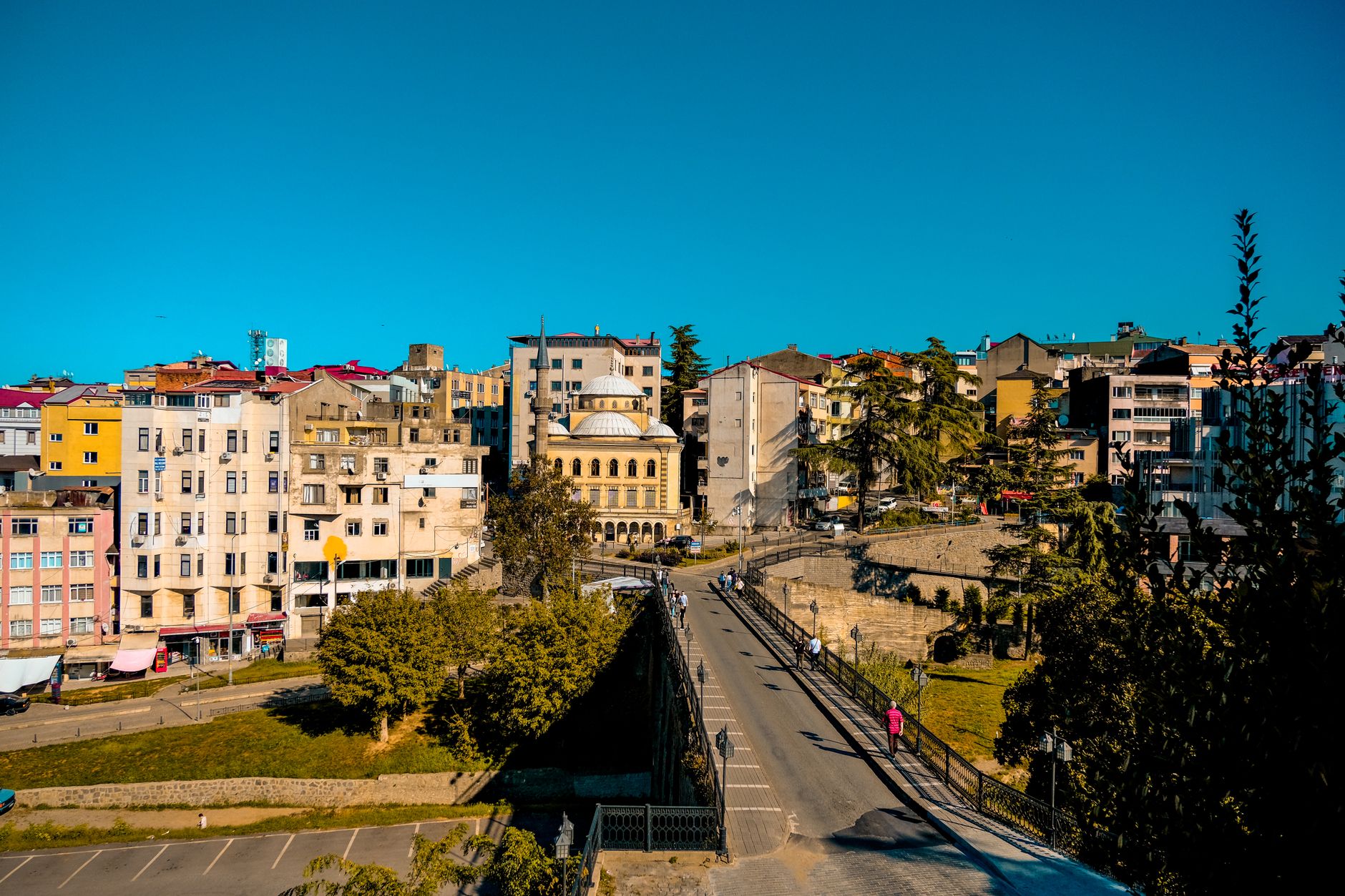
Trabzon sits where the Black Sea meets the Pontic Mountains — a city that has spent nearly three thousand years at the edge of empires. The cliff monastery of Sumela, clinging to rock above a forested valley, is the image most people carry away. But the city itself rewards slower attention: a 13th-century domed basilica with frescoes that absorbed Byzantine, Georgian, and Seljuk influences all at once, a hilltop park where you can watch the whole city slope toward grey-green water, and streets that feel genuinely lived in rather than arranged for visitors.
For Turkey's Black Sea coast, Trabzon is the natural starting point — a working port city with an airport close to the centre and enough of its own history to justify more than a single overnight.
💛 What travellers fall for
People who come back tend to go up to Boztepe in the early evening, when the city's roofline settles into silhouette against the water. They also mention that Sumela is worth a weekday visit — the path up to the monastery entrance is steep enough that crowds make a real difference.
How Trabzon came to be
Greek colonists from Miletus founded Trapezous in 756 BC on a natural terrace above the sea — the name itself likely derives from the Greek word for table. The city passed through Achaemenid and Pontic hands before Rome absorbed it in 68 BC, and it remained part of the Roman and then Byzantine world for centuries.
Its most singular chapter came after the Fourth Crusade shattered Constantinople in 1204. Trebizond became the capital of its own successor empire — the Empire of Trebizond — and held that status for more than two and a half centuries, until Mehmed II added it to the Ottoman realm in 1461. Mehmed himself had been born in Trabzon Castle in 1432, as had Suleiman the Magnificent, which gives the city an unusual double claim on Ottoman history.
Who and what shaped it
People who shaped it
Landmark buildings
See Trabzon in motion
Plan your visit
On the map
When to go
Summers are warm rather than hot — July and August sit between 20°C and 25°C — but rain arrives even in the driest months, and October and November are genuinely wet. Winters are mild by Turkish standards, rarely dropping far below 7°C, though grey skies are the norm from late autumn onward.
Right now
Background & history adapted from Wikipedia (CC BY-SA) · specs from Wikidata (CC0) · weather from Open-Meteo · map data © OpenStreetMap contributors · photos from Wikimedia Commons / Unsplash with per-image credit. No third-party reviews or social posts reproduced.