
Tlalpan
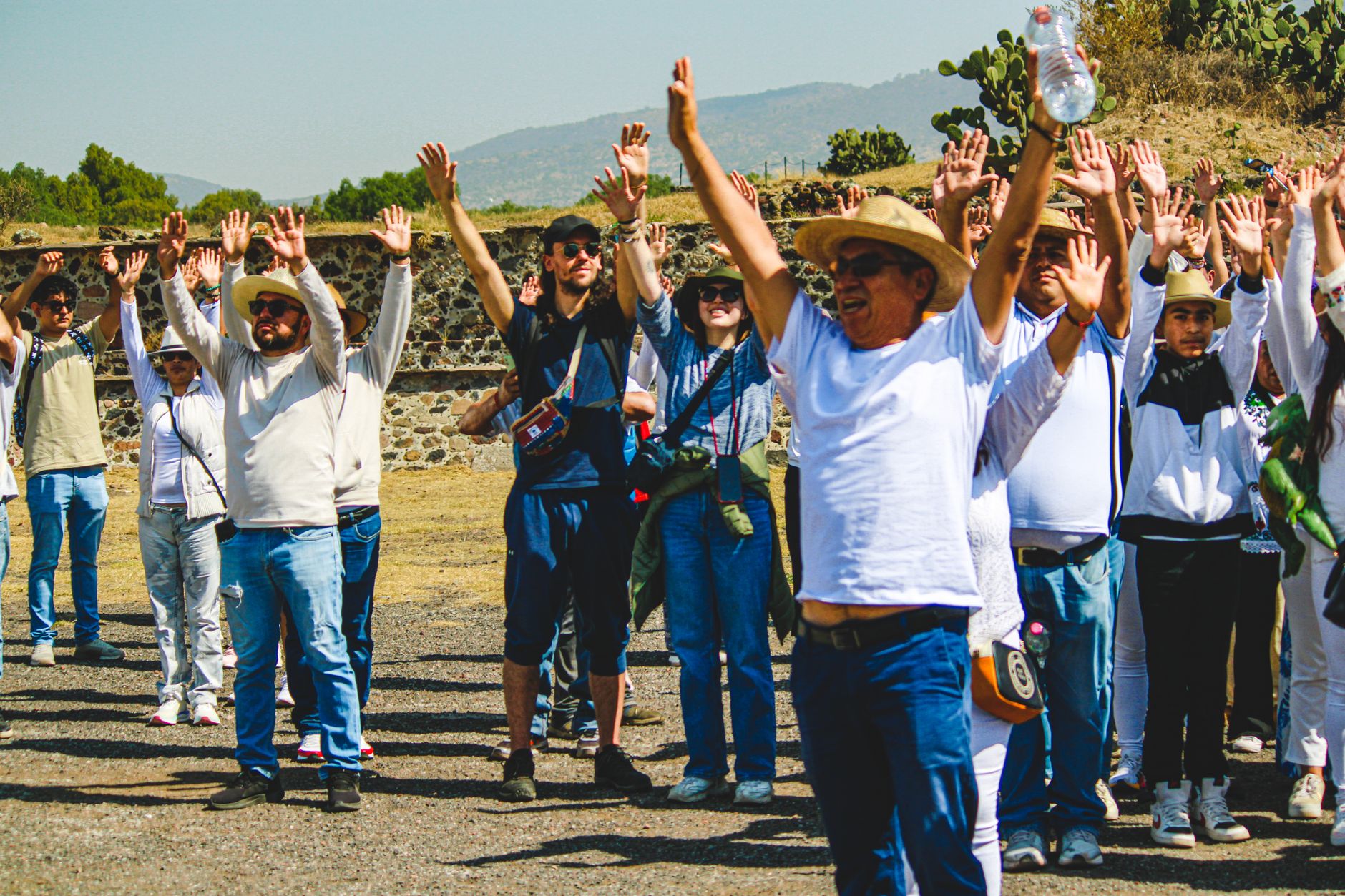

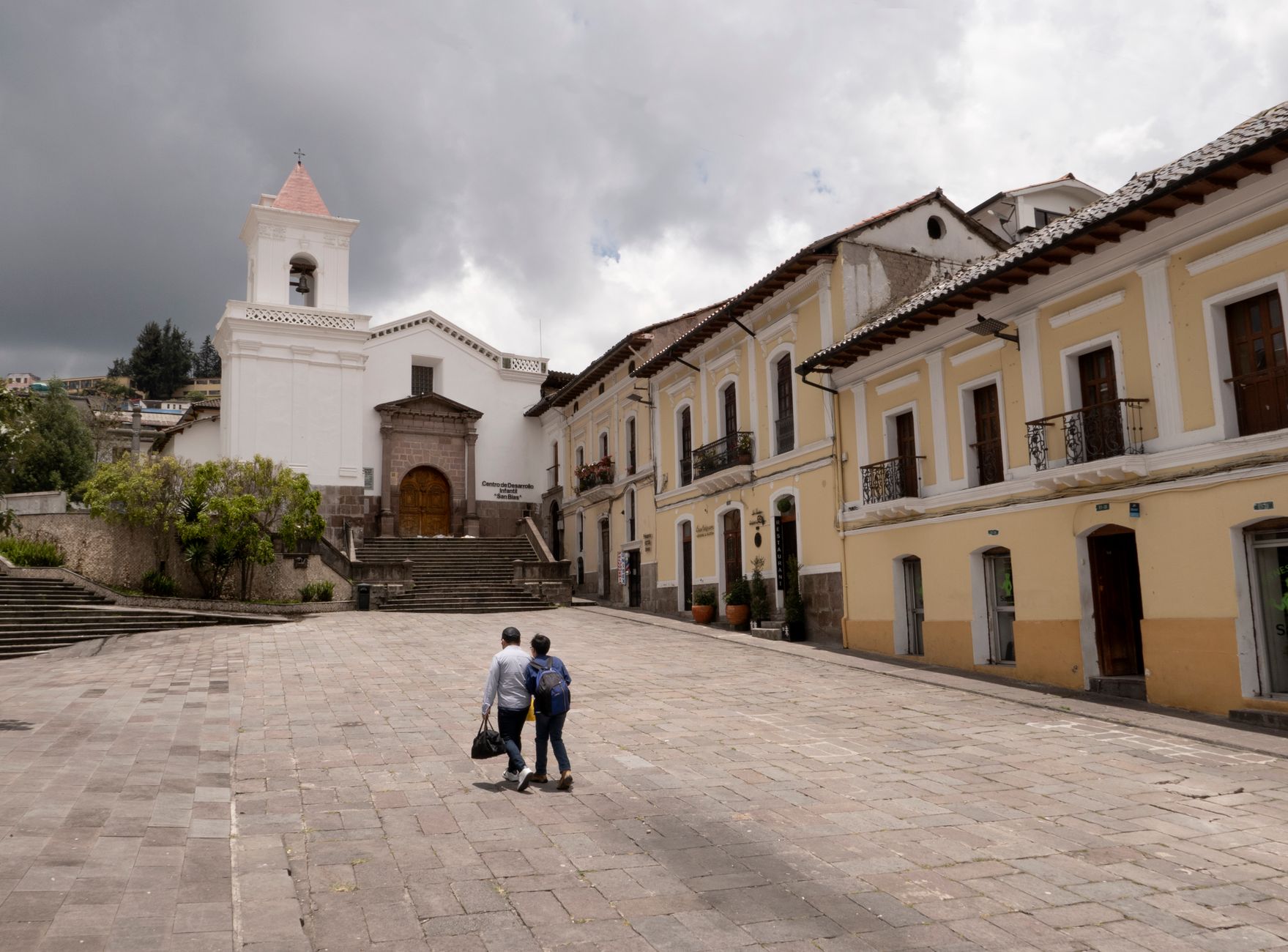
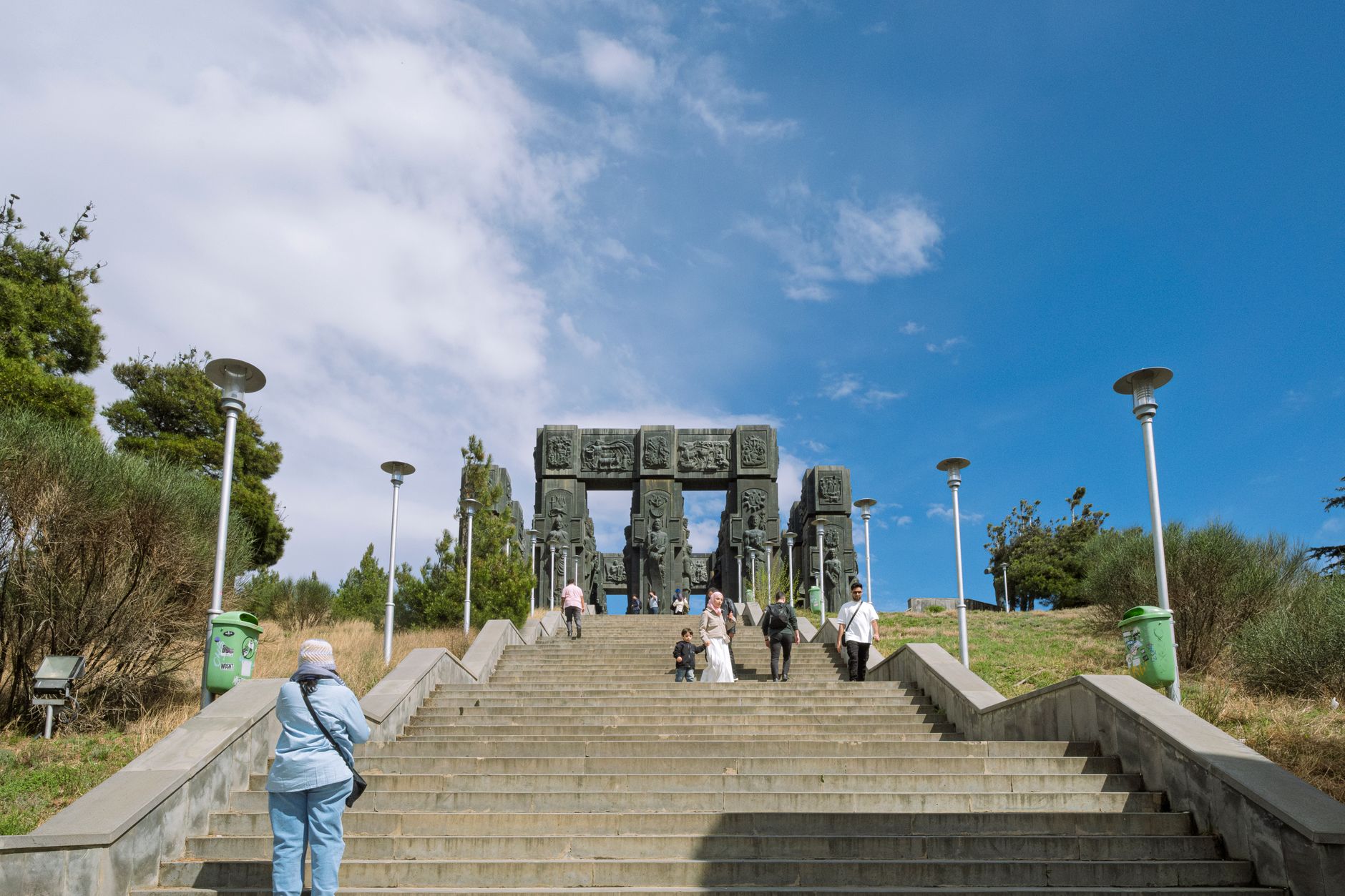

The name comes from Náhuatl — 'on top of the earth' — and there is something apt about that. Tlalpan sits at the southern edge of Mexico City, solid and unhurried, with a colonial centro histórico that was already a functioning city before most of the capital's famous landmarks existed. It served as the capital of México state from 1827 to 1830, and its 1.6-square-kilometre zone of historical monuments holds eighty buildings classified by INAH as having historic value.
Under the lava fields at its edge, the circular pyramid of Cuicuilco predates the pyramids at Teotihuacán by centuries. The cantina on the plaza has been open for over 135 years. The nuns at the Capuchinas convent still bake cookies. Tlalpan moves at its own pace, and that pace is one of the reasons people keep coming back.
💛 What travellers fall for
Regulars tend to agree on a few things: arrive on a weekday morning when the Jardín Principal is quiet, buy something from the convent window at the Capuchinas, and don't leave without walking through La Paz Market, which has kept its original brick-and-iron bones since the late nineteenth century. La Jalisciense cantina is the right place to sit down after.
Deals in Tlalpan
Book directly at the provider
How Tlalpan came to be
Long before the colonial church went up, Cuicuilco was already one of the Valley of Mexico's first urban centres — settled around 1400 B.C., with a population near 20,000 at its peak. Construction on its circular pyramid began around 800 B.C. The Xitle volcano ended it all, burying the site under black lava rock sometime between 245 and 315 A.D.
Spanish colonisers founded a parish here in 1532, naming the settlement San Agustín de las Cuevas after a local church and the small caves nearby. The Parroquia de San Agustín de las Cuevas grew from a modest chapel into a three-tiered parish over the following two centuries. In 1827 the settlement was granted city status and briefly became the capital of México state. It was renamed Tlalpan in 1828, and the borough as it exists today was formalised in 1928.
Who and what shaped it
People who shaped it
Landmark buildings
See Tlalpan in motion
Plan your visit
On the map
When to go
Tlalpan's elevation keeps temperatures mild year-round — cool mornings even in summer, and genuinely cold nights from November through February. The rainy season runs roughly May through October, with afternoon showers that tend to clear by evening.
Right now
Background & history adapted from Wikipedia (CC BY-SA) · specs from Wikidata (CC0) · weather from Open-Meteo · map data © OpenStreetMap contributors · photos from Wikimedia Commons / Unsplash with per-image credit. No third-party reviews or social posts reproduced.