
Thornton Park
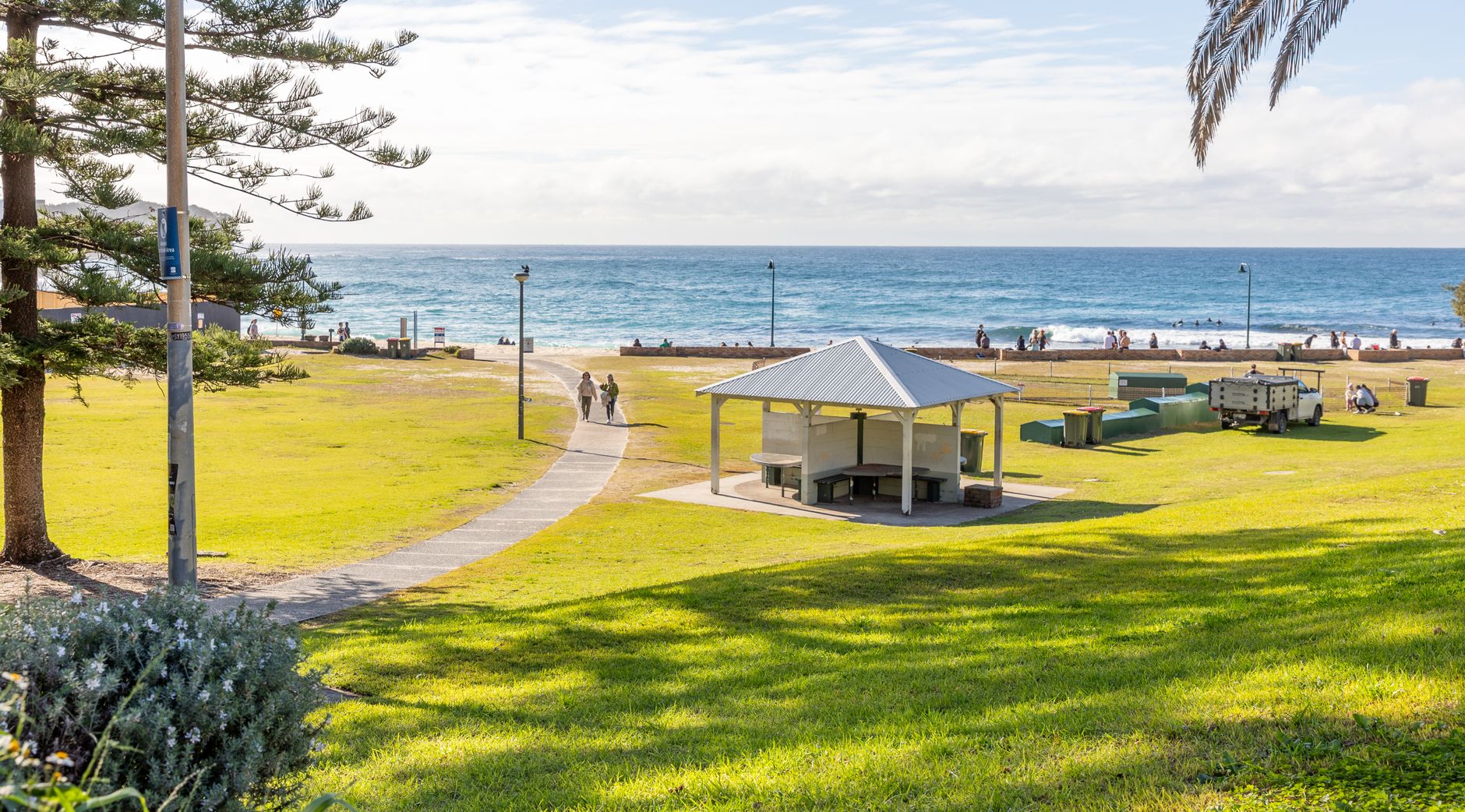
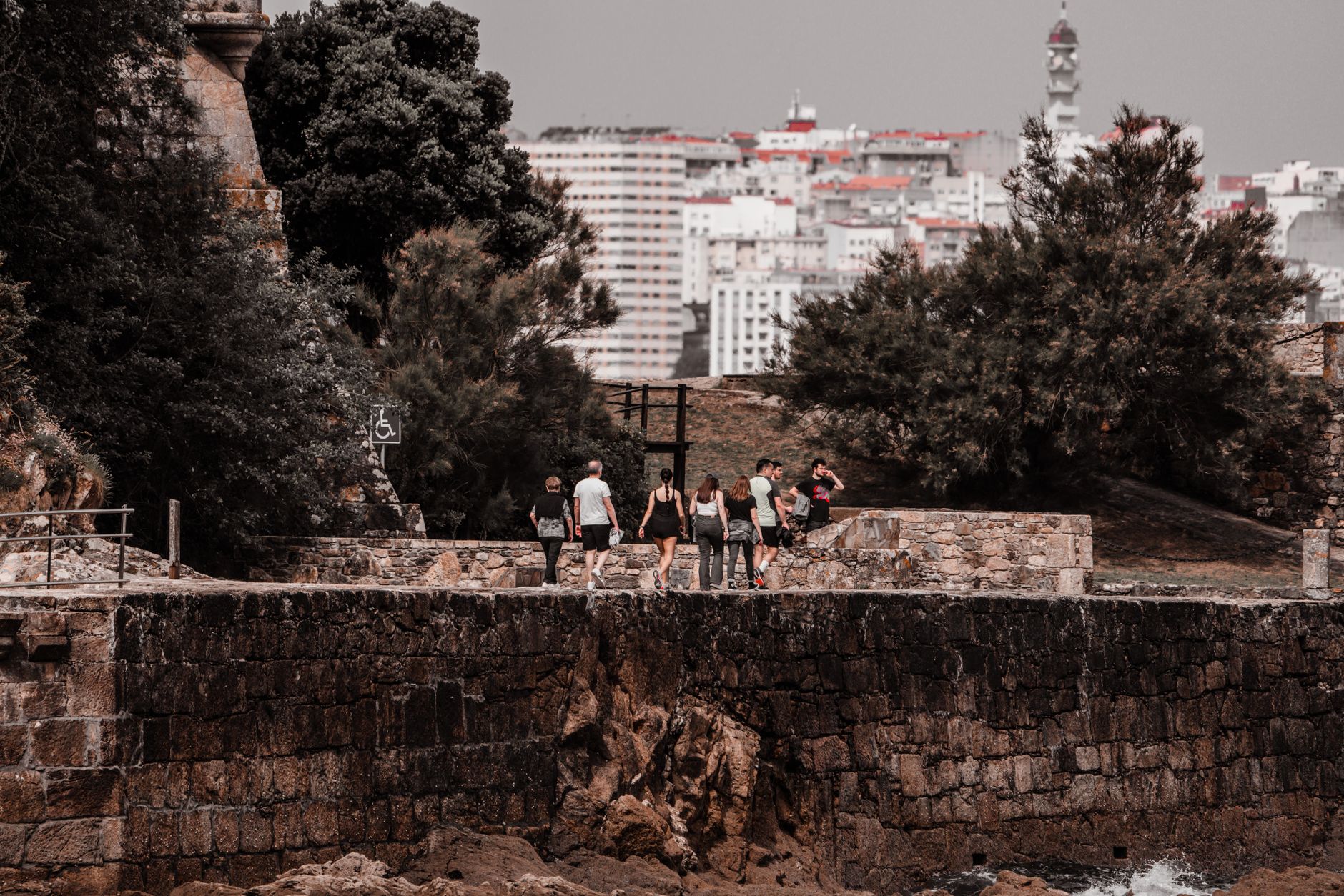
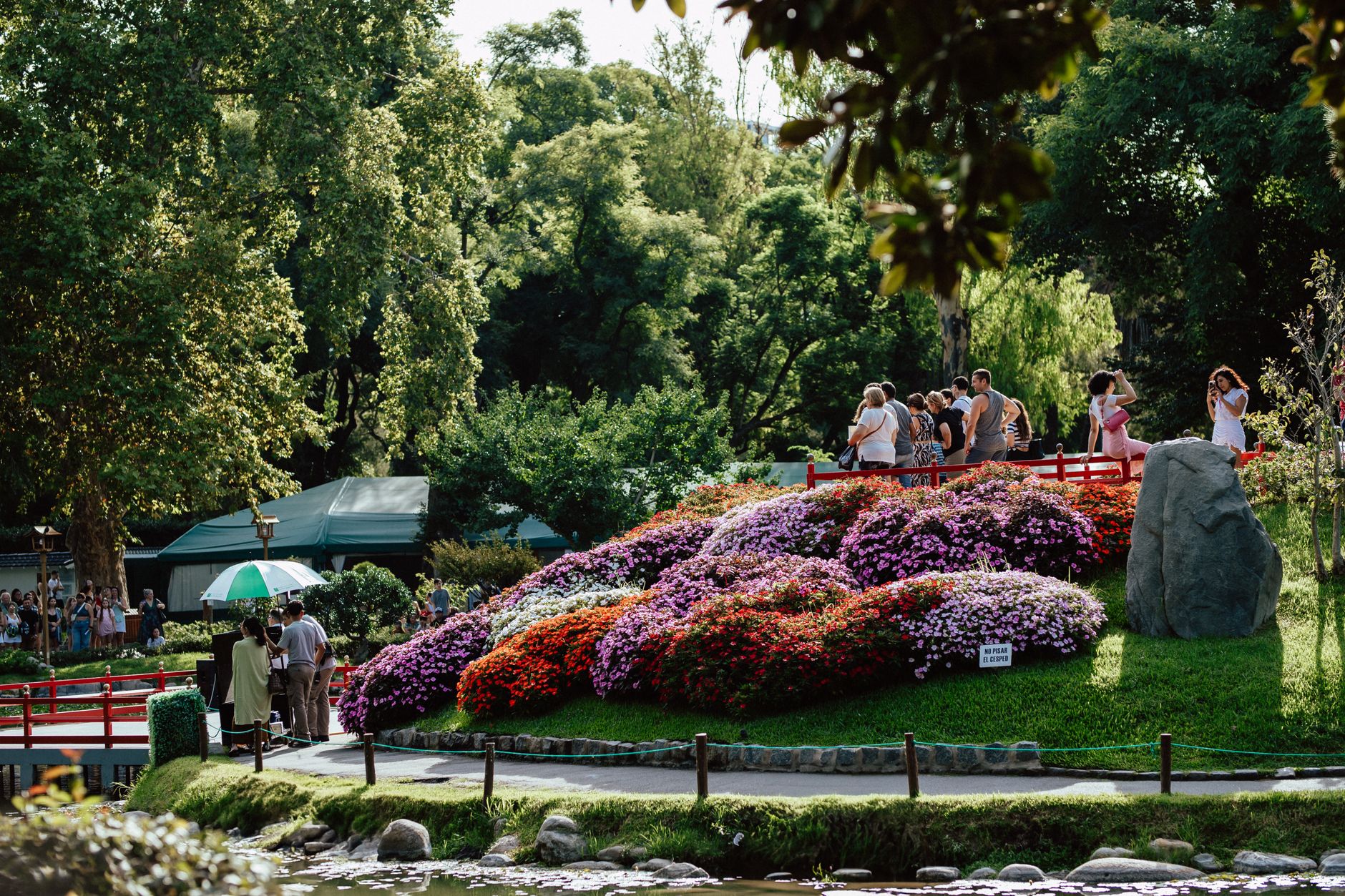
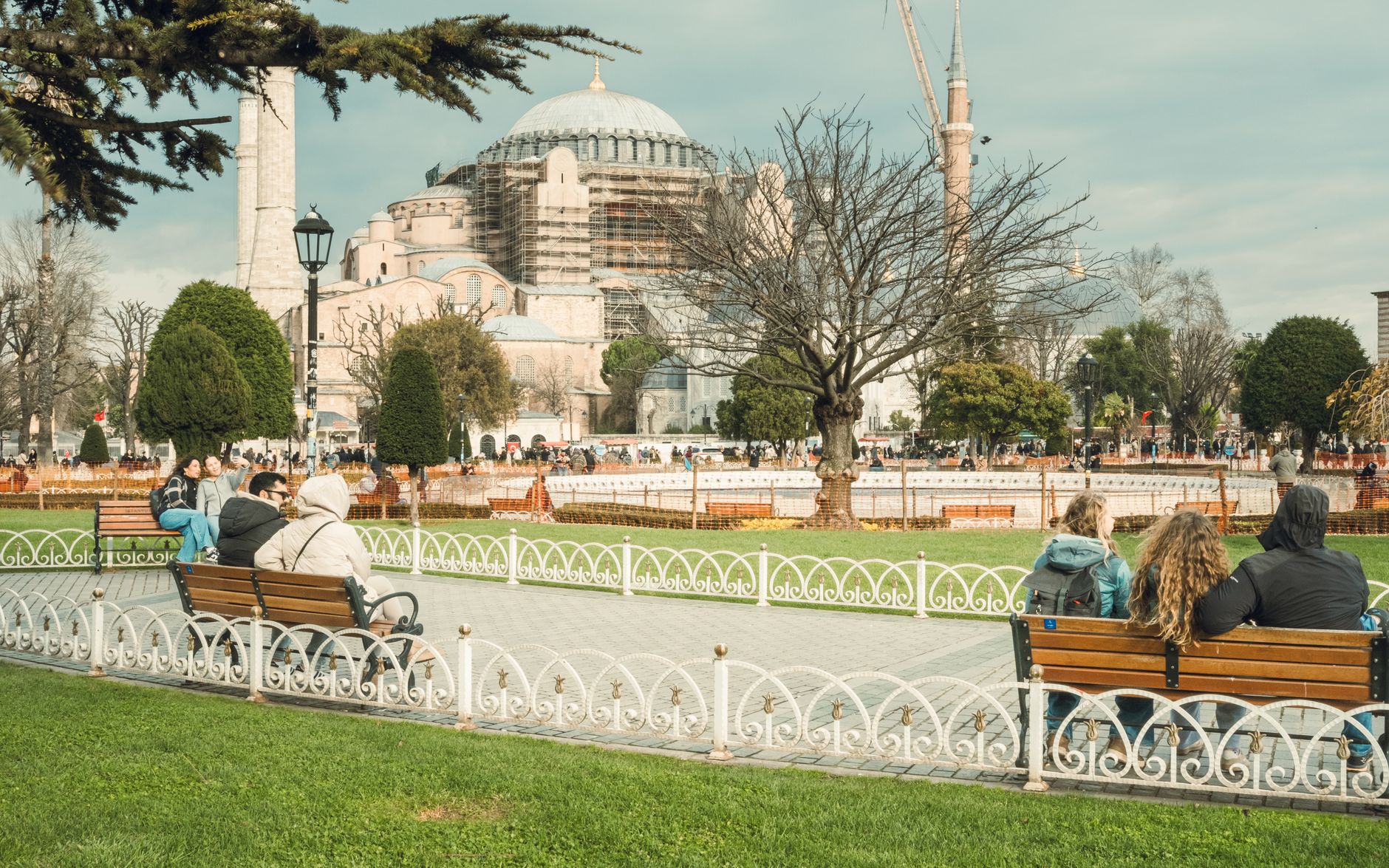
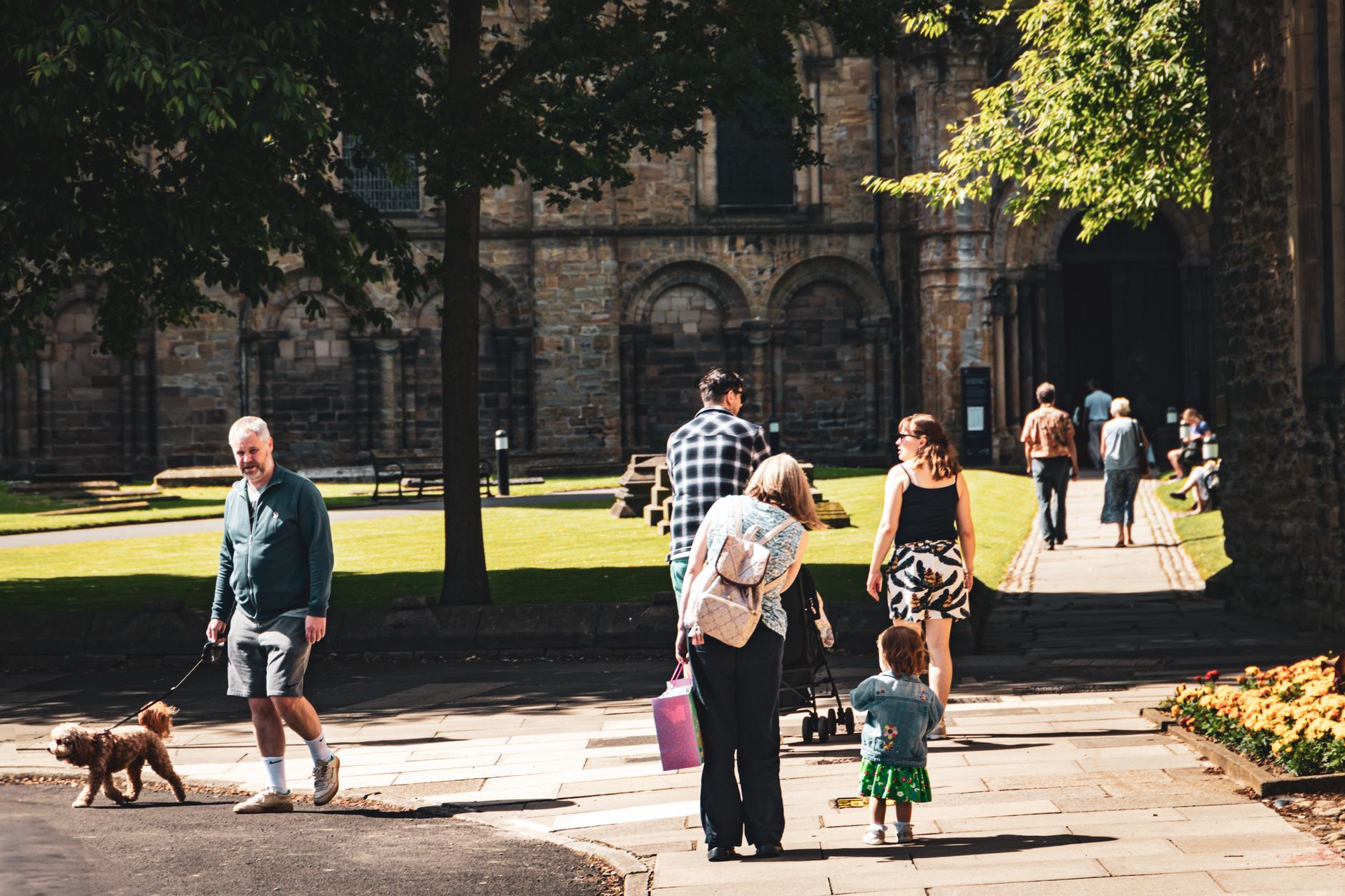
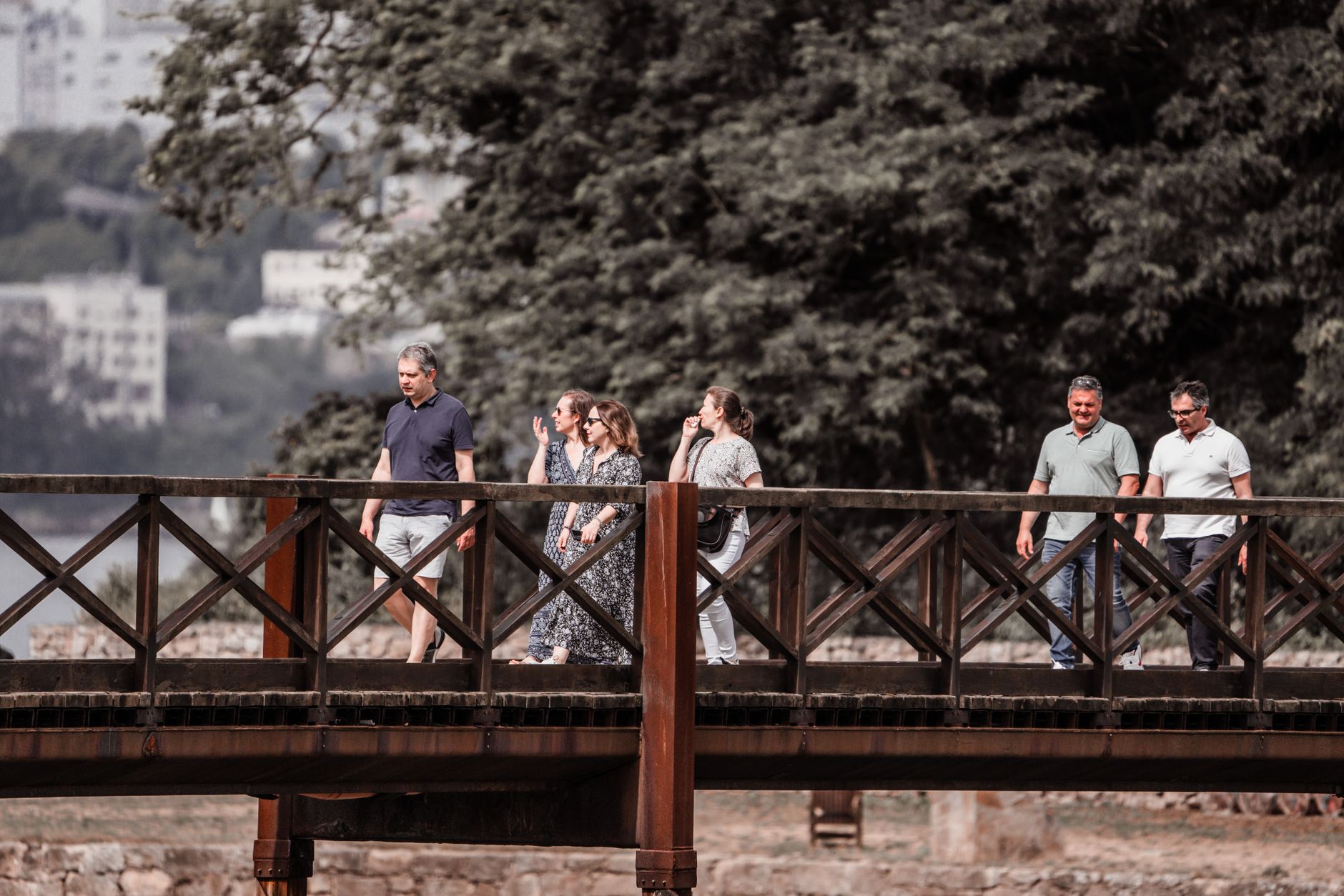
Walk down Washington Avenue on a Friday evening and you'll notice the live oaks first — massive, canopied, throwing shade over cobblestone streets lined with Craftsman bungalows and the occasional Southern Gothic mansion. Then the food trucks pull up, neighbors stop to talk, and the whole neighborhood settles into something that feels less like an event and more like a standing arrangement.
Thornton Park sits just east of Lake Eola, close enough to Downtown Orlando to borrow its energy but distinct enough to have its own rhythm. More than sixty locally owned shops, cafes, and restaurants fill the blocks, and on full-moon nights the Moon Mercado sets up at The Veranda.
💛 What travellers fall for
People who keep coming back tend to anchor their visits around the Friday Night Market and then stay for the Wine & Art Walk — the wristband gets you into 20-plus spots, which is a good way to stumble into a boutique you'd otherwise walk past. Dexter's, on the former site of Orlando's first Publix, is the kind of place regulars treat as a given.
Deals in Thornton Park
Book directly at the provider


How Thornton Park came to be
The neighborhood takes its name from James Thornton, the developer who first laid it out. In its early decades, Thornton Park was cattle and citrus country, and the residential character that followed — bungalows, Craftsman houses, Tudor Revivals — still defines the streetscape today. By the 1960s, the opening of Colonial Plaza, Orlando's first suburban shopping mall about two miles away, drew commerce outward, and Walt Disney World's arrival in 1971 accelerated the westward drift of the city's population.
The neighborhood spent years in decline before a 1990s reversal driven in part by developers Phil Rampy and Craig Ustler, who bought and flipped abandoned homes and resold them at higher values. By 2012, the Thornton Park District had earned a Main Street Program designation — a signal that the recovery had become something more permanent.
Who and what shaped it
People who shaped it
Landmark buildings
See Thornton Park in motion
Plan your visit
On the map
When to go
Winter days are mild and often sunny, rarely dropping below 10°C, which makes them the most forgiving time to be outside. Summer runs hot and genuinely wet — afternoon thunderstorms are nearly daily from June through August, and temperatures regularly clear 32°C; if that's when you visit, mornings are your window.
Right now
Background & history adapted from Wikipedia (CC BY-SA) · specs from Wikidata (CC0) · weather from Open-Meteo · map data © OpenStreetMap contributors · photos from Wikimedia Commons / Unsplash with per-image credit. No third-party reviews or social posts reproduced.