
Thonburi
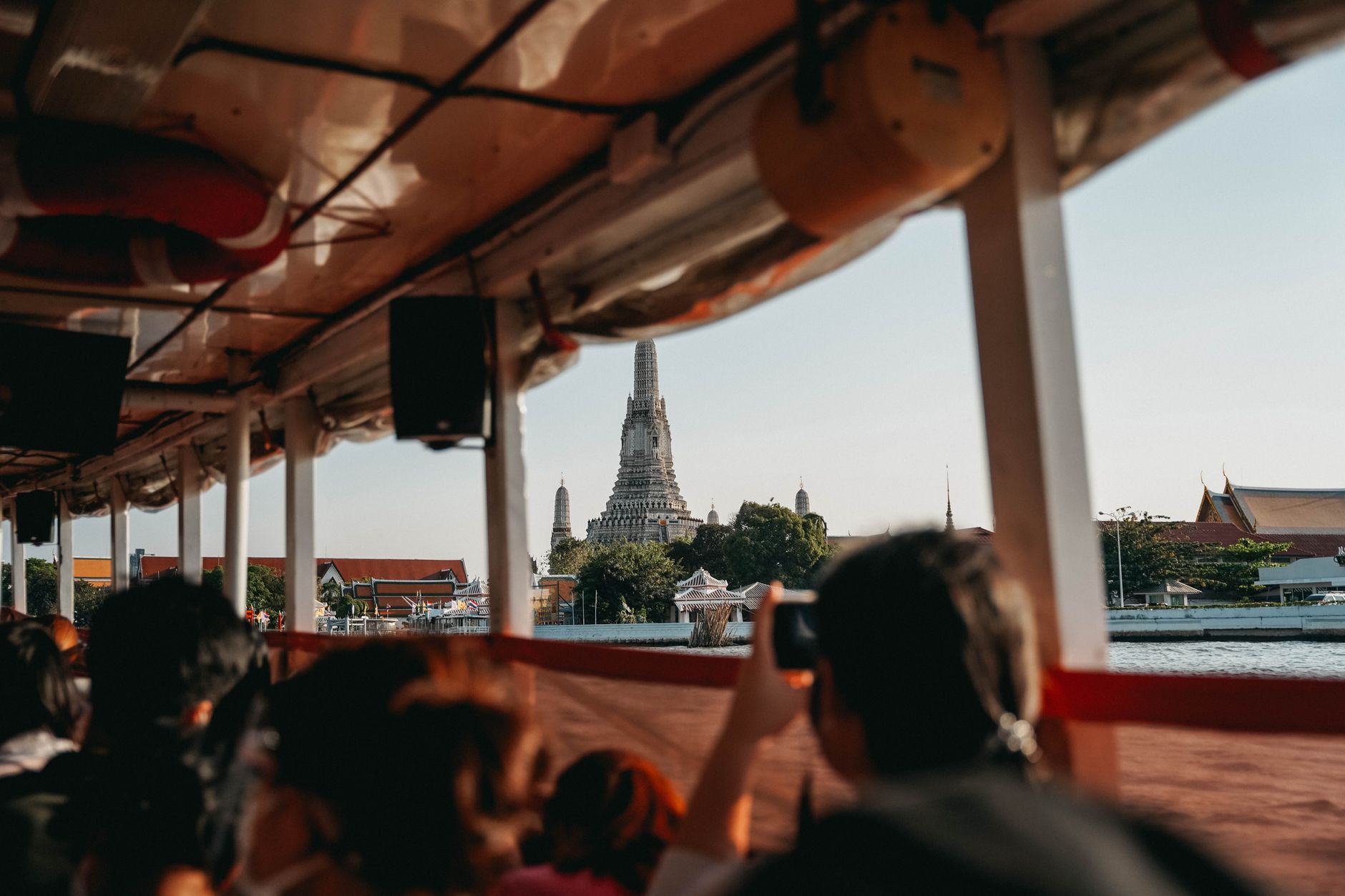
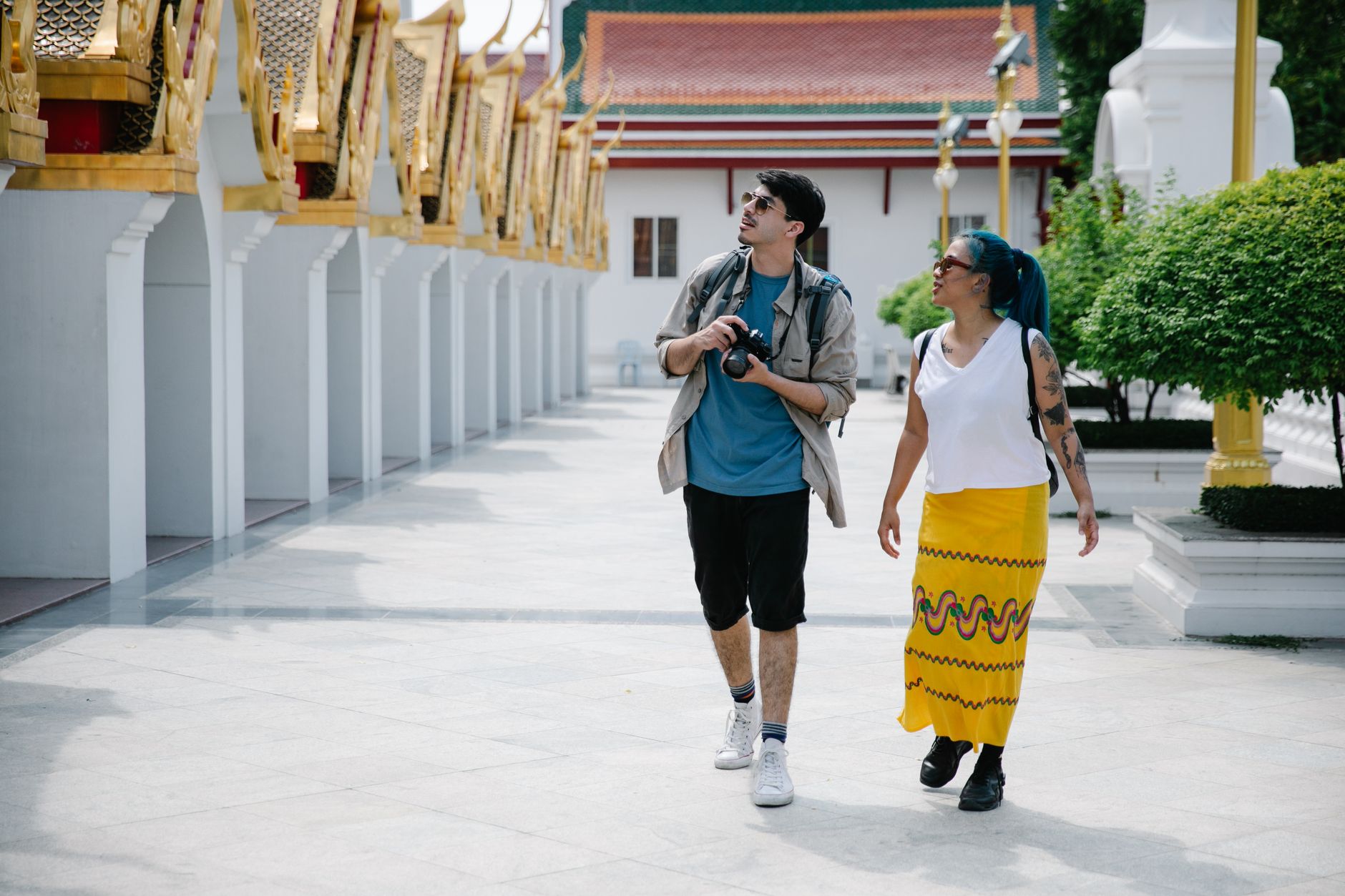
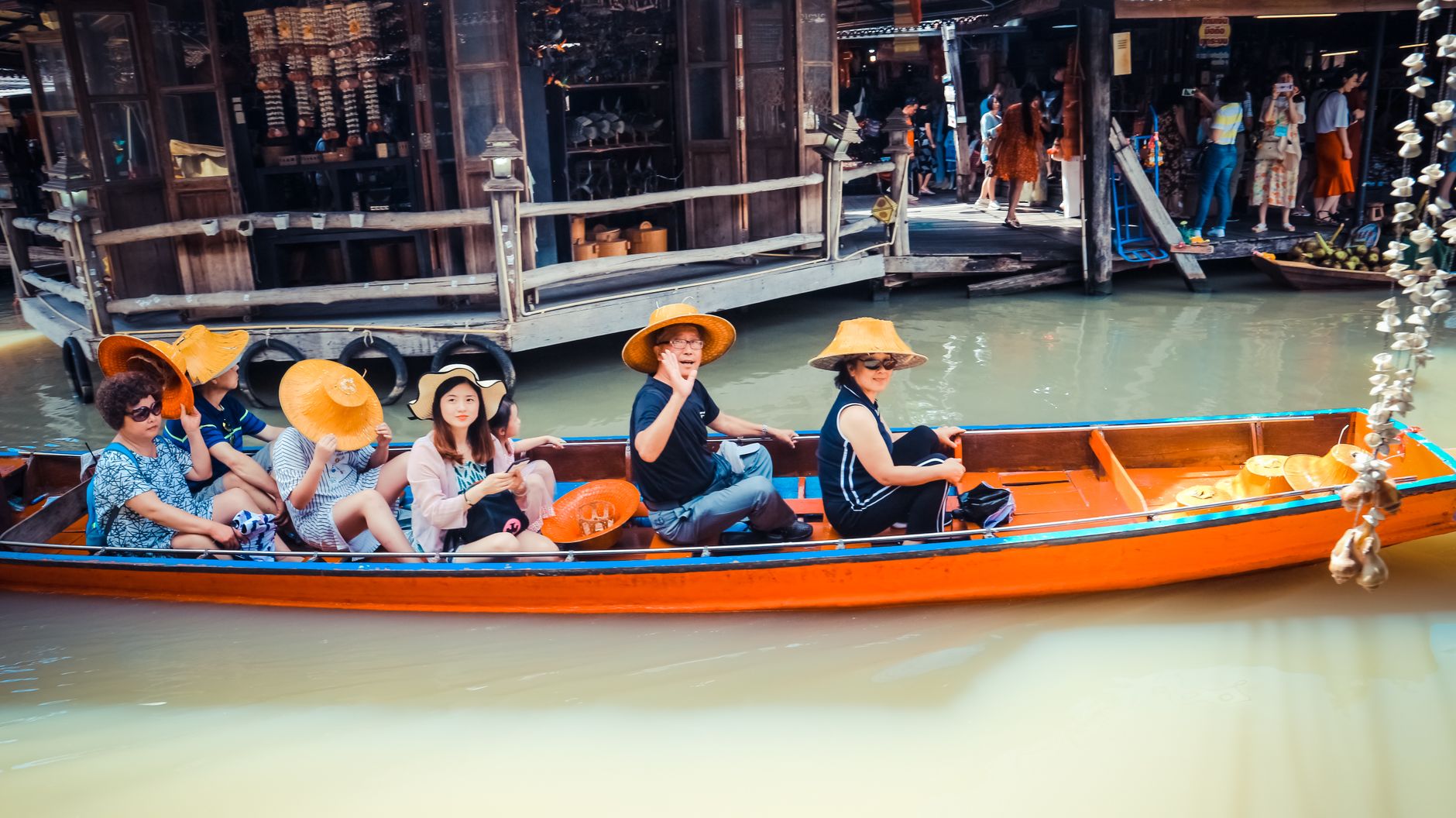
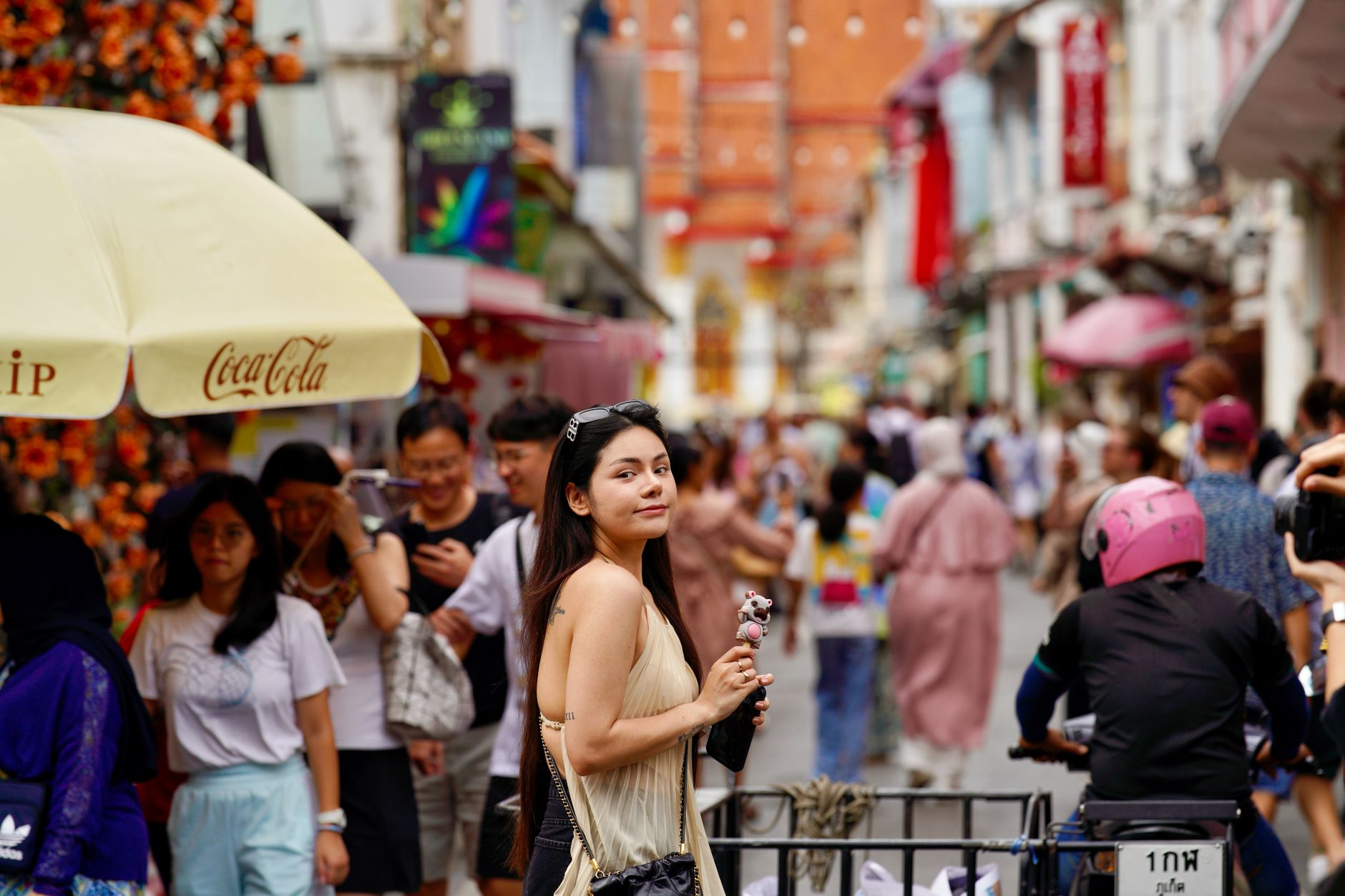

Stand on the eastern bank of the Chao Phraya and look west: that skyline of prangs and tilted roofs across the water is Thonburi, Bangkok's older, quieter self. For fifteen years in the late eighteenth century it was the capital of Thailand, a kingdom rebuilt from near-nothing after the Burmese sacked Ayutthaya in 1767. Rama I moved the seat of power across the river in 1782, and Thonburi has been drifting at its own pace ever since.
What you find here is Bangkok without the performance of Bangkok — canals that still function as streets, temples that draw worshippers more than tour groups, and a riverside where the pace is set by the express boats, not the traffic.
💛 What travellers fall for
People who come back tend to arrive by water. The Chao Phraya Express Boat at 15 baht is the detail they mention first — the way it threads past Wat Arun from the river rather than the entrance gate, the prang filling the window before you've even docked. They also learn to give Wang Derm Palace more time than they planned.
Deals in Thonburi
Book directly at the provider


How Thonburi came to be
In 1767, after Burmese forces destroyed Ayutthaya, General Taksin rallied what remained of the Thai forces, recaptured Thonburi on the Chao Phraya's west bank, and made it the new capital. He ruled as king from Wang Derm Palace until 6 April 1782, when his military commander Chao Phraya Chakri took power and founded the Chakri dynasty as Rama I. Fifteen days later, at 06:45 on 21 April 1782, stakes were driven into the soil across the river to mark the founding of Bangkok.
Thonburi persisted as a separate administrative entity for nearly two more centuries — renamed Bang Yi Ruea in 1916, then Thon Buri in 1939 — before being merged into Bangkok in December 1971. The temples Taksin restored, including Wat Rakhang, and those Rama III later built along the riverfront, are still standing.
Who and what shaped it
People who shaped it
Landmark buildings
See Thonburi in motion
Plan your visit
On the map
When to go
November through February is the window when Thonburi is most comfortable: dry air, blue skies, temperatures that stay below 35°C through the afternoon. From May to October the monsoon arrives in daily bursts — heavy rain, brief flooding on lower canal paths, and heat that barely drops at night.
Right now
Background & history adapted from Wikipedia (CC BY-SA) · specs from Wikidata (CC0) · weather from Open-Meteo · map data © OpenStreetMap contributors · photos from Wikimedia Commons / Unsplash with per-image credit. No third-party reviews or social posts reproduced.