
Tepito
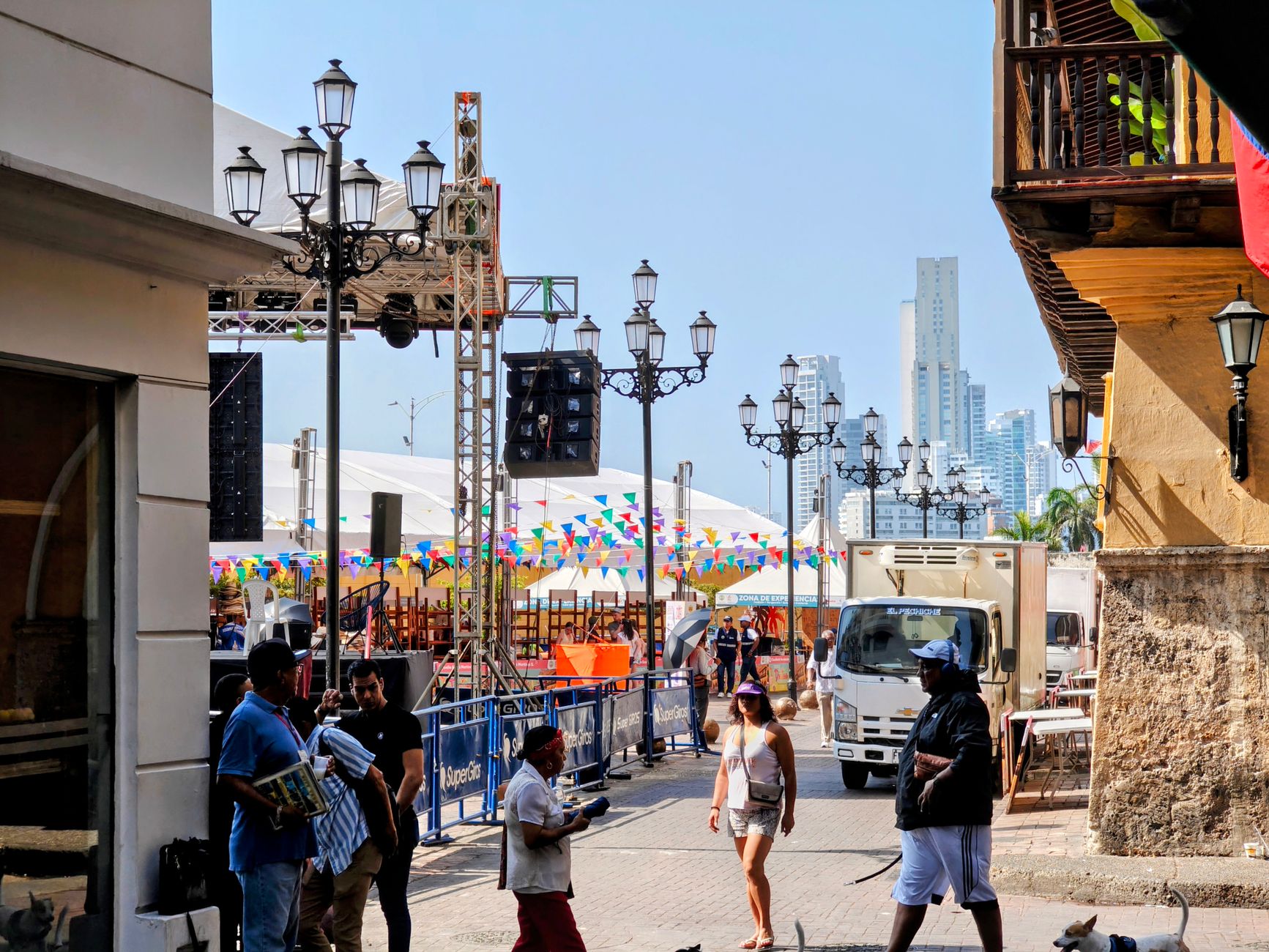
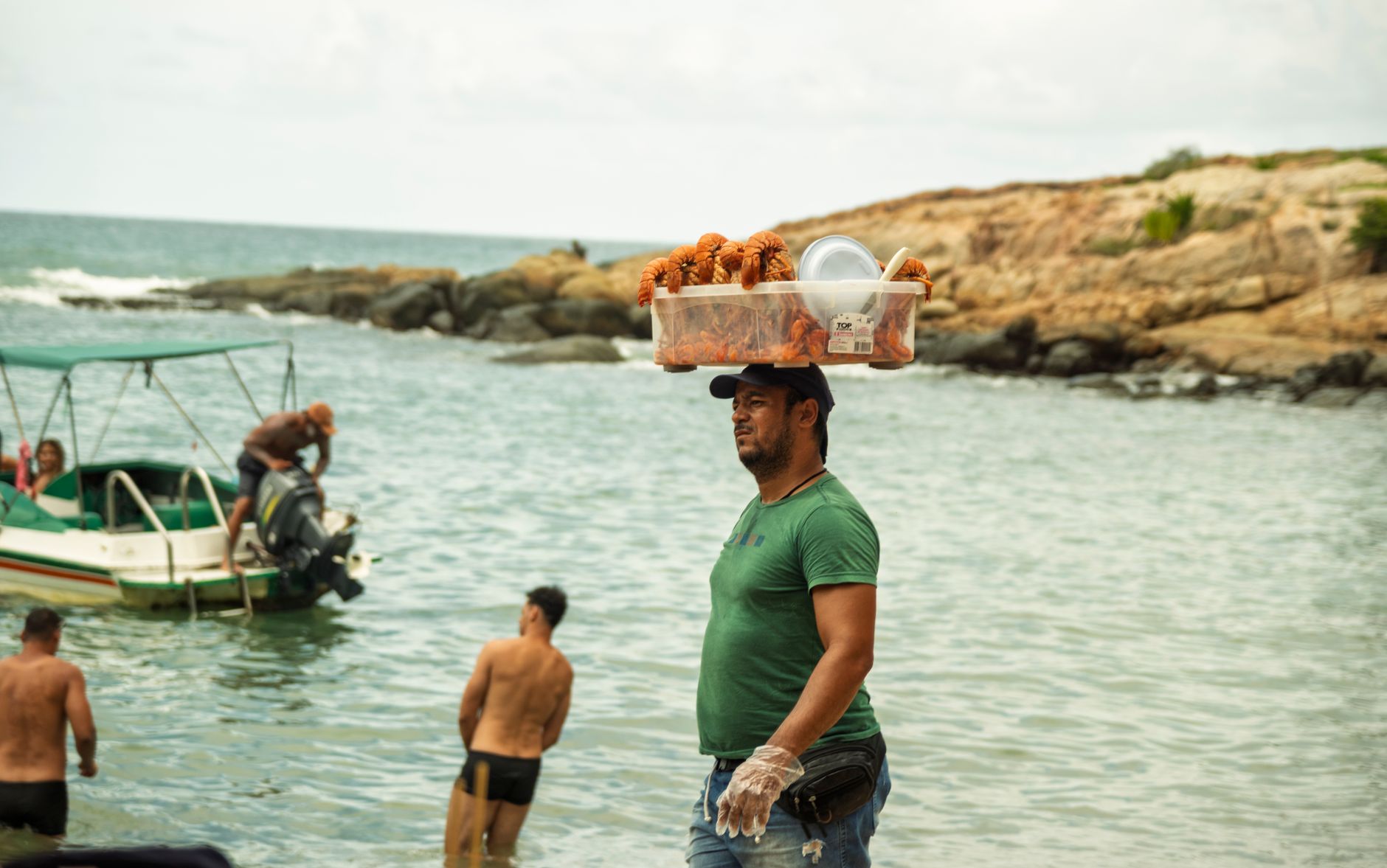
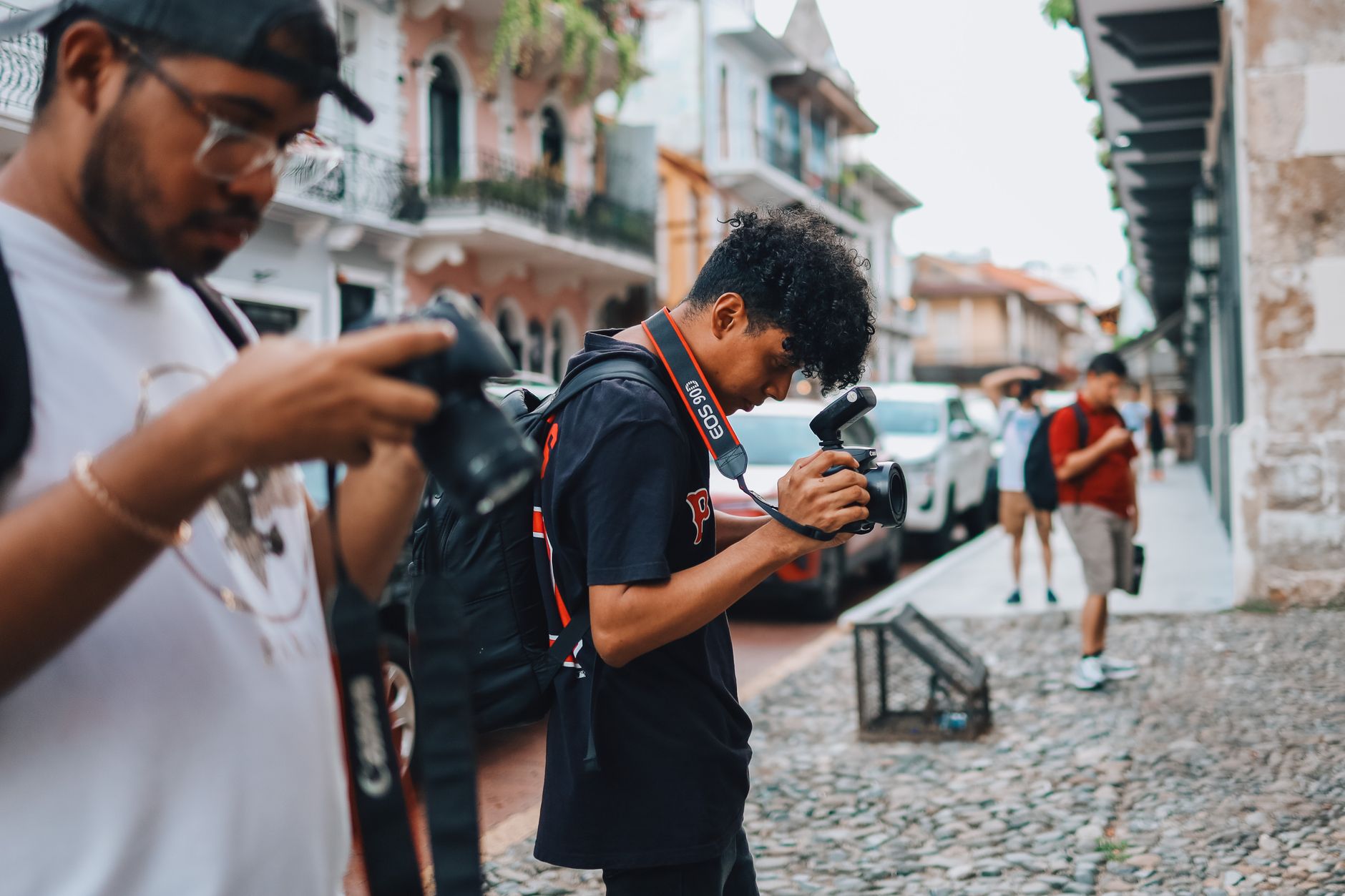
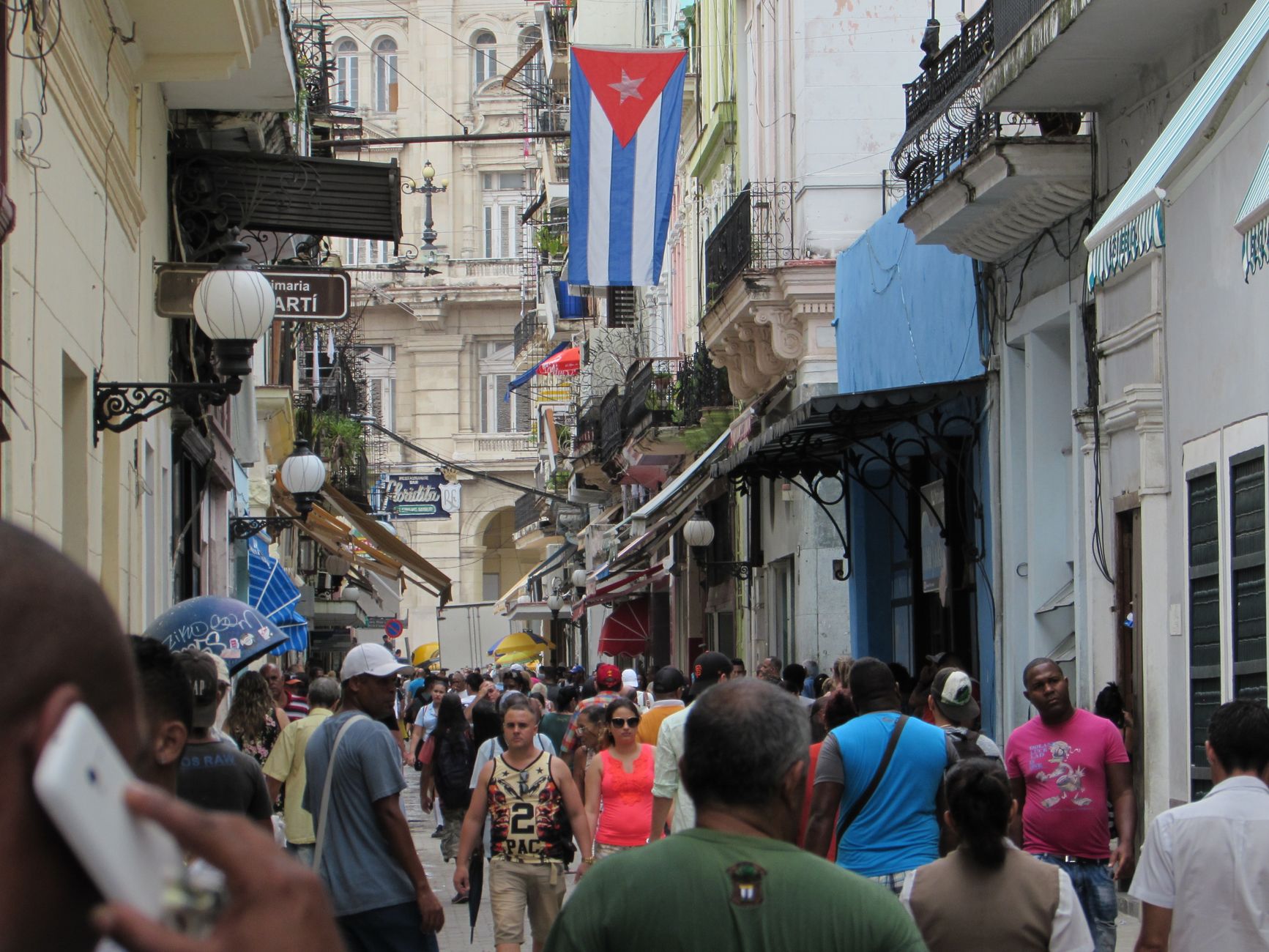

The name comes from a small pre-Hispanic temple — Teocultepiton, shortened by Spanish tongues to Tepito — and the neighborhood has been absorbing people and their circumstances ever since. Today it holds one of the largest street markets in Latin America: more than 12,000 stalls threading through streets so narrow and so densely roofed with semi-permanent awnings that you lose track of the sky.
On Eje 1 Norte, only scooters can thread between the stalls. Vendors sell pulque curado — pureed, fruit-blended, genuinely good — from carts, and women ladle out migas, a stew of ancho chili, bone broth and bread, from the same shopping carts their mothers used. Most of these businesses have run through two or three generations of the same family. The barrio is their home as much as their livelihood.
💛 What travellers fall for
People who keep coming back tend to agree: skip the antiques market on Reforma if you're short on time and spend it instead on the Wednesday used-clothing market on Tenochtitlan Street, then track down a keg-poured Kloster cerveza from one of the michelada carts on Eje 1 Norte. The pulques curados here, regulars say, beat most of what you'll find in the centro historico.
Deals in Tepito
Book directly at the provider

How Tepito came to be
After the Spanish dismantled the great Tlatelolco market, indigenous merchants who had lost their standing settled in what would become Tepito — outside the city proper, running informal tianguis that colonial authorities repeatedly pushed further from the center. By 1901, the city government had formally relocated its largest secondhand and pirated-goods market here from the Zócalo.
In the 1920s, refugees from the Cristero War — many of them shoemakers from Jalisco and Guanajuato — arrived in numbers large enough to make Tepito Mexico City's first recognized slum. A 1945 government decree froze rents in the neighborhood; it has never been lifted. The Casa del Obrero Mundial, a revolutionary workers' organization that became central to the Mexican labor movement, was founded here. So were three of Mexico's most celebrated boxers: Raúl 'El Ratón' Macías, whose 1954 fight drew 50,000 people to a Mexico City stadium; José Huatlacoche; and Rubén 'El Púas' Olivares, who went 61 consecutive fights without a loss.
Who and what shaped it
People who shaped it
Landmark buildings
See Tepito in motion
Plan your visit
On the map
When to go
Tepito sits at Mexico City's altitude — around 2,200 meters — so days are mild and nights cool year-round; bring a layer even in summer. The rainy season runs June through September with near-daily afternoon showers, making the dry months of November through April the more comfortable time to walk the market streets.
Right now
Background & history adapted from Wikipedia (CC BY-SA) · specs from Wikidata (CC0) · weather from Open-Meteo · map data © OpenStreetMap contributors · photos from Wikimedia Commons / Unsplash with per-image credit. No third-party reviews or social posts reproduced.