
Teotihuacan
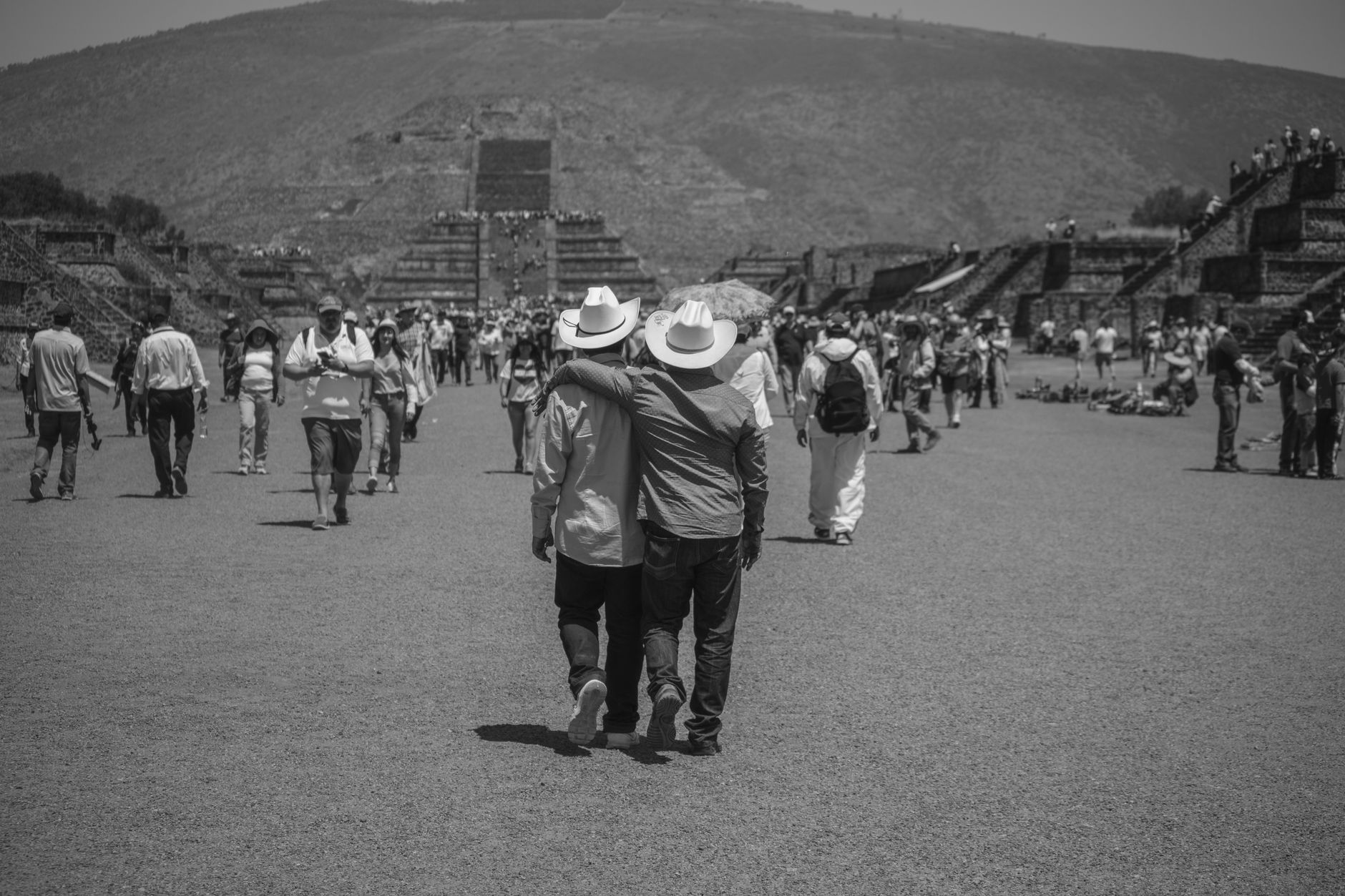
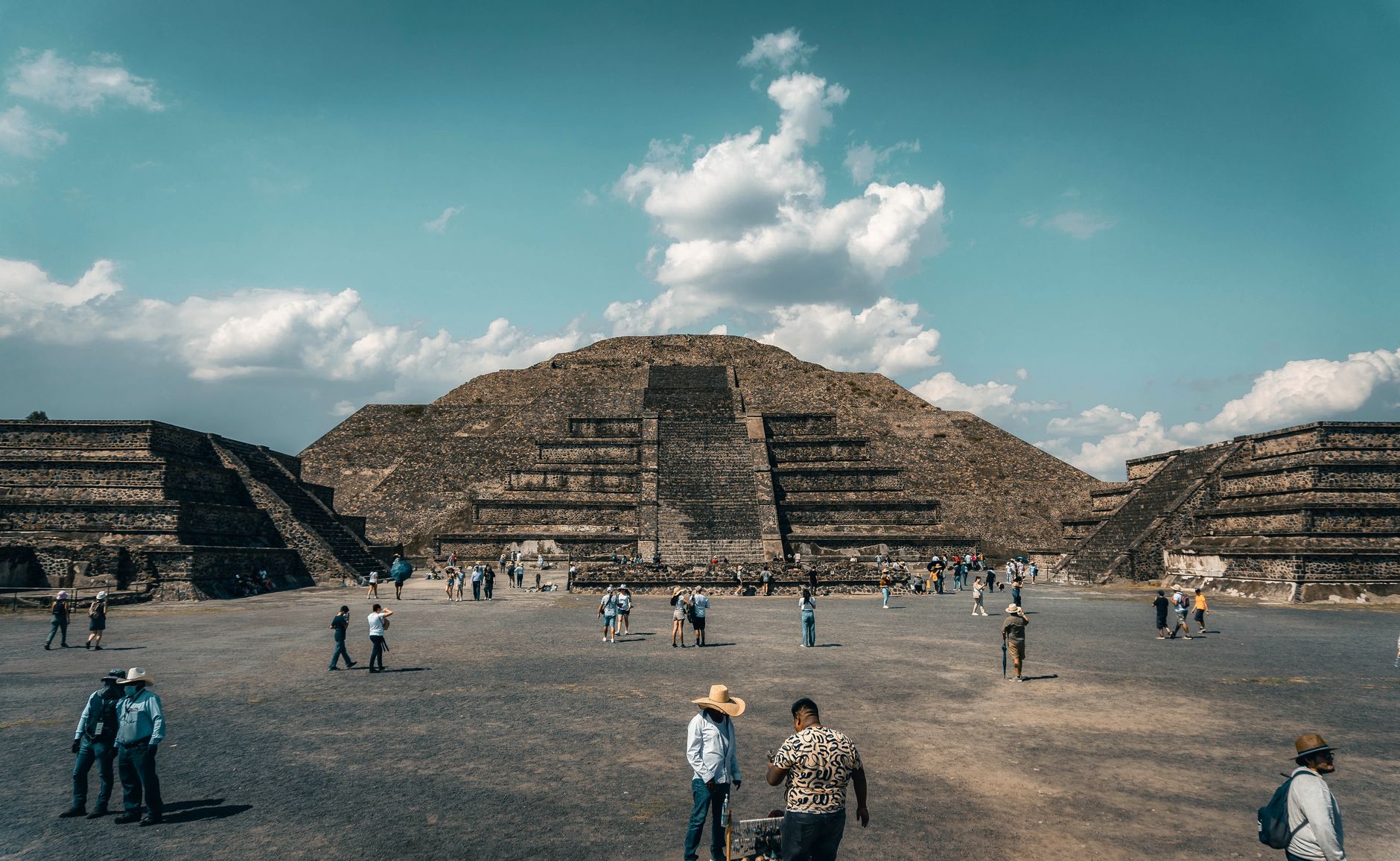
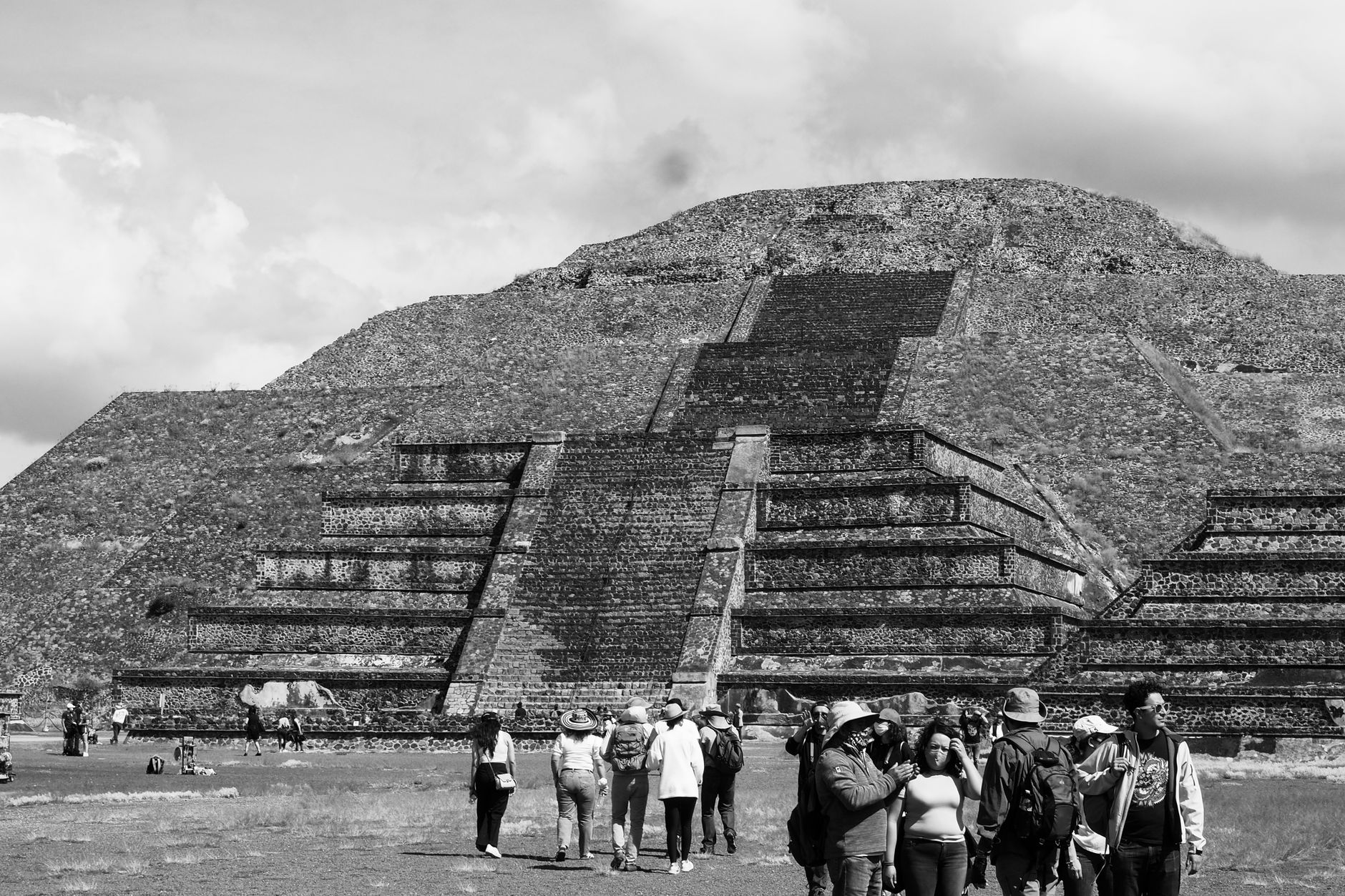
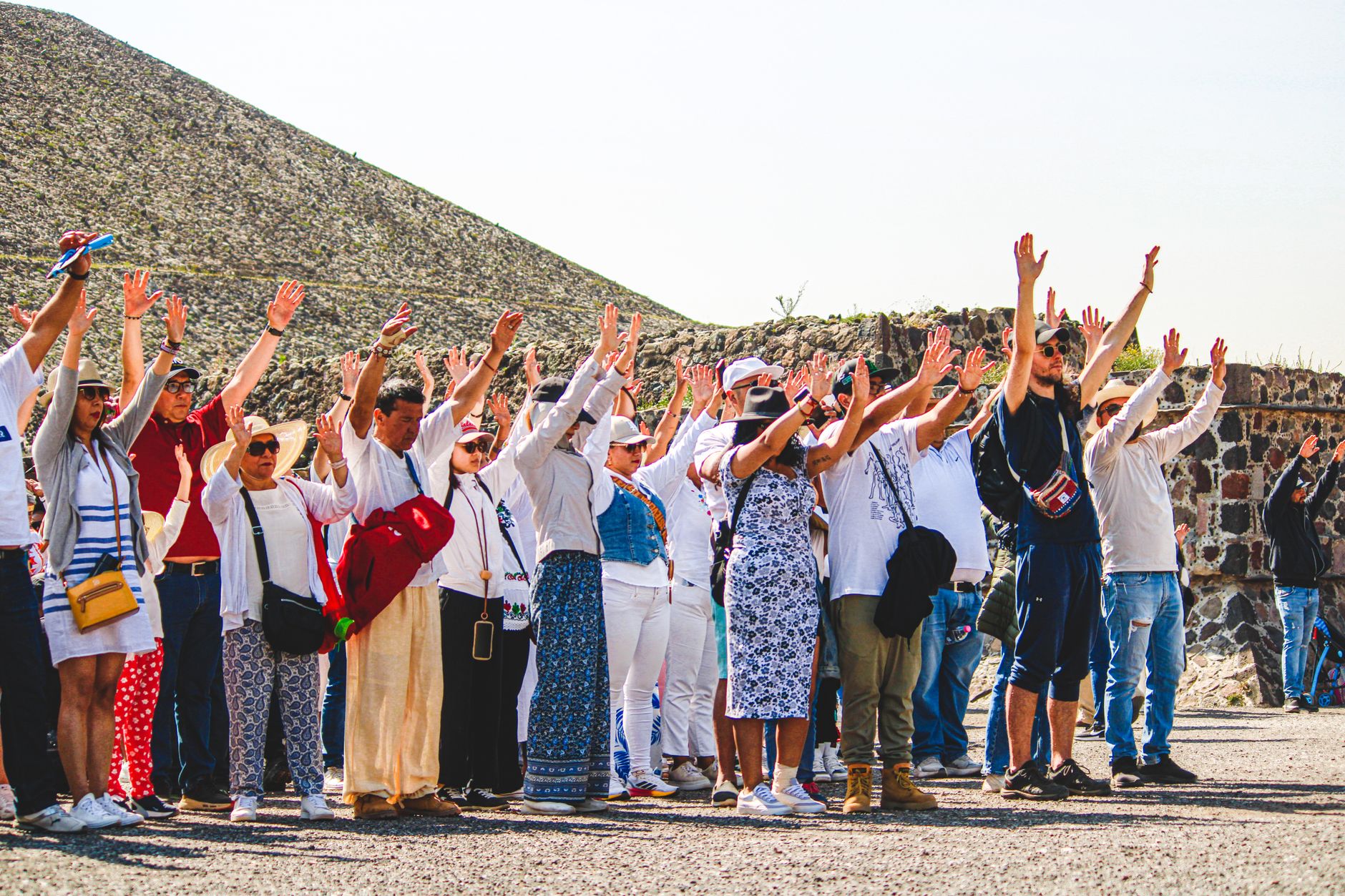
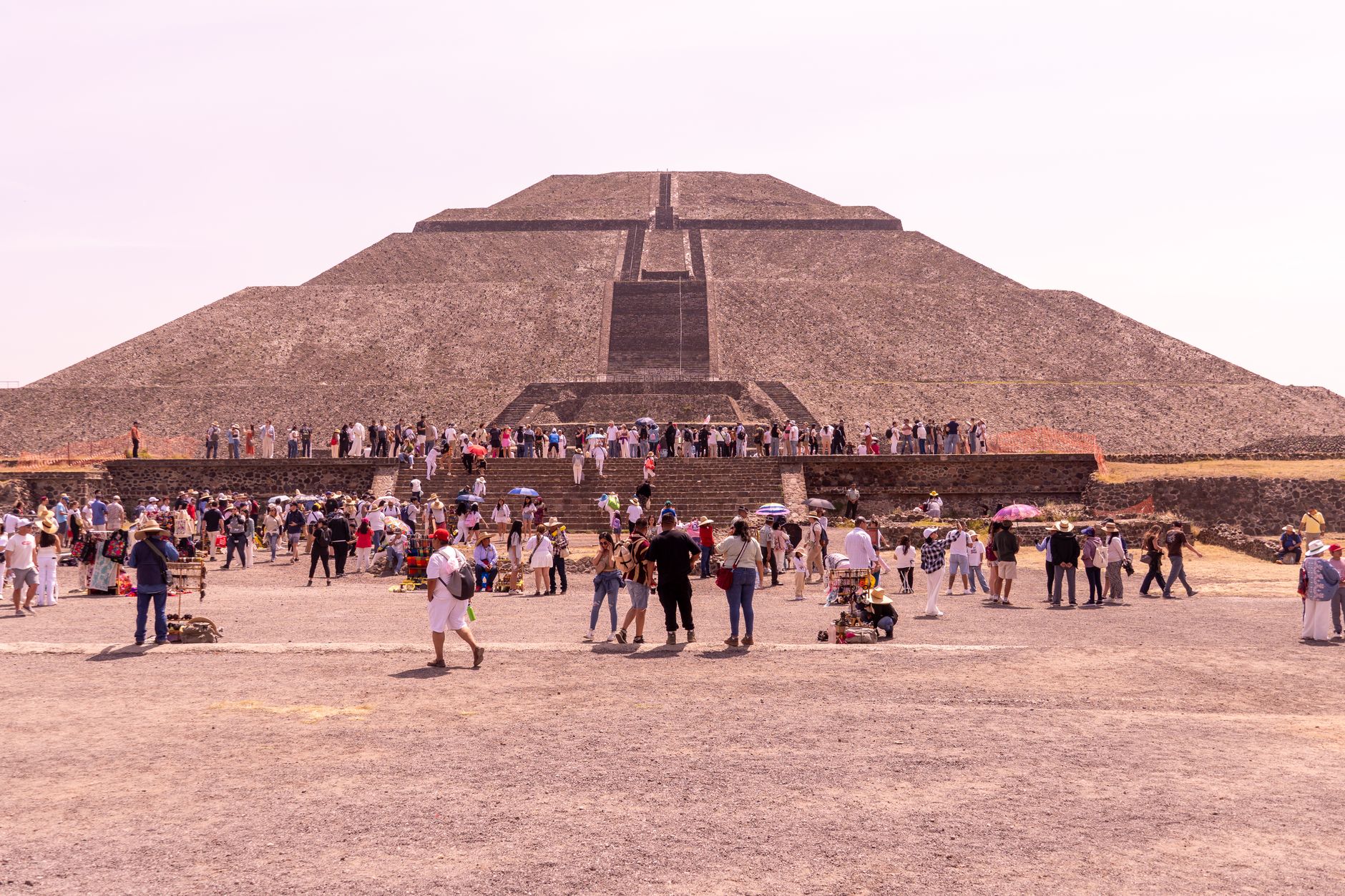
Forty-eight kilometres northeast of Mexico City, the Avenue of the Dead stretches 2.4 kilometres toward an extinct volcano called Cerro Gordo, and the whole city of Teotihuacan was laid out to point at it. That orientation — deliberate, cosmological, slightly unsettling — tells you something about the place before you've climbed a single step.
At its height, between 400 and 500 CE, somewhere between 100,000 and 200,000 people lived here, making it one of the largest cities on earth. Who built it remains genuinely open: the Totonac, Zapotec, Mixtec, and Maya all left cultural traces, suggesting a multi-ethnic metropolis rather than a single founder's vision.
How Teotihuacan came to be
Construction at Teotihuacan began around 200 BCE, with the Pyramid of the Sun — 66 metres tall, the third largest pyramid on earth — completed by roughly 100 CE. The Pyramid of the Moon followed in stages through about 350 CE, and the Feathered Serpent Pyramid took shape between 250 and 300 CE within the great Ciudadela enclosure. For centuries the city functioned as a continental crossroads, its roughly 2,000 residential compounds housing a population that drew from cultures across Mesoamerica.
The end came hard: around 550 CE the major monuments were sacked and systematically burned. The city lingered in diminished form until somewhere between the 7th and 8th centuries, then emptied. Later arrivals — including the Aztecs, who named the avenue and the site itself — found it already ancient and read it as a place where gods had walked.
Who and what shaped it
People who shaped it
Landmark buildings
See Teotihuacan in motion
Plan your visit
On the map
When to go
The dry season, November through April, brings clear skies and cool mornings — ideal for the exposed climbs. May through October is the rainy season; showers typically arrive in the afternoon, so an early start usually keeps you dry.
Right now
Background & history adapted from Wikipedia (CC BY-SA) · specs from Wikidata (CC0) · weather from Open-Meteo · map data © OpenStreetMap contributors · photos from Wikimedia Commons / Unsplash with per-image credit. No third-party reviews or social posts reproduced.