
Telč
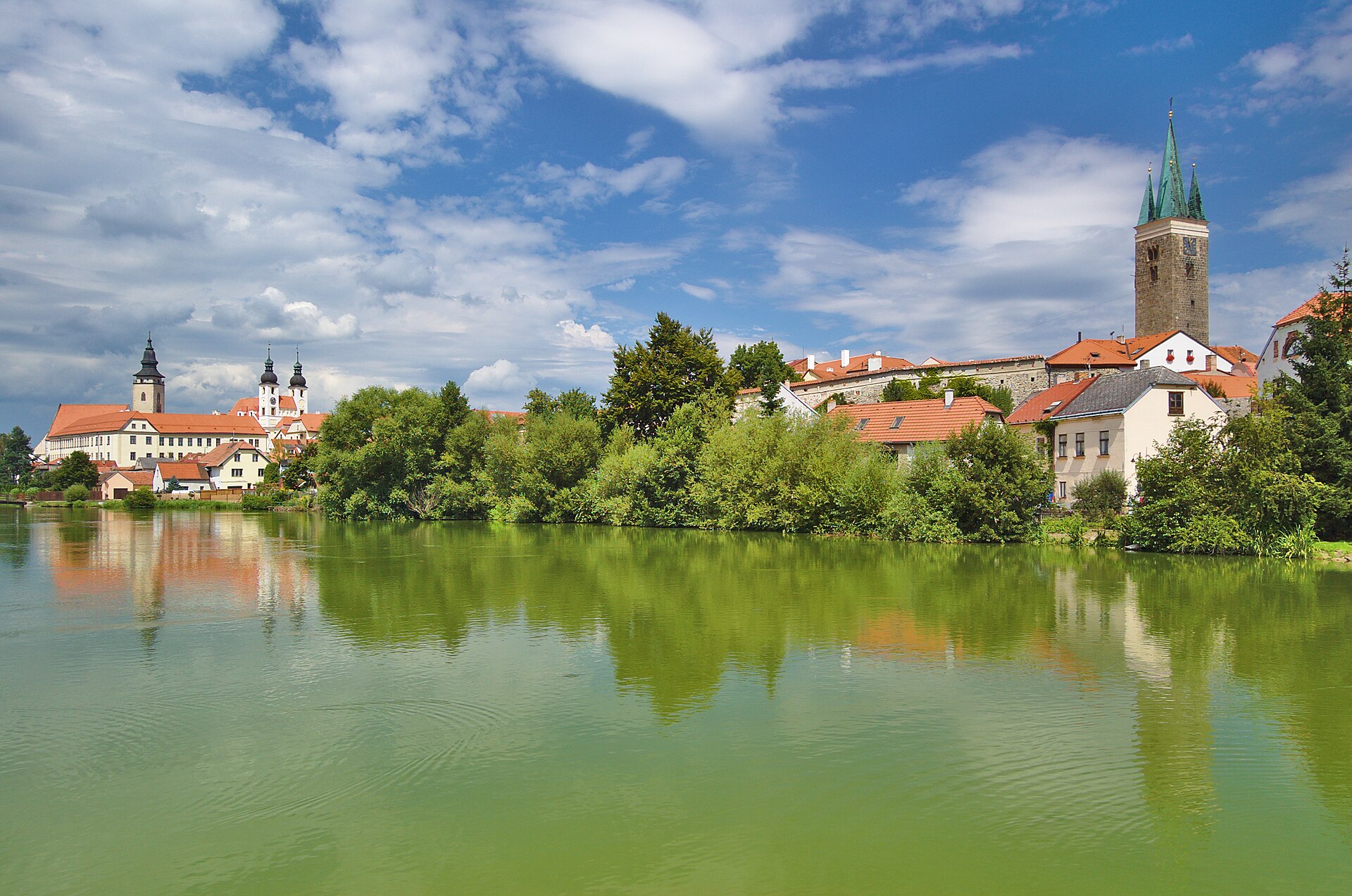
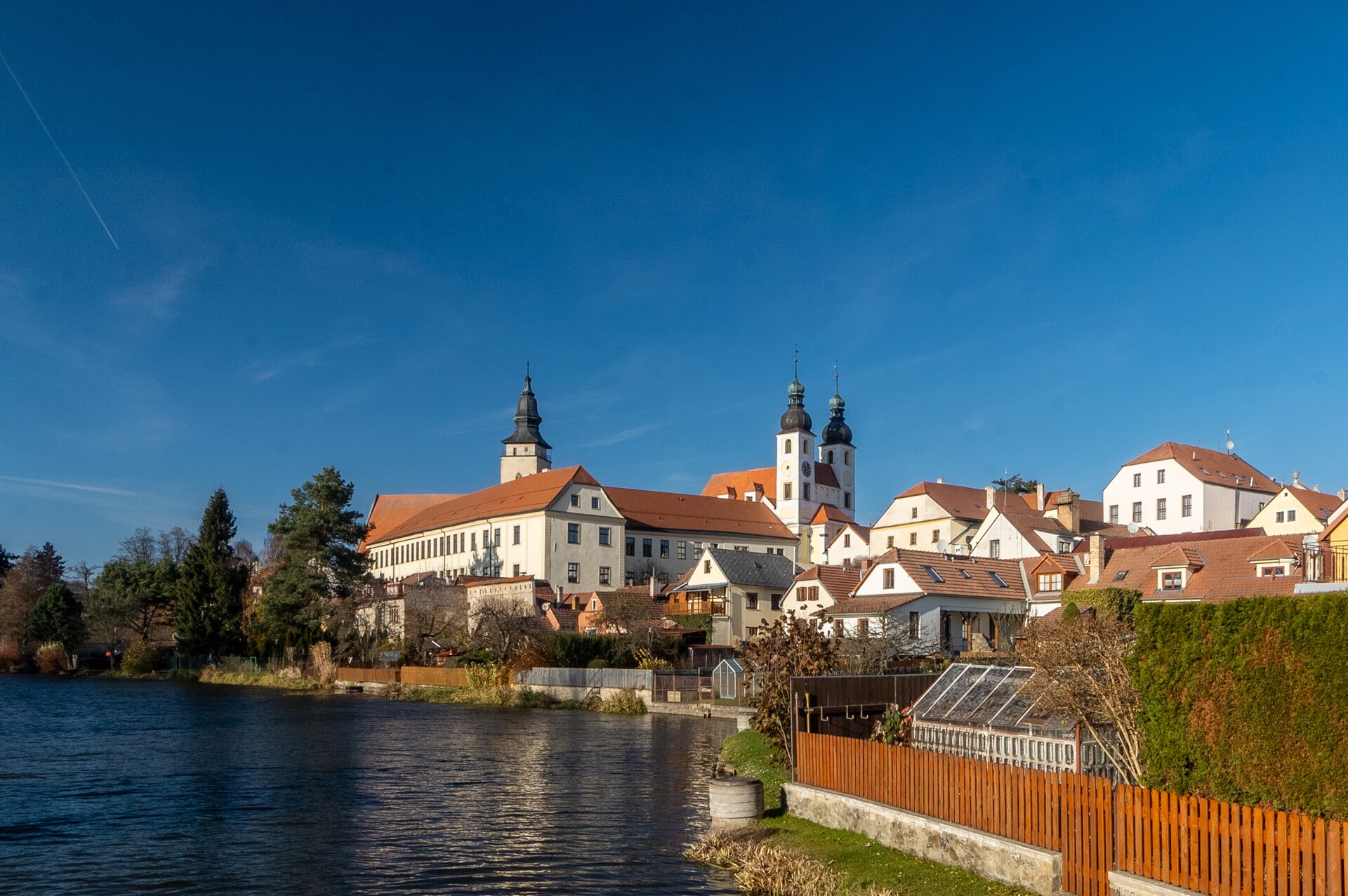
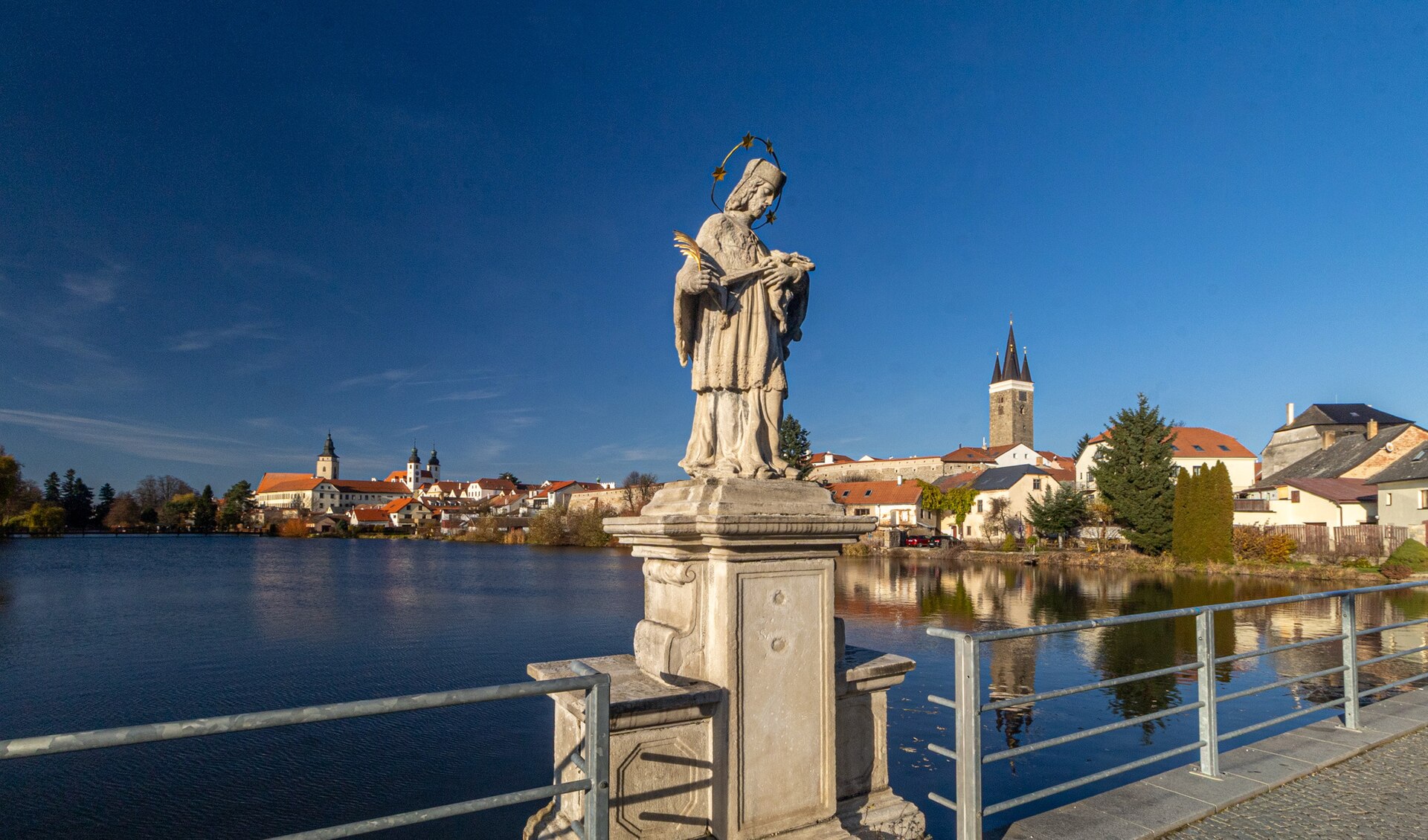
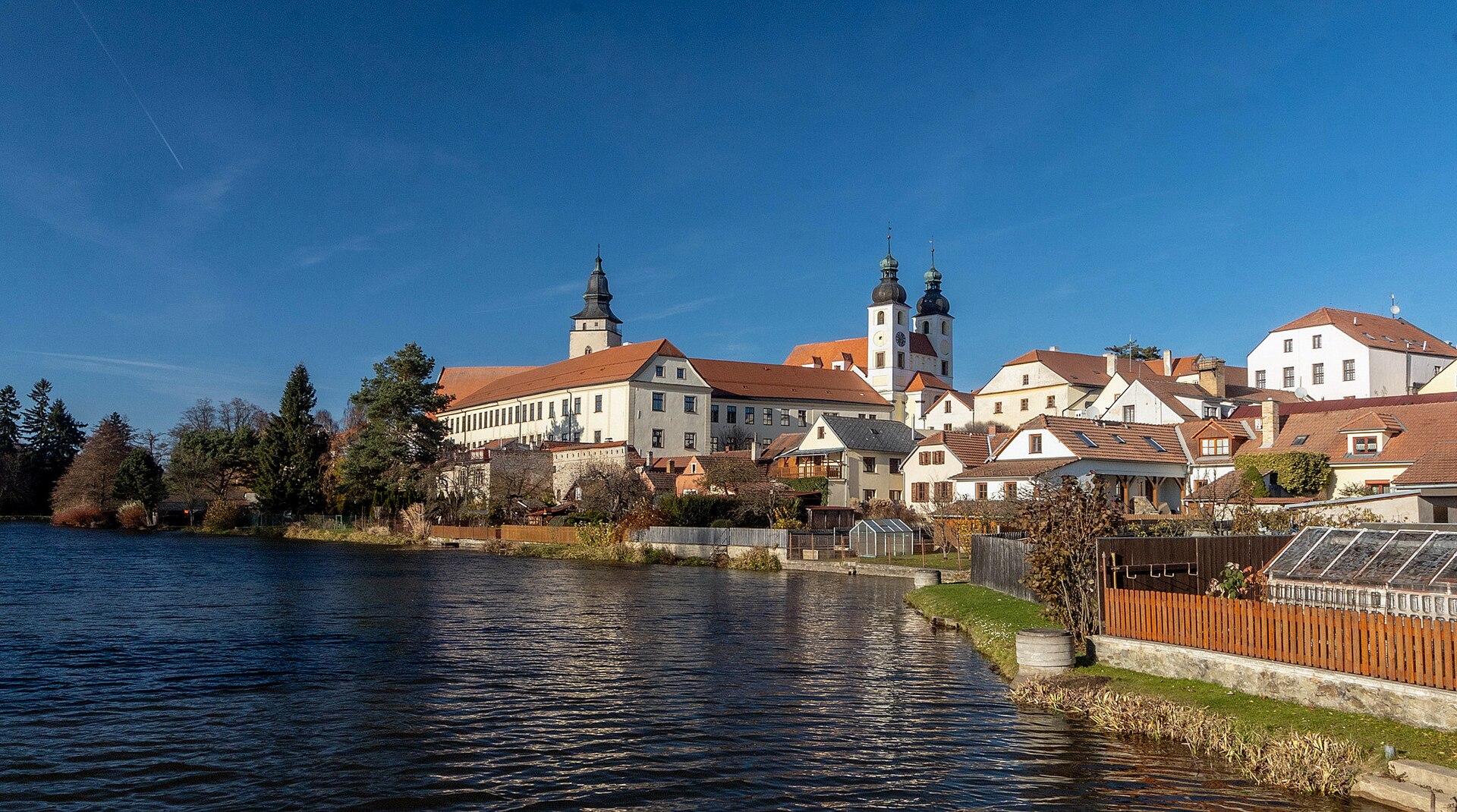
The square in Telč is triangular — a small paradox that makes more sense once you're standing in it, looking down a long arcade of Renaissance and Baroque facades, each painted a slightly different shade of ochre, cream, or dusty rose. Three fishponds ring the old town centre, and on still mornings the water holds the rooflines upside down.
Telč is a small Czech town of around 5,000 people, about 160 kilometres southeast of Prague, and its UNESCO-listed core is compact enough to cover in a day. The castle, the churches, the underground cellars beneath the square — all of it is within easy walking distance of wherever you set down your bag.
💛 What travellers fall for
People who come back tend to time it for late afternoon. The square clears out, the light goes low and warm, and the building colours deepen in a way that photographs can't quite hold. Taberna Norler, on the square itself, does a coffee tonic worth sitting with while the tour groups thin.
How Telč came to be
Telč's first documented mention dates to the 1330s, when a castle already stood here. The town was rebuilt in stone after a fire in the late 14th century, then largely destroyed again in 1530. That second fire proved transformative: the local lord Zachariáš of Hradec, returned from a journey to Genoa in 1551 and newly married, commissioned Italian architects to rebuild the castle and town centre in the Renaissance style. Work on the castle began in 1553.
The result — a coherent Renaissance townscape preserved largely intact — earned Telč a place on the UNESCO World Heritage list in 1992. The Church of the Name of Jesus came later, designed by Giovanni Domenico Orsi and completed in 1667, adding a Baroque counterpoint to the square's predominantly Renaissance character.
Who and what shaped it
People who shaped it
Landmark buildings
See Telč in motion
Plan your visit
On the map
When to go
Summers are mild, with highs around 20–23°C and the most reliable weather from May through September — expect some rain in June. Winters are cold and quiet, with temperatures hovering around freezing and occasional snow; much of the town effectively closes between October and March.
Right now
Background & history adapted from Wikipedia (CC BY-SA) · specs from Wikidata (CC0) · weather from Open-Meteo · map data © OpenStreetMap contributors · photos from Wikimedia Commons / Unsplash with per-image credit. No third-party reviews or social posts reproduced.