
Teide National Park
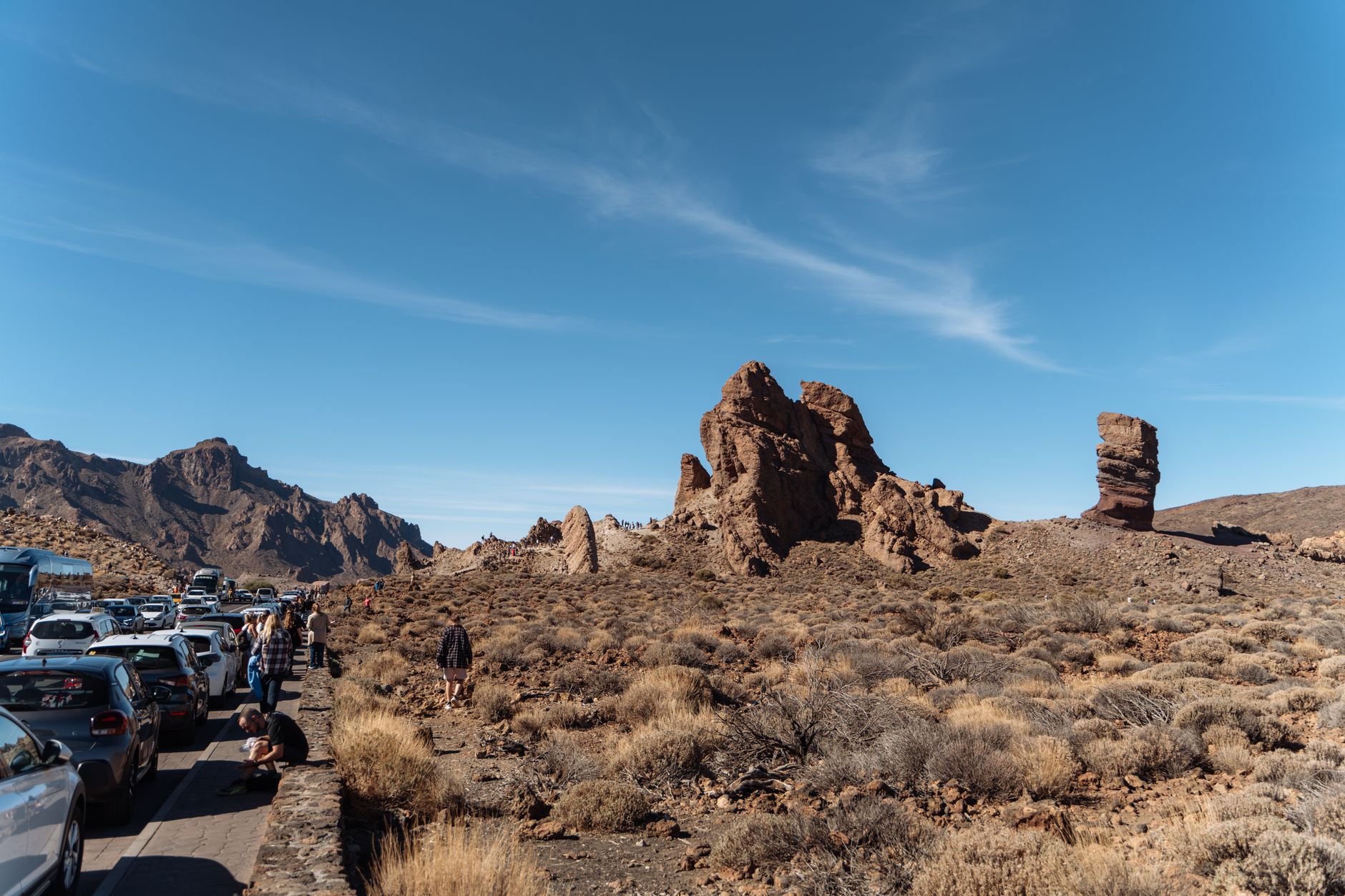
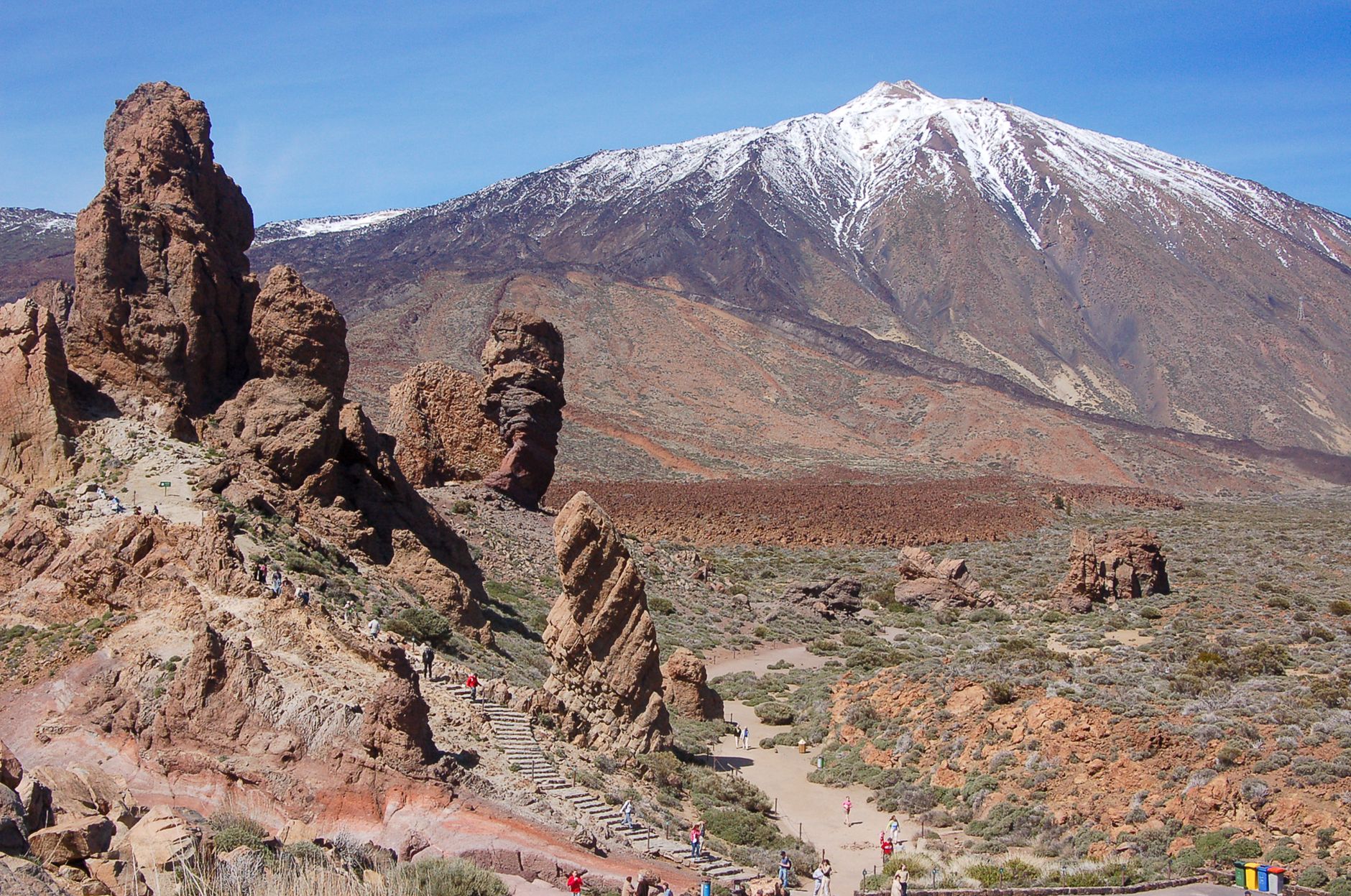
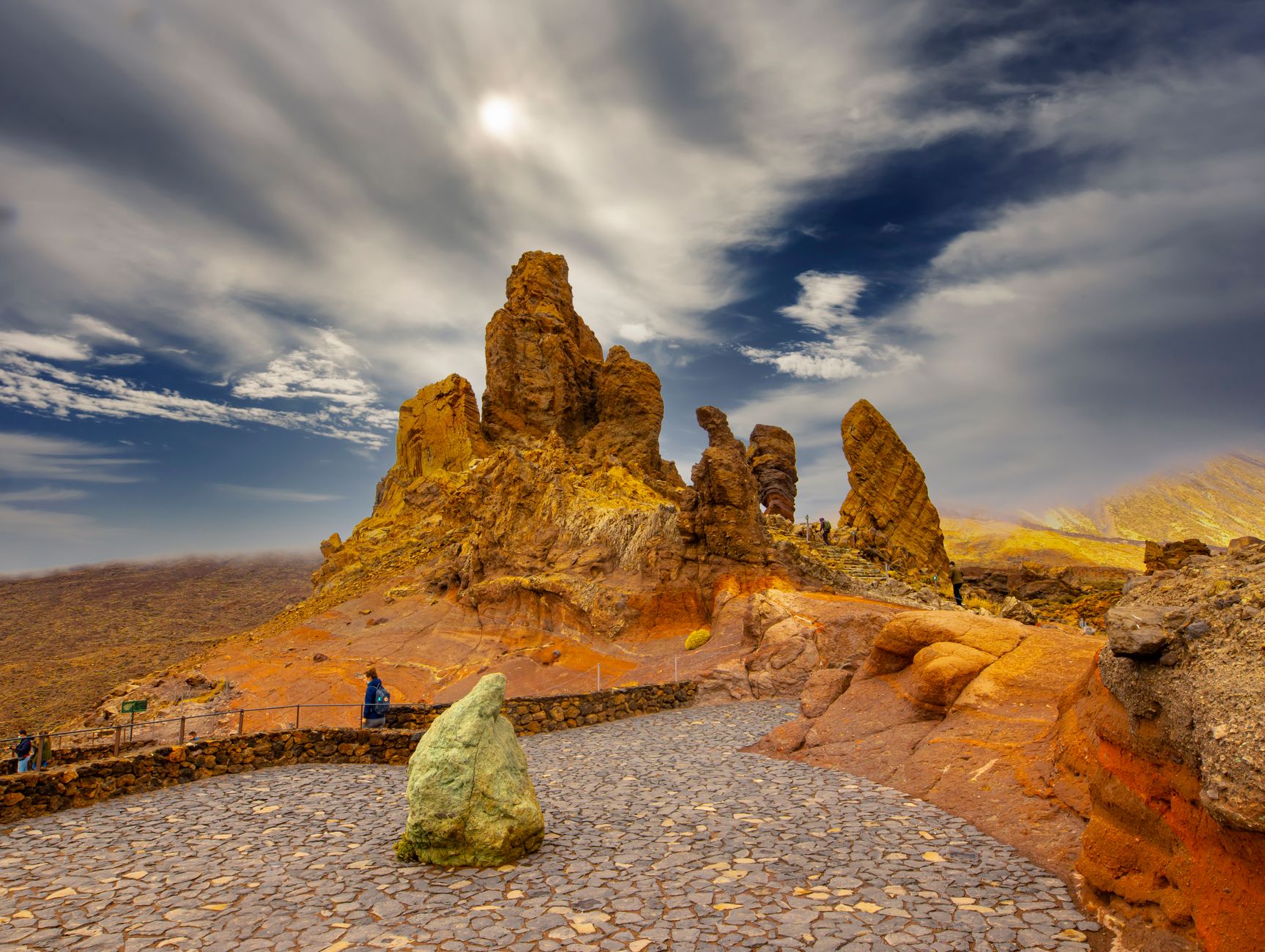
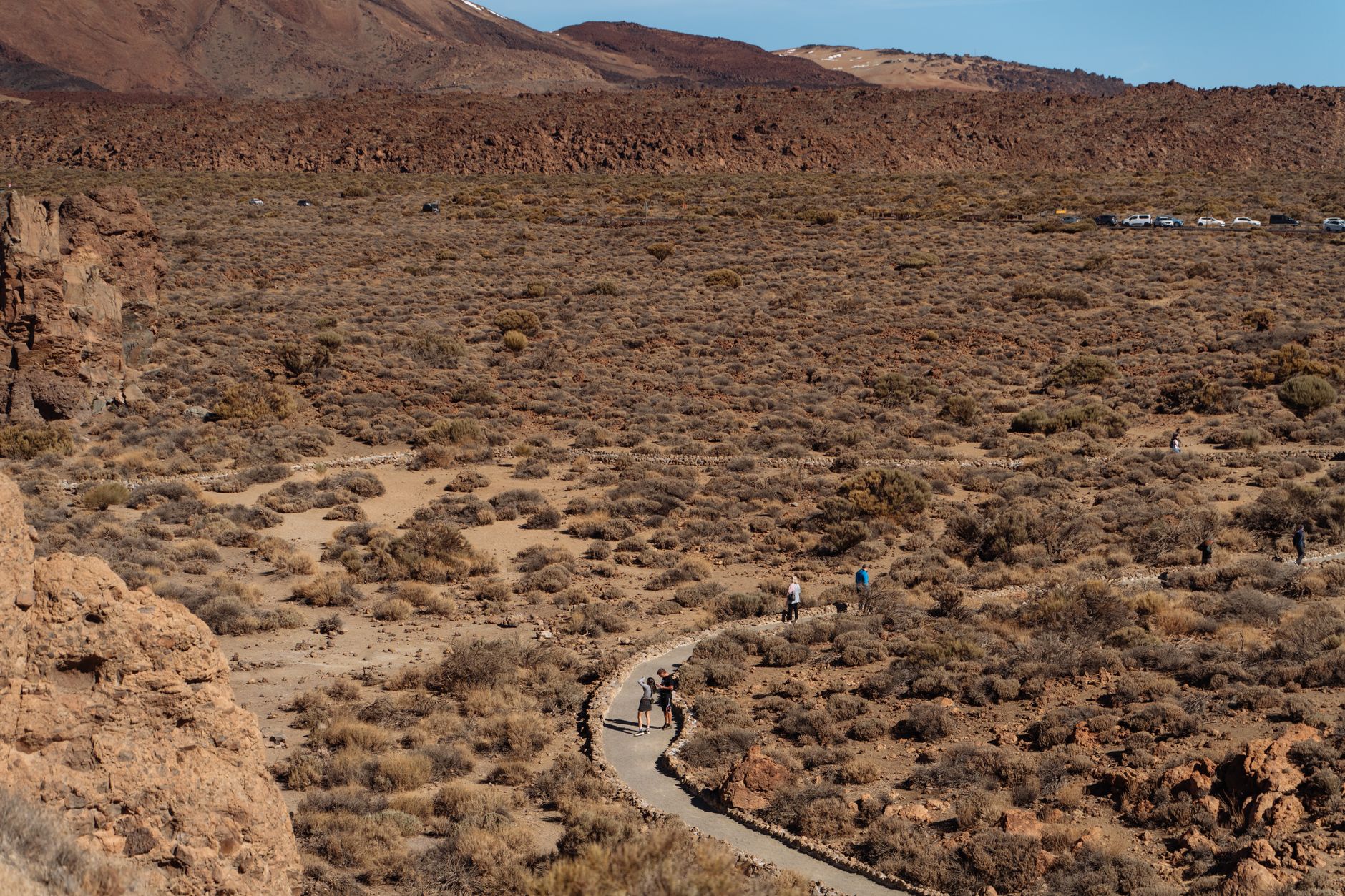
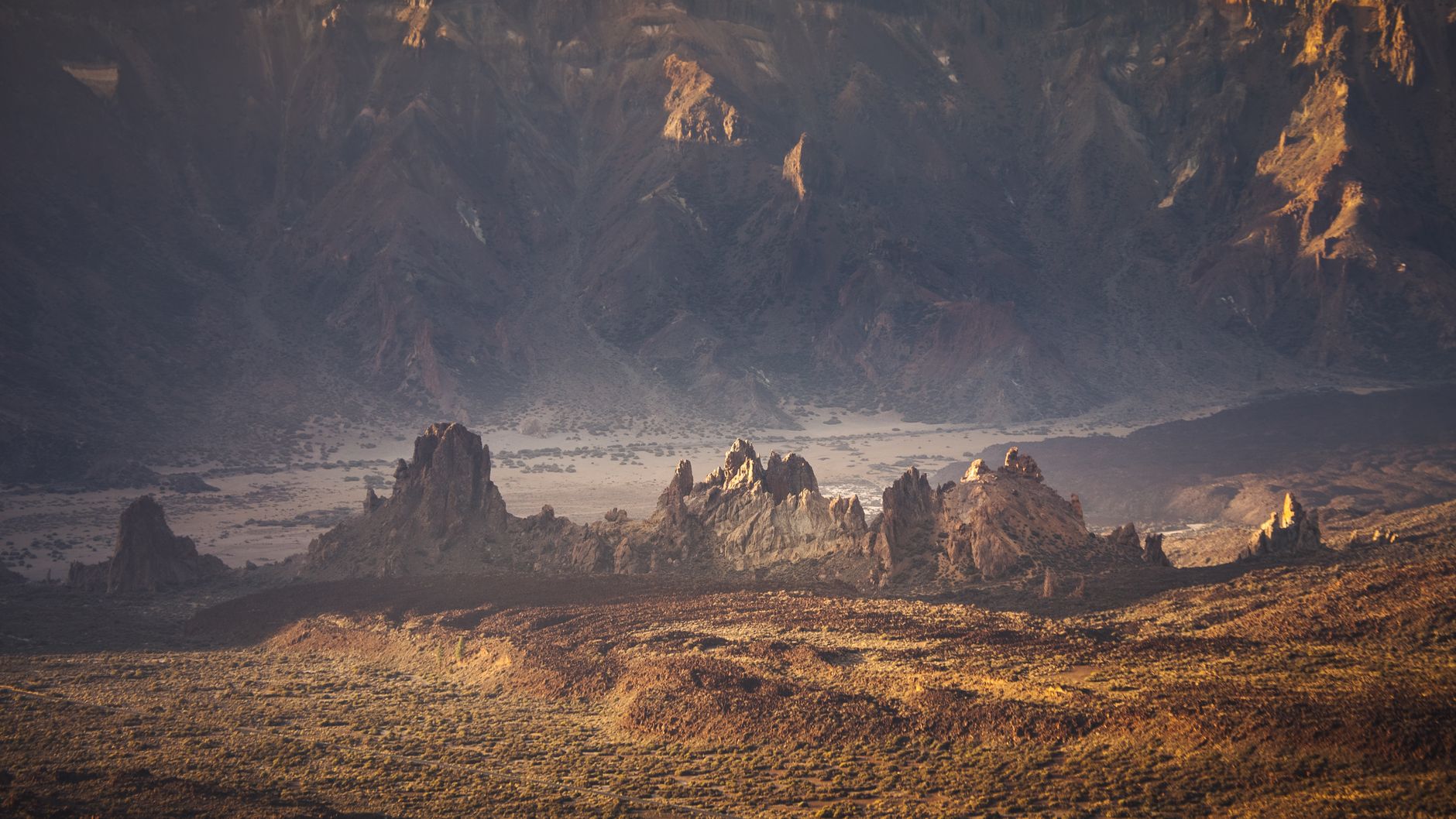
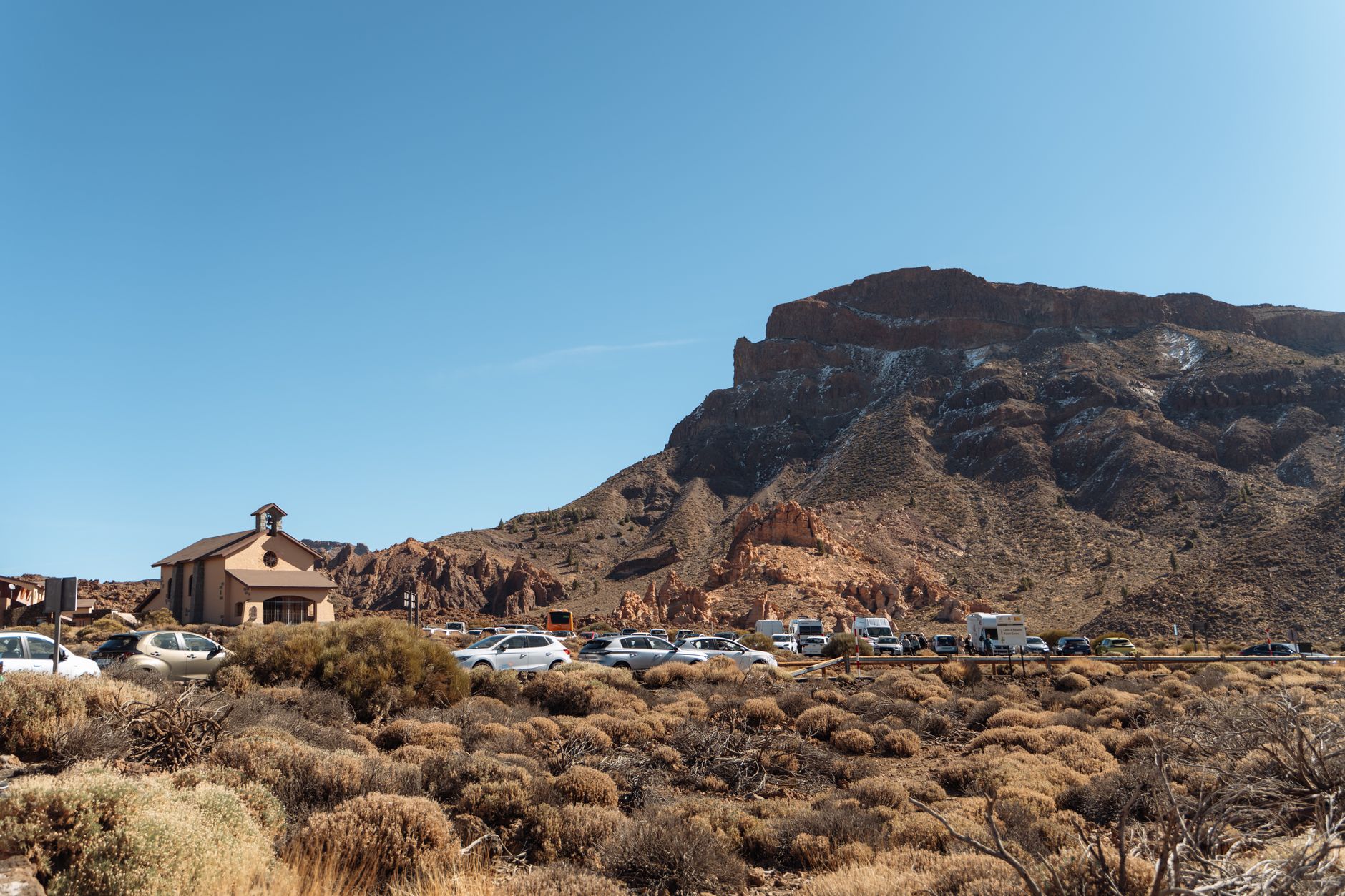
At 3,718 metres, Mount Teide breaks through the clouds that wrap Tenerife's coast — and standing at the cable car's upper station, you're looking down on them, a white sea stretching to the horizon. The park around it is not just a volcano but an entire landscape: the ancient Las Cañadas caldera, 16 kilometres wide, holds lava fields, rust-coloured cinder cones, and the sculpted rock towers of Roques de García, some rising 150 metres from the crater floor.
This is Spain's highest ground and one of its oldest protected areas, established in 1954. The summit permit is limited to 200 people a day, so the scale of the place rarely feels crowded. Most visitors come for the cable car or a viewpoint loop, but the park rewards the ones who slow down.
💛 What travellers fall for
People who come back tend to book the Altavista refuge at 3,270 metres and walk the summit at dawn before the cable car starts. They also mention the stargazing tours — the Teide Observatory has operated since 1964, and at this altitude, far above the coastal haze, the sky is genuinely different.
How Teide National Park came to be
The caldera's north wall collapsed around 170,000 years ago, and Teide began building itself from that scar. The Guanches, Tenerife's aboriginal people, called it Echeyde — the gate to hell — and treated the mountain as sacred ground. When European scientists arrived, they found something else: Alexander von Humboldt, Leopold von Buch, and Charles Lyell all worked here, and their observations helped establish modern volcanology. The park was formally protected in 1954, becoming Spain's third national park, and UNESCO added World Heritage status in 2007.
The last eruption came not from Teide itself but from the El Chinyero vent on the northwestern Santiago rift, in late 1909. The volcano is dormant, not extinct.
Who and what shaped it
People who shaped it
Landmark buildings
See Teide National Park in motion
Plan your visit
On the map
When to go
Summers bring warm days at altitude — highs around 28°C — but nights drop to single figures year-round, so layers are non-negotiable at any season. Winter sees genuine cold, occasional snow between December and March, and lows around –4°C; spring and autumn are the steadiest windows, with mild days and the park's endemic plants in flower.
Right now
Background & history adapted from Wikipedia (CC BY-SA) · specs from Wikidata (CC0) · weather from Open-Meteo · map data © OpenStreetMap contributors · photos from Wikimedia Commons / Unsplash with per-image credit. No third-party reviews or social posts reproduced.