
Tarifa
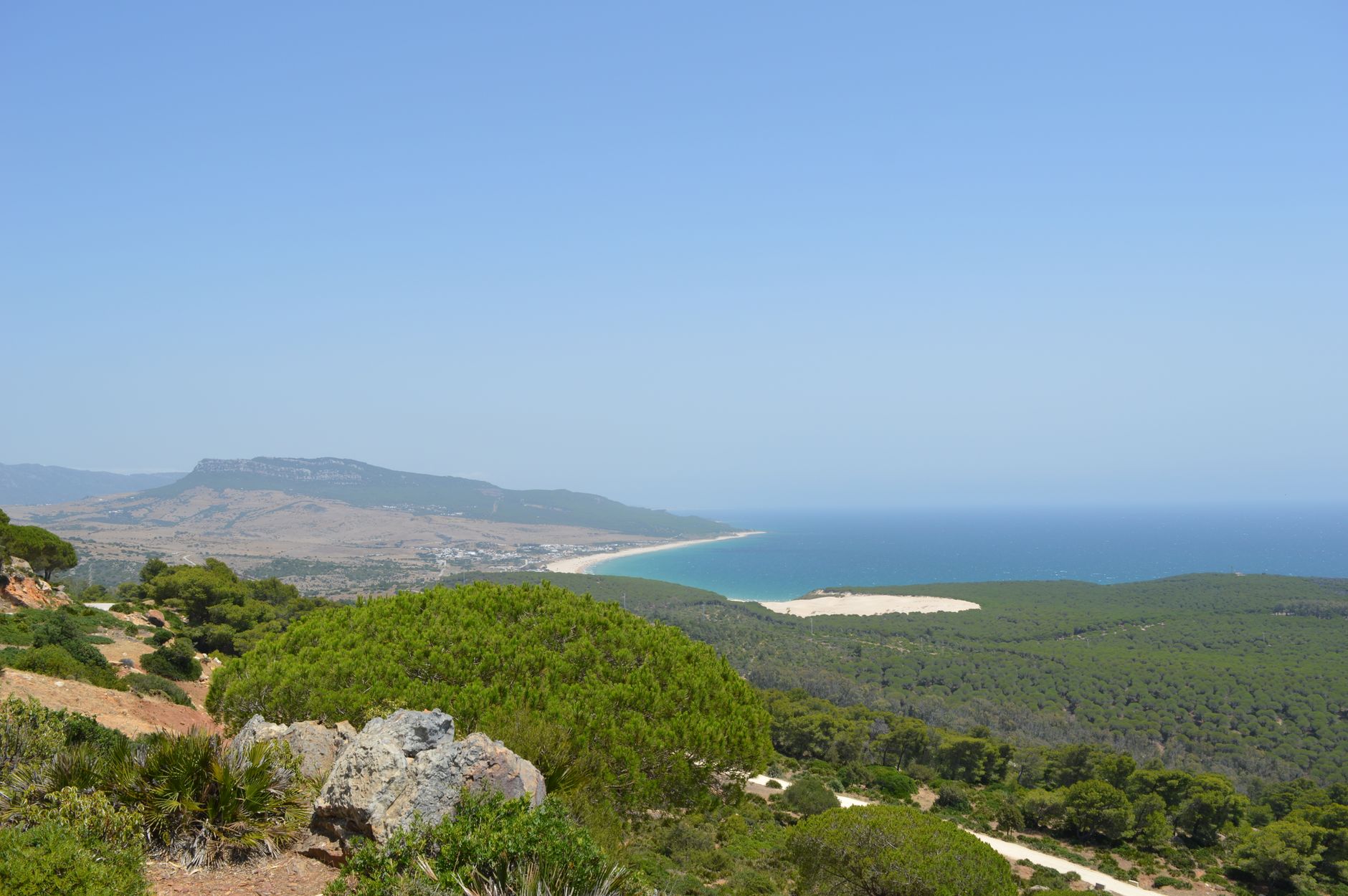
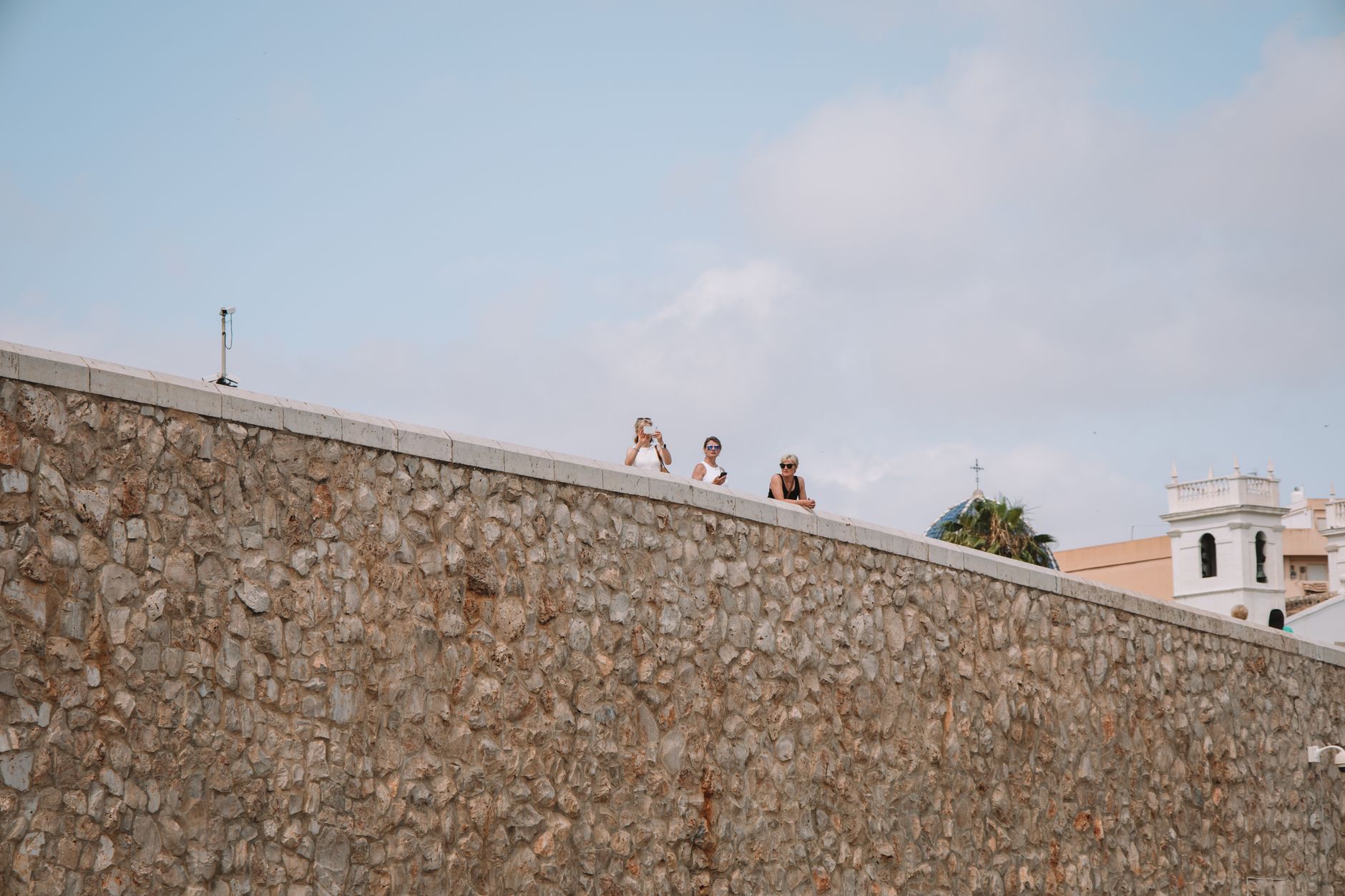
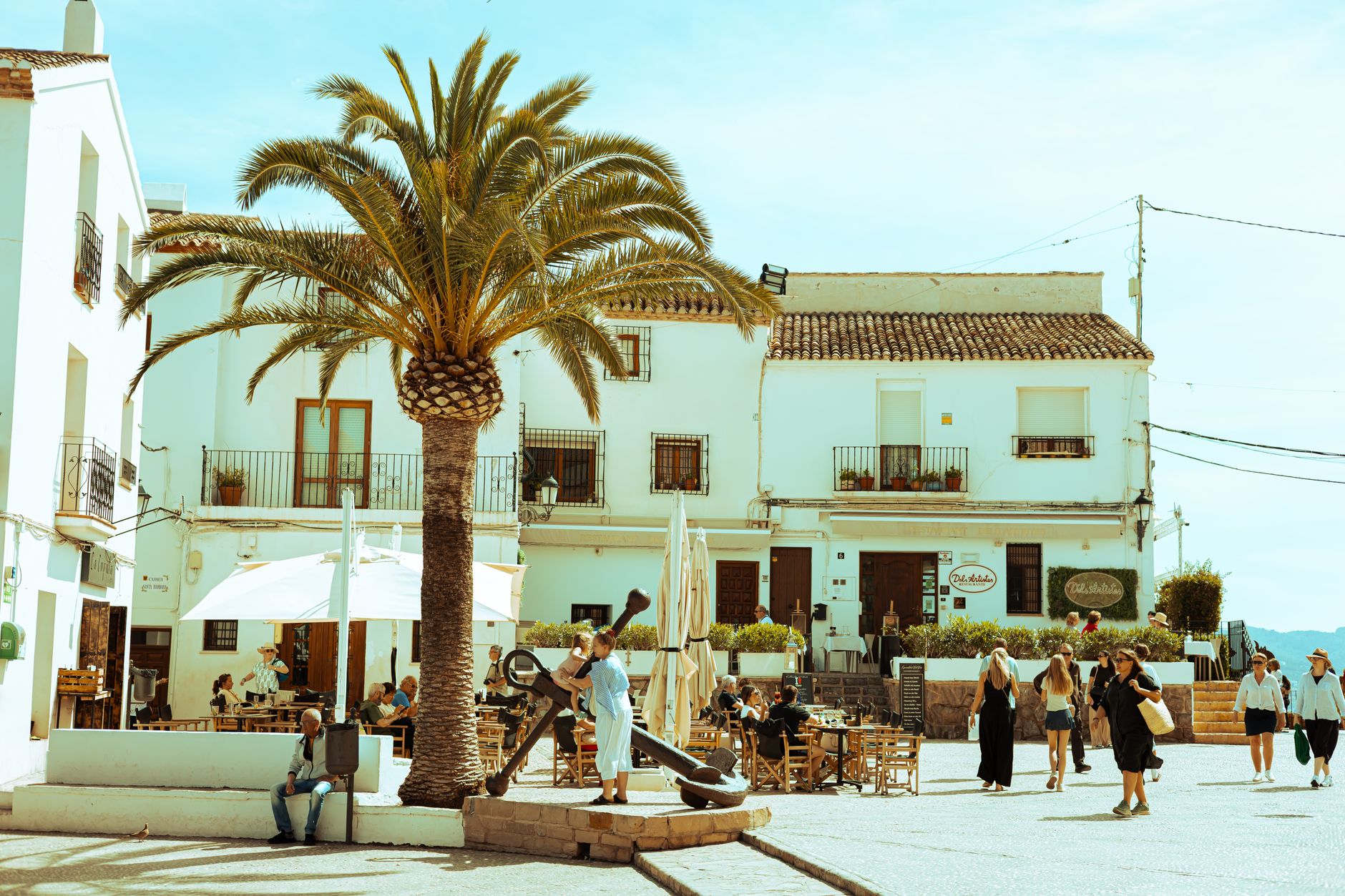
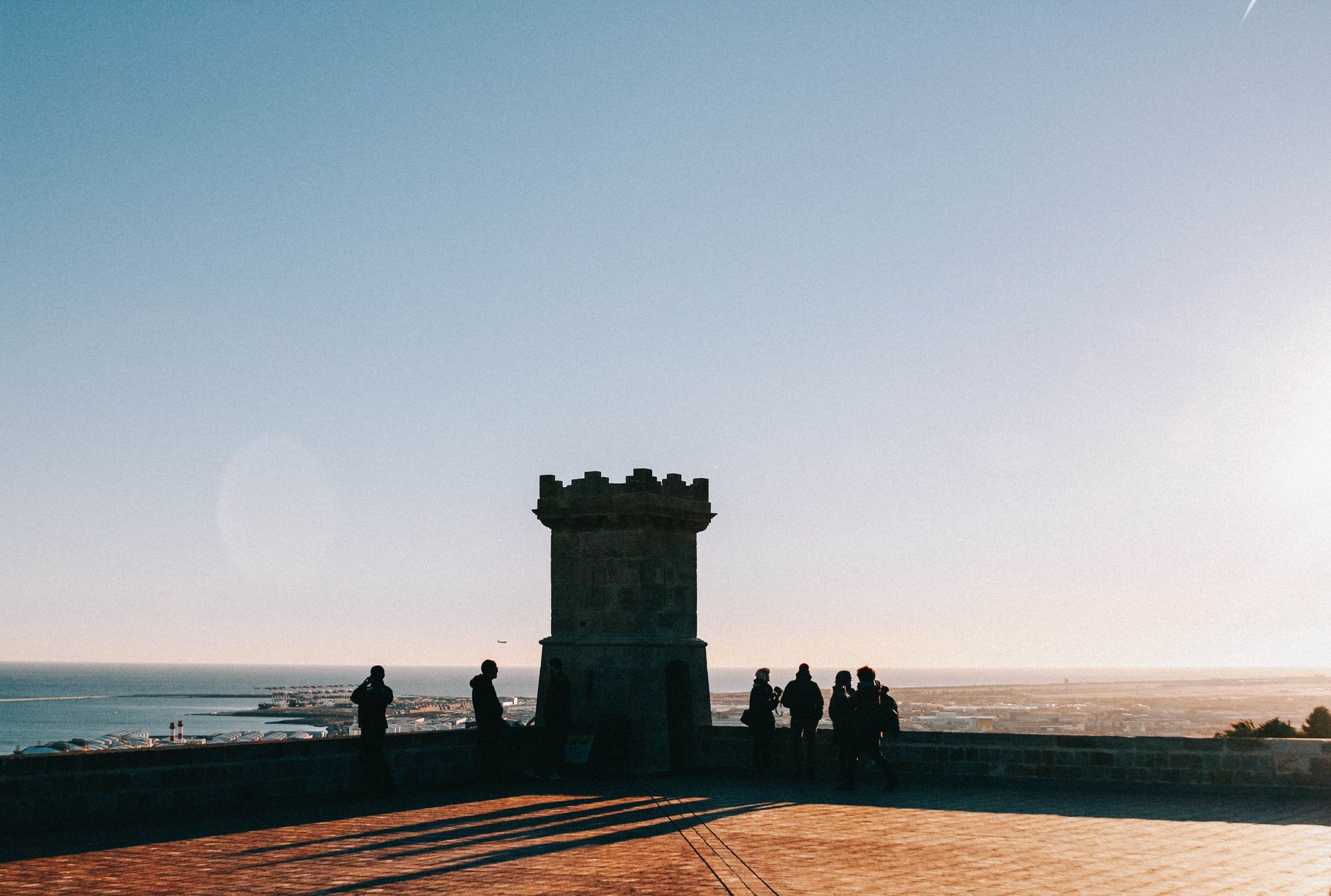
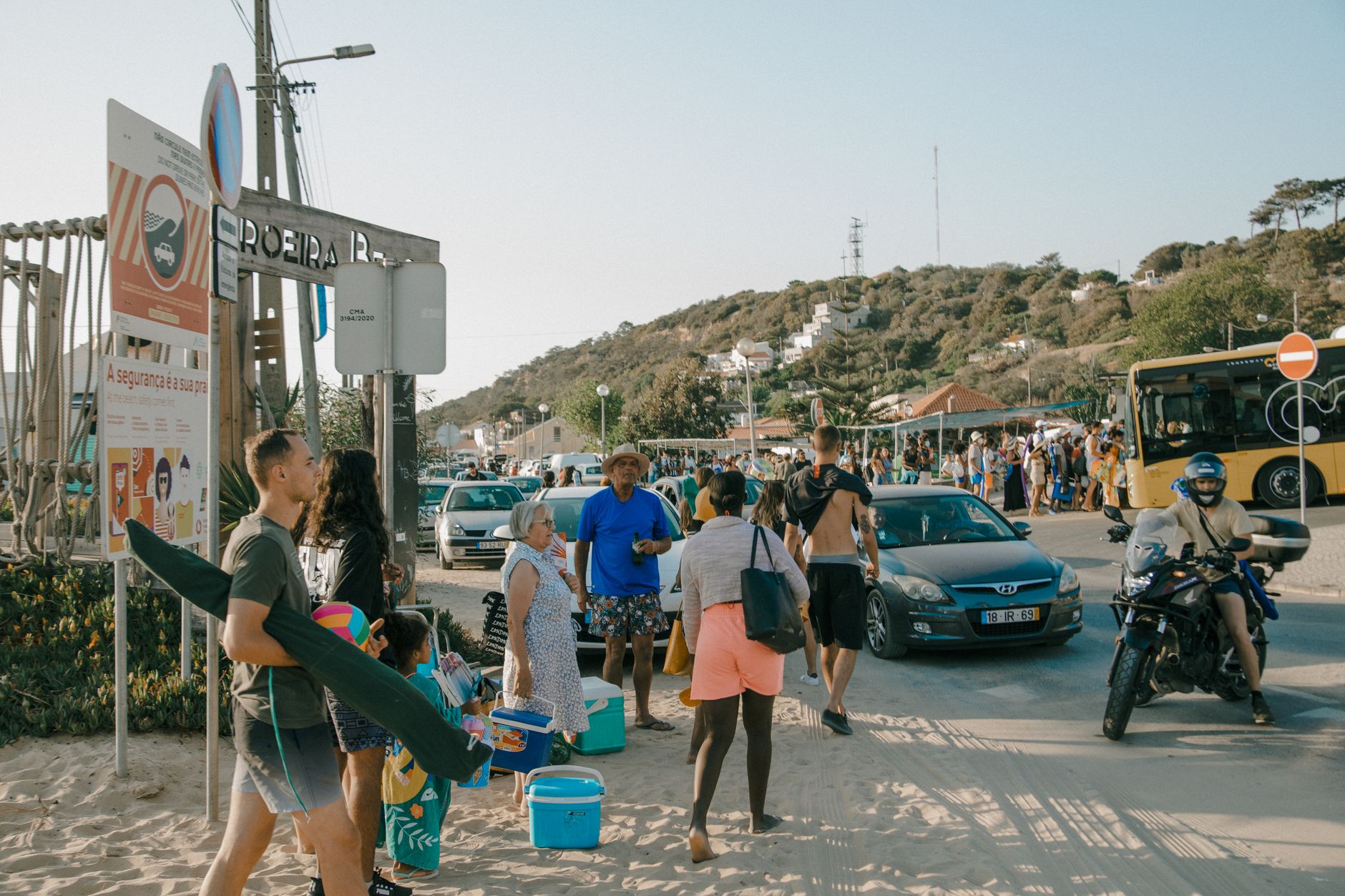
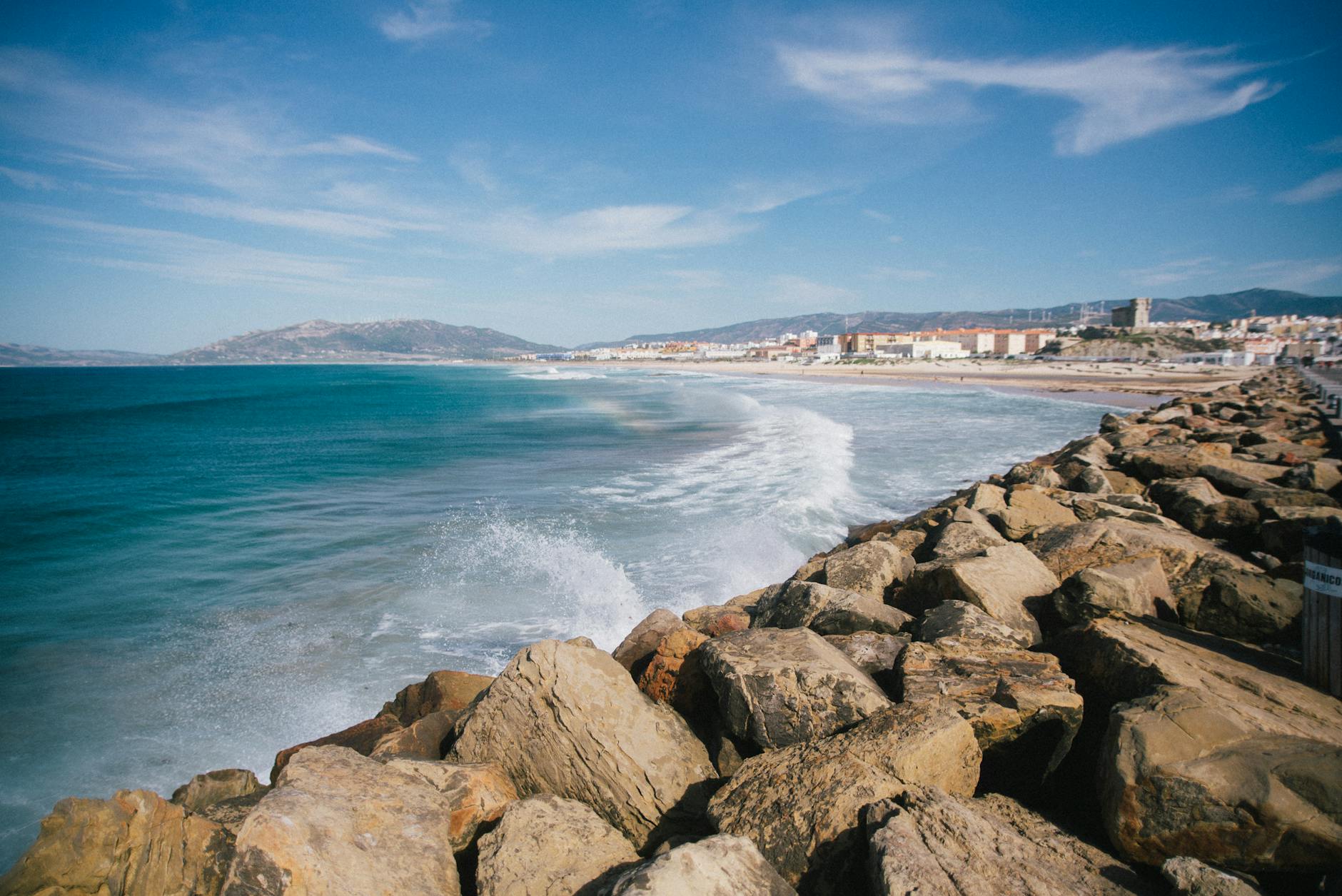
Stand at Isla de las Palomas and you are, technically, at the southernmost point of continental Europe — with Morocco's Rif Mountains visible across fourteen kilometres of open water. Two continents face each other here, and the wind between them is constant, sometimes ferocious, always present. Tarifa's streets are narrow and whitewashed in the Andalusian fashion, but the town has its own distinct register: medieval walls still standing, a castle built by a Moorish caliph, and a harbour that sends daily ferries to Tangier.
In the 1980s, windsurfers found what the Berbers and Romans and Castilian kings had already known — this is a place the world passes through. That energy has never quite left.
💛 What travellers fall for
People who come back tend to time their visit around the poniente, the westerly wind that makes the sea choppy but keeps the air clear enough to see Africa from the castle walls. They eat at the old town's smaller spots on Calle Sancho IV El Bravo, take the bus to Bolonia in the morning before the day-trippers arrive, and never bother with a hire car inside the walls.
Deals in Tarifa
Book directly at the provider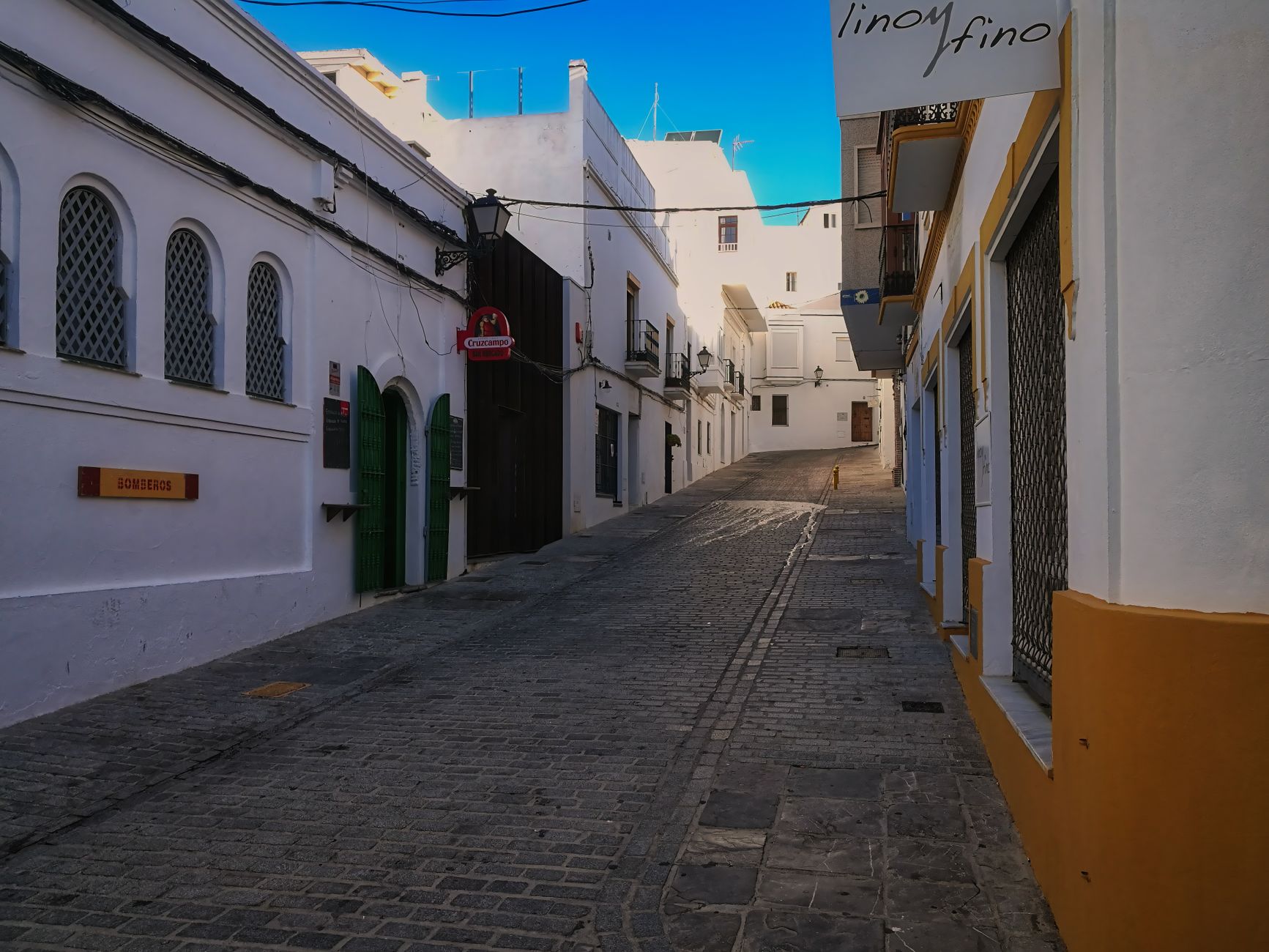

How Tarifa came to be
Bronze Age settlers fortified this narrow strip of land nearly three thousand years ago. Greeks came, then Rome, which established its first colony in Spain here. In 711, the Berber chieftain Tarif Ibn Malluk crossed from North Africa and used the town as a bridgehead for the Muslim conquest of the Iberian Peninsula — the name Tarifa derives from his. Two and a half centuries later, in 960, Caliph Abderramán III ordered the construction of what is now called Guzmán el Bueno Castle.
In 1292, Sancho IV of Castile took the town back from Muslim rule. Two years later it was besieged again, and the Castilian commander Alonso Pérez de Guzmán — later known as Guzmán el Bueno — held it. The 13th-century walls he defended still ring the old town today.
Who and what shaped it
People who shaped it
Landmark buildings
See Tarifa in motion
Plan your visit
On the map
When to go
The wind is the defining fact of Tarifa's climate: the easterly levante can exceed 100 kph and arrives without much warning, while the westerly poniente is milder but persistent. Summer stays cooler than the rest of Andalusia — August averages around 23°C — making July and August genuinely comfortable, though the wind rarely drops; spring and autumn bring more rain but also quieter streets and sharper light.
Right now
Background & history adapted from Wikipedia (CC BY-SA) · specs from Wikidata (CC0) · weather from Open-Meteo · map data © OpenStreetMap contributors · photos from Wikimedia Commons / Unsplash with per-image credit. No third-party reviews or social posts reproduced.