
Taormina
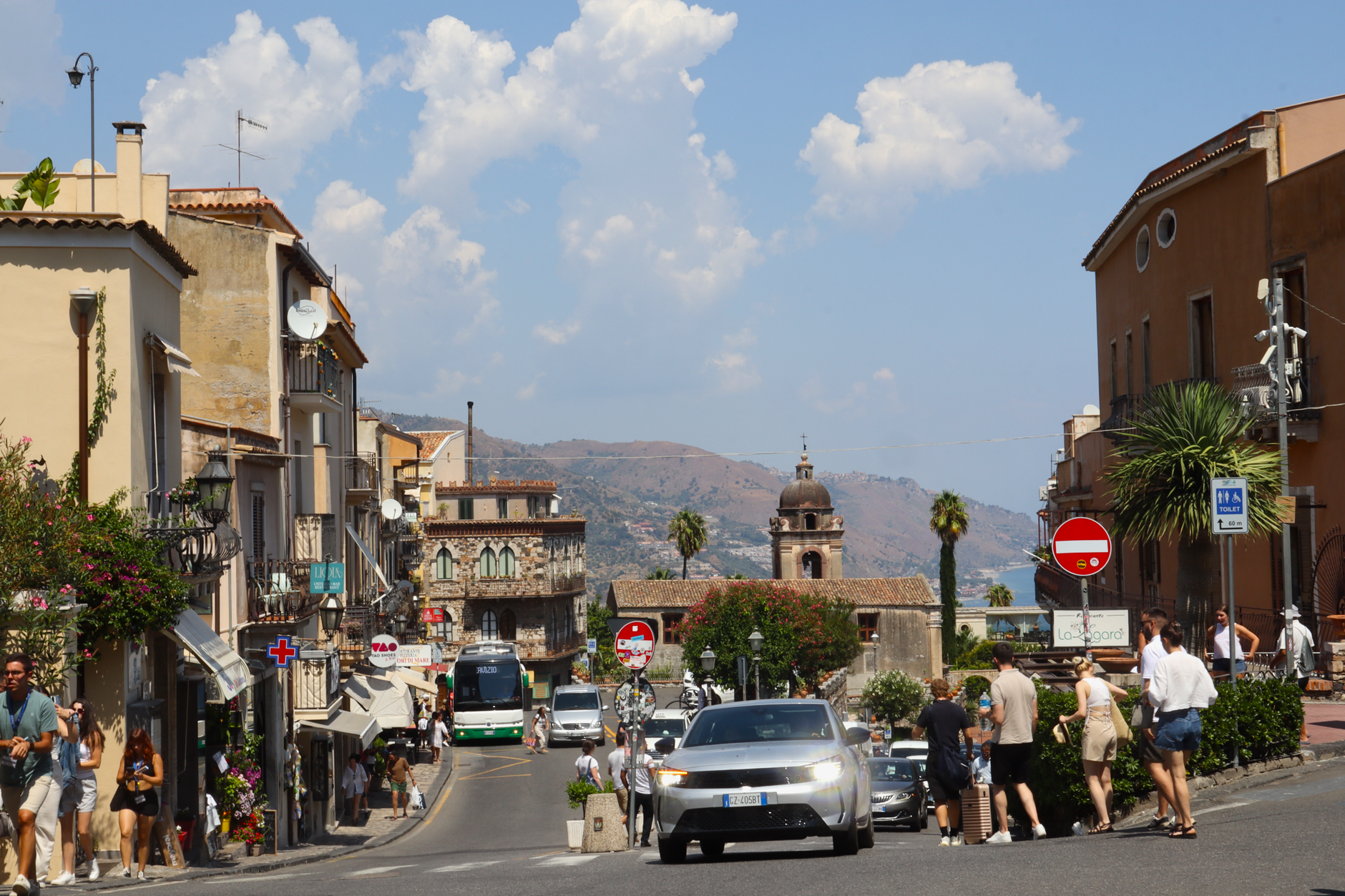
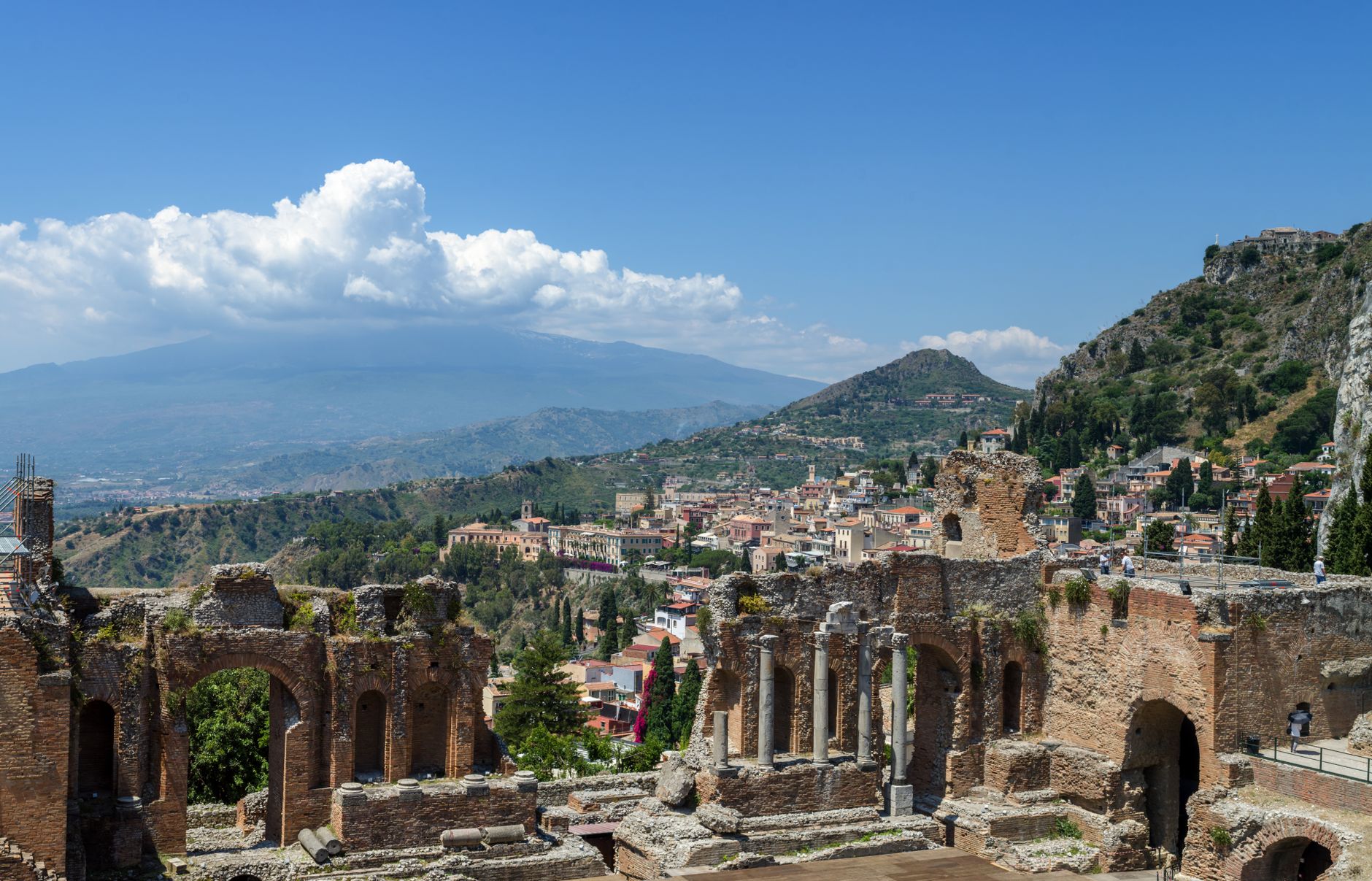
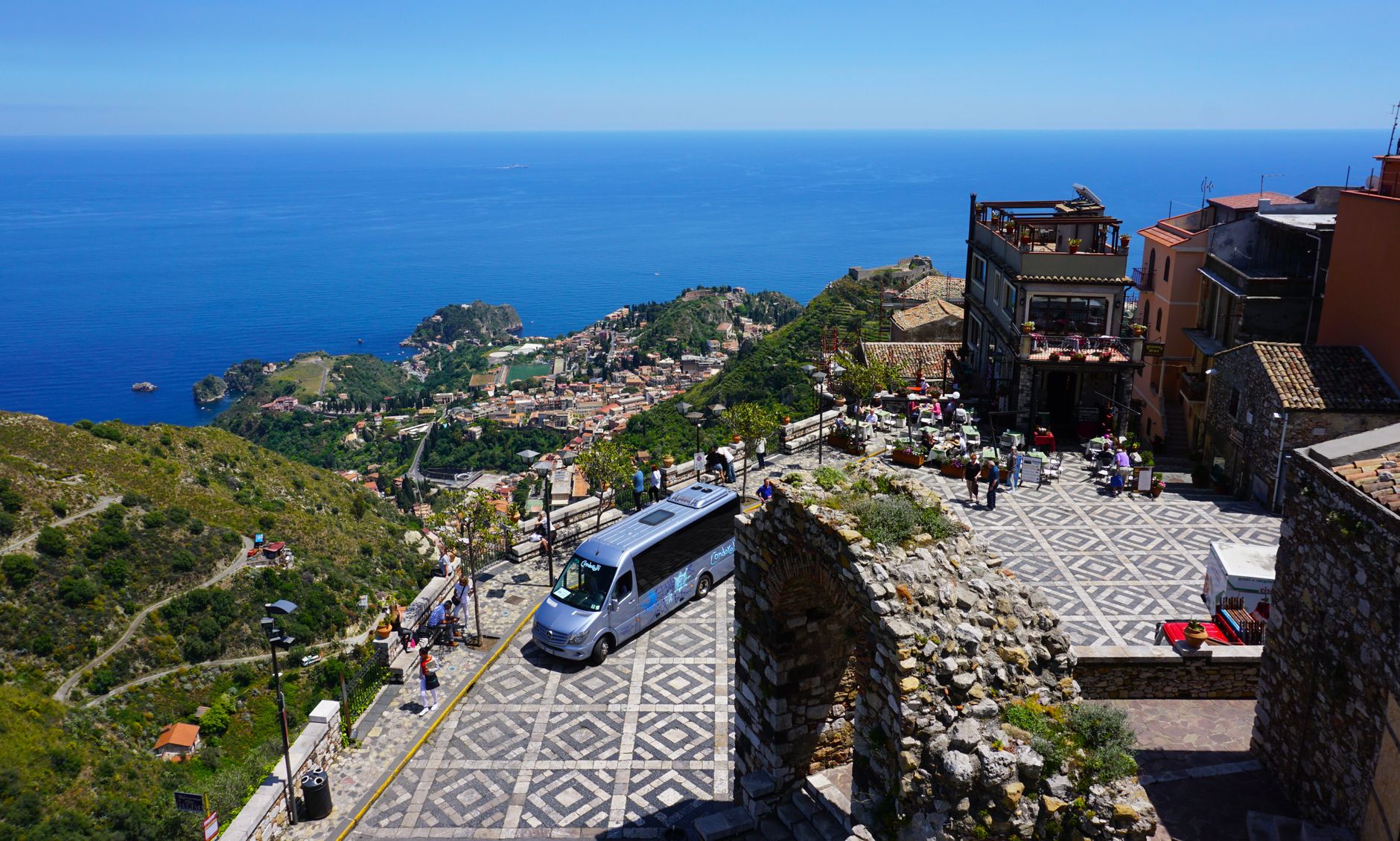
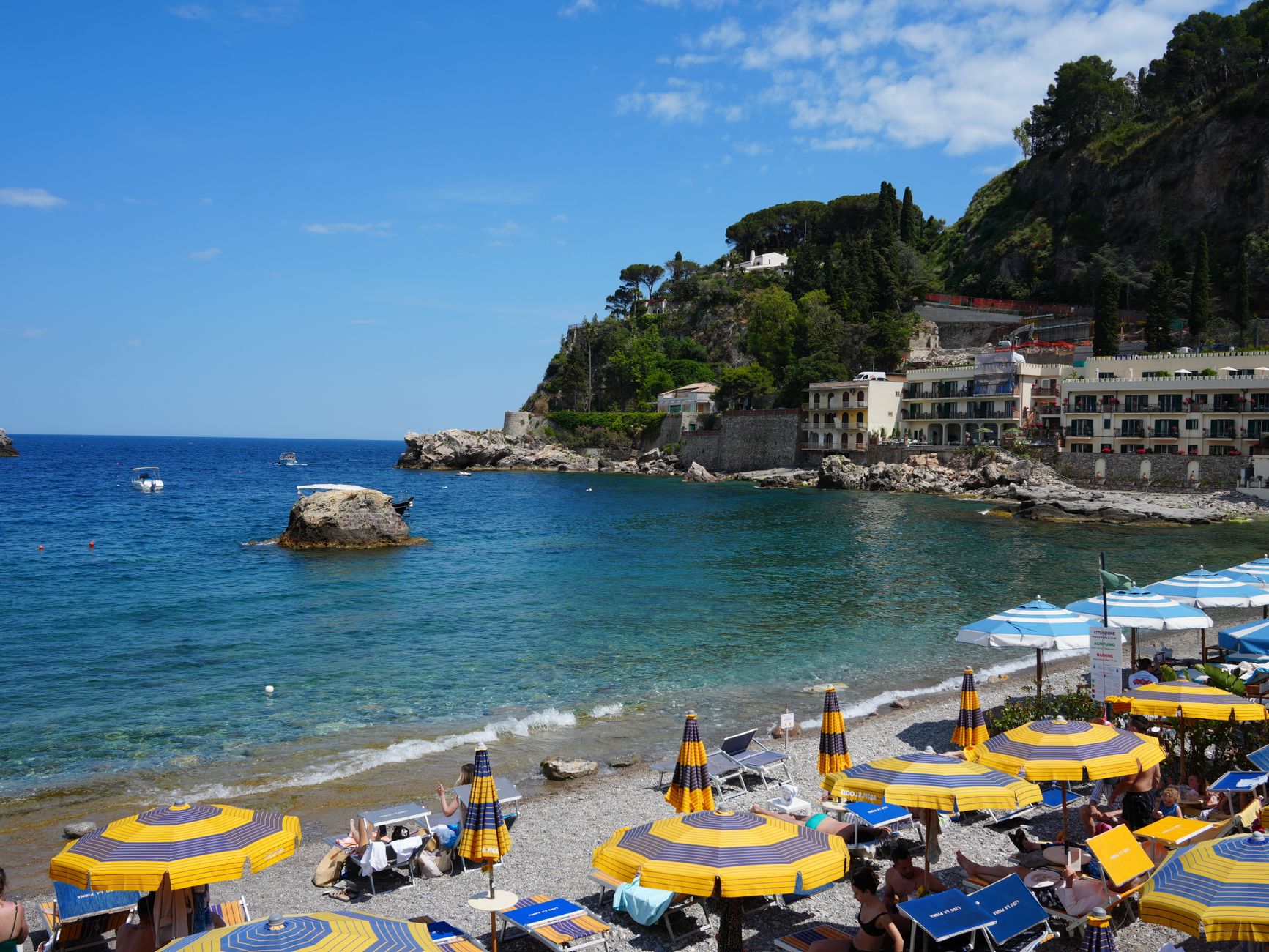
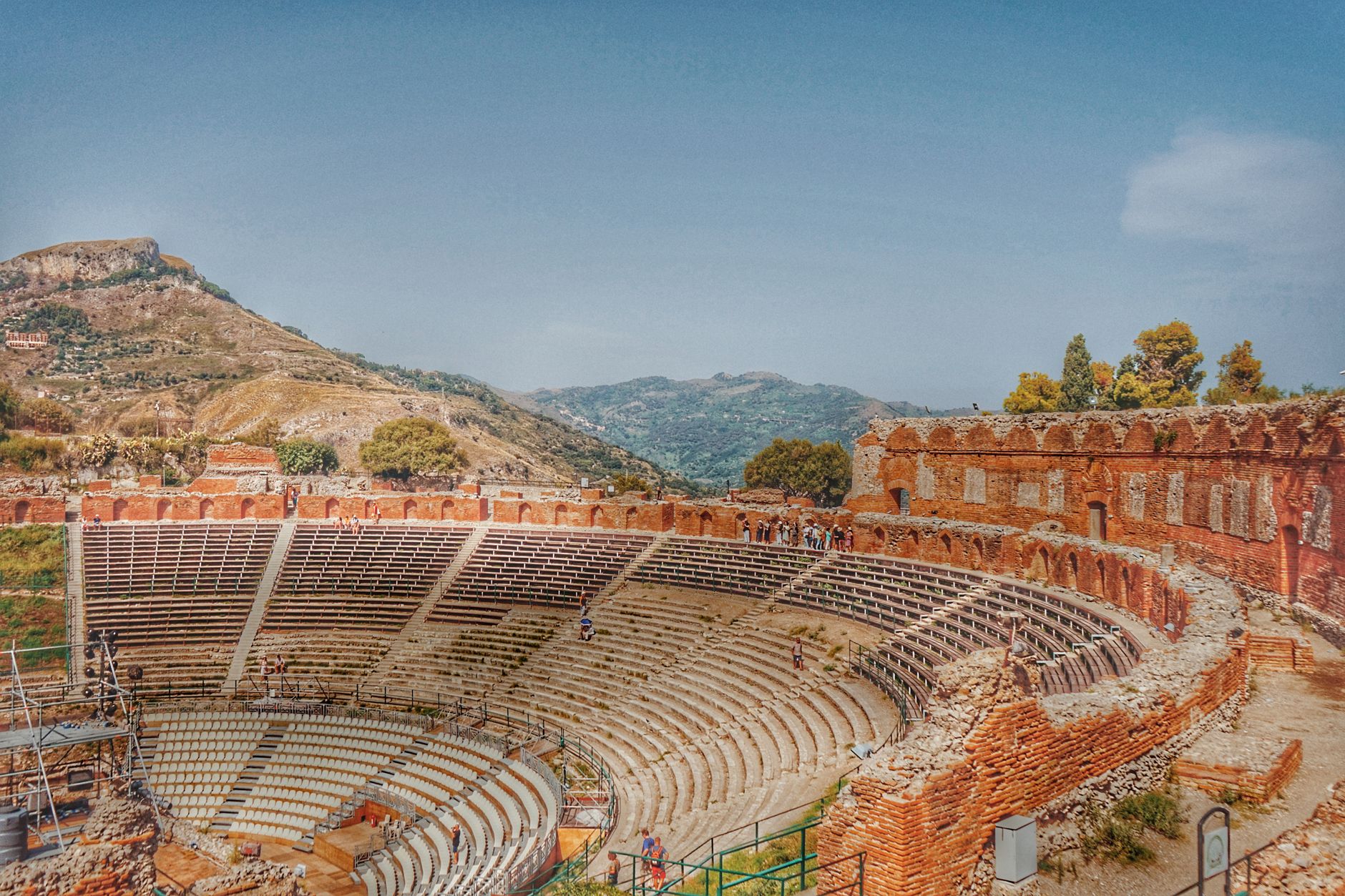
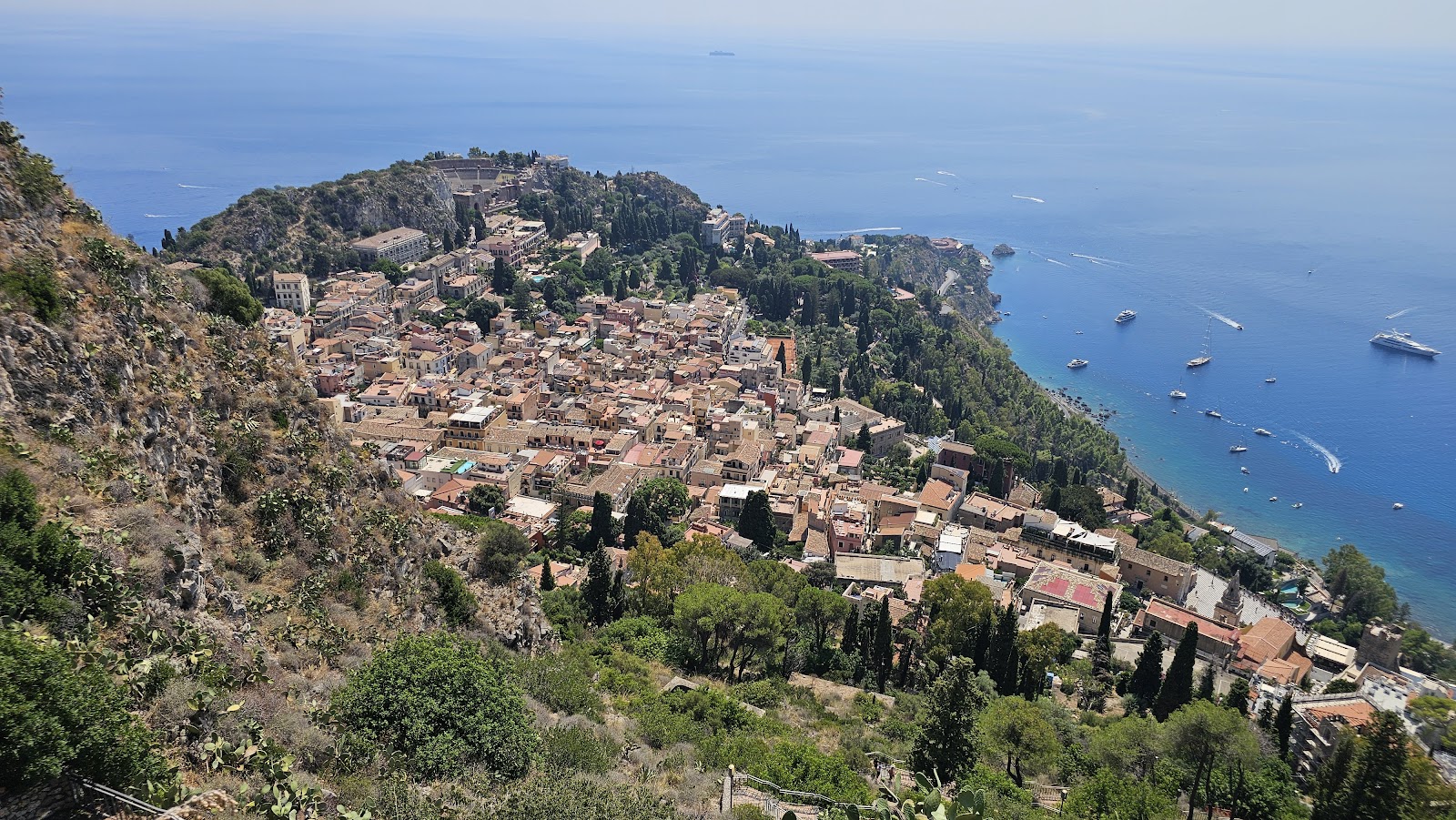
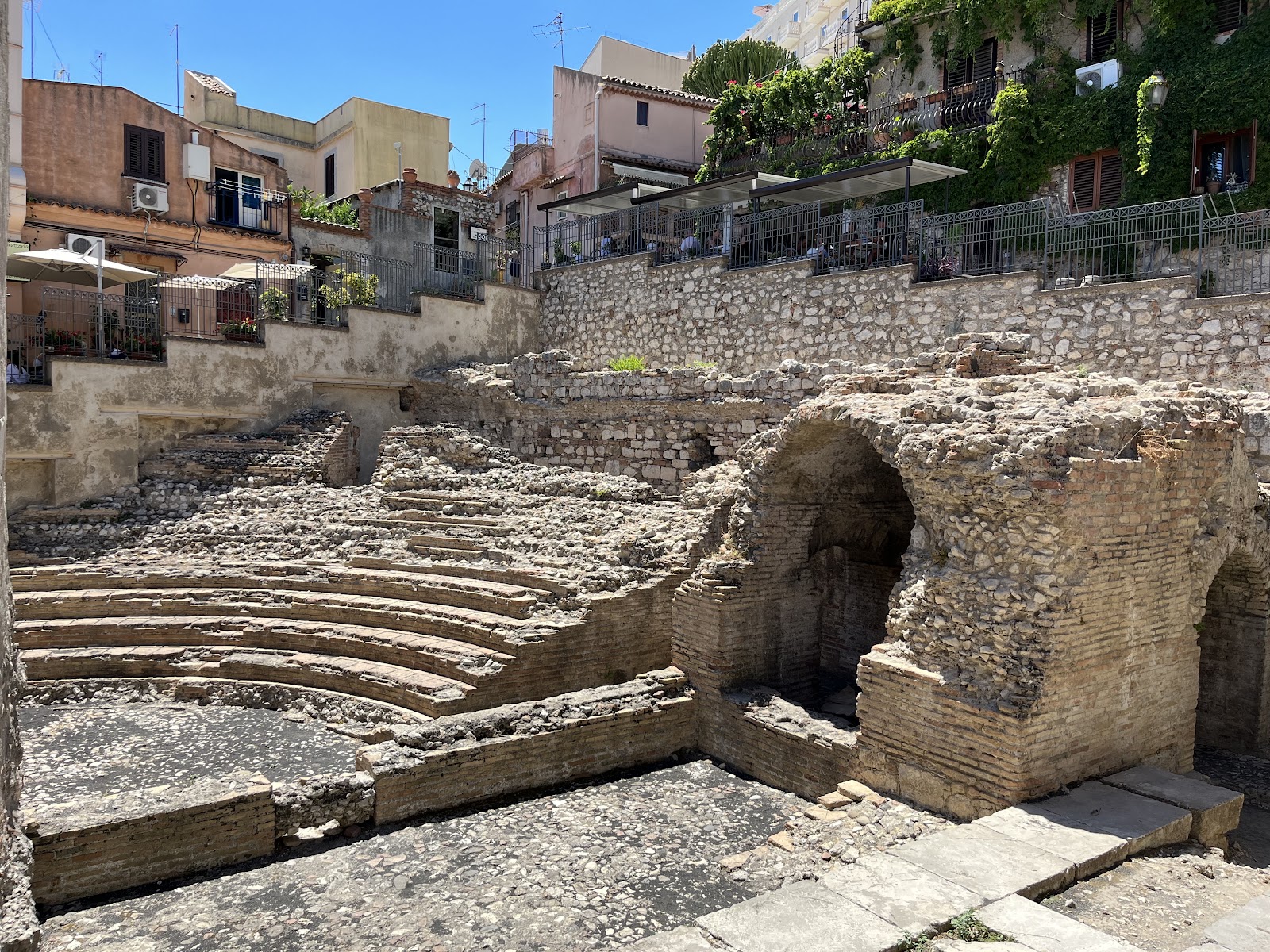
Taormina sits on a ridge 200 metres above the Ionian Sea, and the view from the Ancient Theatre — Mount Etna smouldering to the southwest, the coastline curving away beneath you — is the kind that makes you stop mid-sentence. The theatre itself has been drawing people here since the third century BC, and the town has never quite stopped performing for its audience.
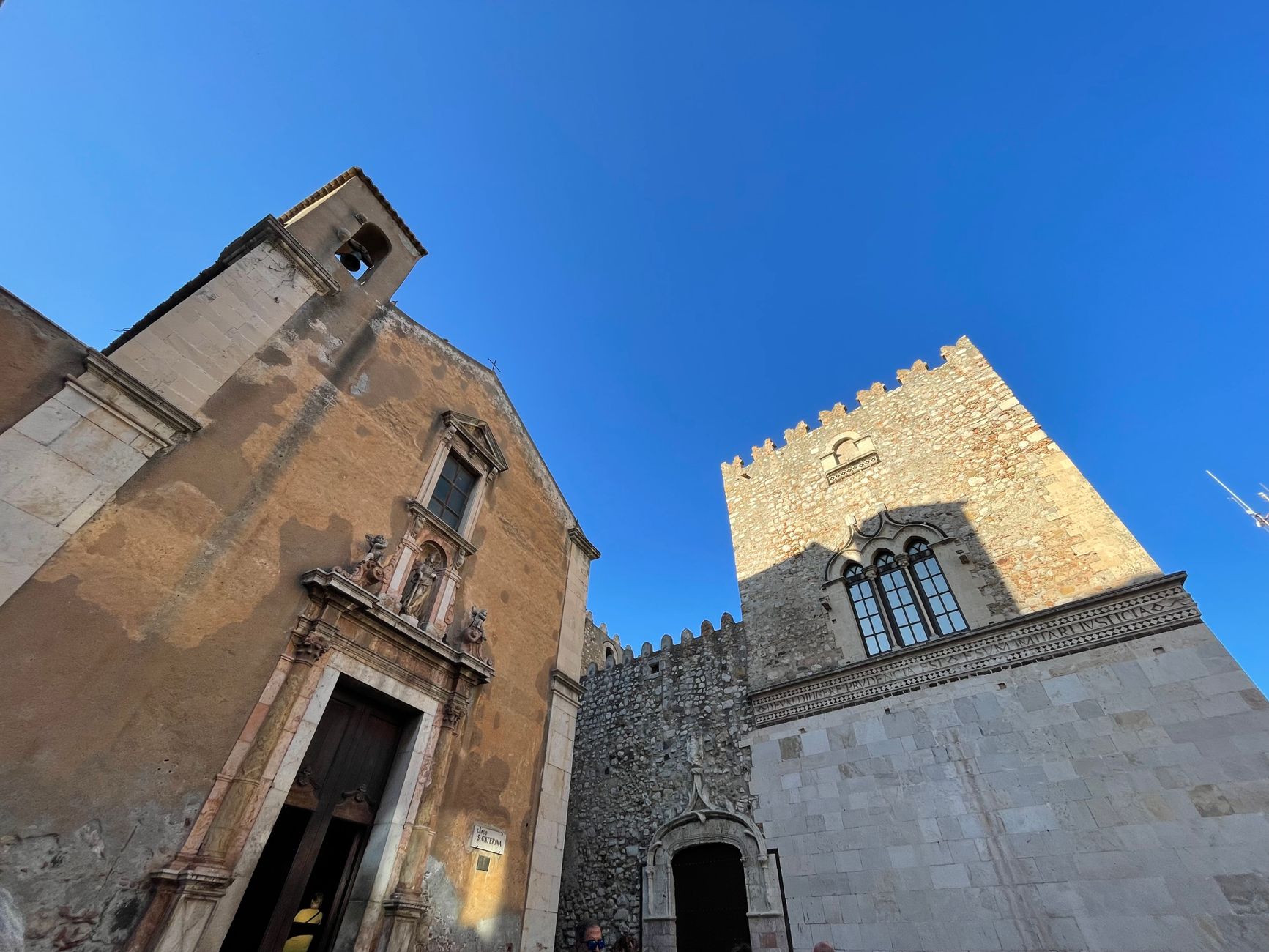
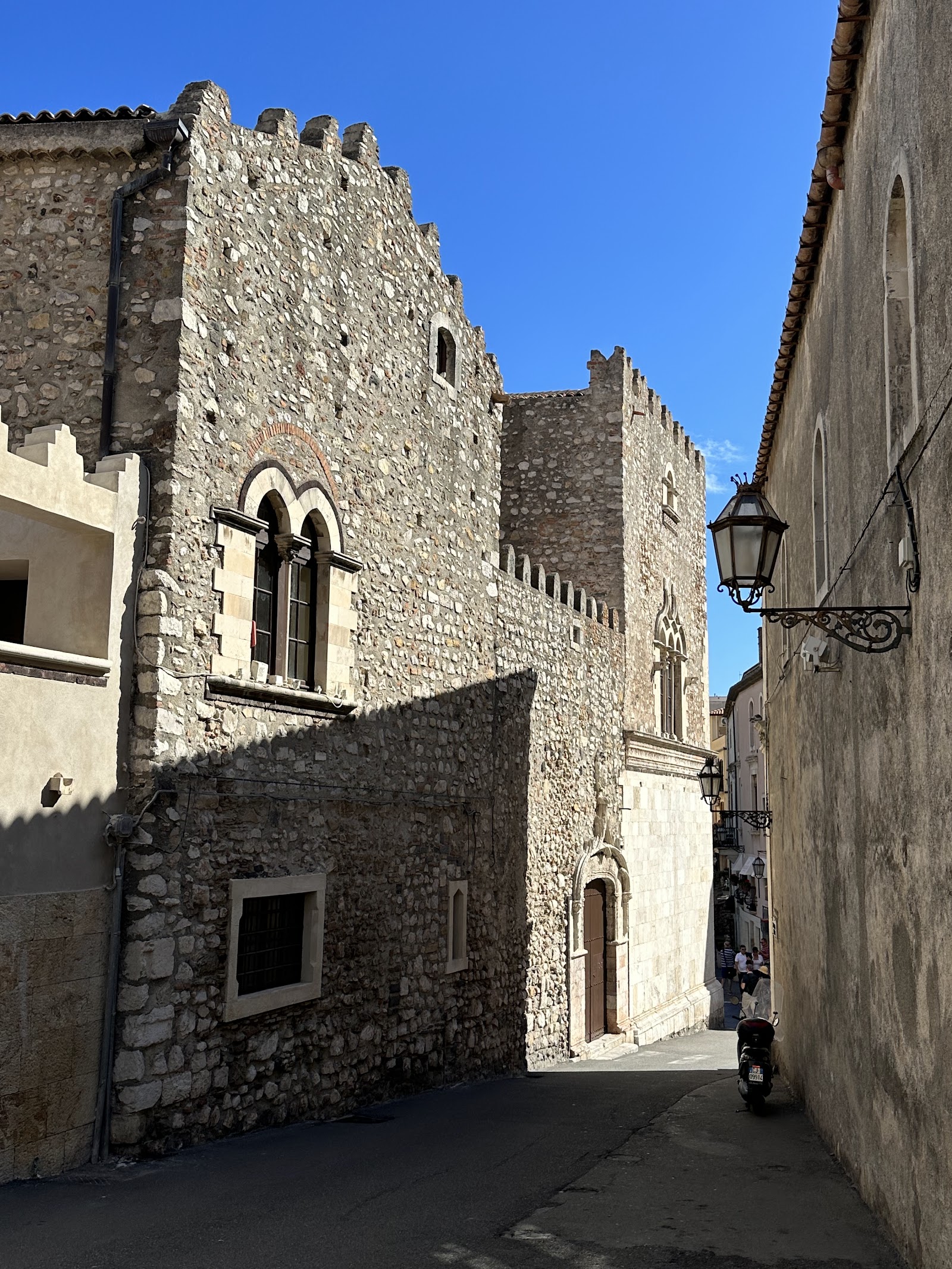
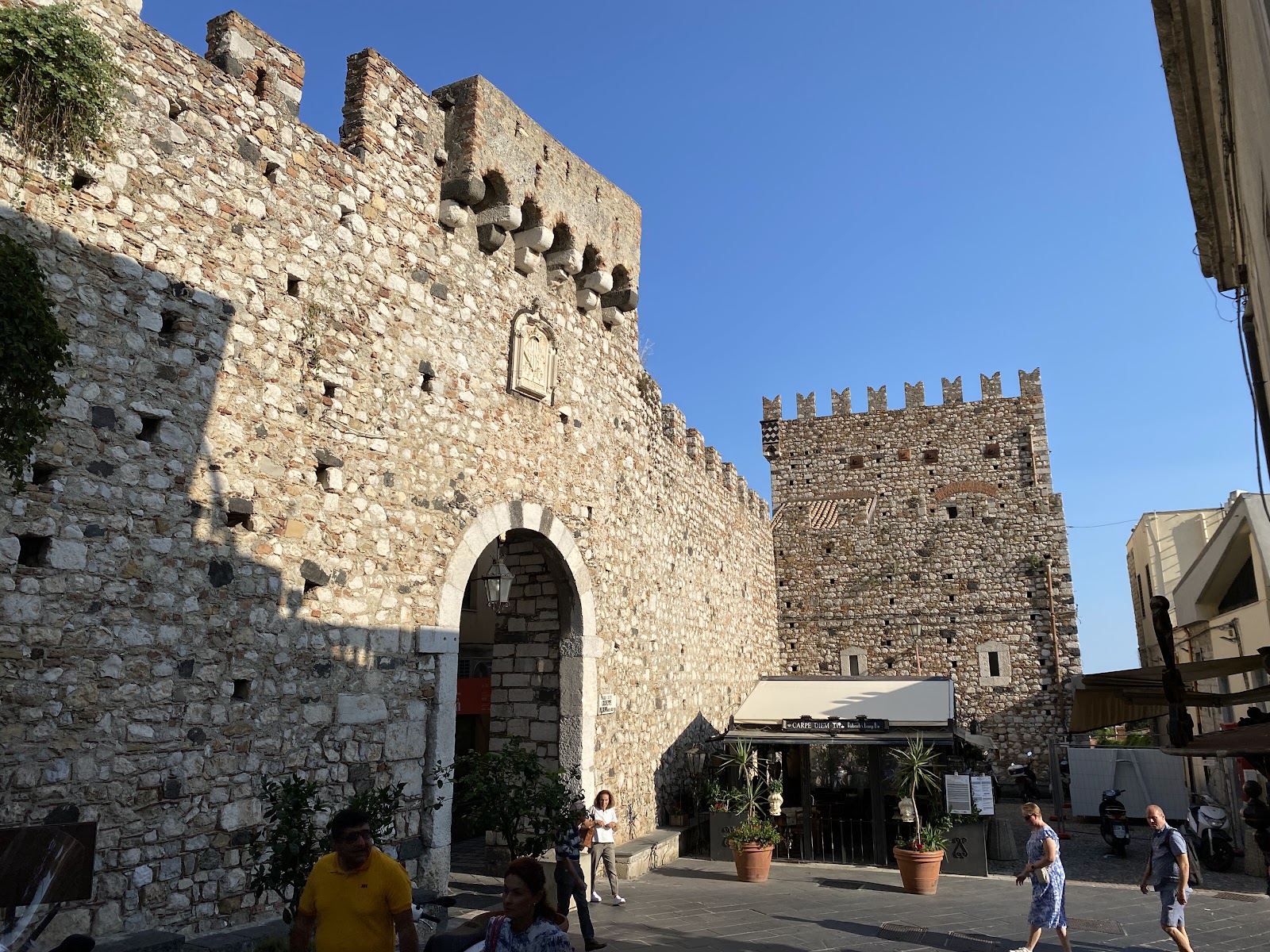
The Corso Umberto runs the length of the old town, threading past Norman gateways, a cathedral built around 1400, and café tables that have hosted, at various points, Goethe, Garbo, and Tennessee Williams. Taormina is well aware of its own appeal, which means prices are high and crowds are real — but the bones of the place are genuinely old and genuinely strange.
💛 What travellers fall for
People who come back tend to arrive in May or October, when the theatre isn't packed and the light on Etna is cleaner. The walk up the Salita Castello to the Santuario Madonna della Rocca gets mentioned often — fewer people make it, and the view of the coast from up there is wider than the one everyone photographs from the theatre.
Deals in Taormina
Book directly at the provider


How Taormina came to be
The site was first settled by Siculians around 358 BC, when survivors of the destroyed Greek colony of Naxos regrouped on the slopes of Mount Taurus and built Tauromènion — complete with agora, acropolis, and the theatre whose bones still stand today. Rome absorbed the town during the First Punic War in 212 BC, and patricians began treating it as a holiday retreat, a habit that has never really ended.
After Rome, the town passed through Arab hands — briefly renamed Al-Mu'izziyya in 962 — before the Norman count Roger I took it in 1078. Spanish rule in the 17th century brought the formal status of city. By the 1860s, following Italian unification, northern European travellers were arriving in numbers, and the photographers and painters followed: Wilhelm von Gloeden settled here in 1880, Robert Hawthorn Kitson in 1899.
Who and what shaped it
People who shaped it
Landmark buildings
See Taormina in motion
Plan your visit
On the map
When to go
Summers are hot and dry, with July and August temperatures regularly above 30°C and the town at its most crowded. Spring (April–June) and autumn (September–October) offer warm, clear days and a more manageable pace; winters are mild but can bring rain and occasional cloud cover over Etna.
Right now
↡ Attractions



Background & history adapted from Wikipedia (CC BY-SA) · specs from Wikidata (CC0) · weather from Open-Meteo · map data © OpenStreetMap contributors · photos from Wikimedia Commons / Unsplash with per-image credit. No third-party reviews or social posts reproduced.