
Tana Toraja
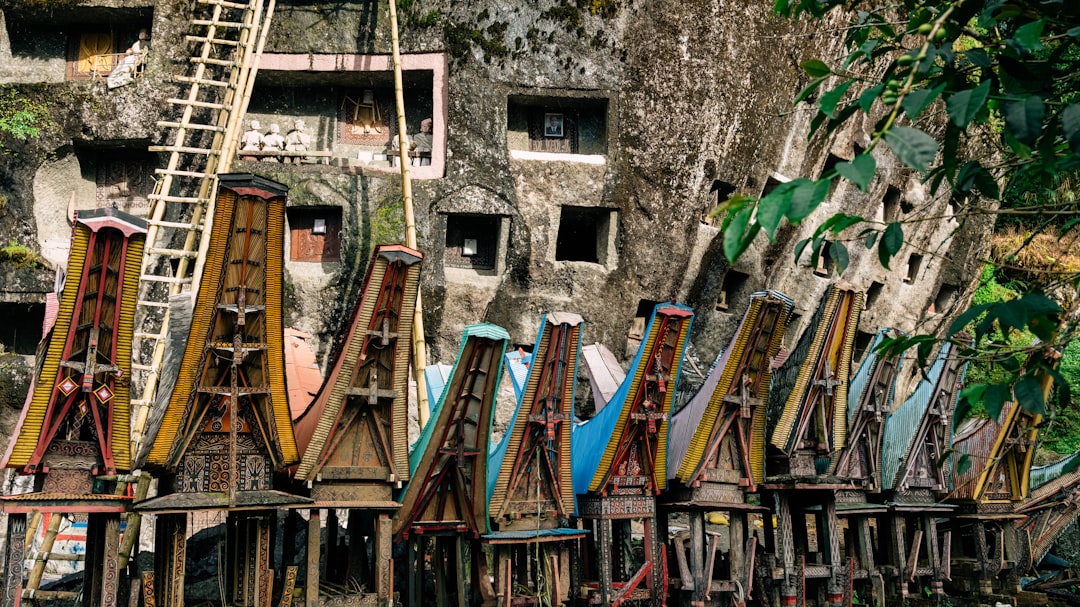
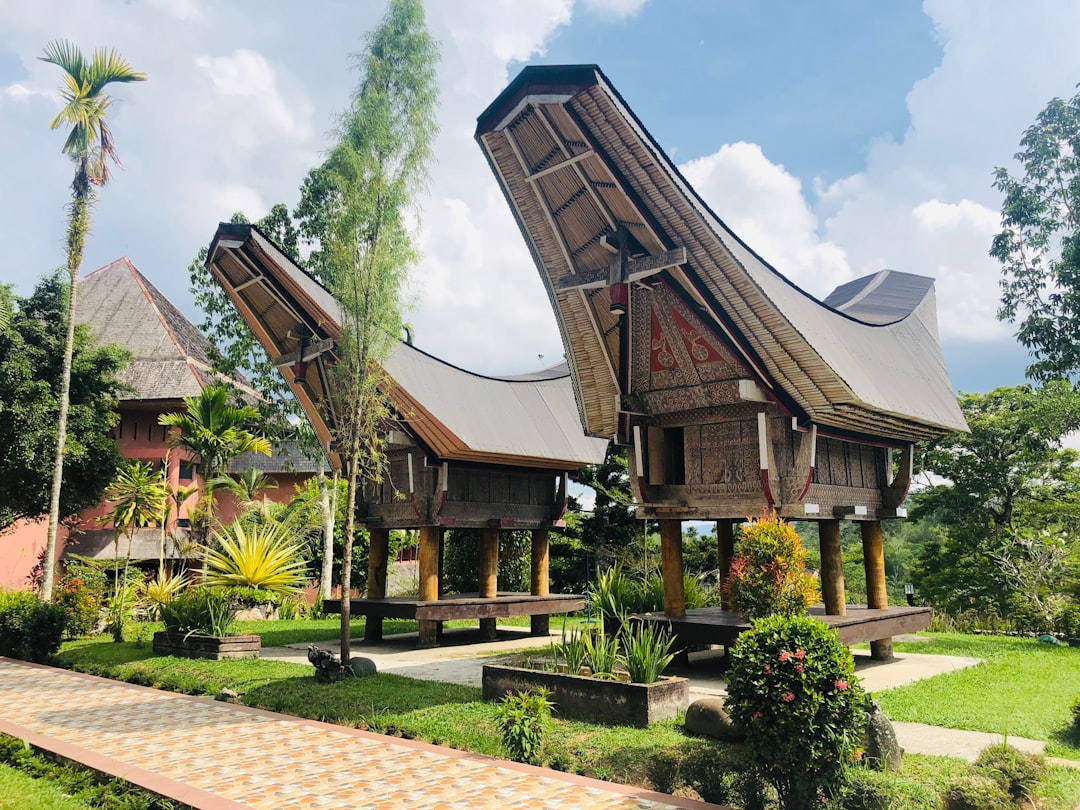
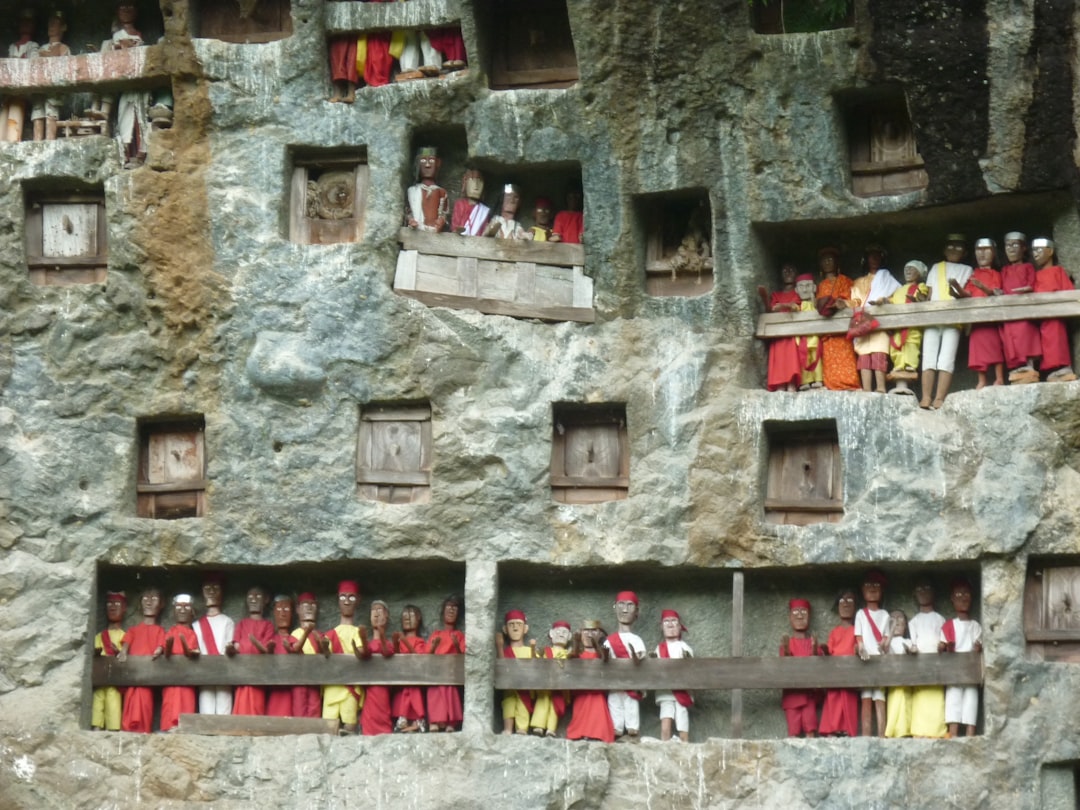
Tana Toraja is where the dead are rarely gone. Across this highland plateau in South Sulawesi, limestone cliffs hold carved burial niches, wooden effigies of the deceased stand at cave entrances, and funeral ceremonies can last for days, drawing hundreds of guests and the sacrifice of water buffalo. The landscape itself tilts toward the dramatic — terraced rice paddies dropping into deep valleys, villages of boat-roofed tongkonan houses facing north toward the ancestral homeland.
The two main towns, Makale and Rantepao, anchor the region's south and north respectively, and most visitors base themselves in Rantepao to reach the ceremonial sites and traditional compounds spread across the surrounding hills.
💛 What travellers fall for
People who come back tend to say the same thing: arrive with flexibility. Funeral ceremonies — the elaborate rambu solo' rituals that draw the whole community — happen on short notice and on their own schedule. Locals at your guesthouse usually know what's on. The motorbike rental at 70,000 IDR a day is how you actually get places.
How Tana Toraja came to be
The Dutch colonial government drew the boundaries of Tana Toraja in 1909, and missionaries arrived in the early 1900s, a presence that reshaped religious life — today more than 85 percent of the population identifies as Christian, while the older animist tradition, Aluk Todolo, continues alongside it. Armed resistance to Dutch control was led by Pong Tiku, remembered as the Lion of Toraja for his guerrilla campaigns from mountain strongholds in 1906–1907; the region's airport now carries his name.
Formal regency status came on 8 October 1946, and in 1957 the District of Tana Toraja was inaugurated with Lakitta as its first regent. The region split in 2008 into two administrative regencies. Indonesia's Ministry of Tourism has listed Tana Toraja as the country's second tourist destination after Bali since 1984.
Who and what shaped it
People who shaped it
Landmark buildings
See Tana Toraja in motion
Plan your visit
On the map
When to go
The dry season runs June through September, when roads are passable, rice is being harvested, and funeral ceremonies concentrate. The wet season brings rain and occasional road closures to more remote villages.
Right now
Background & history adapted from Wikipedia (CC BY-SA) · specs from Wikidata (CC0) · weather from Open-Meteo · map data © OpenStreetMap contributors · photos from Wikimedia Commons / Unsplash with per-image credit. No third-party reviews or social posts reproduced.