
Tampere
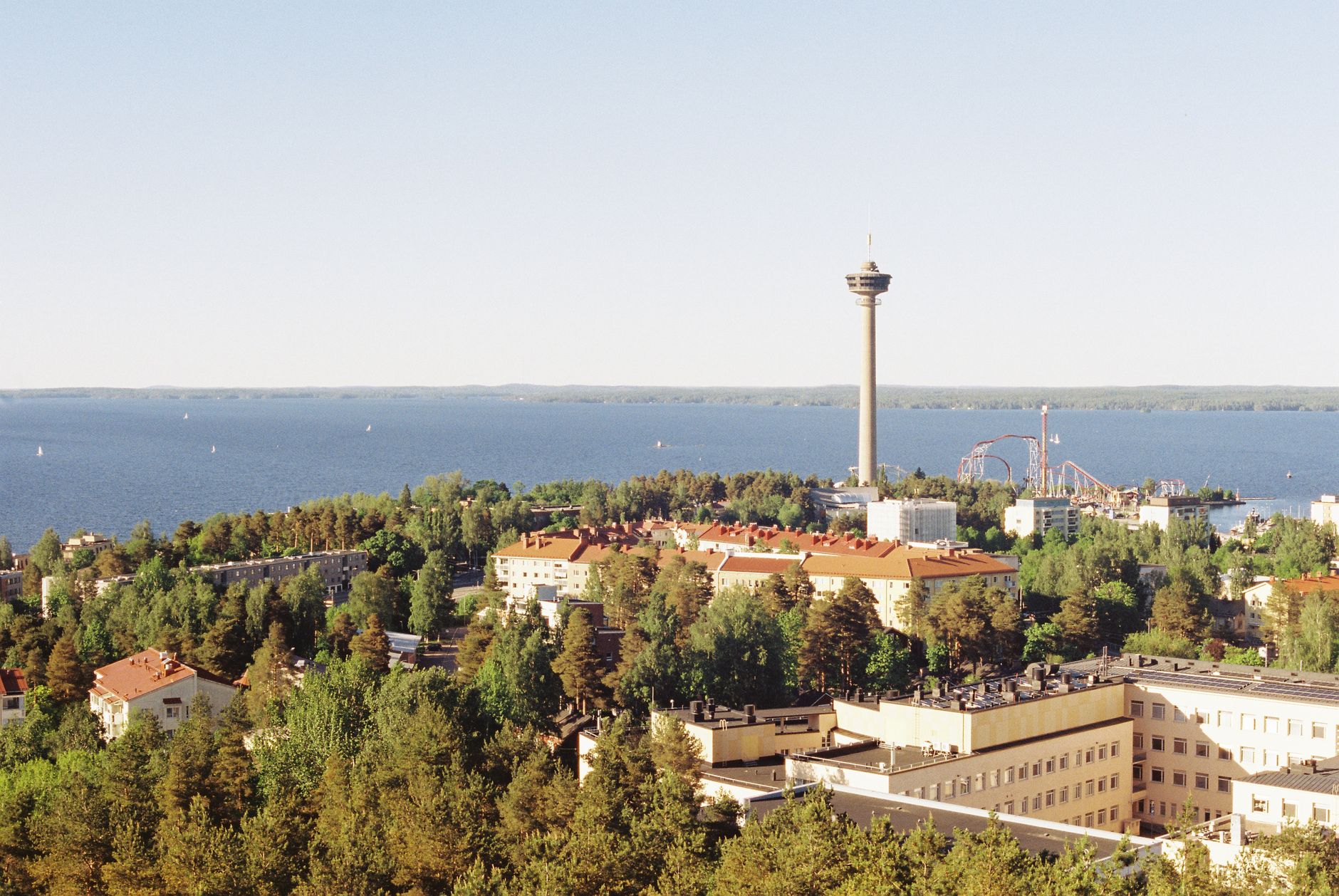
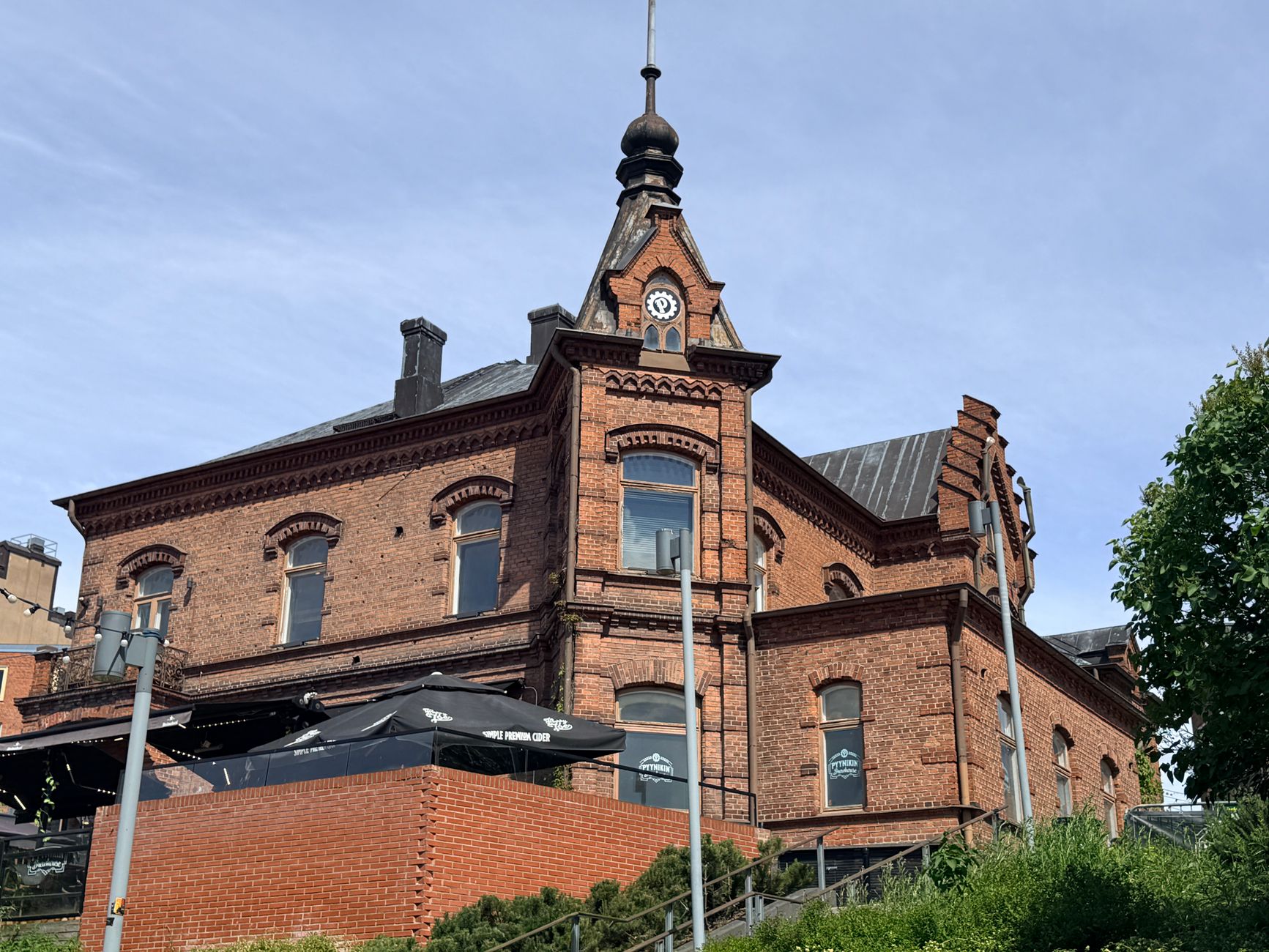
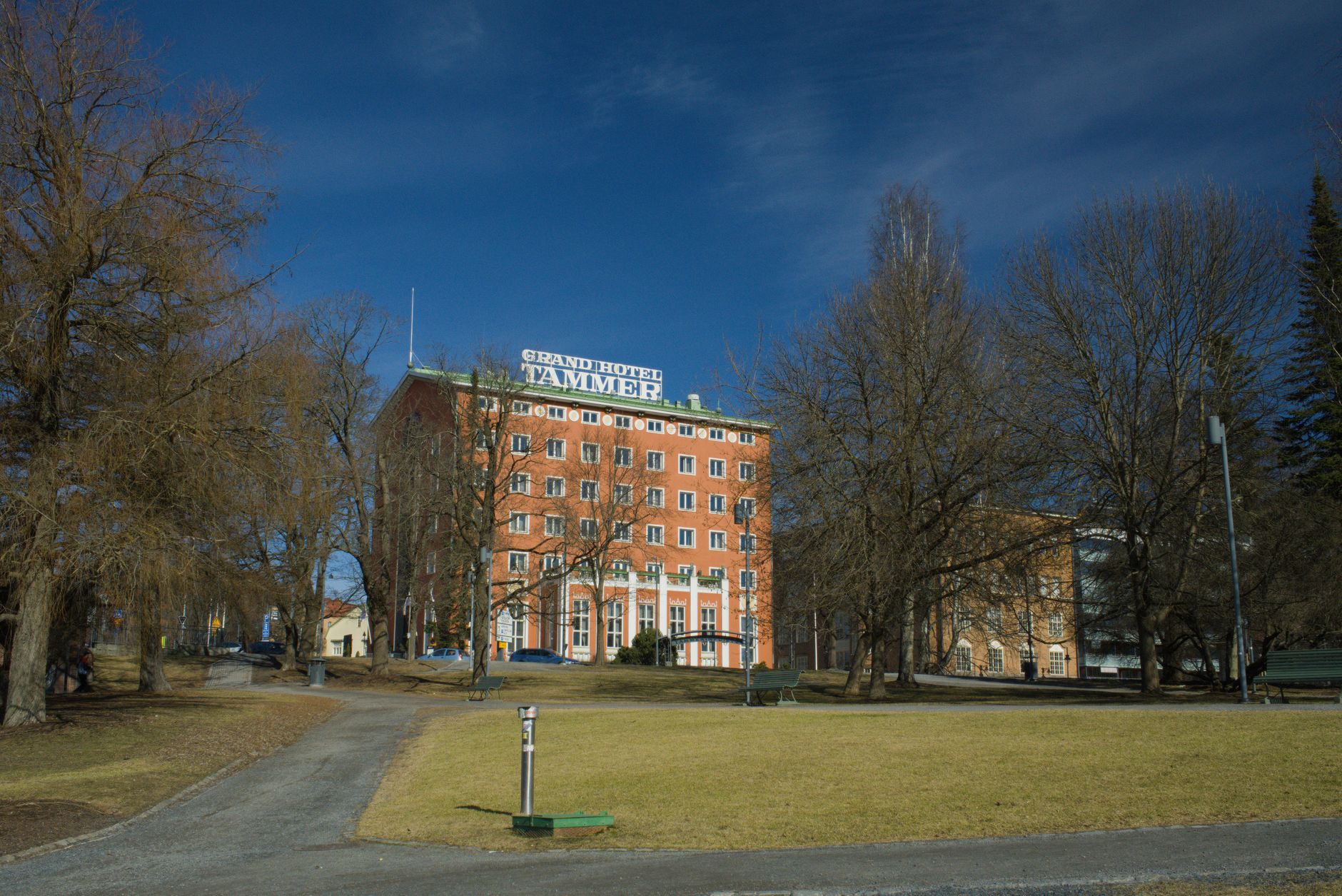
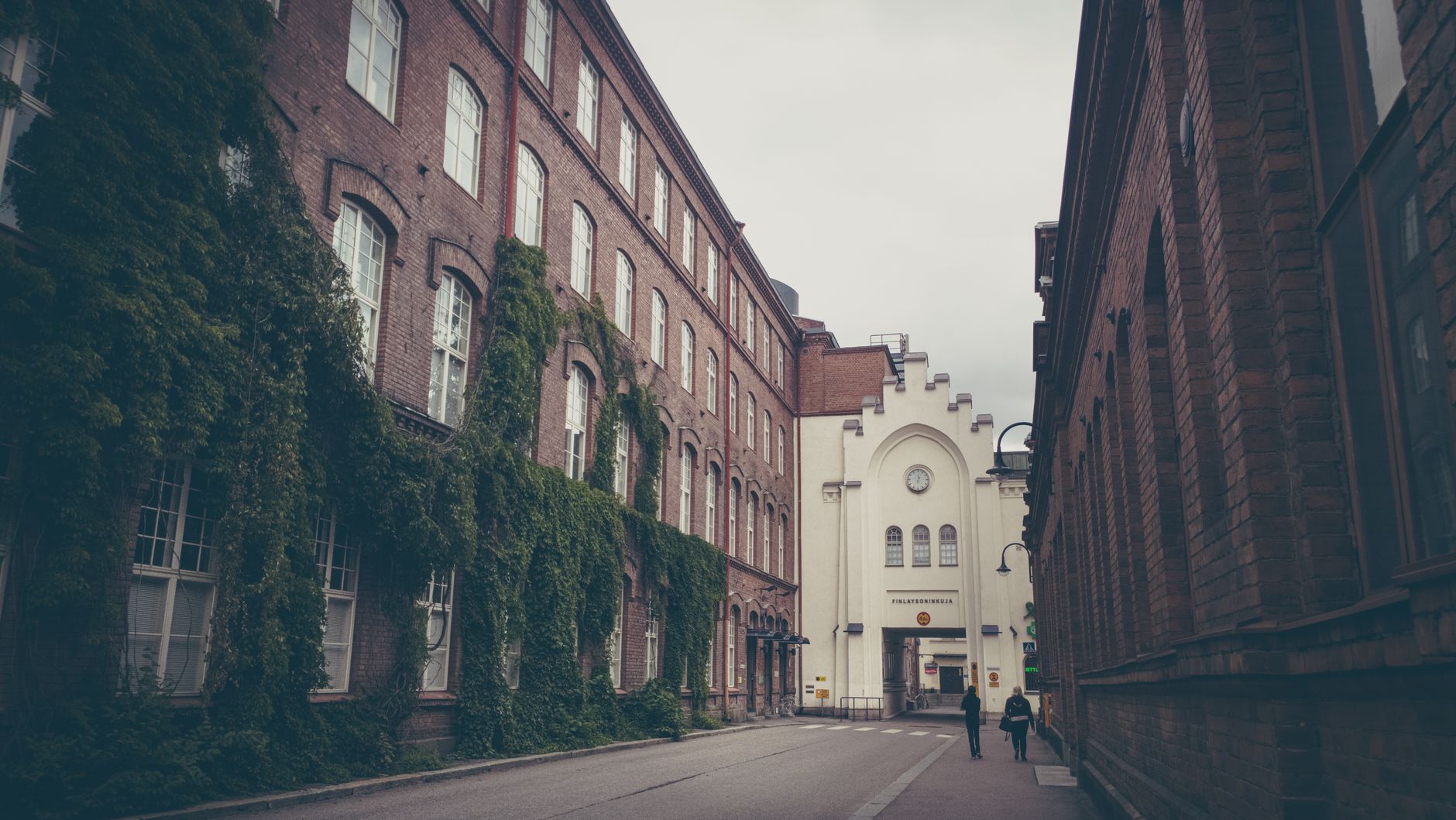
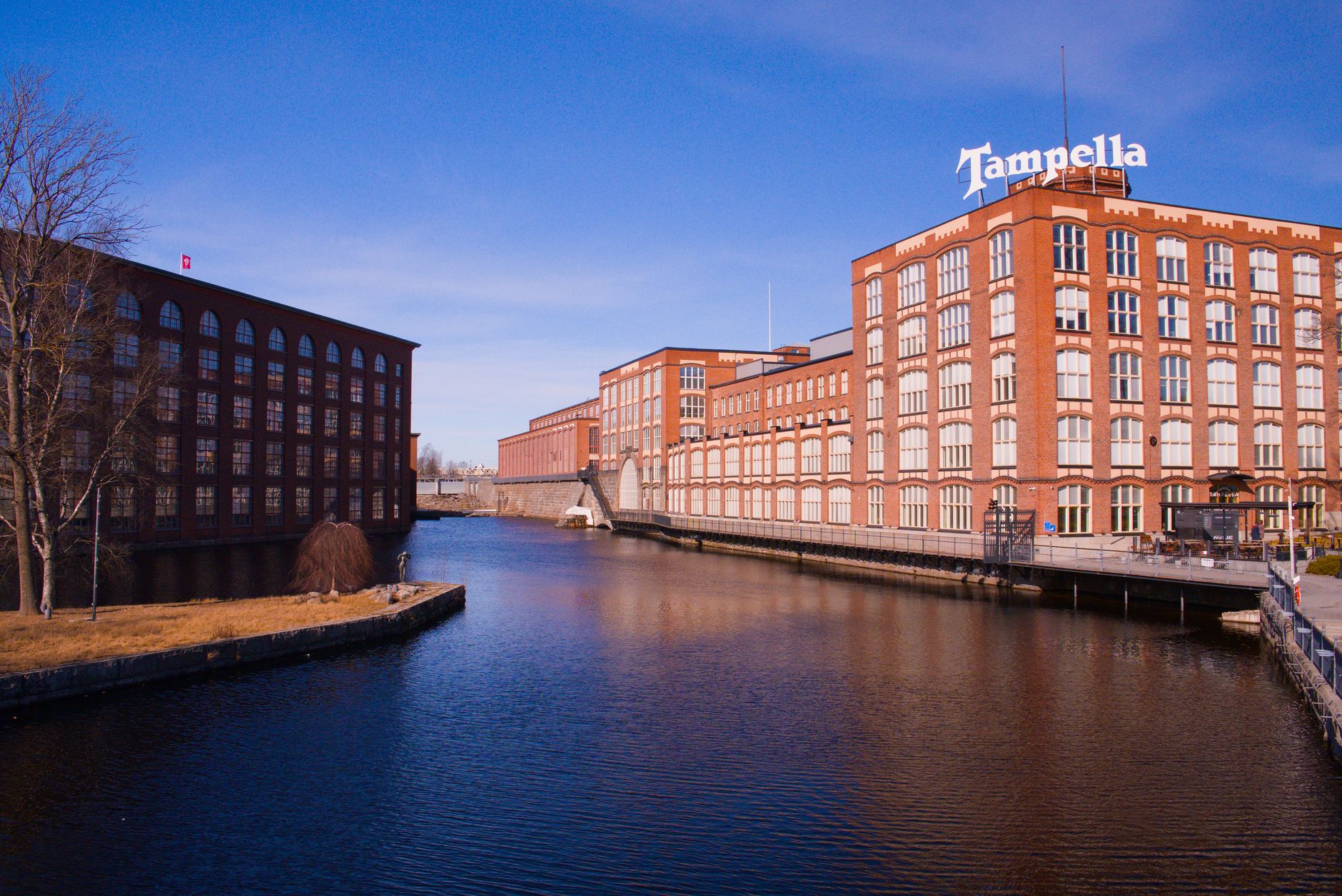
Tampere sits on a narrow isthmus between two lakes, and the rapids that connect them — the Tammerkoski, dropping eighteen metres over a kilometre and a half — are the reason the city exists at all. Water power drew the mills, the mills drew the workers, and the workers built a city that still carries the particular gravity of places shaped by industry rather than administration.
Today the old Finlayson cotton complex, founded by a Scottish entrepreneur in 1820, has been converted into a neighbourhood of cinemas, cafés and museums. The smokestacks are still standing. The trams run every seven and a half minutes.
💛 What travellers fall for
People who return to Tampere tend to mention the same few things: the doughnuts at Pyynikki observation tower, the Simberg frescoes in the Cathedral — specifically the procession of grey figures carrying a globe in 'The Garden of Death' — and the Moomin Museum, which rewards a second visit once you've slowed down enough to study the miniatures.
Deals in Tampere
Book directly at the provider
How Tampere came to be
Gustav III of Sweden granted Tampere its market-town charter in 1775, on land that had fewer than two hundred inhabitants and measured just 3.2 square kilometres. For decades it stayed small. The turn came in 1821, when Tsar Alexander I — Finland was by then a Russian Grand Duchy — offered tax-free importation of raw materials and equipment, a privilege that held until 1905. James Finlayson, a Scottish engineer, arrived in the early 1820s and founded the cotton mill that would become one of the Nordic countries' most significant industrial operations, later expanded by Wilhelm Nottbeck.
By the end of the nineteenth century Tampere was Finland's foremost industrial city. The Market Hall opened in 1901 — still the largest indoor market hall in the Nordic countries — and the Cathedral, decorated with Hugo Simberg's unsettling, tender frescoes, followed in the early twentieth century. The industrial past isn't hidden here; it's the architecture.
Who and what shaped it
People who shaped it
Landmark buildings
See Tampere in motion
Plan your visit
On the map
When to go
Summers run mild and bright, with July averaging around 17°C and long evening light that lingers well past dinner. Winters are genuinely cold — February averages -6°C and nights can reach -23°C — but the snow cover is consistent and the city moves through it without fuss.
Right now
Background & history adapted from Wikipedia (CC BY-SA) · specs from Wikidata (CC0) · weather from Open-Meteo · map data © OpenStreetMap contributors · photos from Wikimedia Commons / Unsplash with per-image credit. No third-party reviews or social posts reproduced.