
Takatsuki
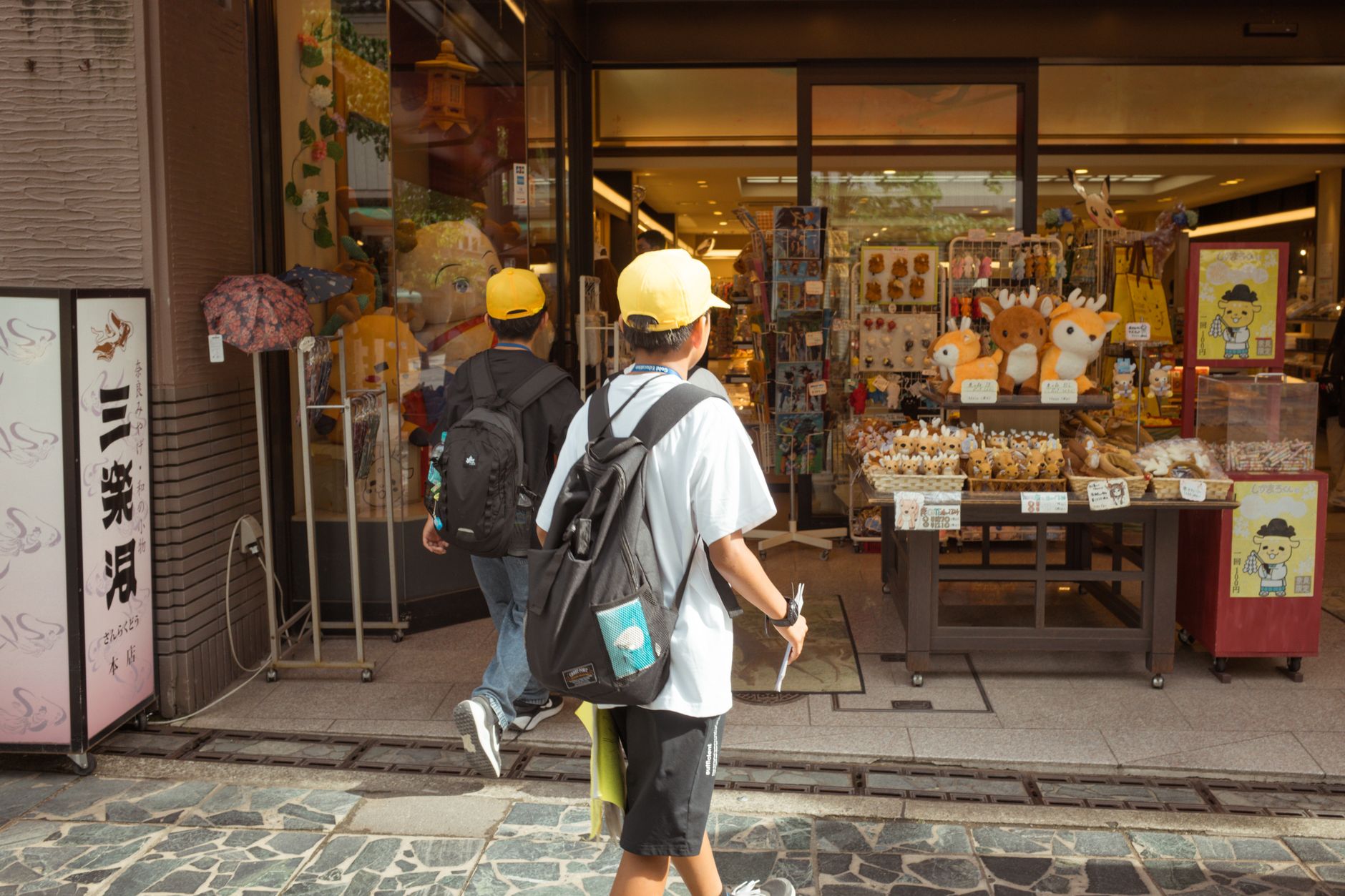
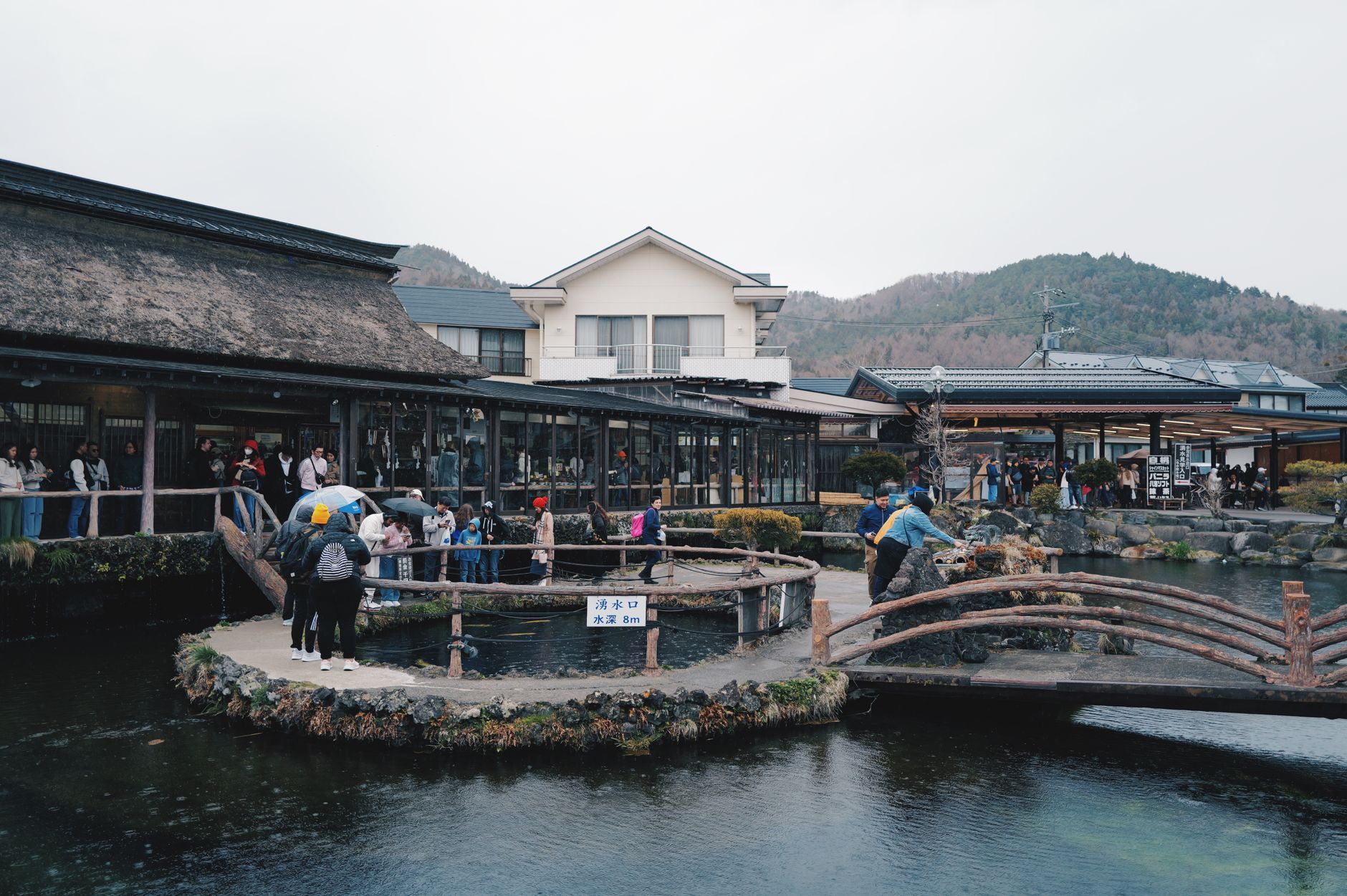
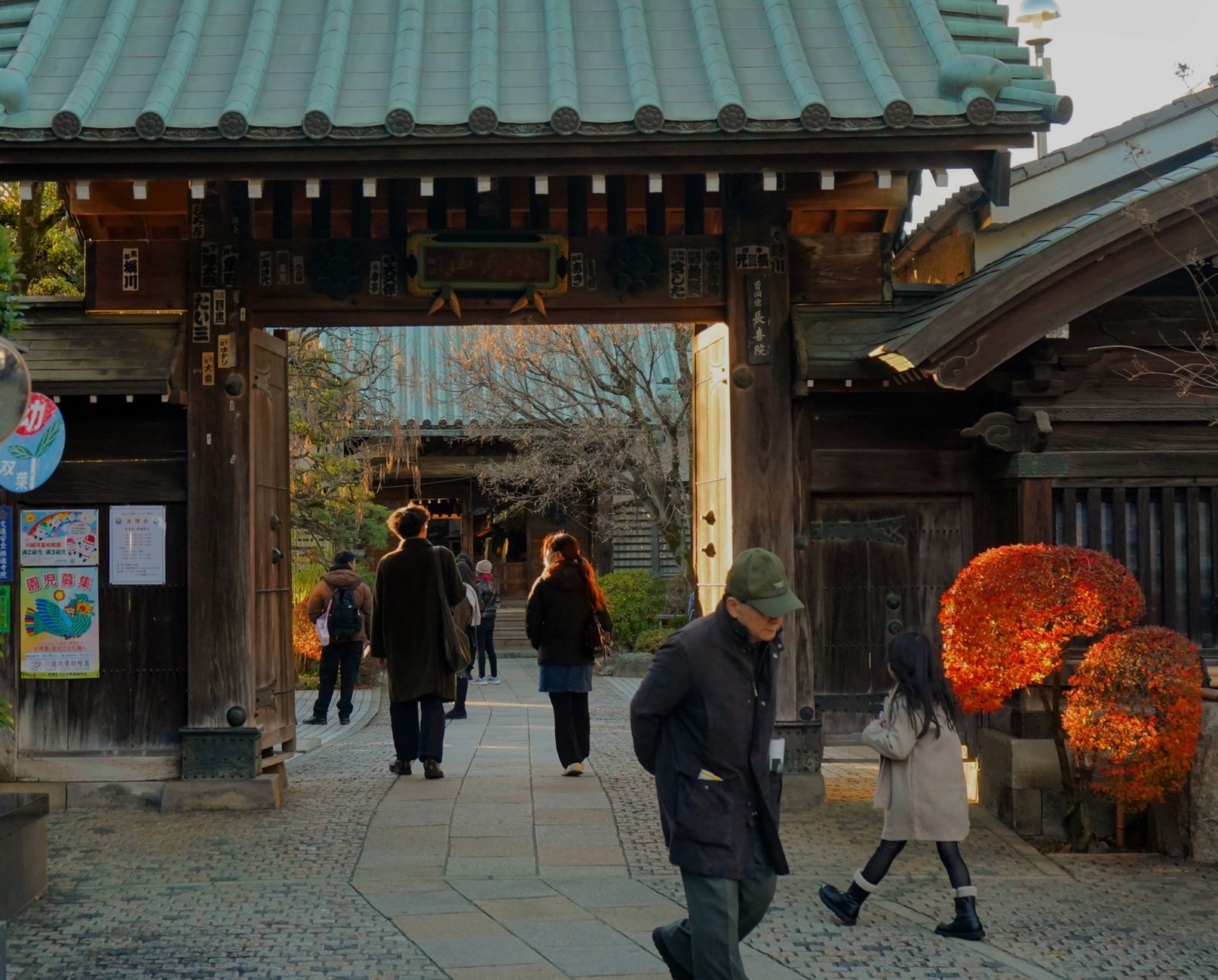
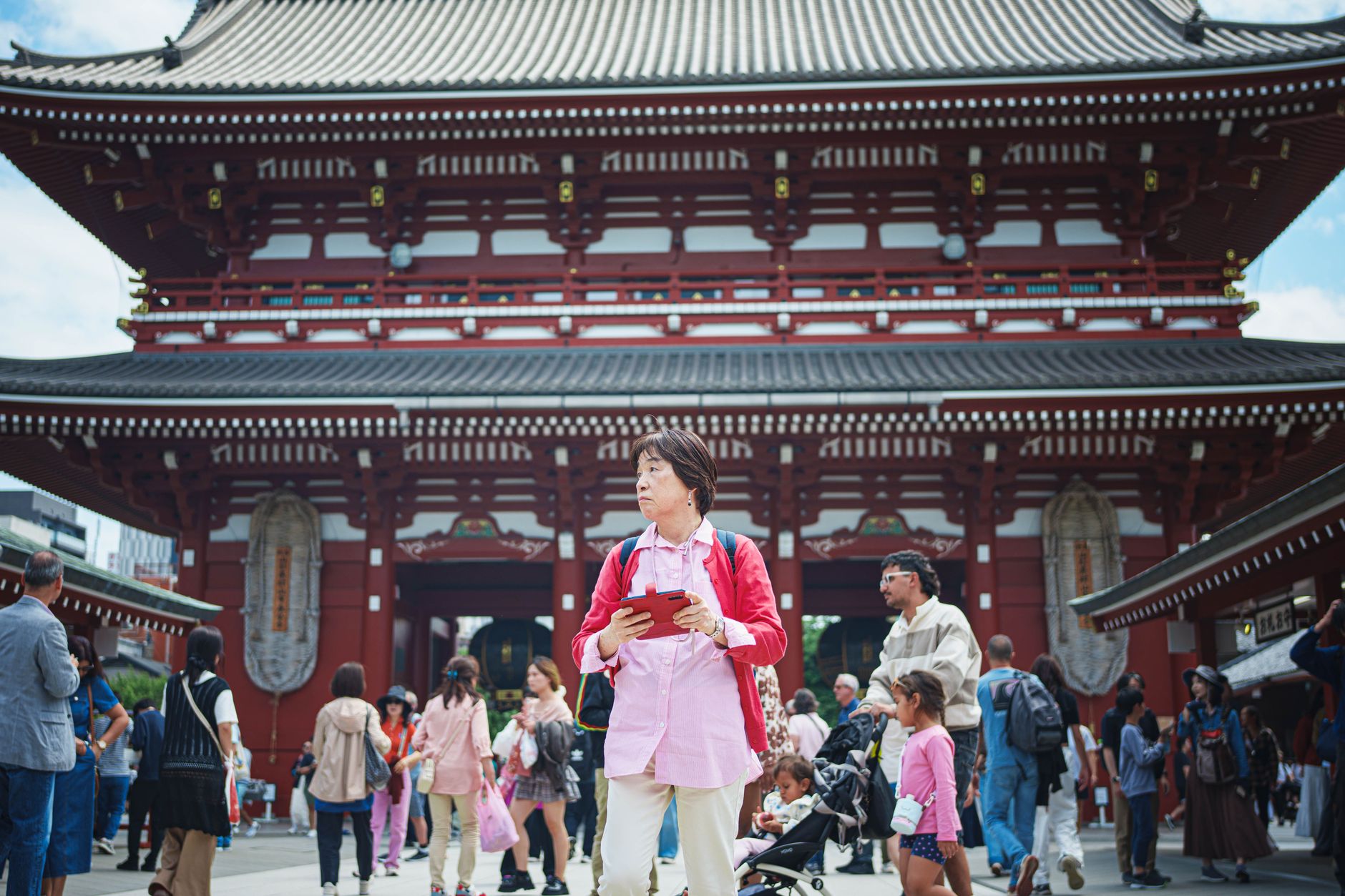
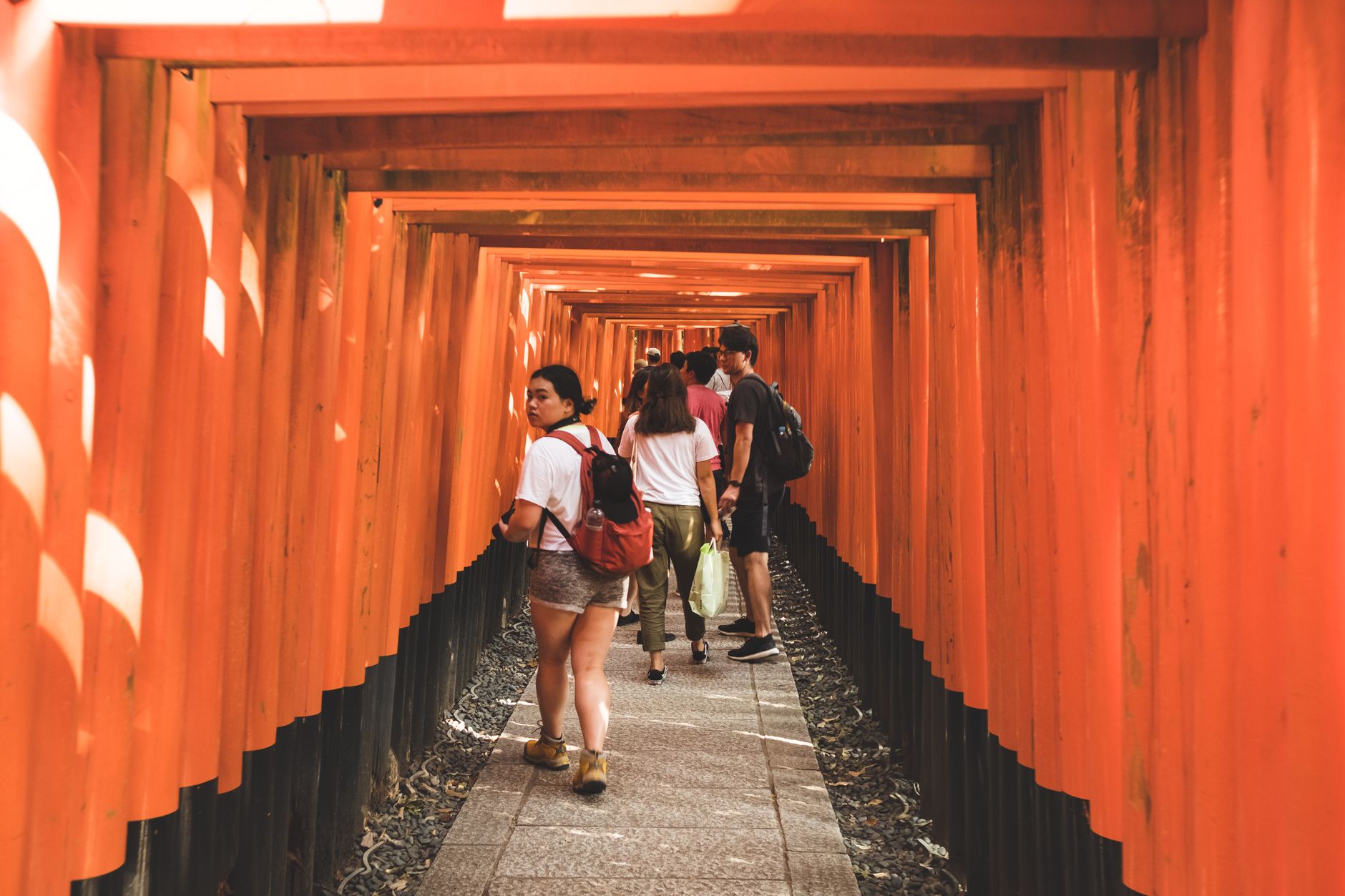
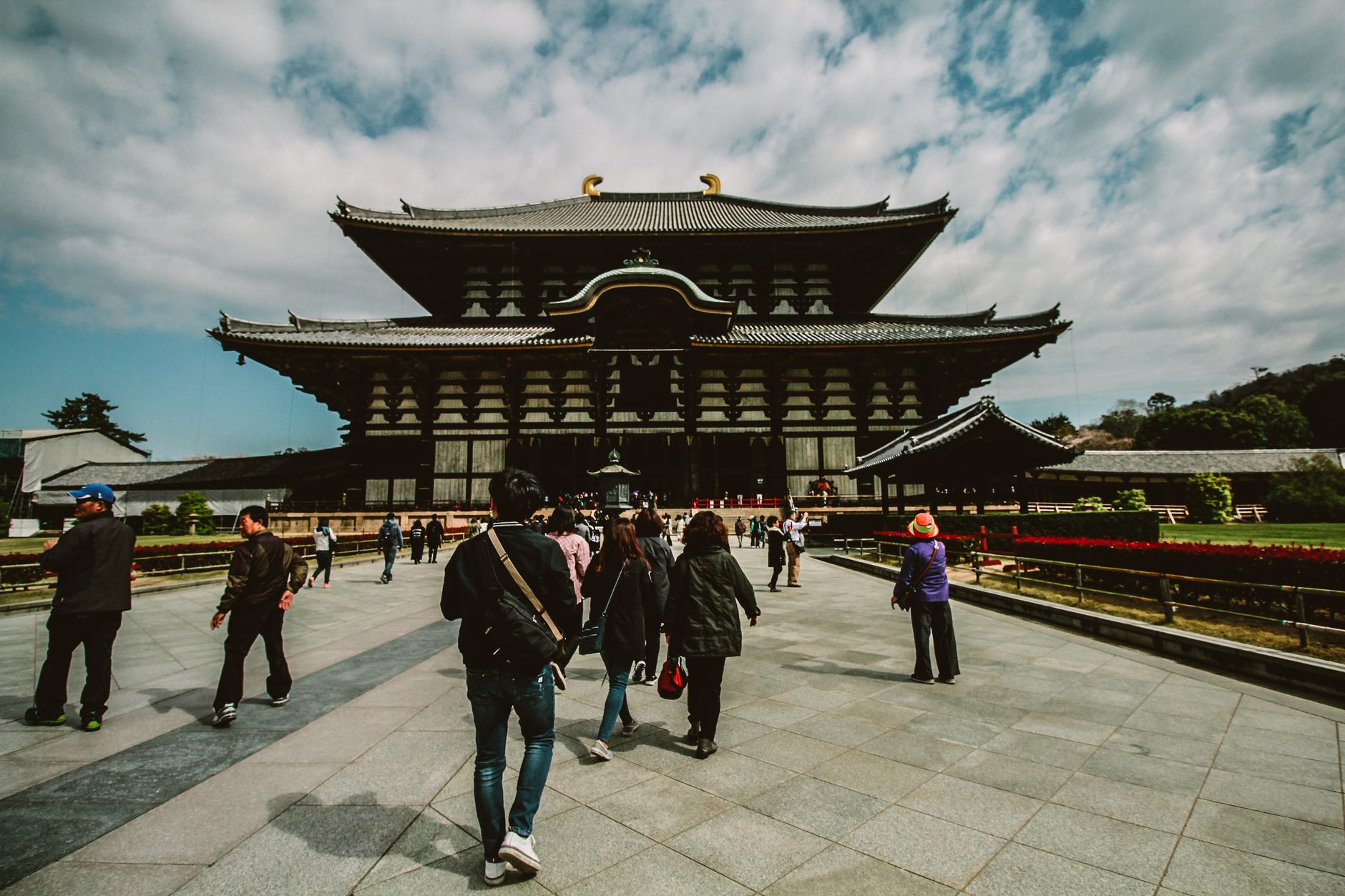
Takatsuki sits on the railway line between Osaka and Kyoto, and most people watch it pass from the window. That's their loss. The city holds Japan's first commercial whisky distillery, the probable tomb of a sixth-century emperor, and a Yayoi village buried in the earth for two thousand years before anyone noticed it in 1928.
It's a place that rewards the lateral move — the decision to step off the express and spend a day somewhere that isn't performing for tourists. The history here is old enough to be genuinely strange, and the whisky is reason enough on its own.
💛 What travellers fall for
People who come back tend to mention the Yamazaki Distillery lottery in the same breath as regret — book the Prestige Experience the moment dates open, or you'll end up in the free museum watching other people taste. The walk up to Honzanji Temple is longer than the bus ride, and worth it for the quiet.
Deals in Takatsuki
Book directly at the provider

How Takatsuki came to be
People have lived in this part of the Yodogawa basin since the Paleolithic period, and the Kofun mound at Imashirozuka — the largest keyhole-shaped tomb in the river basin — dates to the early sixth century, most likely the burial site of Emperor Keitai, the 26th emperor of Japan. The name Takatsuki itself doesn't appear in the record until the fourteenth century, when it shows up in a list of manors belonging to Kasuga Shrine.
The Sengoku period brought warlords and conflict: Miyoshi Nagayoshi and later the Christian daimyō Takayama Ukon both controlled the area, and in 1581 Japan's first Easter celebration was held here. Takatsuki Castle, completed in 1571, shaped the town that grew around it during the Edo period, though little of the castle survives. The city was formally established in 1943.
Who and what shaped it
People who shaped it
Landmark buildings
See Takatsuki in motion
Plan your visit
On the map
When to go
Summers are hot and humid; spring and autumn are the most comfortable seasons for walking the gorge or the kofun park. Winters are mild by Japanese standards but can turn cold enough for a coat.
Right now
Background & history adapted from Wikipedia (CC BY-SA) · specs from Wikidata (CC0) · weather from Open-Meteo · map data © OpenStreetMap contributors · photos from Wikimedia Commons / Unsplash with per-image credit. No third-party reviews or social posts reproduced.