
Ta Prohm
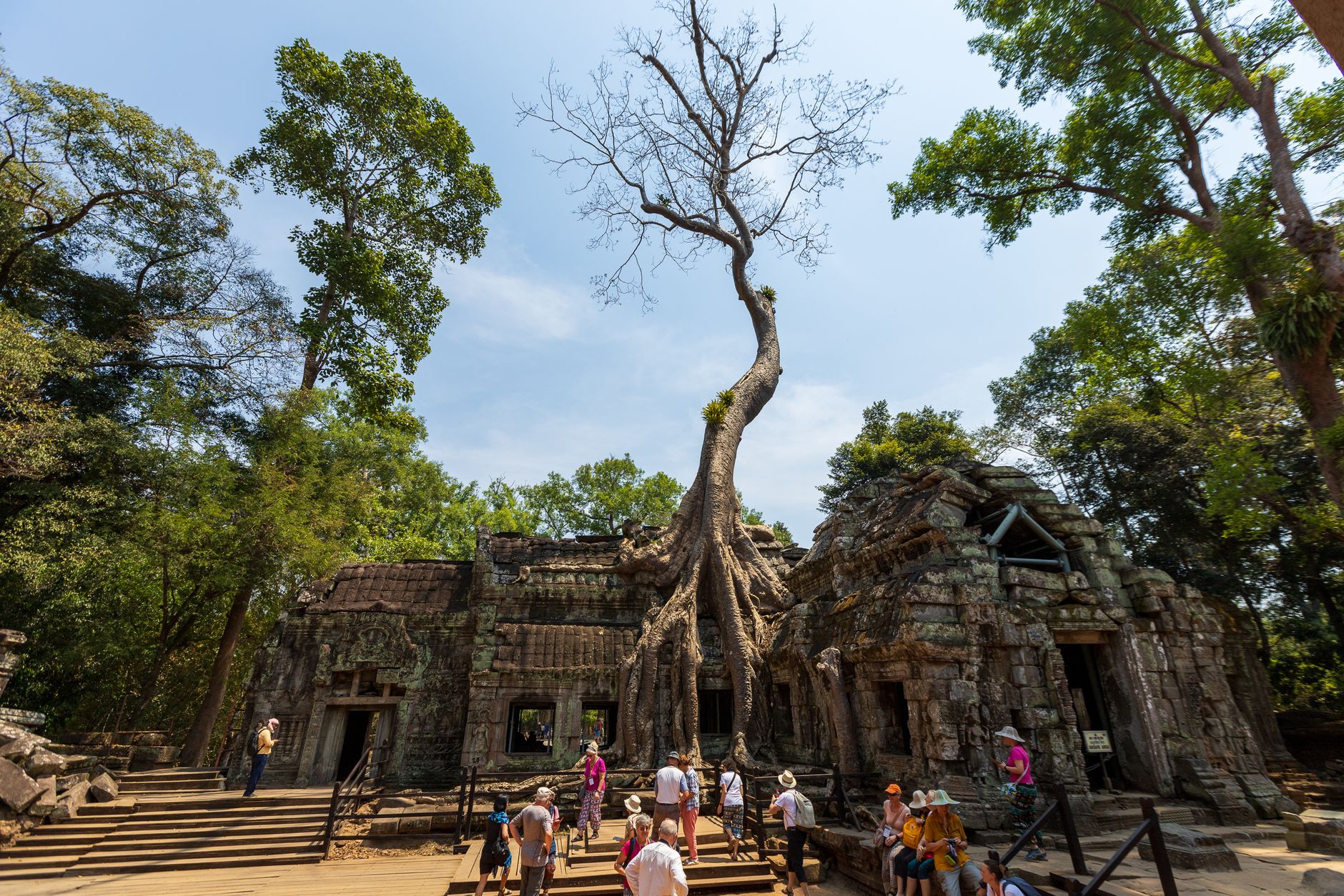
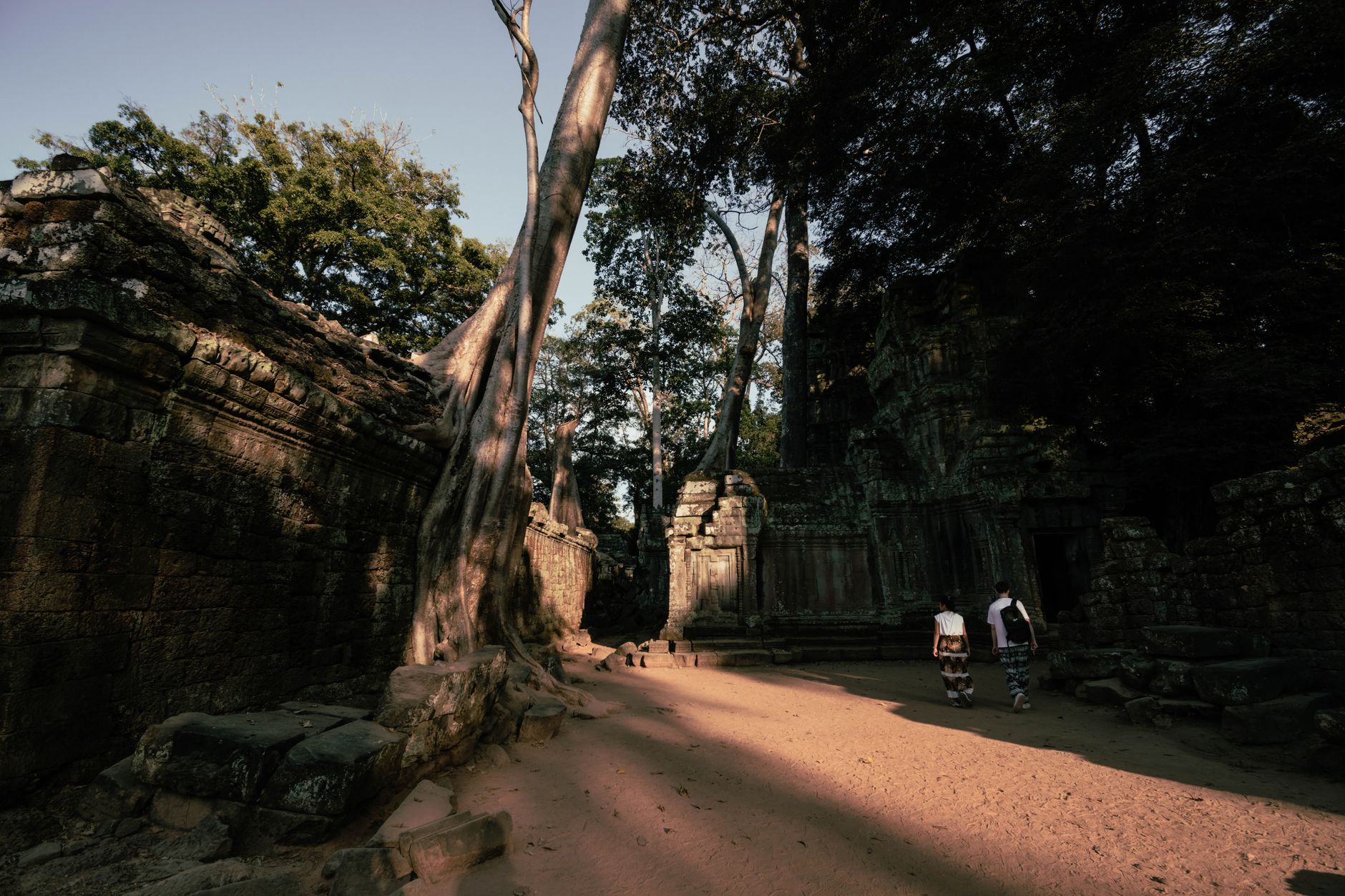
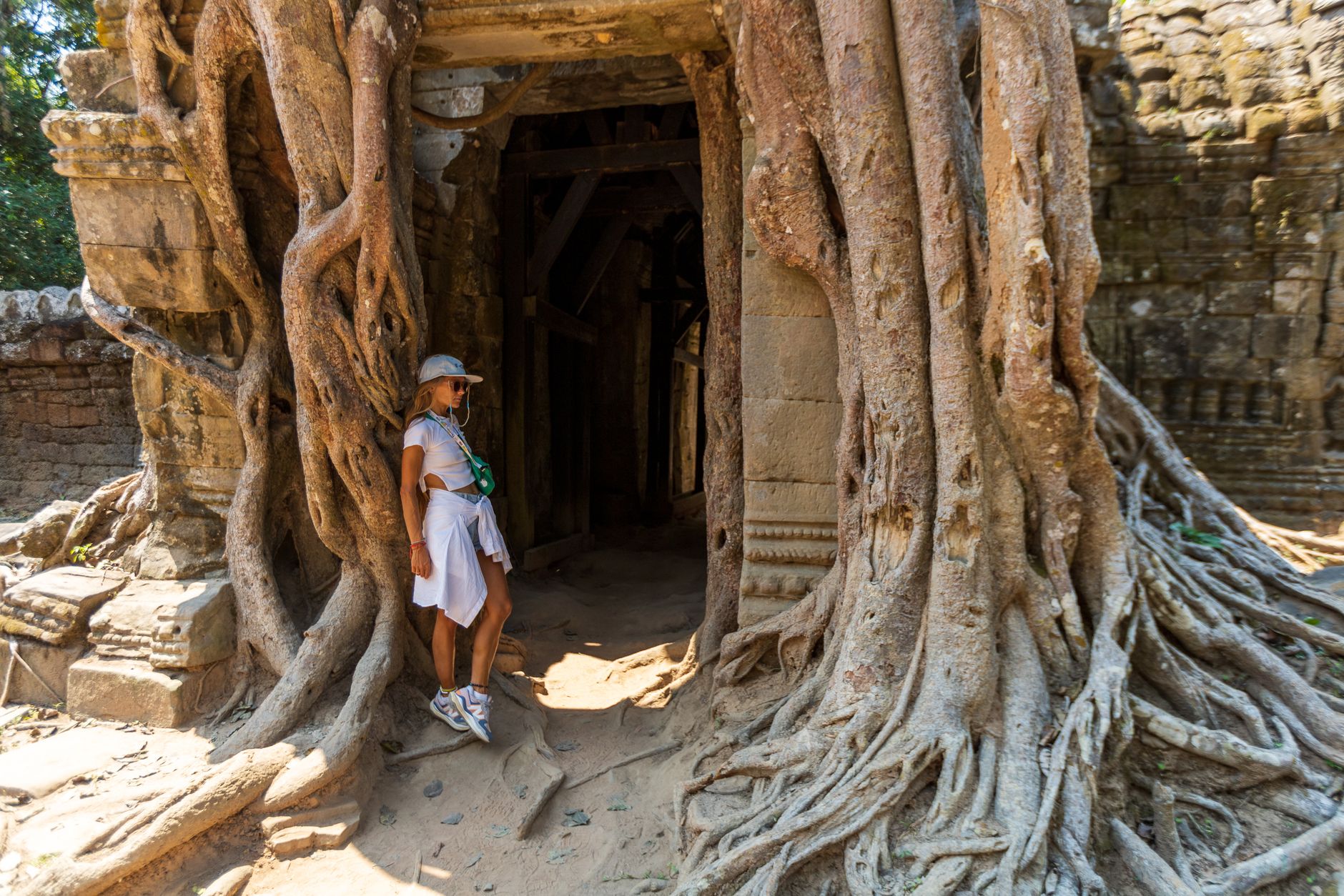
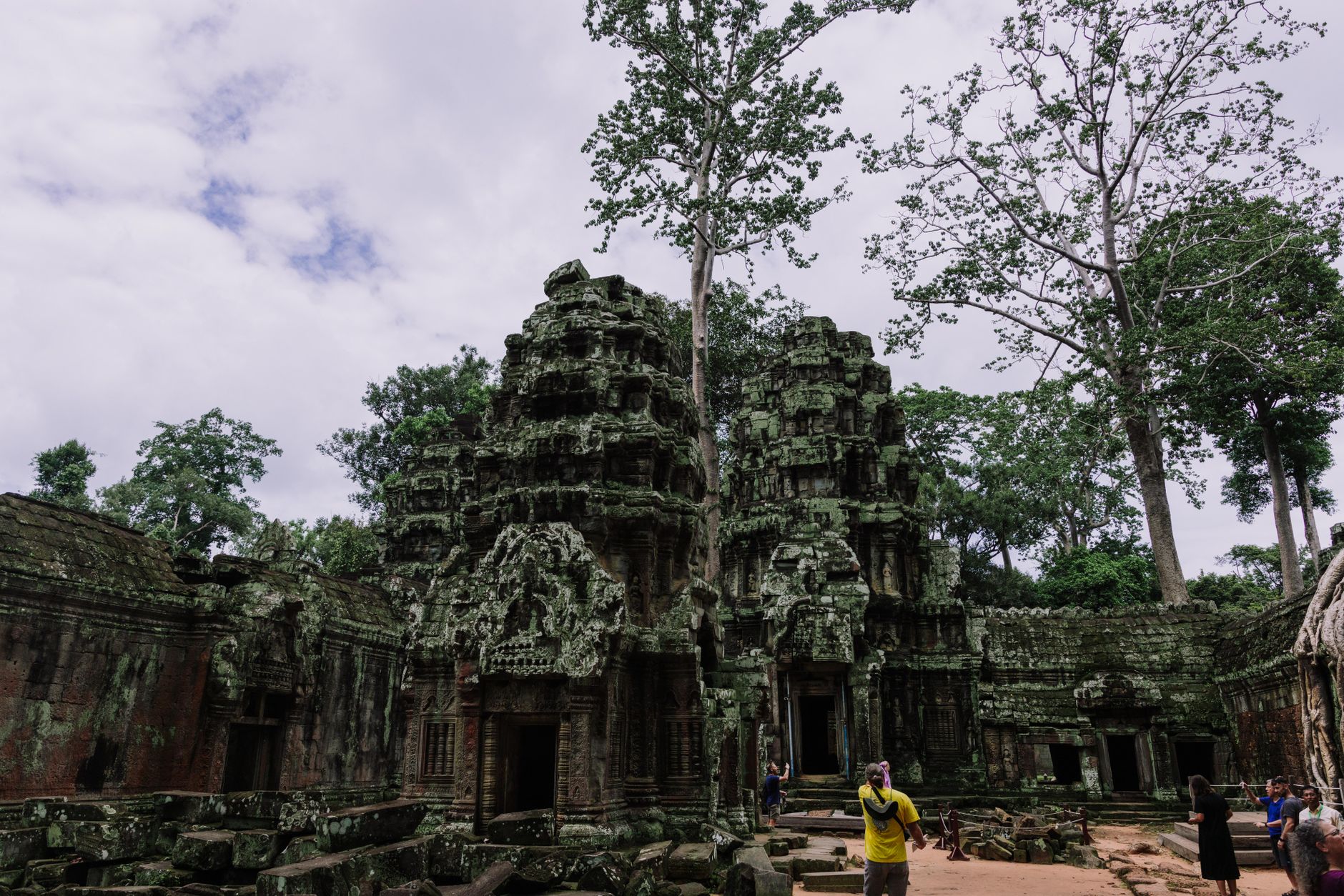
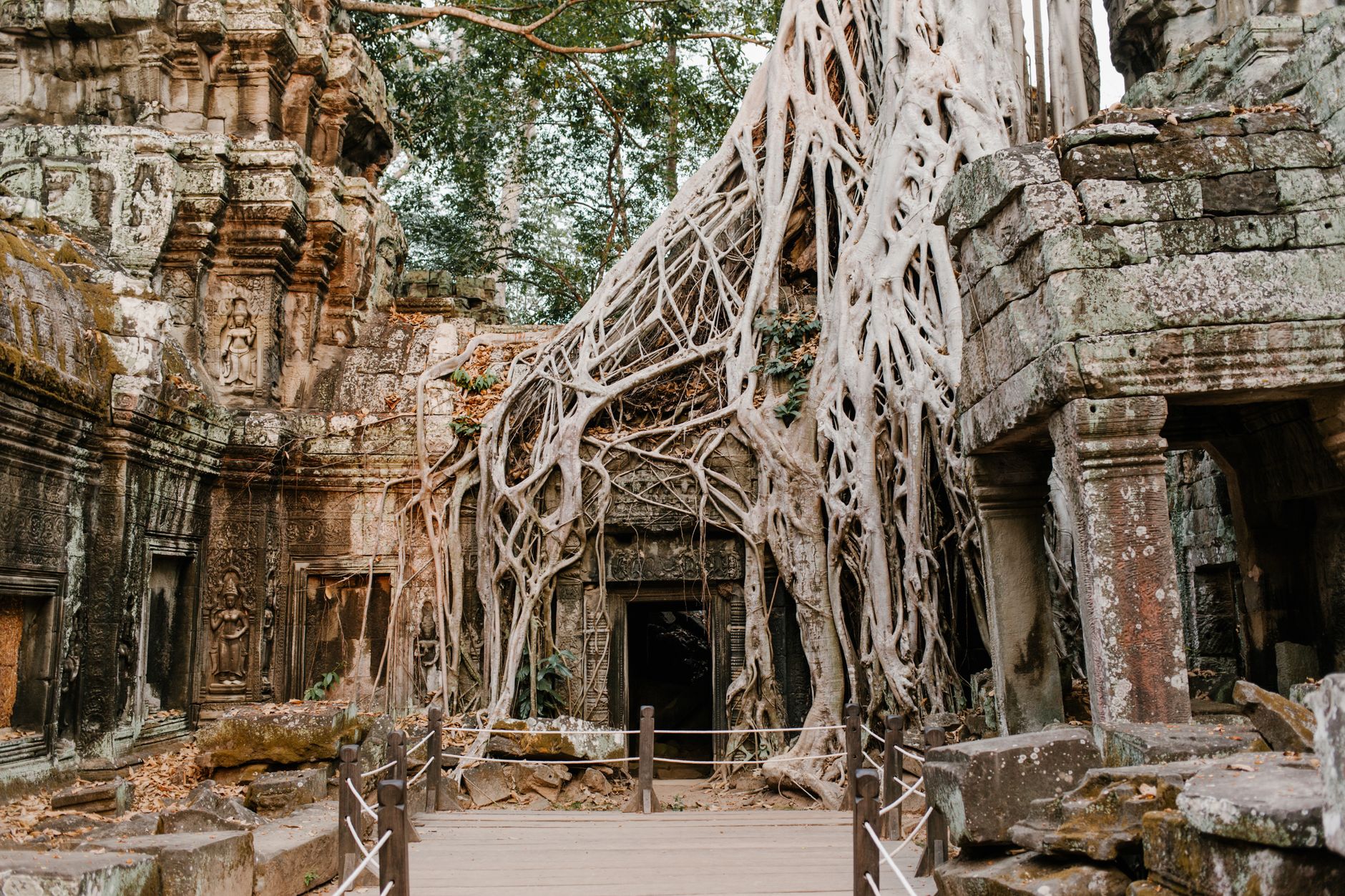
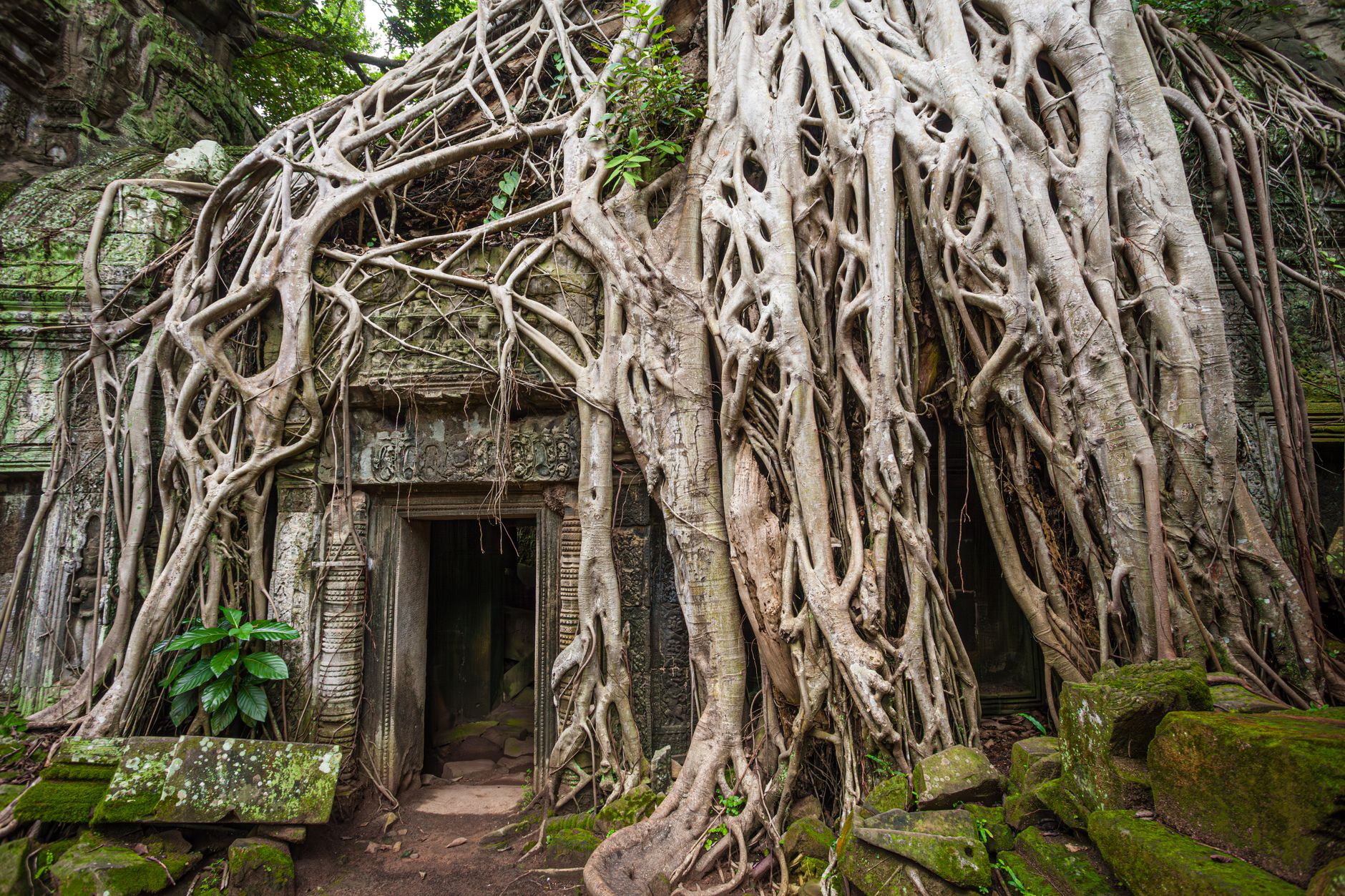
The first thing you notice at Ta Prohm is that the trees are winning. Silk-cotton roots — Tetrameles nudiflora, if you want the name — pour over the sandstone like slow water, splitting lintels, lifting paving stones, holding certain walls upright through what looks like pure stubbornness. The EFEO, the French archaeological body that arrived in the early twentieth century, made a deliberate choice to leave much of this as found, calling it a concession to the picturesque. That decision turned out to be one of the more consequential acts of restraint in the history of conservation.
Ta Prohm sits roughly three kilometres northeast of Angkor Wat, enclosed within an outer wall that measures a thousand metres by six hundred and fifty. Over a hundred and fifty species of trees grow inside it. You could spend two hours here and still be finding corners.
💛 What travellers fall for
People who come back tend to agree on one thing: arrive before the gates open at 7:30 am. The complex faces east by design, so early light falls directly into the central sanctuary. The tour groups follow the western entrance and cluster at the famous root-draped gallery — give that a few minutes and move deeper into the fourth enclosure, where it goes quiet fast.
Deals in Ta Prohm
Book directly at the provider


How Ta Prohm came to be
King Jayavarman VII founded Ta Prohm in 1186 as Rajavihara — monastery of the king — one of the first temples in what became a sweeping royal building program. The central image represented Prajnaparamita, the personification of wisdom, modelled on his mother. Satellite temples in the third enclosure honoured his guru, Jayamangalartha, and his elder brother. A foundation stele records that at its height the complex required roughly 80,000 people to maintain and attend it, among them more than 600 dancers.
The temple was largely abandoned after the 15th century and the forest moved in. UNESCO inscribed it as a World Heritage Site in 1992. Since 2004 the Archaeological Survey of India has led careful restoration work — the Hall of Dancers rebuilt stone by stone — while preserving the quality of productive ruin that makes Ta Prohm unlike anything else at Angkor.
Who and what shaped it
People who shaped it
Landmark buildings
See Ta Prohm in motion
Plan your visit
On the map
When to go
The dry season from November through February brings the most manageable conditions — lower humidity, temperatures around 28°C in January — though this is also when visitor numbers peak. The monsoon months of June through August empty the temples almost entirely, and the wet-season light on the moss and roots has its own quality, if you don't mind the rain.
Right now
Background & history adapted from Wikipedia (CC BY-SA) · specs from Wikidata (CC0) · weather from Open-Meteo · map data © OpenStreetMap contributors · photos from Wikimedia Commons / Unsplash with per-image credit. No third-party reviews or social posts reproduced.