
City

Syracuse

Syracuse
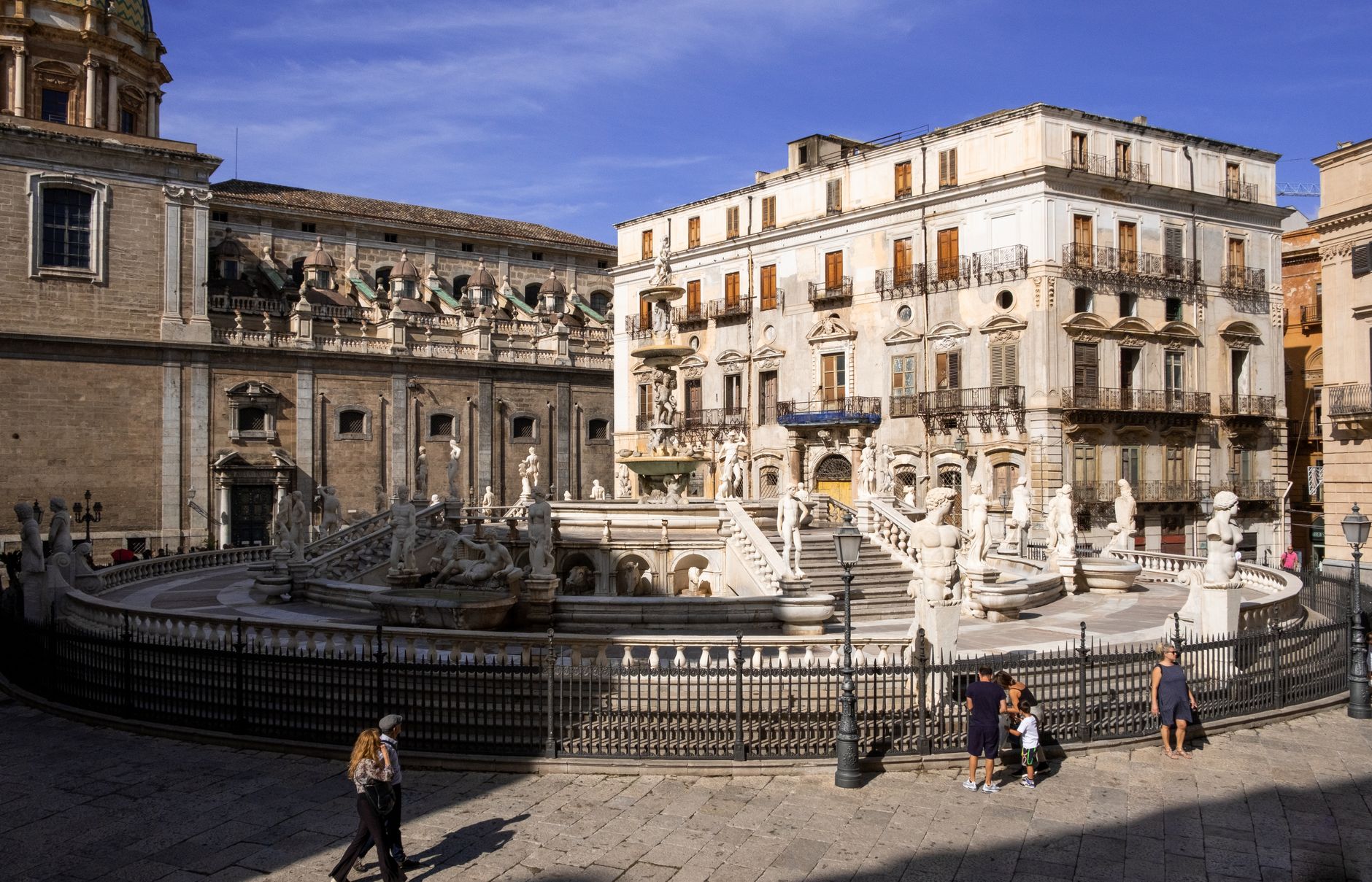
Photo by José Barbosa on Pexels
Syracuse
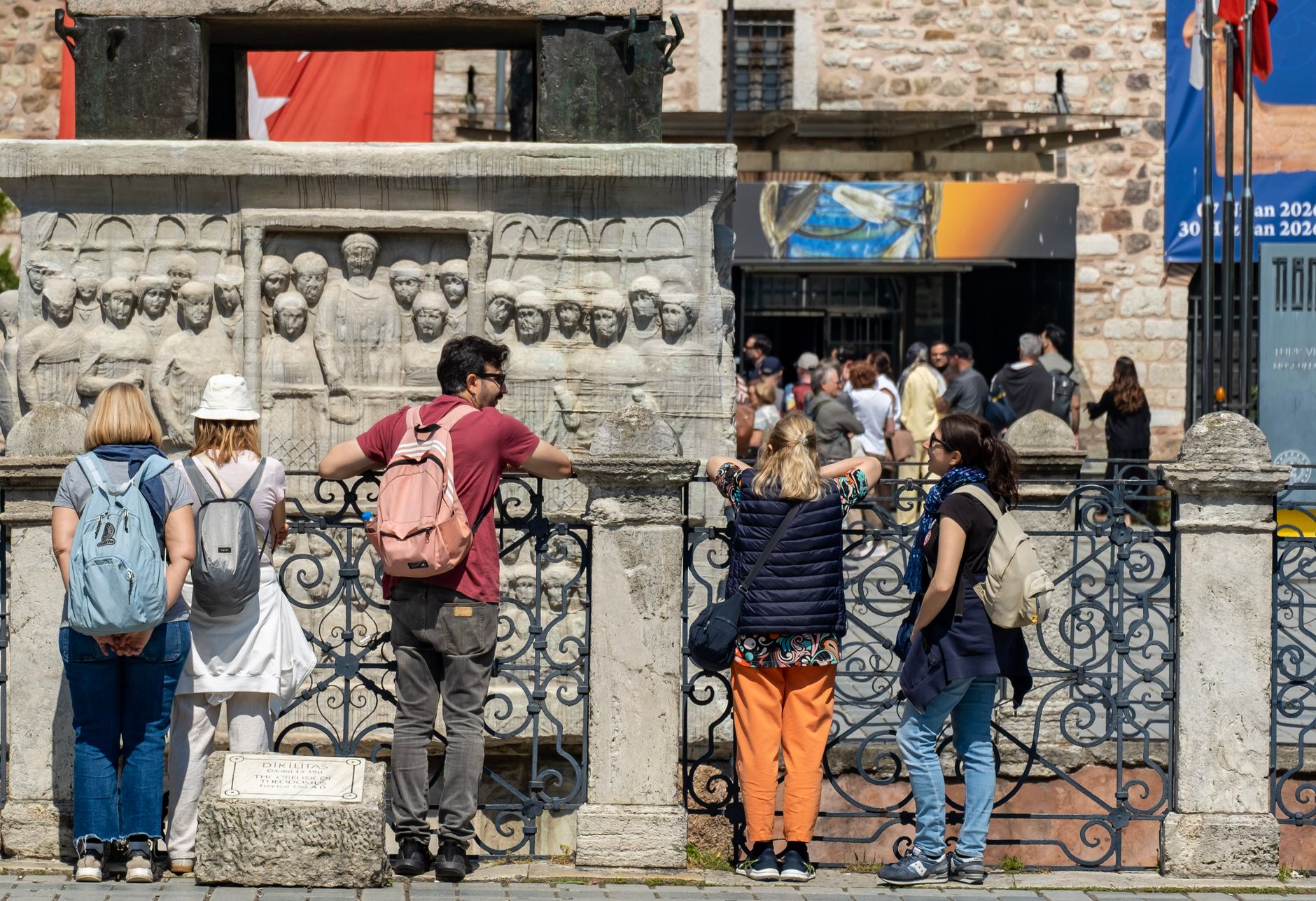
Photo by Murat Ak on Pexels
Syracuse
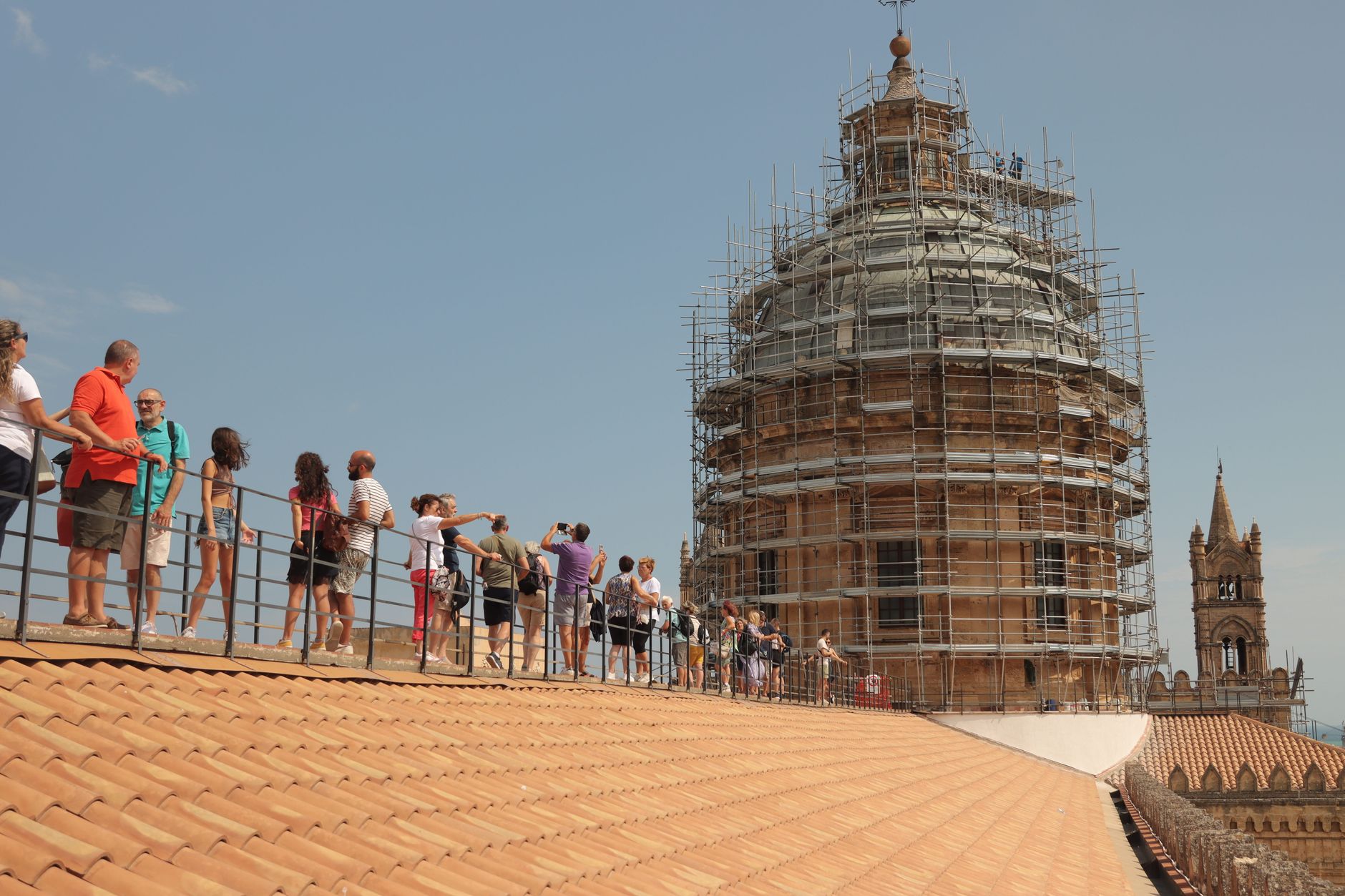
Photo by Efrem Efre on Pexels
Syracuse
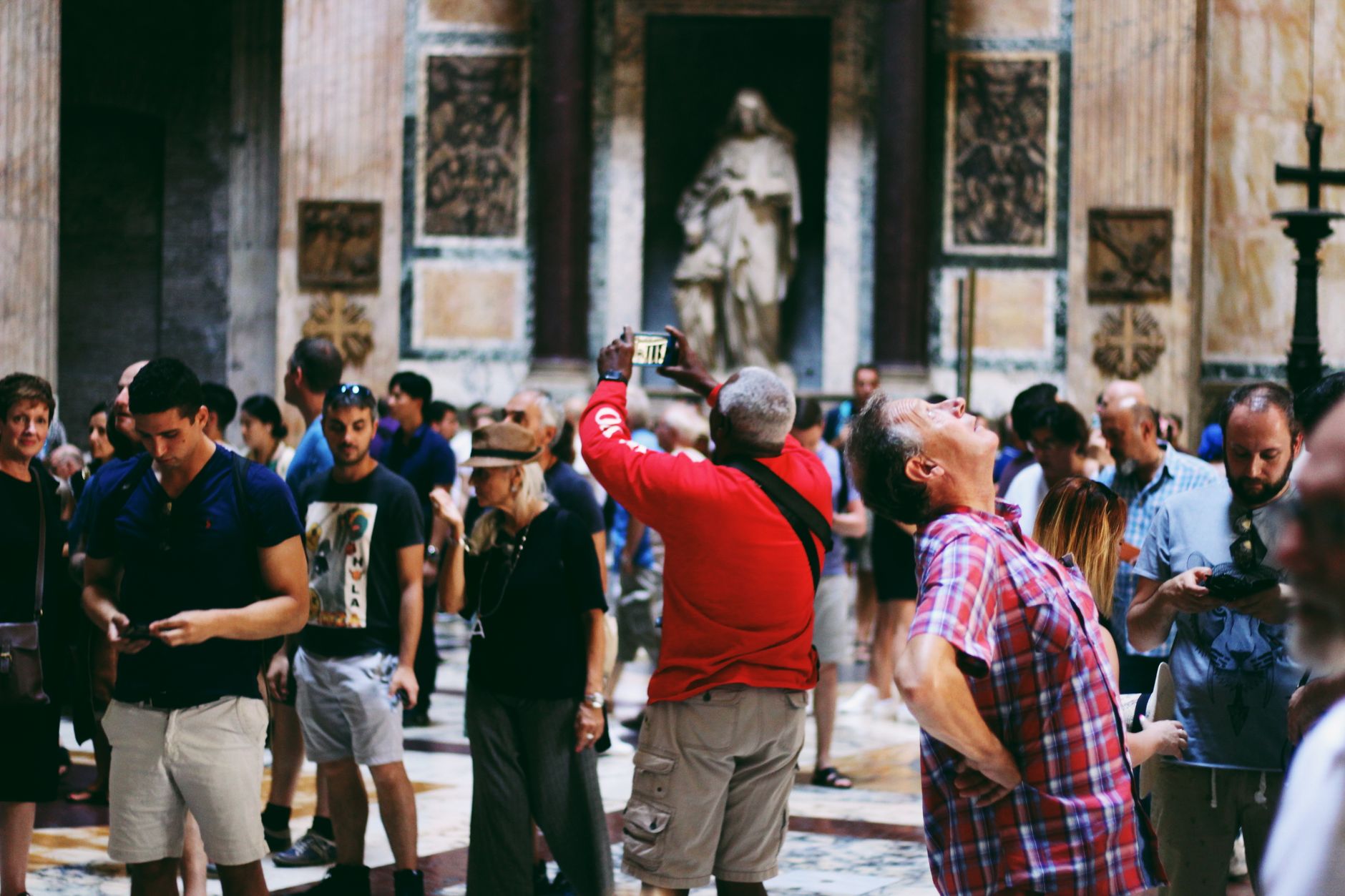
Photo by Paweł L. on Pexels
Syracuse
Photo by Valentin Ivantsov on Pexels
Syracuse
Photo by Valentin Ivantsov on Pexels

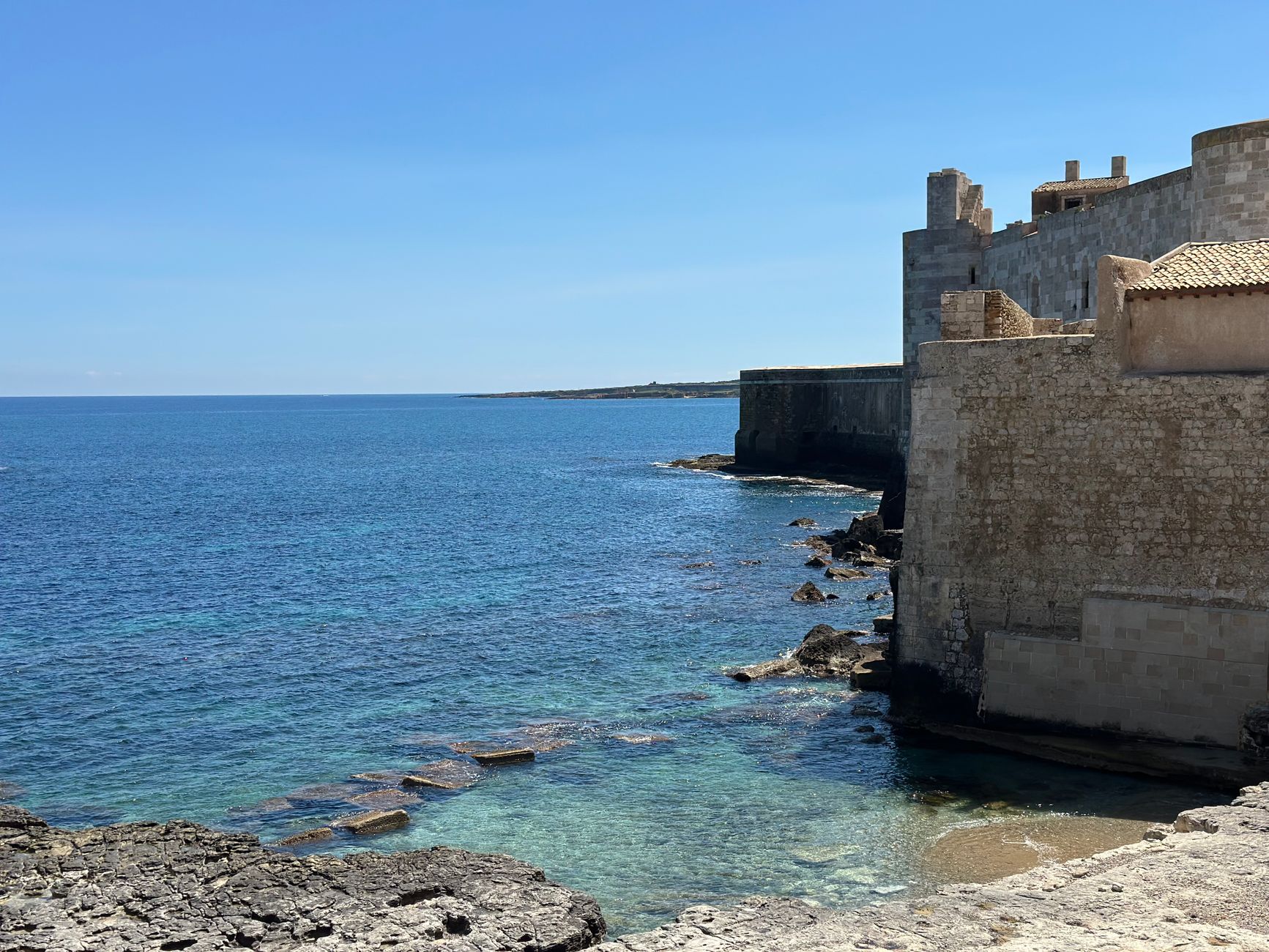
Stand at the edge of Ortygia and you are standing on the oldest continuously inhabited part of Sicily — one square kilometre of island that Corinthian colonists chose in 733 BC, expelled the Sicels from, and began building on without apparent hesitation. The Doric columns of the Temple of Apollo are still there, dark and salt-worn, rising from the pavement of a street where people park their scooters.

Syracuse once rivalled Athens. Archimedes was born here. Plato visited. Aeschylus staged plays in the Greek theatre that Hiero II had a hill carved out to create, and that theatre still runs productions today. The city carries all of this without making a fuss about it.

💛 What travellers fall for

People who come back tend to gravitate toward the same ritual: an early walk through Piazza del Duomo before the tour groups arrive, when the elongated Baroque square is quiet and the cathedral facade catches the low morning light. The Duomo itself rewards a long look — the ancient Greek columns of the Temple of Athena are embedded in its walls, visible from inside.

Good to know
Catania Airport is about an hour away; direct buses to Syracuse take just over an hour. From Rome, the overnight train is a genuine option. Spring and early autumn are the most comfortable seasons for walking. The hop-on hop-off bus covers 16 stops for €5 and is genuinely useful for the Archaeological Park.

Deals in Syracuse

Book directly at the provider
The story

How Syracuse came to be

Archias led the Corinthian colonists ashore on Ortygia in 733 BC, and within a few generations Syracuse had grown into the most powerful Greek city in the western Mediterranean. Gelon, who seized control in 491 BC, defeated a Carthaginian army at Himera in 480 BC — the same year the Greeks held Thermopylae. Dionysius I pushed the city further still, building it into the best-fortified Greek city of its time and assembling the most powerful fleet in the Mediterranean before his death in 367 BC.

Rome took the city in 212 BC, losing Archimedes in the siege. Arabs captured it in 878 CE. The earthquake of 1693 levelled much of what remained, and the city rebuilt in the Sicilian Baroque that now defines Ortygia's streets and squares. Caravaggio was here in 1608, painting The Burial of Saint Lucy.

People & landmarks

Who and what shaped it

People who shaped it

Archias
Corinthian oekist who led colonists to Ortygia in 733 BC and expelled the Sicels.
Archimedes
Mathematician born in Syracuse circa 287 BCE; died during Roman siege in 212 BC.
Gelon
Tyrant of Syracuse (491–478 BCE) who defeated Carthage at Battle of Himera in 480 BCE.
Dionysius I
Tyrant (405–367 BCE) who made Syracuse the most splendid and best-fortified Greek city with the Mediterranean's most powerful fleet.
Hiero II
Commissioned the Greek Theatre by having a hill carved out; developed trade with Alexandria.
Plato
Visited Syracuse.
Aeschylus
Staged plays in Syracuse's Greek Theatre.
Caravaggio
Painted The Burial of Saint Lucy during his stay in Syracuse in 1608.

Landmark buildings

Temple of Apollo
6th century BC Doric temple on Ortygia; oldest Sicilian temple dedicated to Apollo.
Temple of Athena
6th century BC Greek temple later transformed into cathedral; Doric columns form integral part of Syracuse Cathedral.
Syracuse Cathedral (Duomo)
Baroque facade built after 1693 earthquake by Bishop Zosimo; dominates Piazza del Duomo.
Greek Theatre of Hieron II
3rd century BCE; carved from hillside; still hosts performances today.
Roman Amphitheatre
2nd century CE; one of the largest in Italy.
Ear of Dionysius (Orecchio di Dionisio)
23-meter-high cave in Latomie del Paradiso quarries; renowned for extraordinary acoustics.
Maniace Castle
First half of 13th century Gothic fortress commissioned by Frederick II on previous Byzantine site.
Fountain of Arethusa
1907 reinforced concrete fountain by Giulio Moschetti depicting nymph Arethusa's transformation.
Piazza del Duomo
Baroque square widely regarded as one of Italy's most beautiful; enclosed by harmonious ensemble of buildings.
Catacombs of St. John
Second only to Rome's catacombs; demonstrates Syracuse's significance in early Christian period.
Necropolis of Pantalica
Bronze Age site 25 km northwest with over 5,000 rock-cut burial chambers from 13th–7th centuries BC.
Paolo Orsi Regional Archaeological Museum
One of Europe's largest museums by exhibition space.
Practical

Plan your visit

On the map

When to go

Summers are long, dry, and genuinely hot — July and August temperatures regularly exceed 35°C, which makes the midday Archaeological Park a serious undertaking. April through June and September through October offer warm days, manageable crowds, and the best light for photography.

Right now

☀️
33°C
Clear
Fri
☀️
35°
24°
Sat
☀️
37°
23°
Sun
☀️
37°
24°
Mon
☀️
39°
25°
Weather data: Open-Meteo

Background & history adapted from Wikipedia (CC BY-SA) · specs from Wikidata (CC0) · weather from Open-Meteo · map data © OpenStreetMap contributors · photos from Wikimedia Commons / Unsplash with per-image credit. No third-party reviews or social posts reproduced.

Top