
Suchitoto
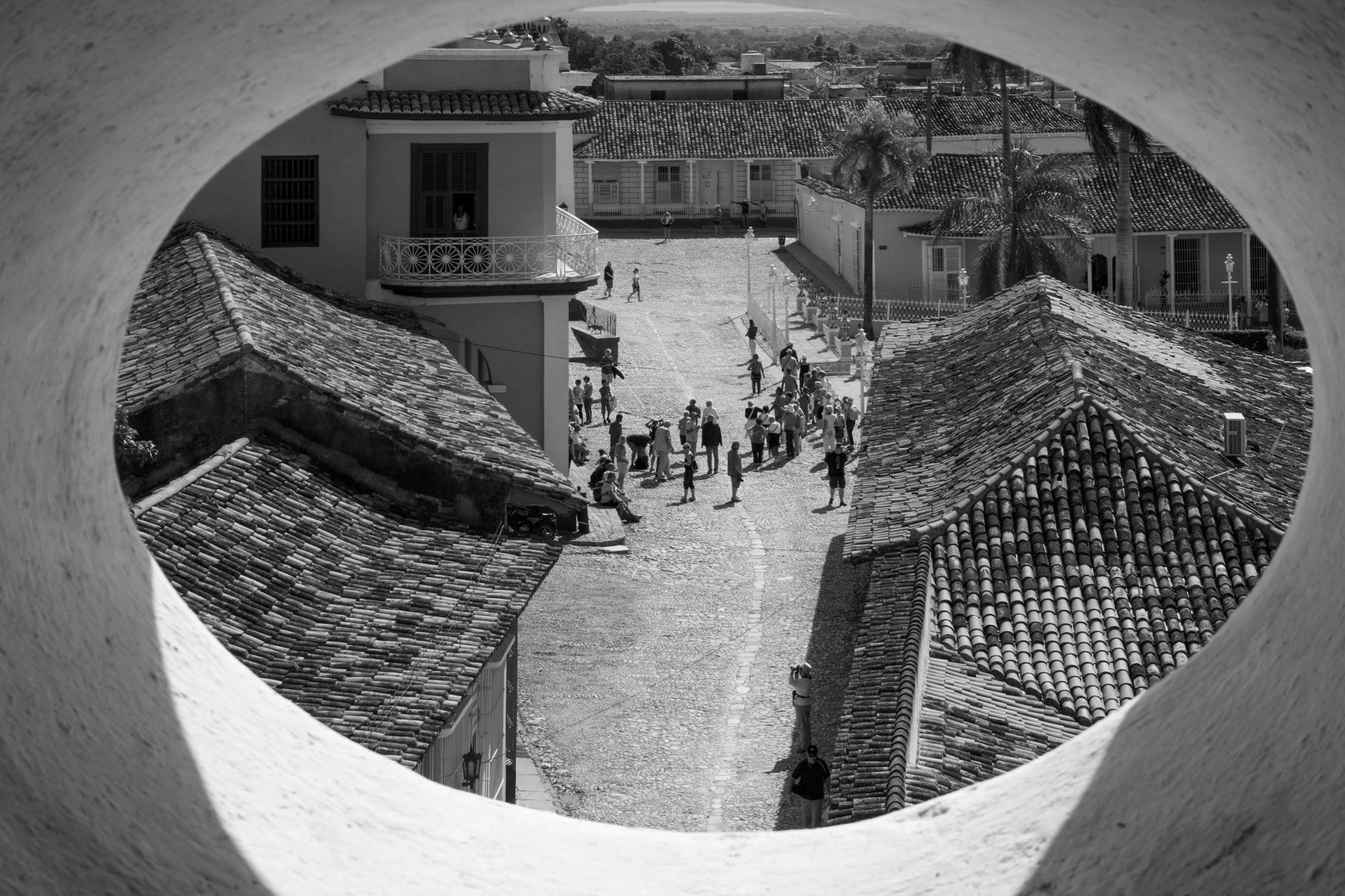
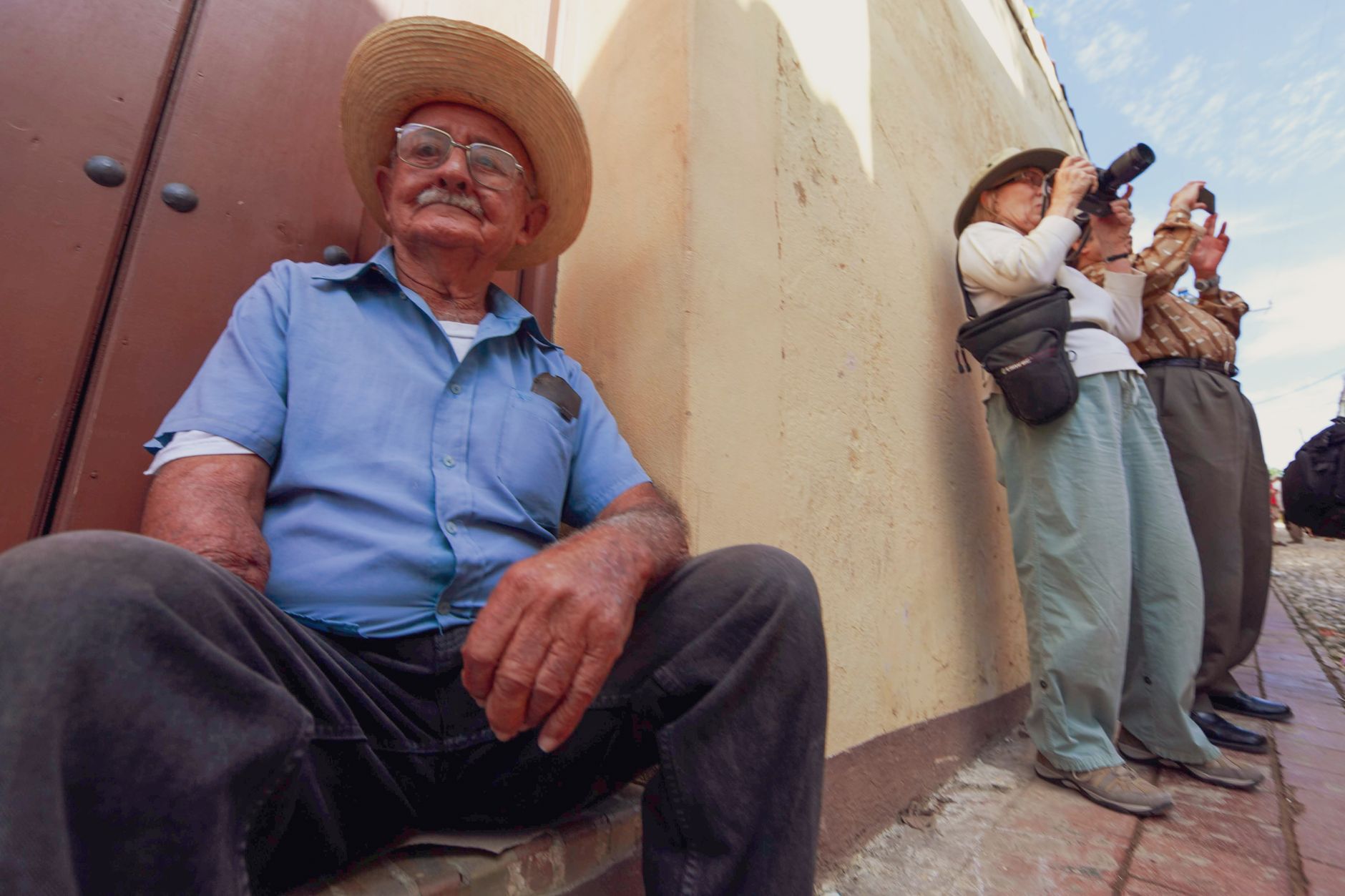
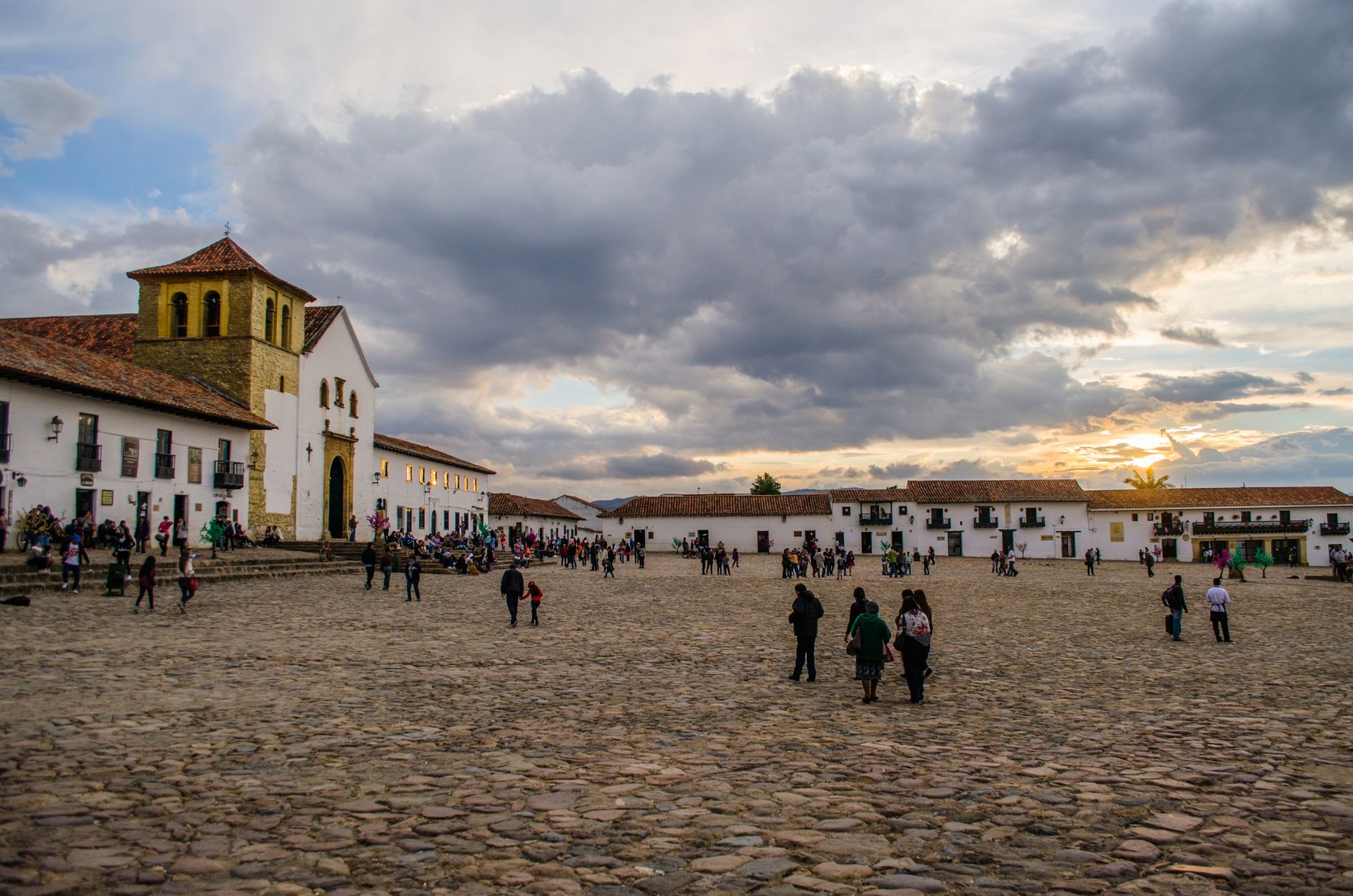
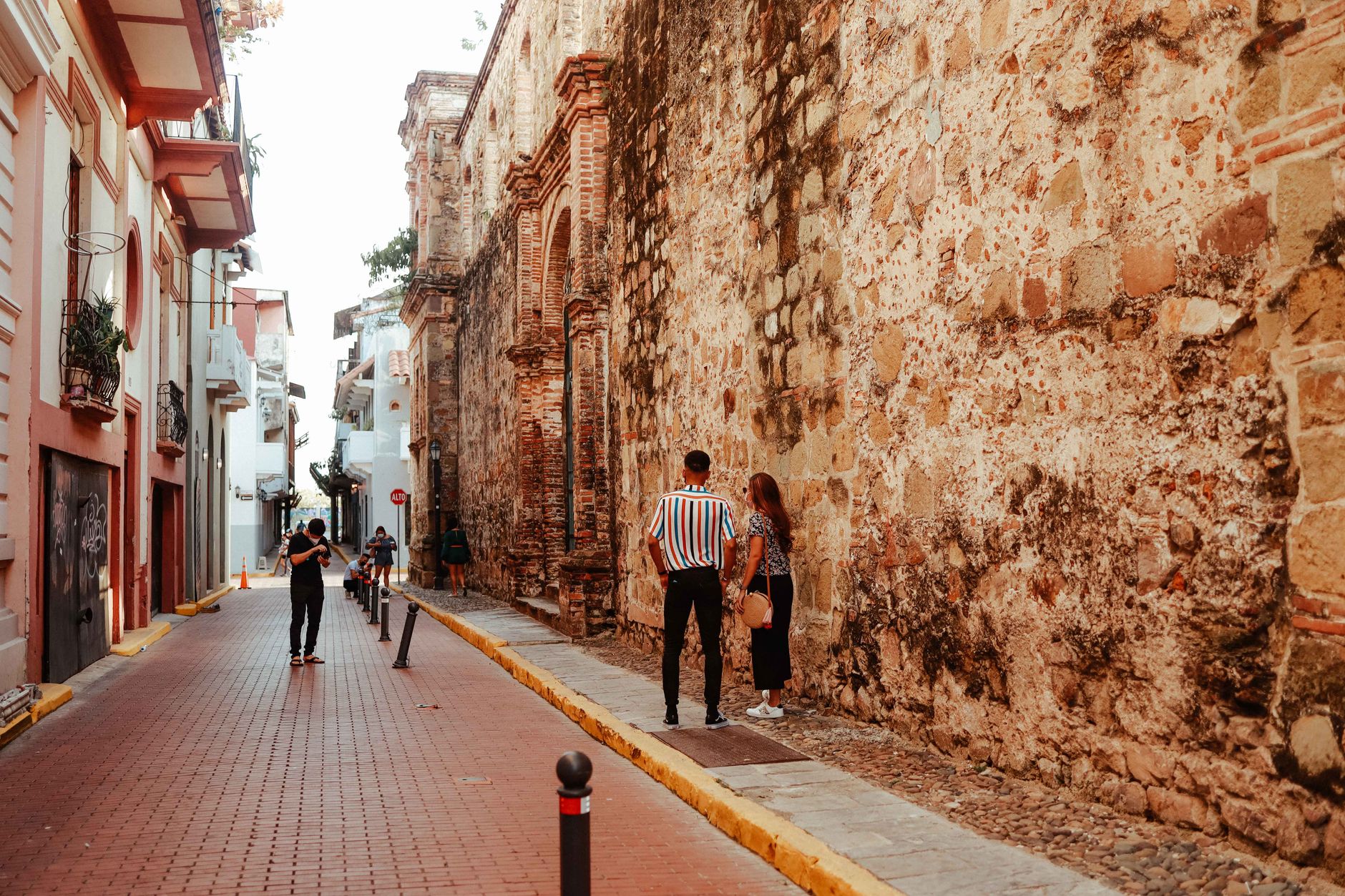
Suchitoto sits above Lake Suchitlán on a ridge in Cuscatlán, its cobblestone streets and whitewashed colonial facades intact in a way that feels less like preservation and more like continuity. The town has been here, in one form or another, since a Pipil settlement took root around the mid-11th century — and the layers haven't been smoothed away.
What draws people now is the combination of a working small city and a serious arts culture, anchored by Santa Lucía Church, a quiet archaeological site at Ciudad Vieja, and a waterfall barely a mile from the central plaza. The lake, man-made since the 1970s, has become its own ecosystem of informal ferry trips and lakeside eating.
💛 What travellers fall for
Return visitors tend to mention the same thing: give yourself the morning at Ciudad Vieja before the heat arrives, then walk back through town slowly enough to find the Art Center for Peace in the old convent. The Alejandro Coto House-Museum is worth the $3 — the lake view from inside alone justifies it.
How Suchitoto came to be
Suchitoto's place in Salvadoran history is older than the country itself. Spanish colonizers briefly established the Villa of San Salvador within its municipal territory in 1528, before relocating — the original site survives today as Ciudad Vieja, one of the best-preserved Conquest-period Spanish settlements in the hemisphere. Suchitoto was formally named head of the Cuscatlán department in 1835, became a town in 1836, and earned city status by 1858.
The civil war of 1980–1992 hit hard: the population fell from over 34,000 to fewer than 14,000. That the town's architecture and cultural life survived owes something to local filmmaker Alejandro Cotto (1928–2015), who during the conflict persuaded both sides that Suchitoto was worth protecting.
Who and what shaped it
People who shaped it
Landmark buildings
See Suchitoto in motion
Plan your visit
On the map
When to go
The dry season, November through April, brings warm days and cooler nights with minimal rain — the easier time to explore on foot or out on the lake. From May to October, expect afternoon showers most days; mornings are generally clear, and the landscape turns deep green.
Right now
Background & history adapted from Wikipedia (CC BY-SA) · specs from Wikidata (CC0) · weather from Open-Meteo · map data © OpenStreetMap contributors · photos from Wikimedia Commons / Unsplash with per-image credit. No third-party reviews or social posts reproduced.