
Styria
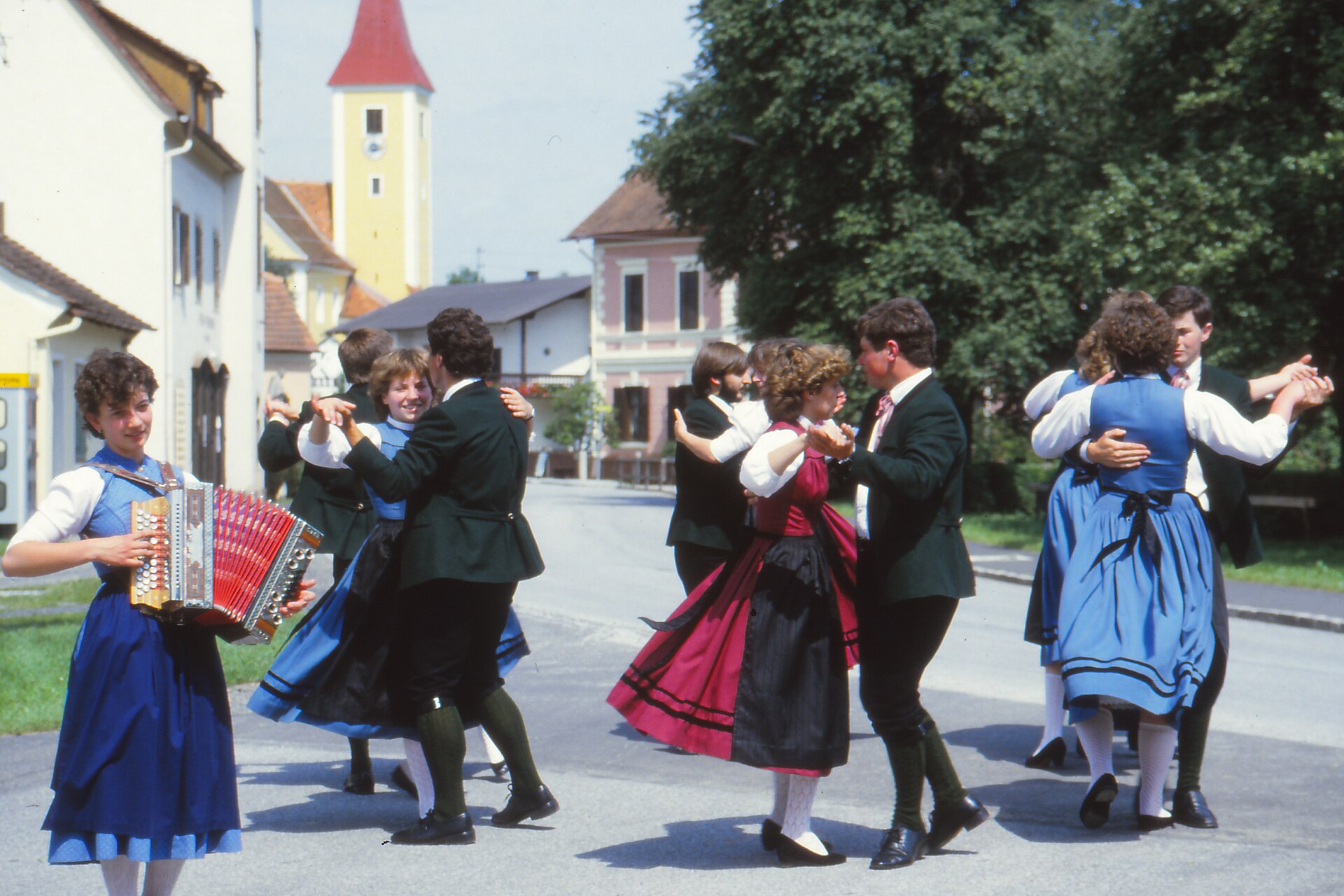
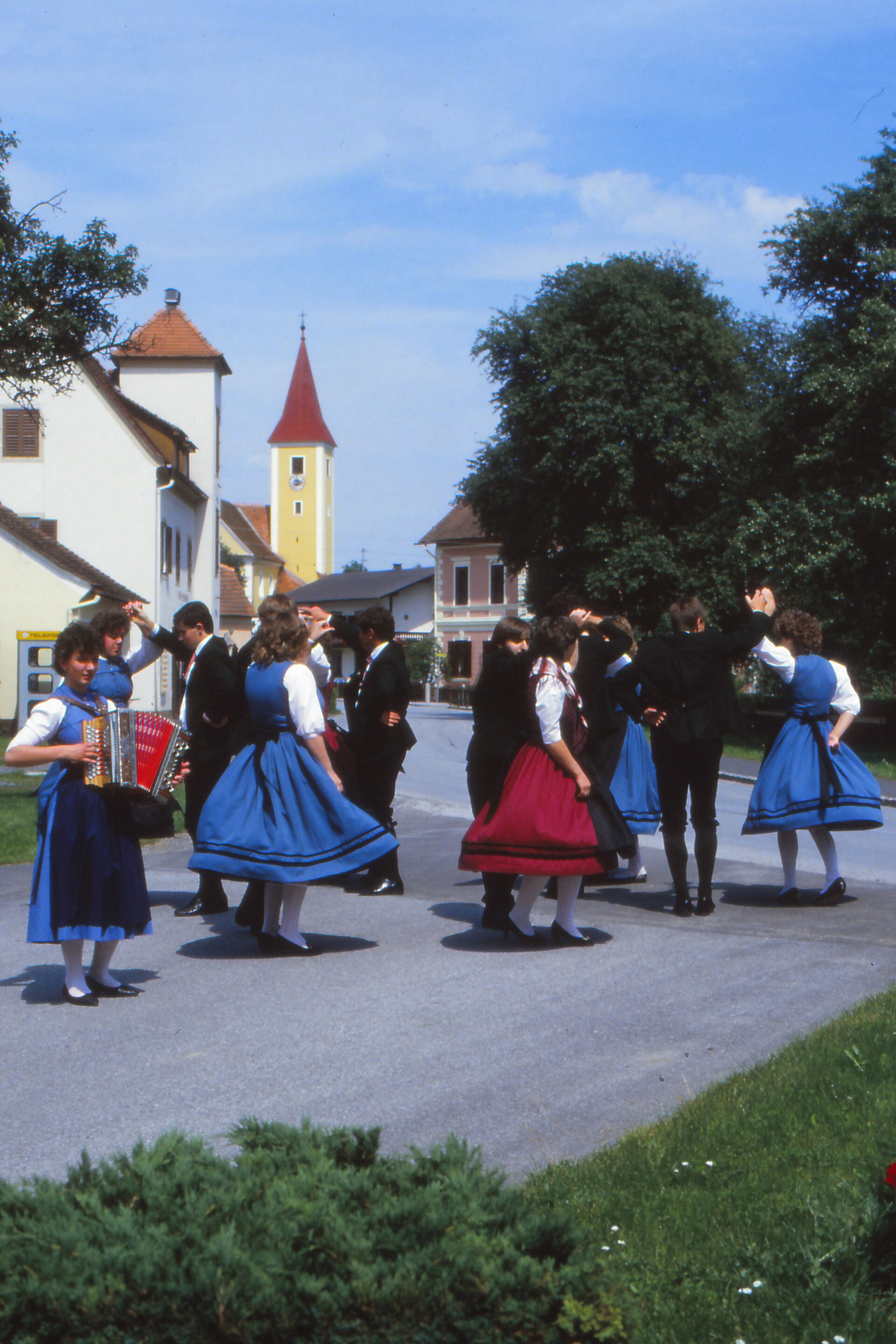
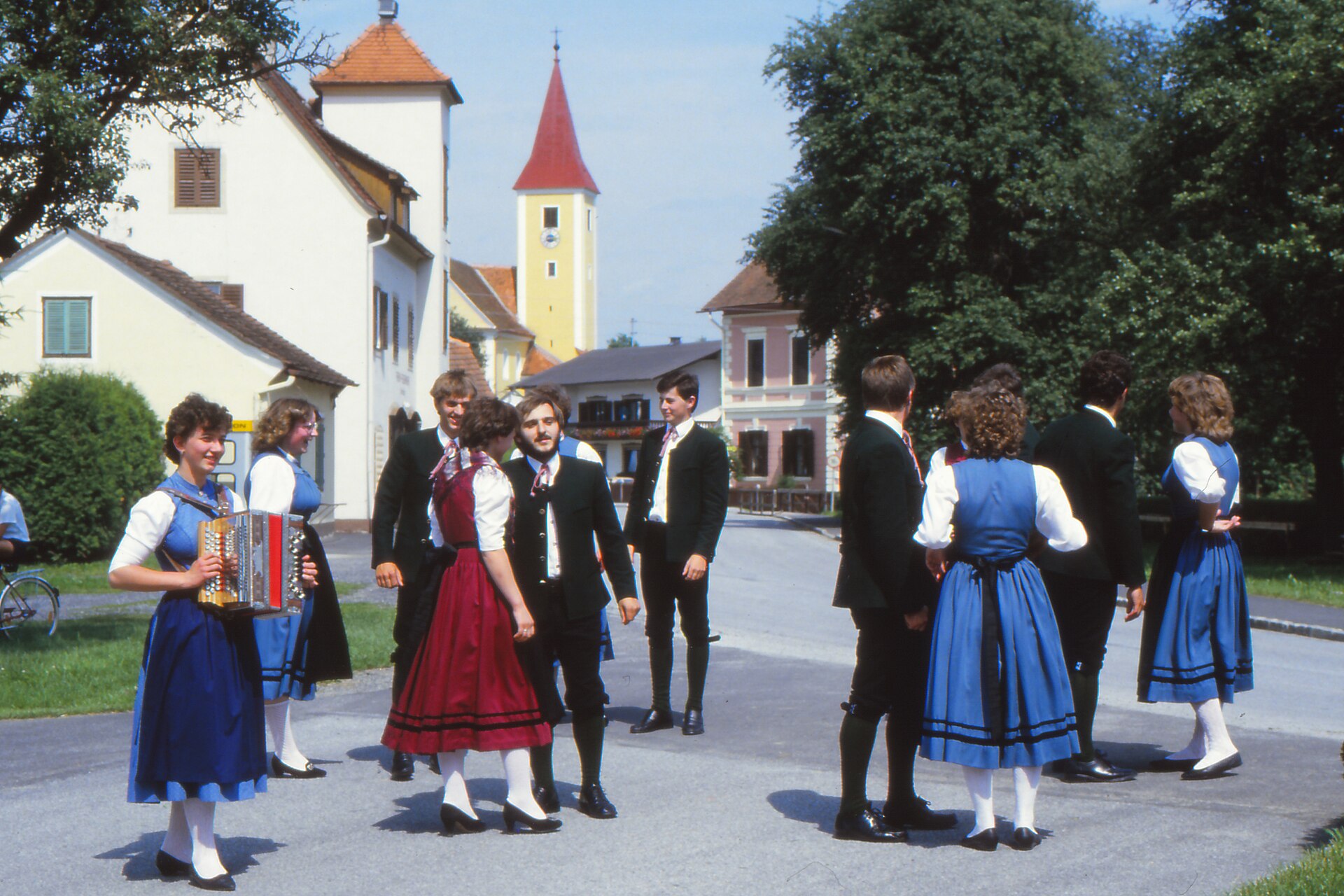
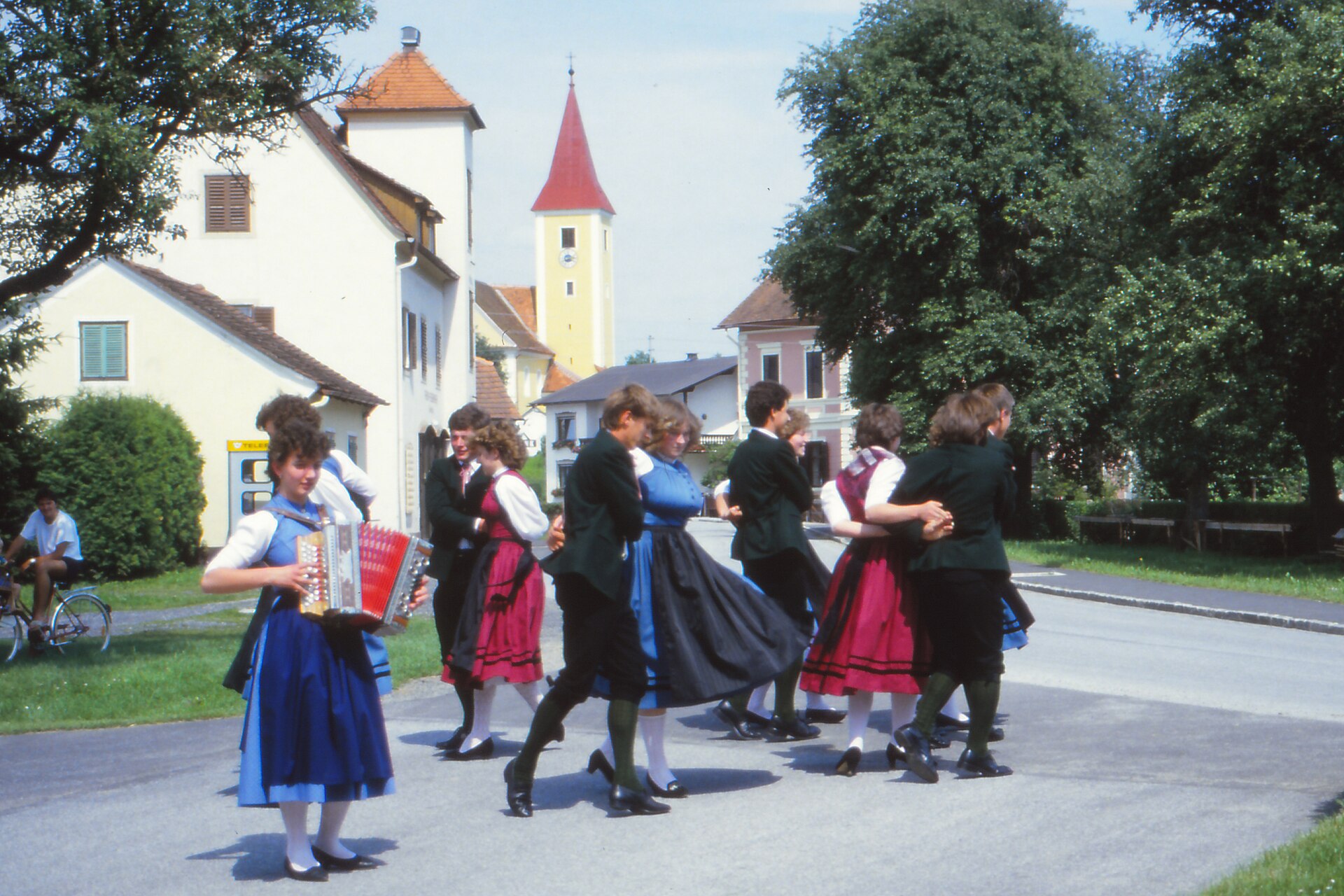
Styria is the green heart of Austria in the most literal sense — a federal state where vineyards climb south-facing slopes, the Dachstein glacier sits at nearly 3,000 metres, and the capital Graz holds a UNESCO-listed old town alongside a contemporary art museum locals call the Friendly Alien. The region produces more than scenery: Dietrich Mateschitz grew up here before co-founding Red Bull, and Arnold Schwarzenegger was raised in the farming village of Thal, two kilometres from Graz city centre.
What makes Styria worth its own attention, rather than a day trip from Vienna or Salzburg, is the range it holds without strain. You can spend a morning in the world's largest monastery library at Admont, an afternoon riding a haul truck through the open-cast iron ore landscape at Erzberg, and an evening in a wine cellar in the Südsteiermark — all within the same state.
💛 What travellers fall for
People who come back tend to anchor in Graz and radiate outward. The Steiermark Card, valid April to October, unlocks around 180 attractions and quietly pays for itself by the second day. Repeat visitors also flag the Bärenschützklamm gorge — 164 wooden bridges, 2,500 steps, roughly four and a half hours — as the walk that stays with them longest.
How Styria came to be
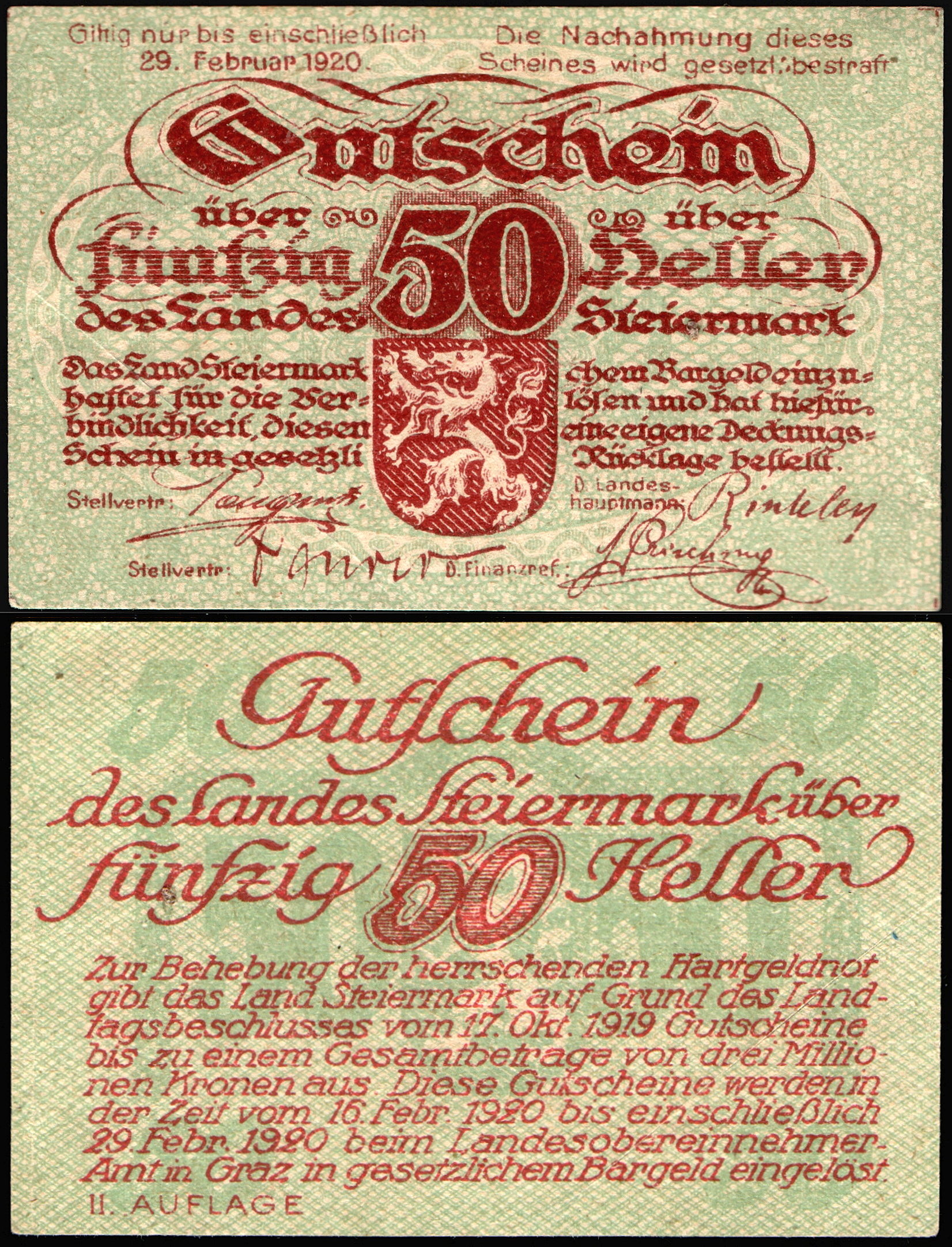
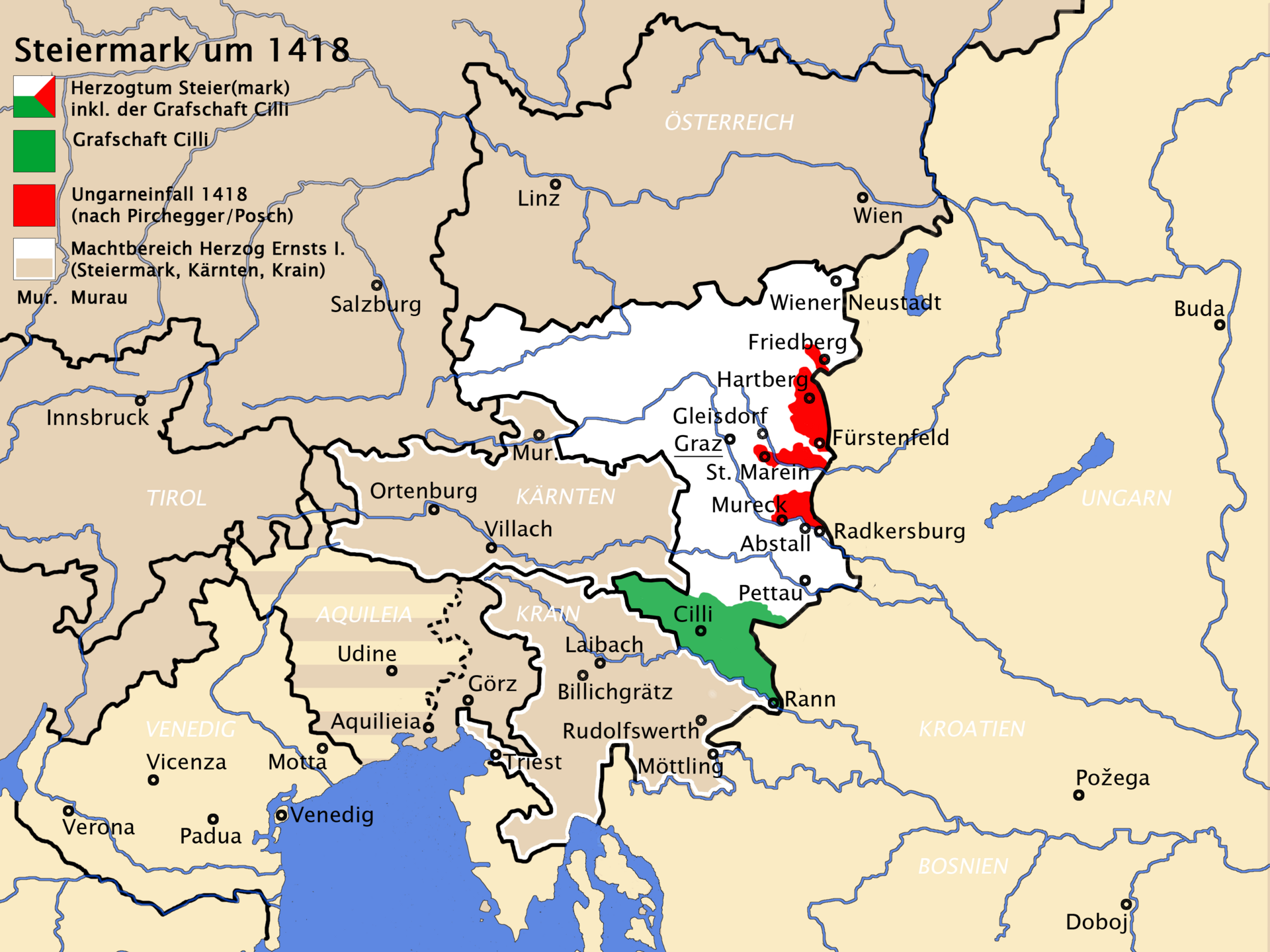
Styria began as a defensive march carved out of the Duchy of Carinthia in the late tenth century, built to hold the frontier against Magyar incursions. The ruling Otakar dynasty took its name from Steyr, the town in Upper Austria where it originated, and that name — Steiermark — stuck. Emperor Frederick Barbarossa raised the march to a duchy in 1180; twelve years later it passed by treaty to the Babenberg Duke of Austria, and from 1278, after Rudolf of Habsburg defeated Ottokar II at the Battle on the Marchfeld, Styria became a Habsburg possession it would remain for centuries.
The Counter-Reformation left a deep mark: Duke Karl invited the Jesuits into Styria in 1573 and founded the Catholic University of Graz in 1586. The astronomer Johannes Kepler taught mathematics in Graz during this period before Lutherans were expelled. After World War I, the Slovene-speaking southern third of the region was absorbed into what became Yugoslavia; the remaining two-thirds became the Austrian federal state that exists today.
Who and what shaped it
People who shaped it
Landmark buildings
See Styria in motion
Plan your visit
On the map
When to go
Summers are warm and green, with July averaging around 26°C — good walking and cycling weather throughout the valleys and wine country. Winters are cold and often snowy, with January temperatures around 4°C in the lowlands and proper alpine conditions on the Dachstein, making the region a genuine year-round proposition depending on what you're after.
Right now
Background & history adapted from Wikipedia (CC BY-SA) · specs from Wikidata (CC0) · weather from Open-Meteo · map data © OpenStreetMap contributors · photos from Wikimedia Commons / Unsplash with per-image credit. No third-party reviews or social posts reproduced.