
Stratford-upon-Avon
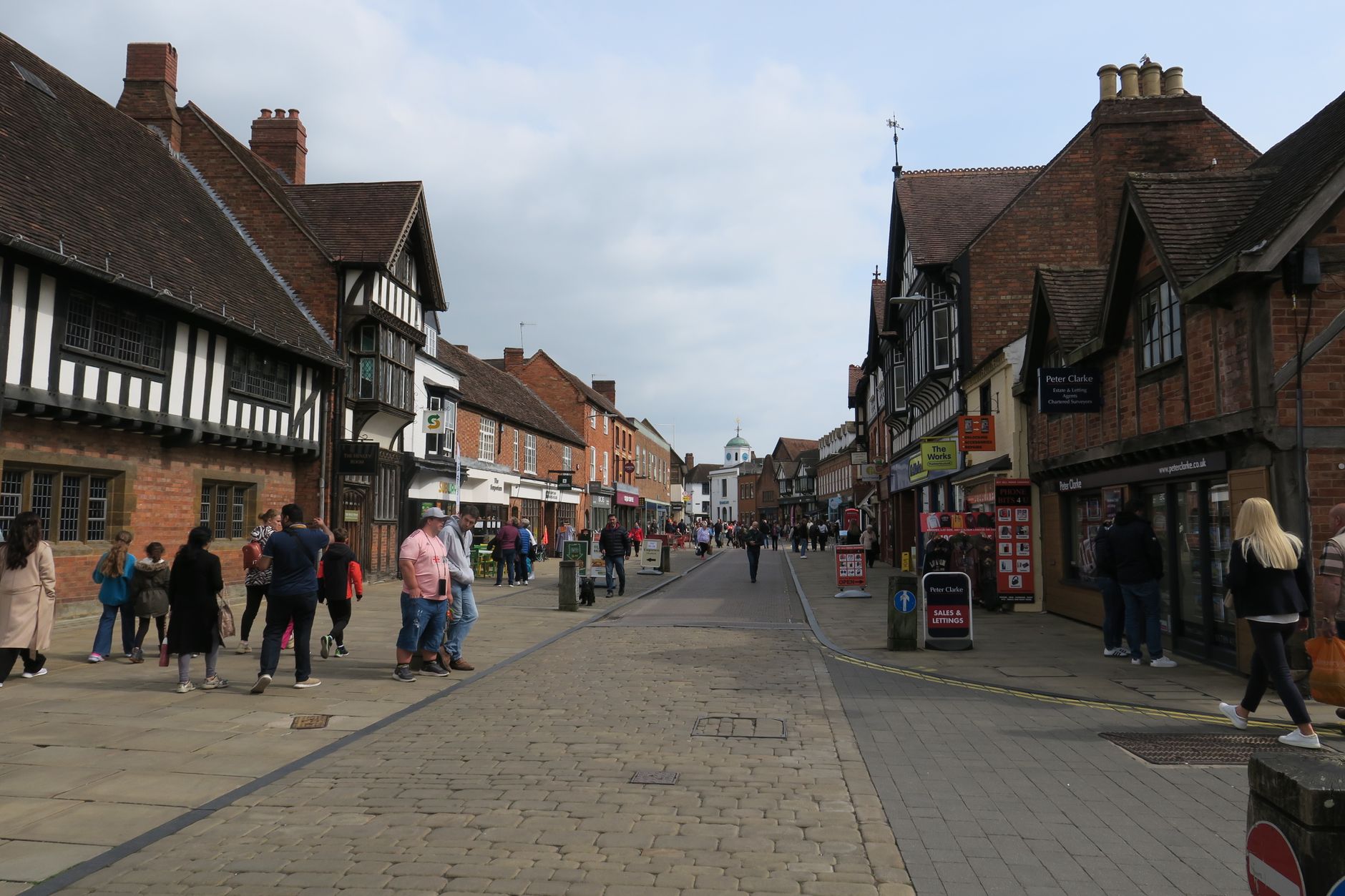
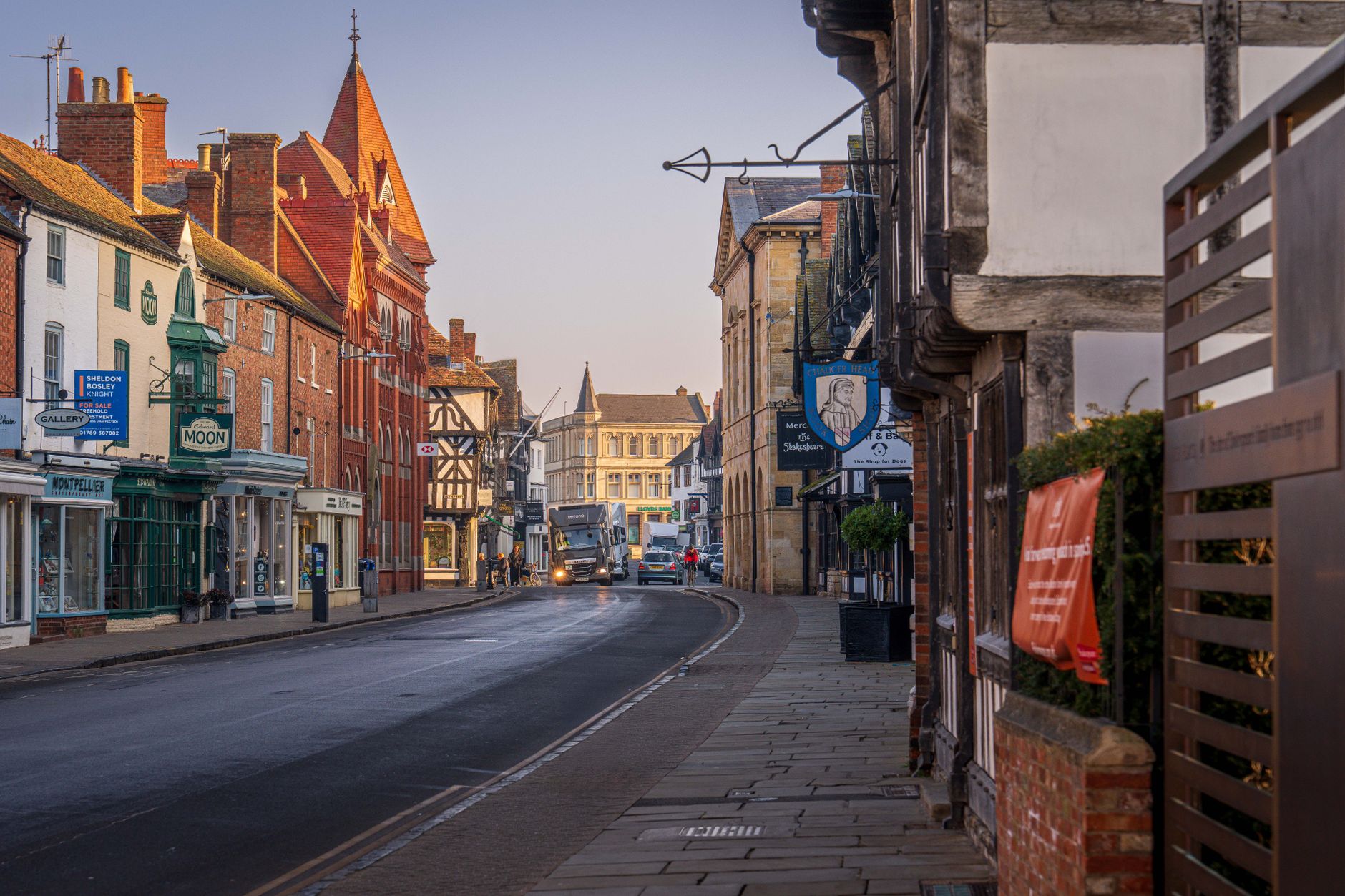

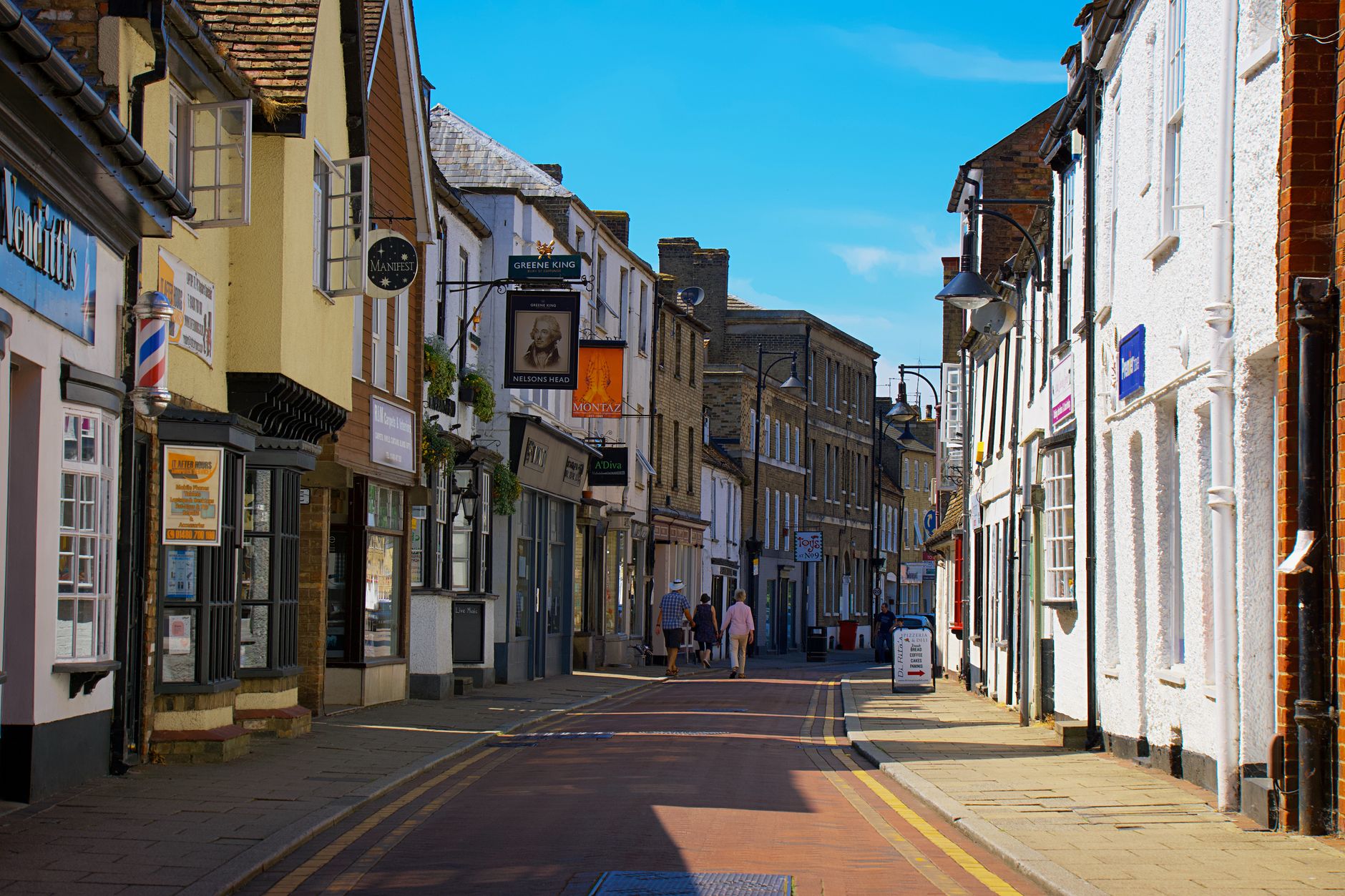
Stratford-upon-Avon is, inescapably, Shakespeare's town — his birthplace on Henley Street, his grave in Holy Trinity Church, the house he bought when he had money enough to come home. But the place underneath that story is older and more interesting than the Shakespeare industry lets on. The street grid you walk today was laid out nine centuries ago, and Clopton Bridge has been carrying traffic across the Avon since 1480.
Come for a day or two and you'll find a compact market town where the medieval and the theatrical sit side by side without much fuss — Guild Chapel's wall paintings a short walk from the Royal Shakespeare Theatre's rooftop restaurant, half-timbered fronts giving way to the river and its slow Sunday-afternoon boats.
How Stratford-upon-Avon came to be
The settlement is Anglo-Saxon in origin — by the early 8th century there was already a church, a monastery and a watermill here at the ford. Danish raids levelled Warwickshire in 1015, but the town rebuilt, and by the 12th century it had been replanned on a grid of wide streets and burgage plots that still defines the centre today. Richard I granted a market charter in 1196; the Guild of the Holy Cross ran civic life from 1269 until Henry VIII's reforms ended it in 1547.
Sir Hugh Clopton, a Stratford man who became Lord Mayor of London, funded the masonry bridge across the Avon in 1480 and built New Place — the house Shakespeare would later buy in 1597, after London had made him prosperous enough to return. Shakespeare died here in April 1616 and is buried in the chancel of Holy Trinity Church, which had already been standing for the best part of a thousand years.
Who and what shaped it
People who shaped it
Landmark buildings
See Stratford-upon-Avon in motion
Plan your visit
On the map
When to go
The English Midlands climate means mild, changeable weather year-round. Summer (June–August) brings the warmest days and the heaviest visitor numbers; April and May offer blossom on the riverbanks and quieter streets. Winter is cold and often grey, but the town empties out and the theatre season continues indoors.
Right now
Background & history adapted from Wikipedia (CC BY-SA) · specs from Wikidata (CC0) · weather from Open-Meteo · map data © OpenStreetMap contributors · photos from Wikimedia Commons / Unsplash with per-image credit. No third-party reviews or social posts reproduced.