
Stonehenge and Salisbury Plain
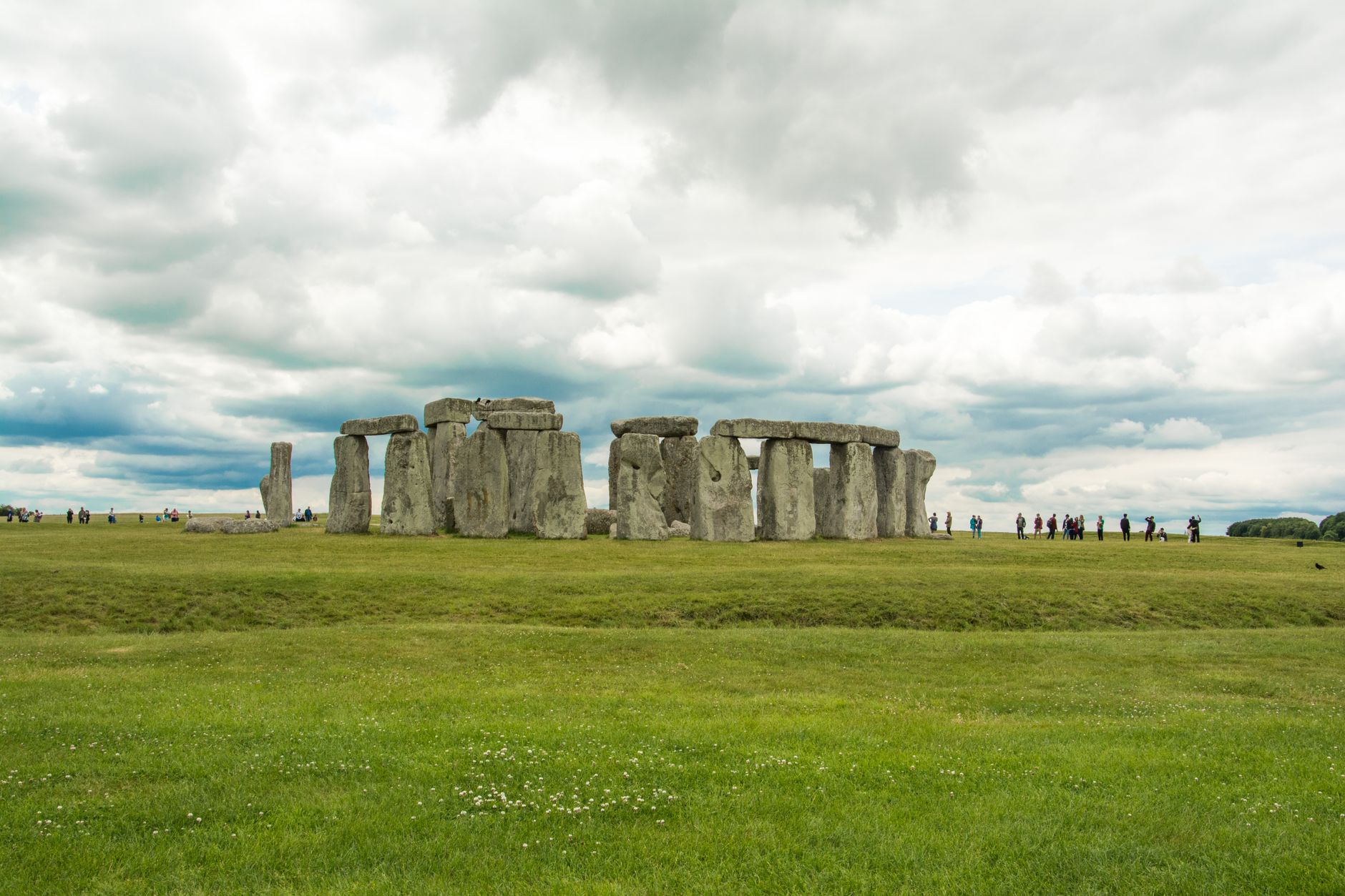
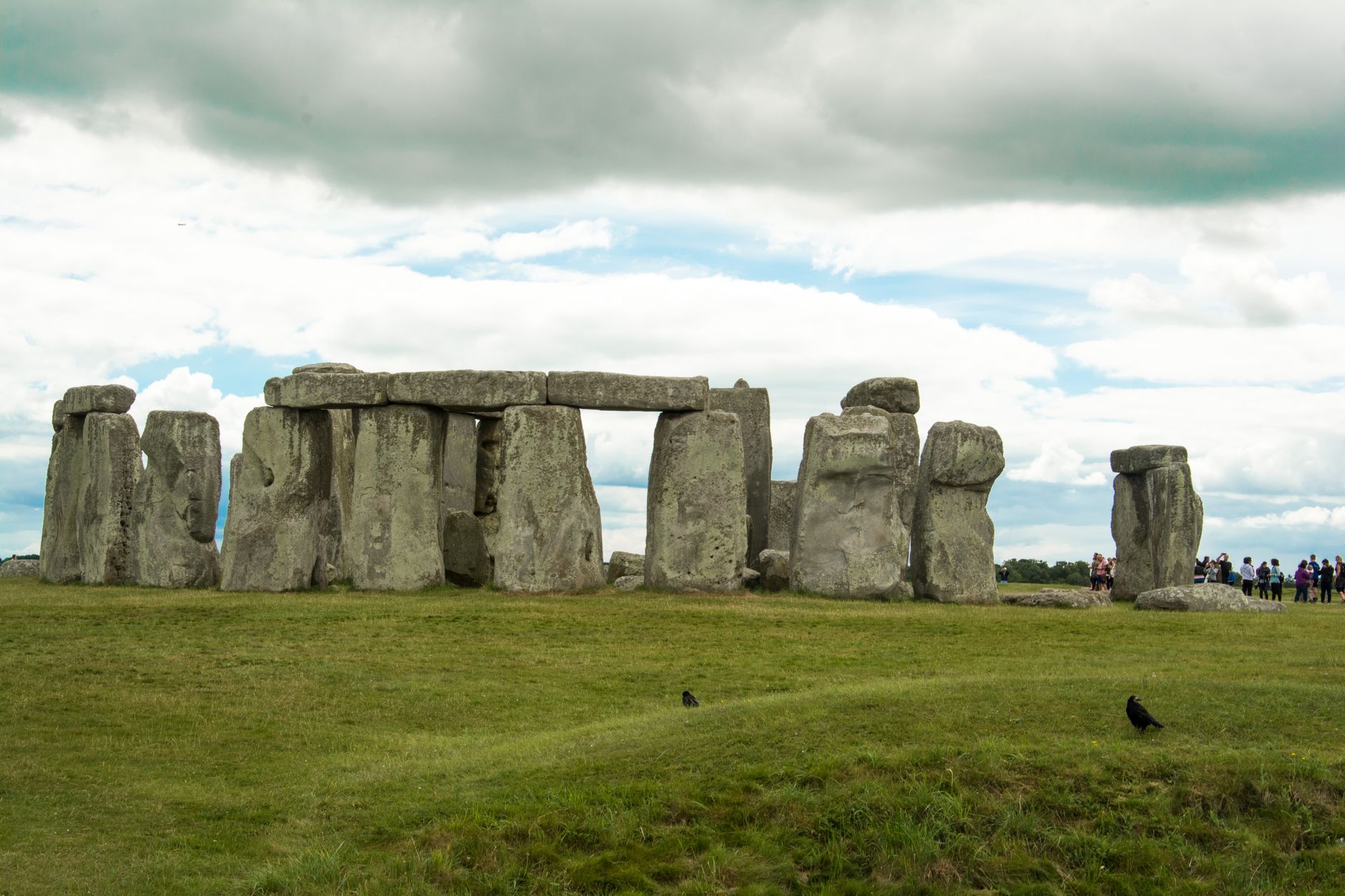
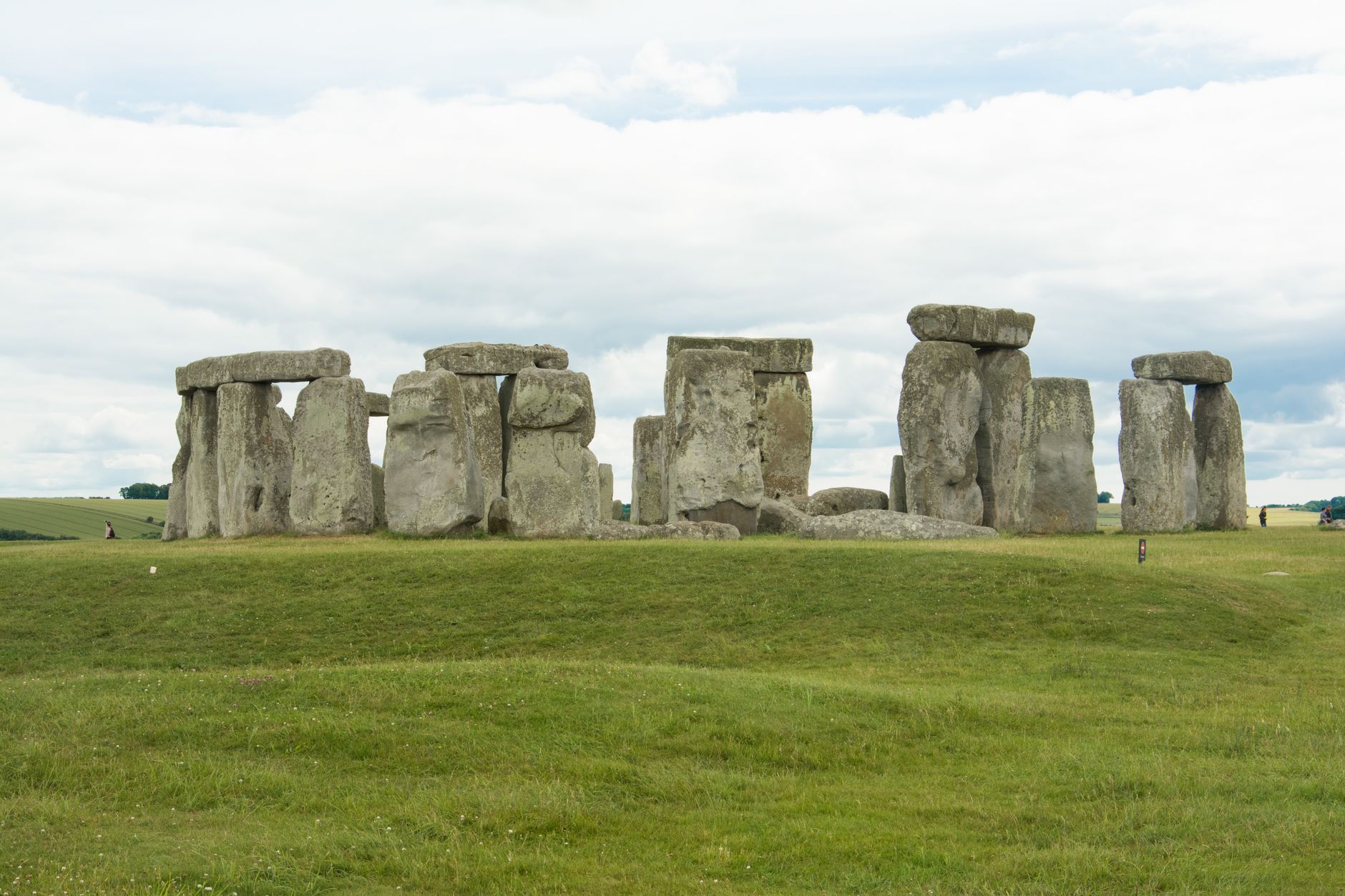
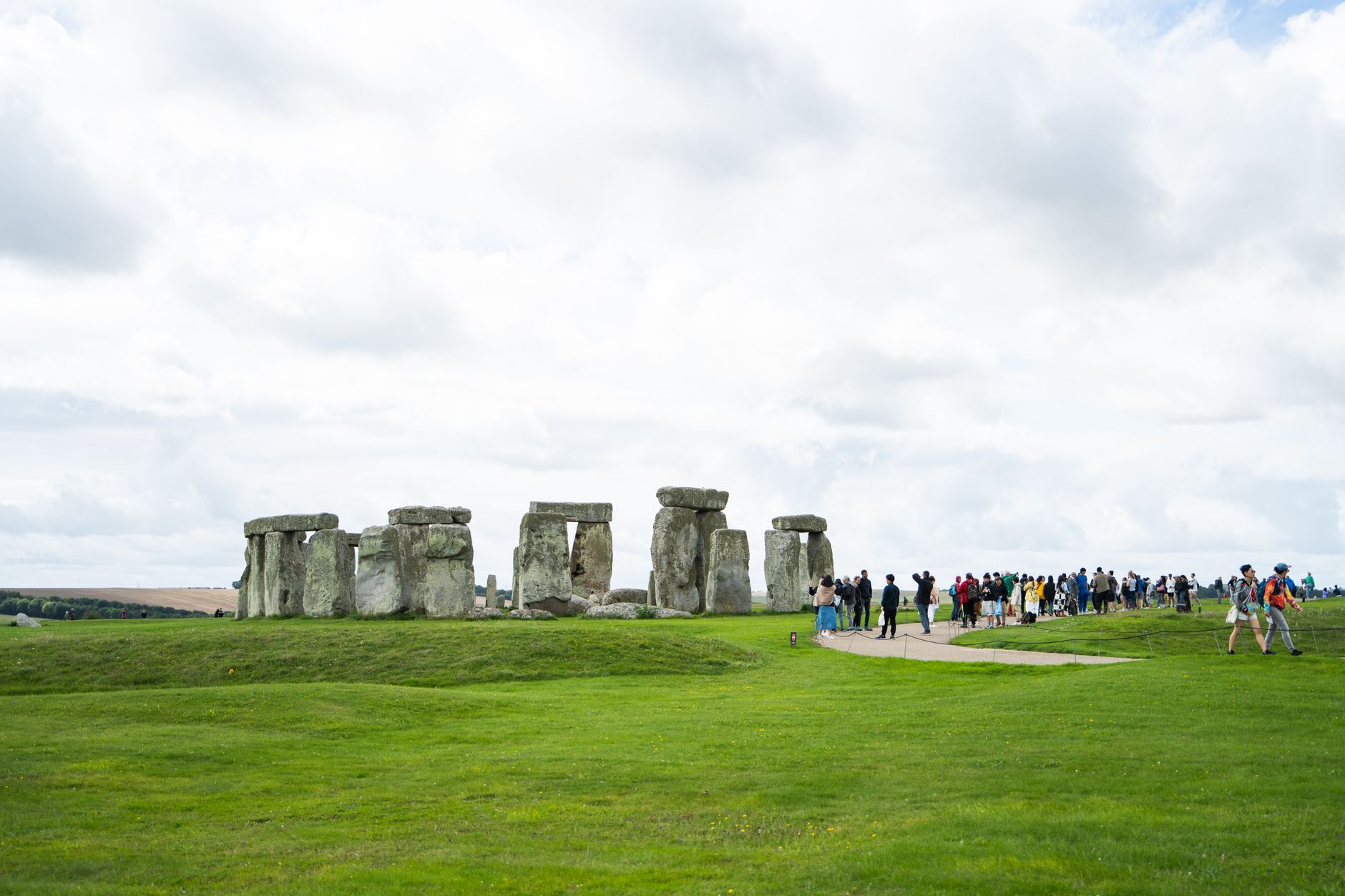
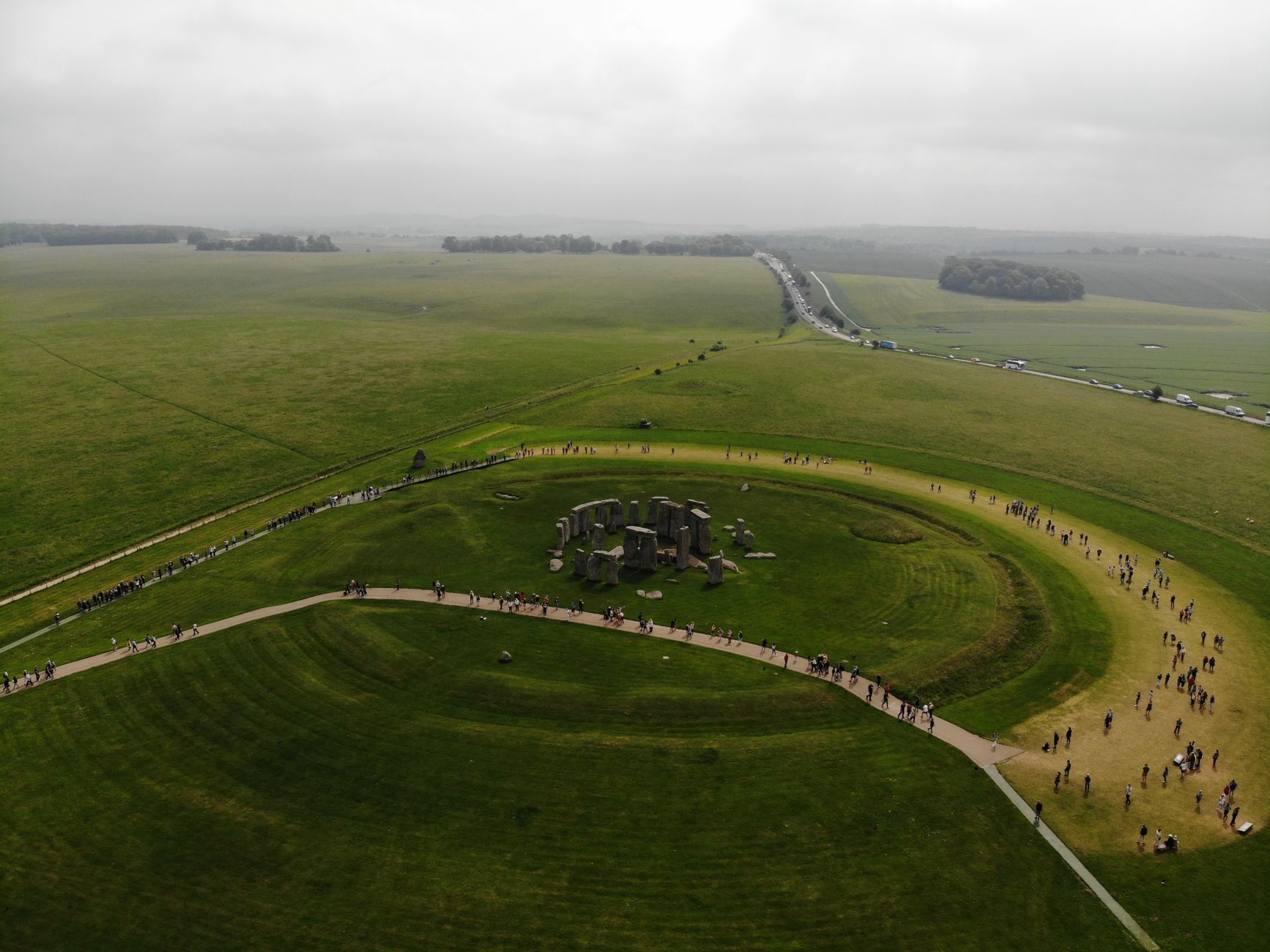

The stones are bigger than photographs prepare you for. Standing at the low rope barrier — about ten yards out — you find yourself recalibrating scale against the 25-ton sarsens, their lintels locked in place with mortise-and-tenon joints cut into rock around 2500 BCE. The monument sits on Salisbury Plain surrounded by the densest concentration of Bronze Age burial mounds in Britain, a landscape that was ceremonially significant for perhaps five thousand years before the circle you're looking at was even begun.
The plain itself does as much work as the stones. On a clear day the horizon is uninterrupted in every direction, and that openness — the same openness the builders had — gives you some sense of why this particular piece of chalk downland was chosen.
💛 What travellers fall for
People who return tend to book a Special Access visit for a different reason each time — the winter solstice alignment reads completely differently from the summer one, and walking among the stones before the public gates open changes the geometry of the whole place. Book those tickets the moment they go on sale; they sell out months ahead.
How Stonehenge and Salisbury Plain came to be
People were gathering on this stretch of chalk downland as early as 8000–7000 BCE, though the monument itself was built in stages across more than a millennium. A circular earth bank and ditch appeared around 3100 BCE; the first stones arrived between 2400 and 2200 BCE. The bluestones — weighing 2 to 5 tons each — came from the Preseli Hills of southwestern Wales, roughly 140 miles away. The massive sarsens, averaging 25 tons, were hauled from West Woods about 16 miles to the north. The Avenue, aligned to the summer solstice sunrise and winter solstice sunset, was laid out between 2470 and 2280 BCE.
Who exactly built it remains open. Several distinct Neolithic communities contributed to different phases, and the site continued to be modified until around 1520 BCE. John Aubrey examined it with a scientific eye in 1666, recording the ring of pits that now carry his name. The Druids theory — long popular — has been firmly set aside: Celtic society only emerged after 300 BCE, well after the last stones were placed.
Who and what shaped it
People who shaped it
Landmark buildings
See Stonehenge and Salisbury Plain in motion
Plan your visit
On the map
When to go
Salisbury Plain is open and fully exposed, so wind and rain arrive without warning in any season; layers and waterproofs are worth carrying even in summer. The site is open year-round, but the longer days of May through September give you the best light and the latest closing time.
Right now
Background & history adapted from Wikipedia (CC BY-SA) · specs from Wikidata (CC0) · weather from Open-Meteo · map data © OpenStreetMap contributors · photos from Wikimedia Commons / Unsplash with per-image credit. No third-party reviews or social posts reproduced.