
South Luangwa National Park
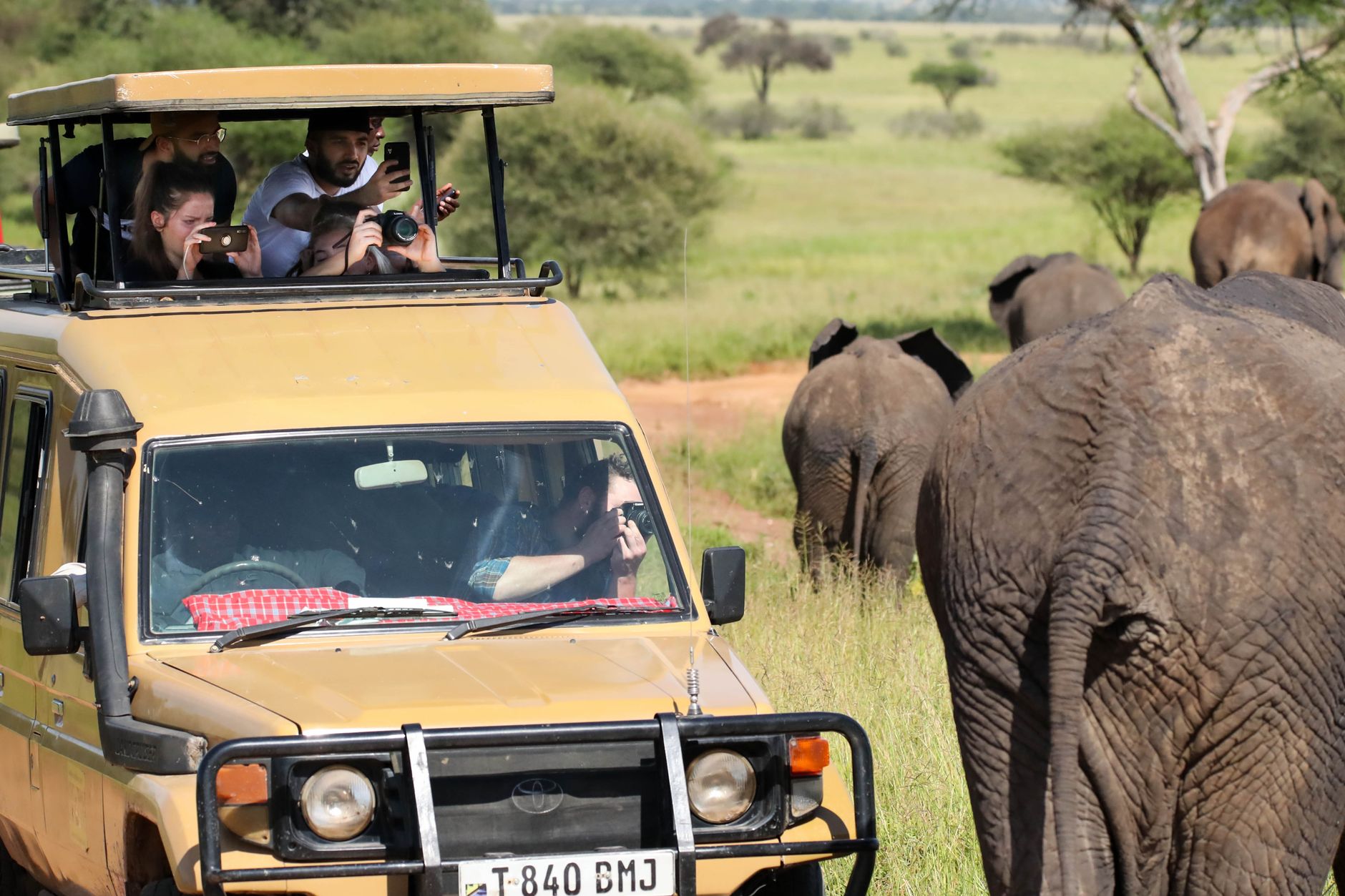


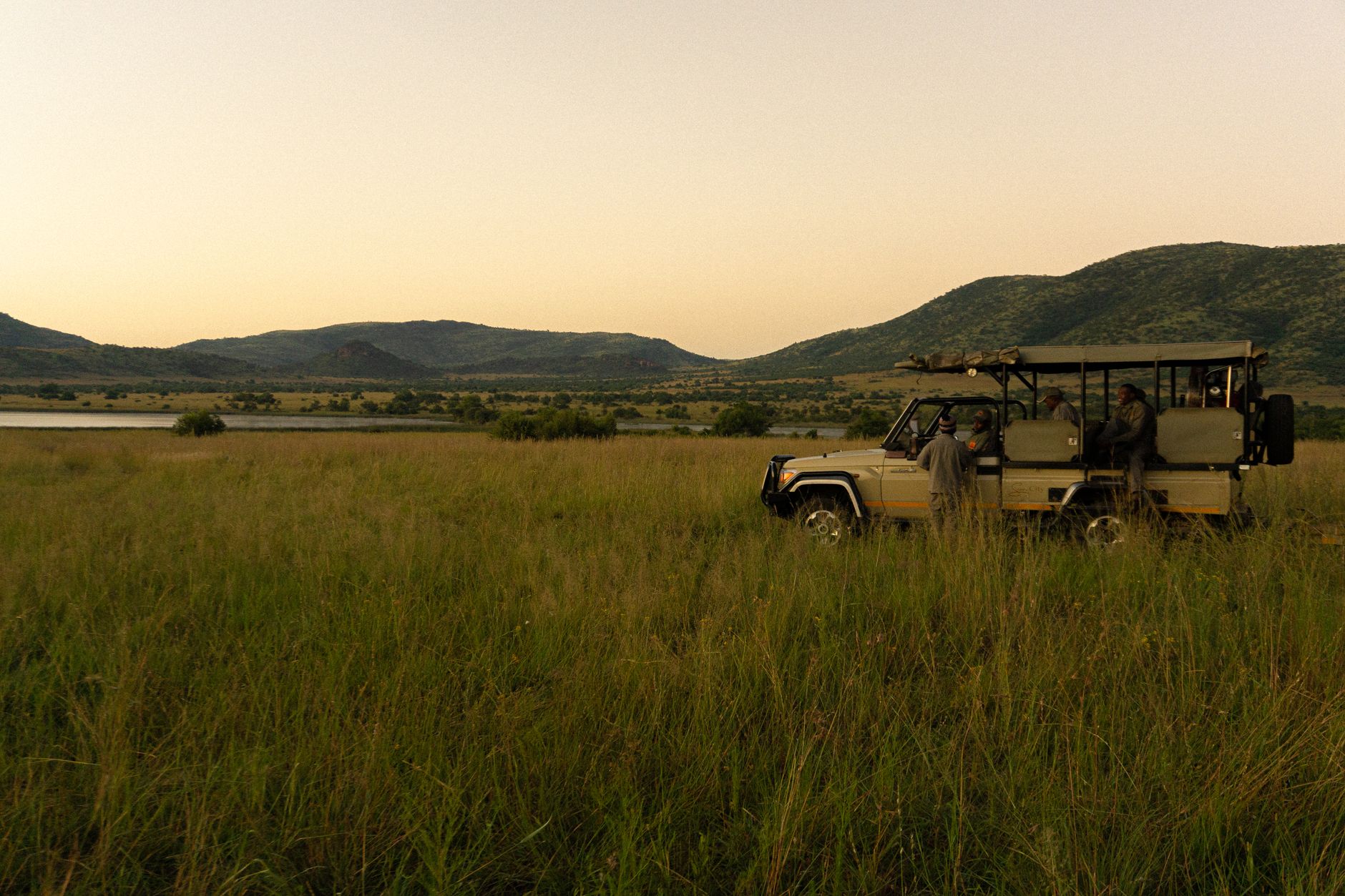


The Luangwa River bends sharply here, cutting ox-bow lagoons that fill with hippos and the reflections of winterthorn trees. South Luangwa National Park, in Zambia's Eastern Province, is where the photographic safari was effectively invented — not as a marketing concept, but as a deliberate rejection of the rifle in favour of the camera, back in the early 1950s. That founding instinct still shapes how the park operates today.
Covering roughly 9,050 square kilometres of miombo woodland, mopane forest and floodplain, South Luangwa holds one of the most concentrated populations of leopard on the continent, alongside lion, elephant, buffalo and the endemic Thornicroft's giraffe. The walking safari — guide, armed ranger, open bush — remains the experience that separates this park from almost anywhere else in Africa.
How South Luangwa National Park came to be
The land was first protected as a game reserve in 1904, formalised as the Luangwa Game Reserve on 27 May 1938. Independence changed everything: on 15 February 1972, under Zambia's National Parks and Wildlife Act, the reserve was elevated to national park status.
The figure who most shaped what South Luangwa became is British conservationist Norman Carr, who in the early 1950s established Chibembe Camp at the confluence of the Chibembe and Luangwa rivers — the first photographic safari camp in Northern Rhodesia. Carr's insistence that guests carry cameras rather than rifles seeded an entire philosophy of conservation-based tourism that the park still carries forward. The Chichele Presidential Lodge, built in the early 1970s on Mfuwe Lagoon, later hosted Queen Elizabeth II and ANC representatives during Zambia's post-independence years, marking the park's place in a wider political story.
Who and what shaped it
People who shaped it
Landmark buildings
See South Luangwa National Park in motion
Plan your visit
On the map
When to go
The dry season, May to October, is when the bush opens up and wildlife concentrates along the river — June and July bring cool nights around 13°C and comfortable days near 27°C, while October turns fierce before the rains break. The wet months, December through March, bring daily afternoon downpours and temperatures pushing 33°C, closing much of the park to visitors but transforming the landscape into something greener and altogether different.
Right now
Background & history adapted from Wikipedia (CC BY-SA) · specs from Wikidata (CC0) · weather from Open-Meteo · map data © OpenStreetMap contributors · photos from Wikimedia Commons / Unsplash with per-image credit. No third-party reviews or social posts reproduced.