
Son Espanyolet
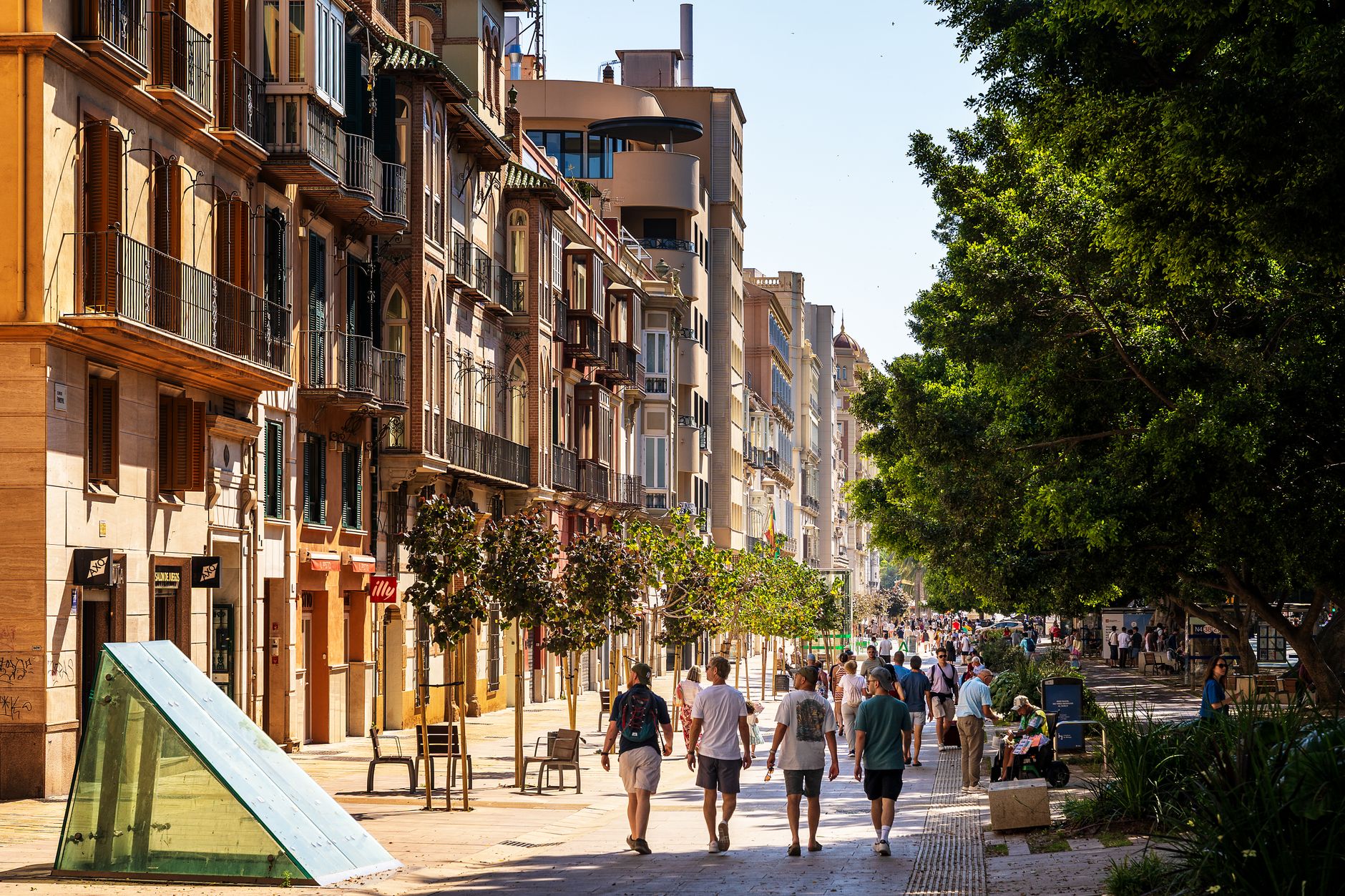
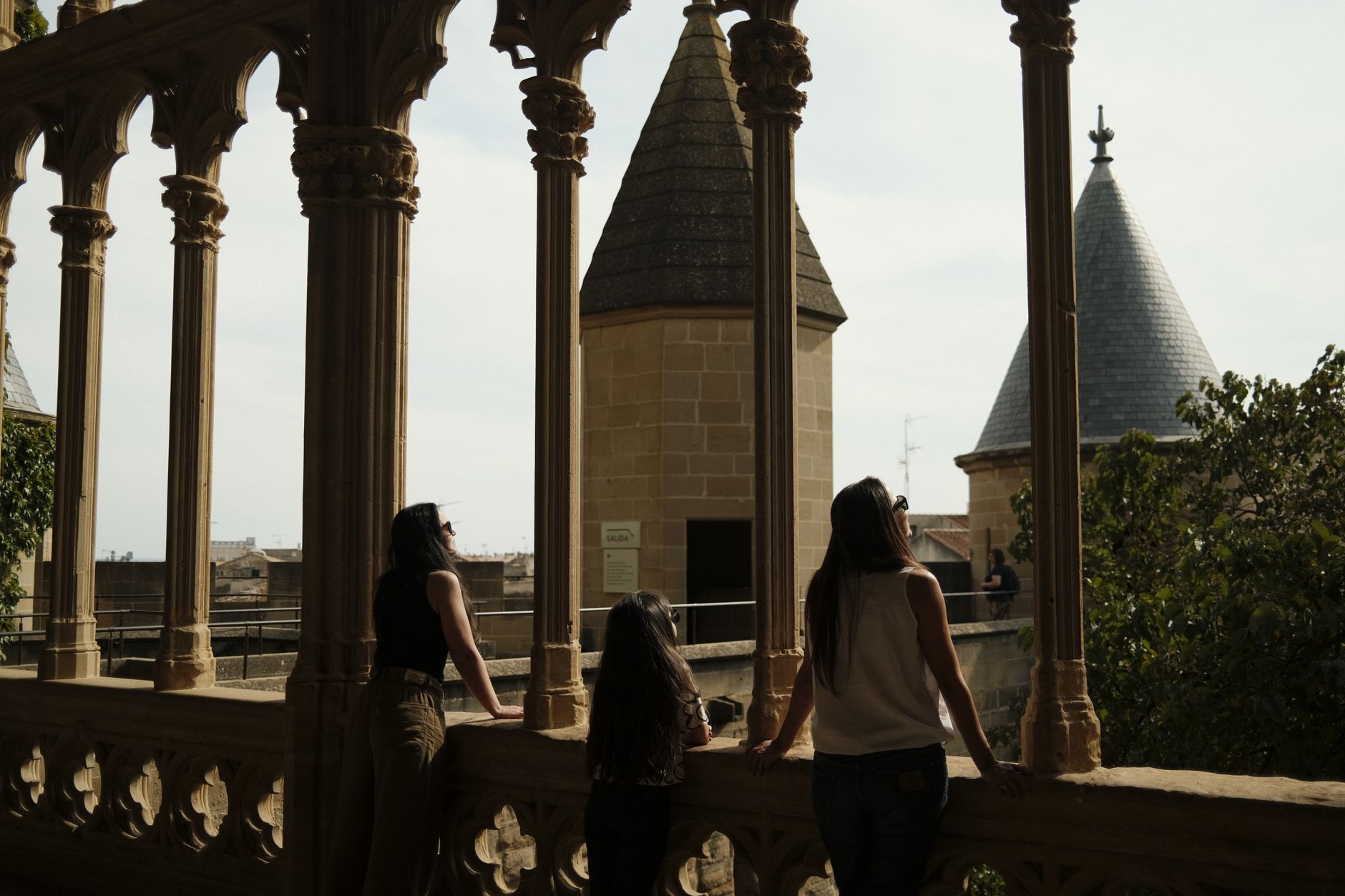
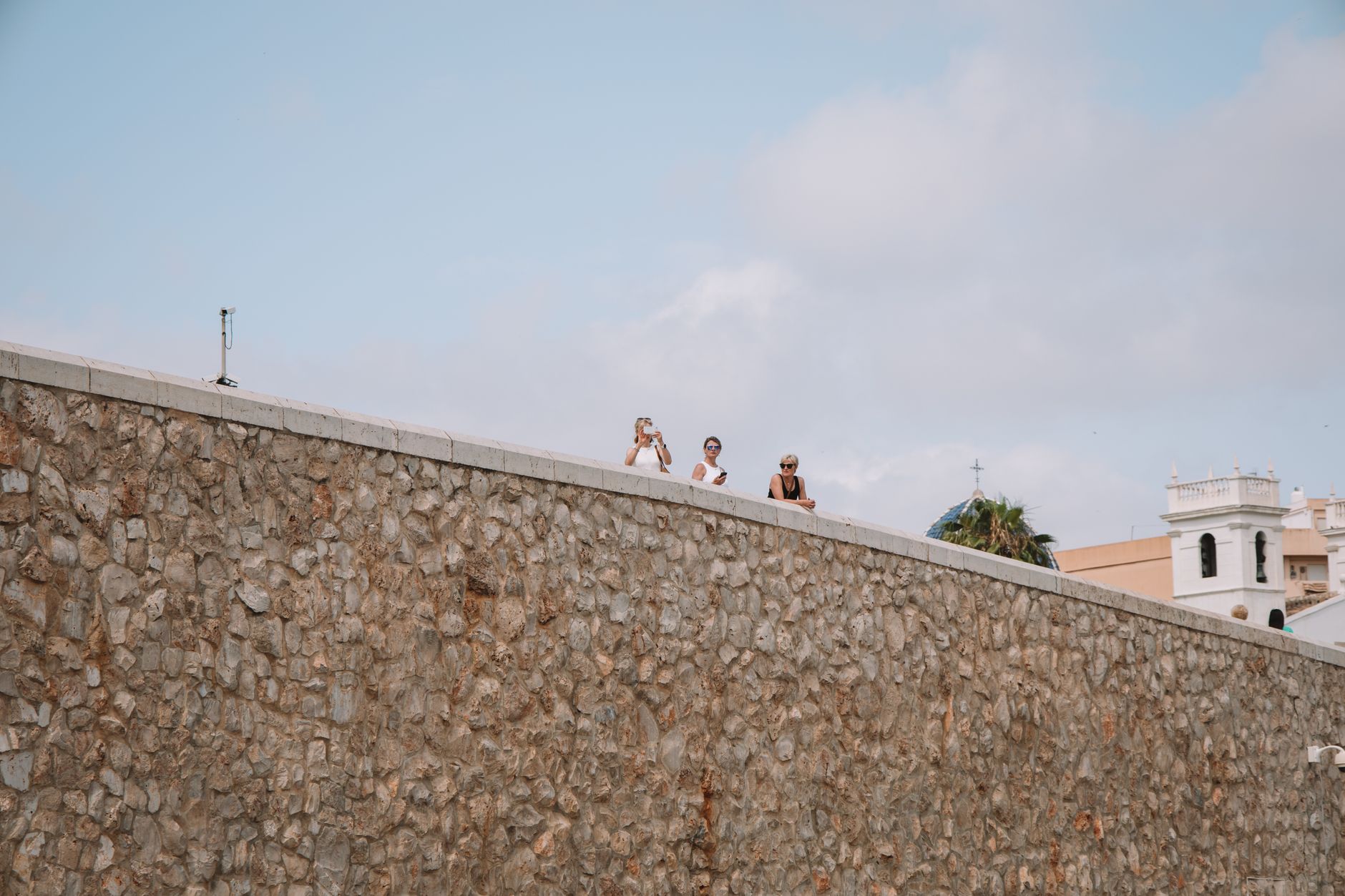
Son Espanyolet sits just west of Palma's centre, where the streets narrow and the buildings stay low — two or three storeys at most, with patios behind iron gates and fig trees pressing against garden walls. It's a neighbourhood that moves at a different pace from the tourist-facing waterfront, even though the Paseo Marítimo is a fifteen-minute walk away.
About 7,500 people live here, and the rhythm is residential: school runs, corner cafés, the odd tennis match echoing from the Palma Sport & Tennis Club. The Pueblo Español, an open-air architectural compendium of Spanish regional styles, sits within the neighbourhood and offers an unexpected afternoon detour.
💛 What travellers fall for
People who rent here for a week rather than a night tend to mention the same things: the ease of walking to Santa Catalina for market produce, the relative quiet after dark, and the way the neighbourhood feels genuinely Mallorcan rather than arranged for visitors. The tree-lined streets reward an aimless morning on foot.
Deals in Son Espanyolet
Book directly at the provider


How Son Espanyolet came to be
The land was originally held by the Caro family, the Marqueses de la Romana, who subdivided and sold their estate in the late nineteenth century before relocating to Madrid. The neighbourhood's industrial character took shape after an 1856 decree banned factories from operating inside Palma's city walls, pushing production outward.
Early manufacturers set up here in some number: La Roqueta made ceramics, El Parado produced bleach and soap, Sifones Dalfon and Vidrios Llofriu added to the industrial mix, and Cremalleras Dragón brought zip manufacturing to the district. That factory era has long since passed. Son Espanyolet is now a quiet residential address, its industrial origins visible only in the scale and layout of certain older blocks.
Who and what shaped it
Landmark buildings
See Son Espanyolet in motion
Plan your visit
On the map
When to go
Summer runs hot and dry — July and August push 30°C with almost no rain, so mornings are the time to walk. Winter is mild rather than cold, typically 10–15°C, with October and November bringing most of the year's rainfall; spring and autumn offer the most balanced conditions for spending time outside.
Right now
Background & history adapted from Wikipedia (CC BY-SA) · specs from Wikidata (CC0) · weather from Open-Meteo · map data © OpenStreetMap contributors · photos from Wikimedia Commons / Unsplash with per-image credit. No third-party reviews or social posts reproduced.