
Sir Bani Yas Island
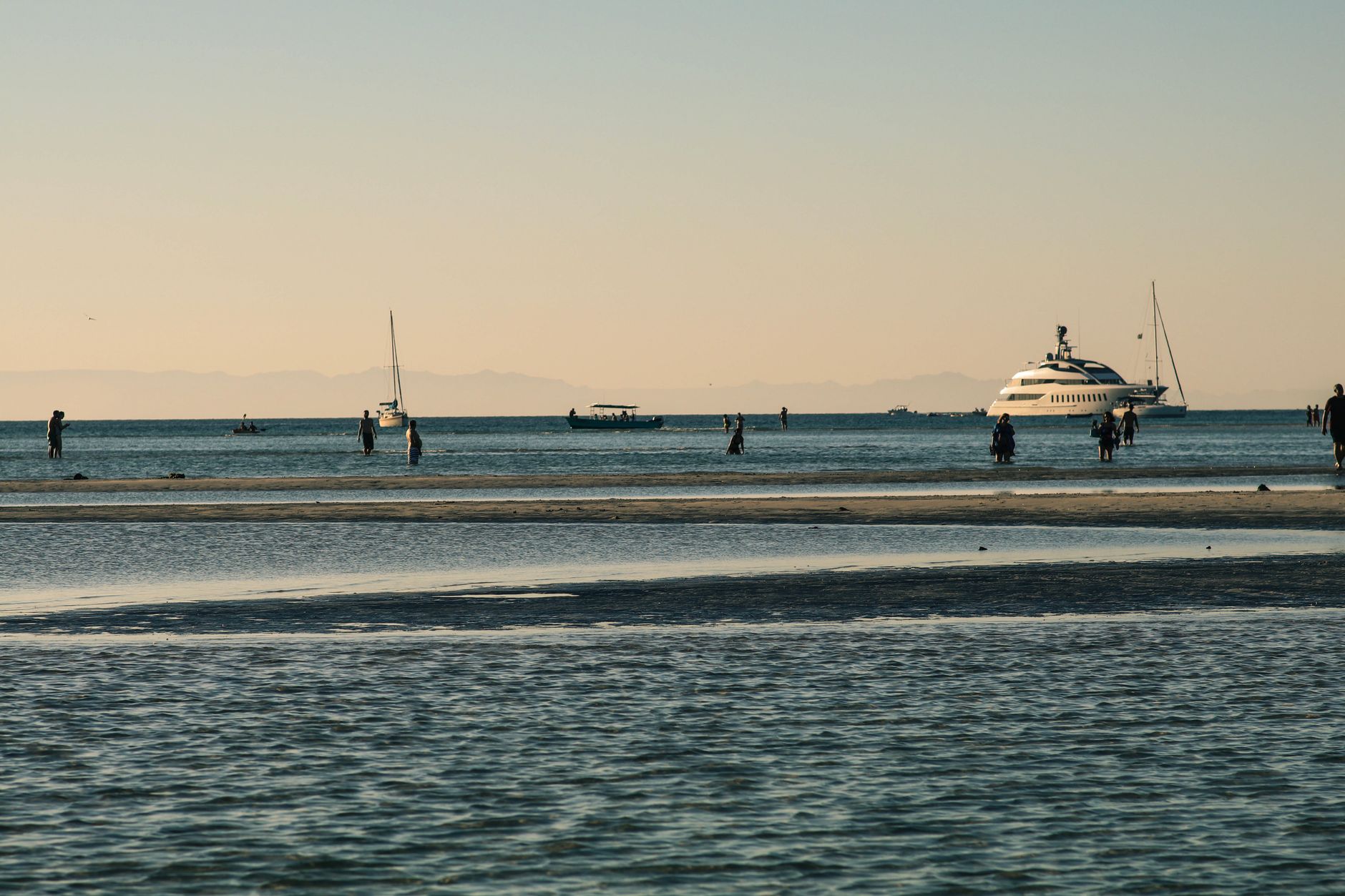



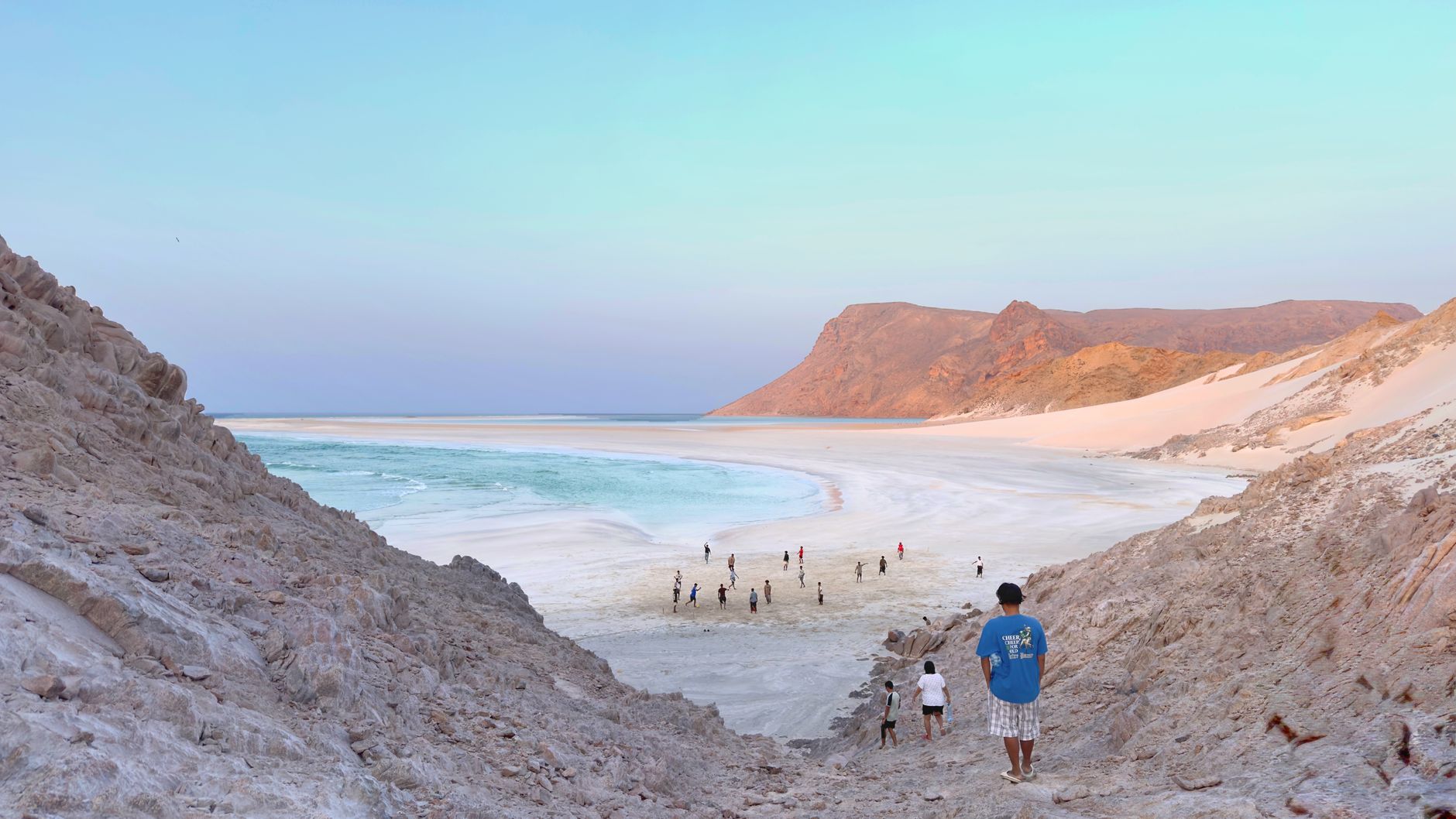

Somewhere off the coast southwest of Abu Dhabi, a water taxi cuts across 9 kilometres of Gulf and deposits you on an island where Arabian oryx — a species once extinct in the wild — graze in herds of over four hundred. Peacocks cross the resort paths without hurry. Cheetahs find shade under ghaf trees. The whole place feels quietly improbable.
Sir Bani Yas covers enough ground that a single game drive through the 87-square-kilometre Arabian Wildlife Park takes a leisurely ninety minutes, and you can spend a morning on its mountains and plains without doubling back. Only three resorts share the island, so the crowds that define the mainland never quite arrive here.
💛 What travellers fall for
People who come back tend to time the water taxi for early morning, when the light is low and the oryx are moving. The kayaking route through the mangrove lagoons rewards patience — sea turtles surface if you stop paddling. And the 2023 Visitor Centre, attached directly to the early Christian monastery site, is worth more time than most visitors give it.
How Sir Bani Yas Island came to be
Thirty-six archaeological sites have been found on Sir Bani Yas, including a Bronze Age Dilmun trading port dating to around 1800 BC, where excavators recovered a Dilmun stamp seal and Harappan sherds. A Christian monastery from 600 AD still stands — carefully covered now for conservation — with a visitor centre inaugurated in 2023 built directly alongside it.
In European records, the island first appears around 1590 in the writings of Venetian jeweler Gasparo Balbi, who noted it as a place where pearls were found. British naval officers mapped it in detail during the 1820s and 1850s. Then in 1977, Sheikh Zayed bin Sultan Al Nahyan — who had chosen the island as a personal retreat after founding the UAE in 1971 — passed a law prohibiting hunting here and began the wildlife programme that produced everything you see today.
Who and what shaped it
People who shaped it
Landmark buildings
See Sir Bani Yas Island in motion
Plan your visit
On the map
When to go
October through March brings daytime temperatures in the low-to-mid twenties Celsius — comfortable for long game drives and time on the trails. Summer is genuinely harsh: mid-July highs regularly reach 42°C, and August nights barely drop below 32°C.
Right now
Background & history adapted from Wikipedia (CC BY-SA) · specs from Wikidata (CC0) · weather from Open-Meteo · map data © OpenStreetMap contributors · photos from Wikimedia Commons / Unsplash with per-image credit. No third-party reviews or social posts reproduced.