
Siem Reap City

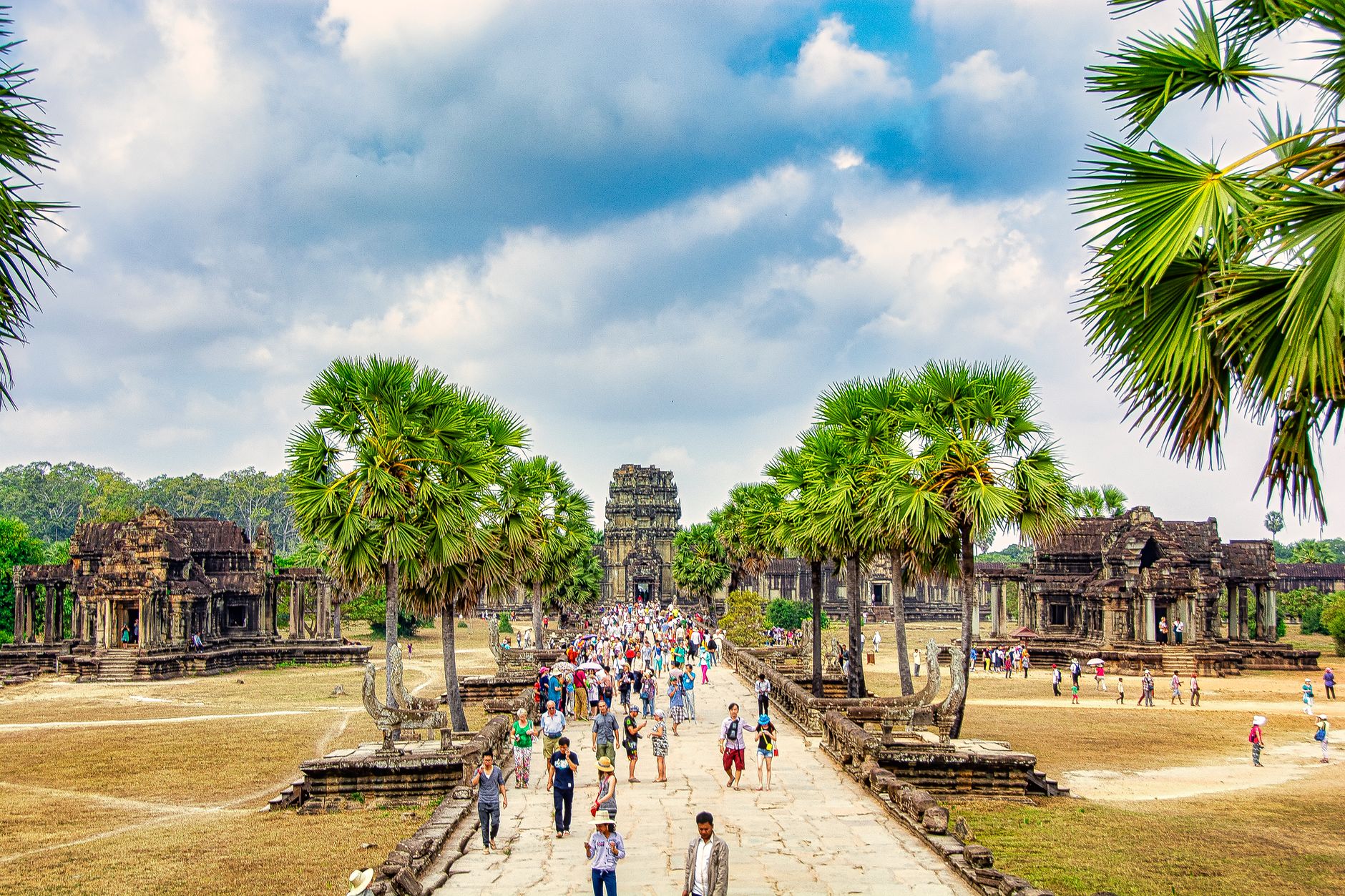
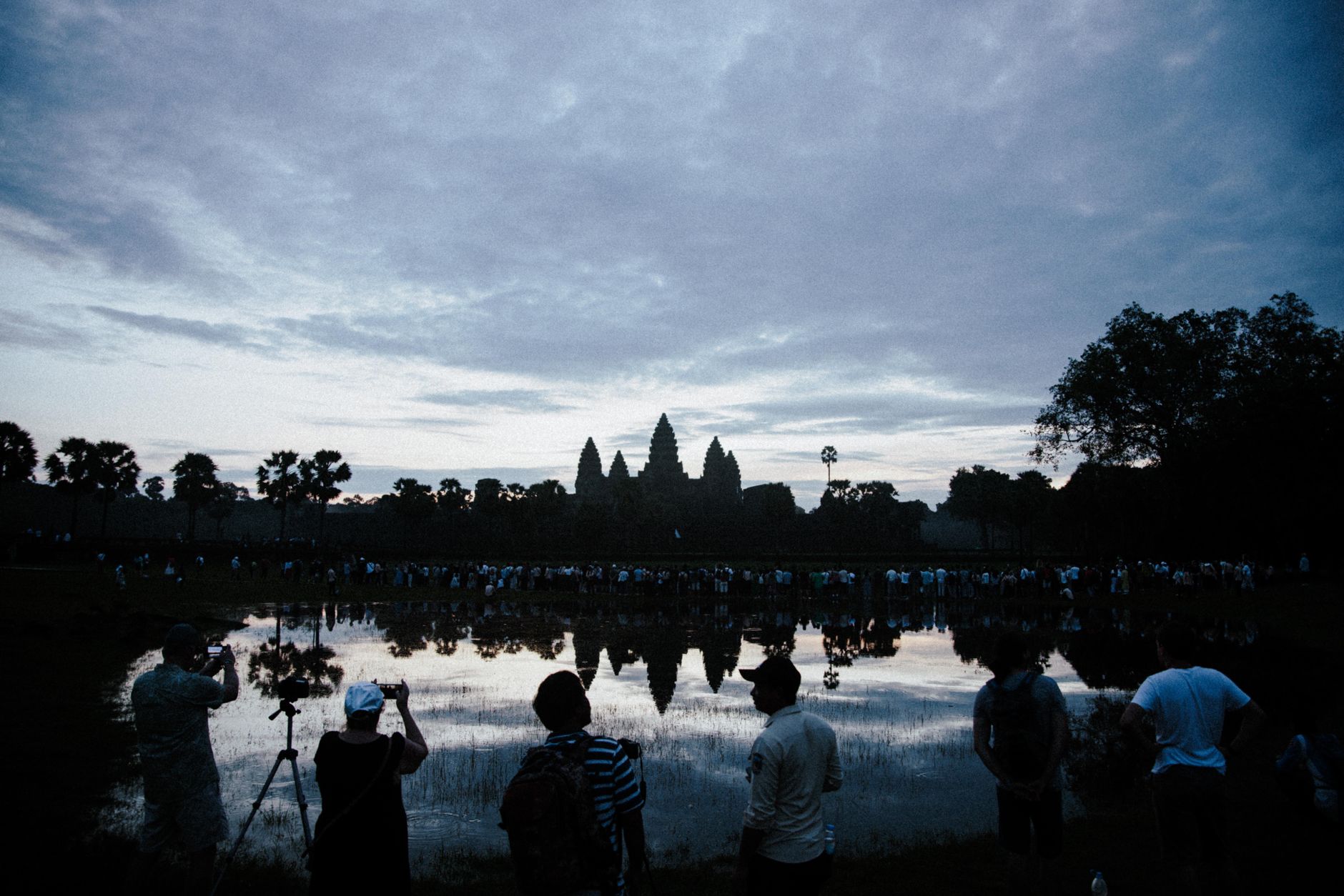

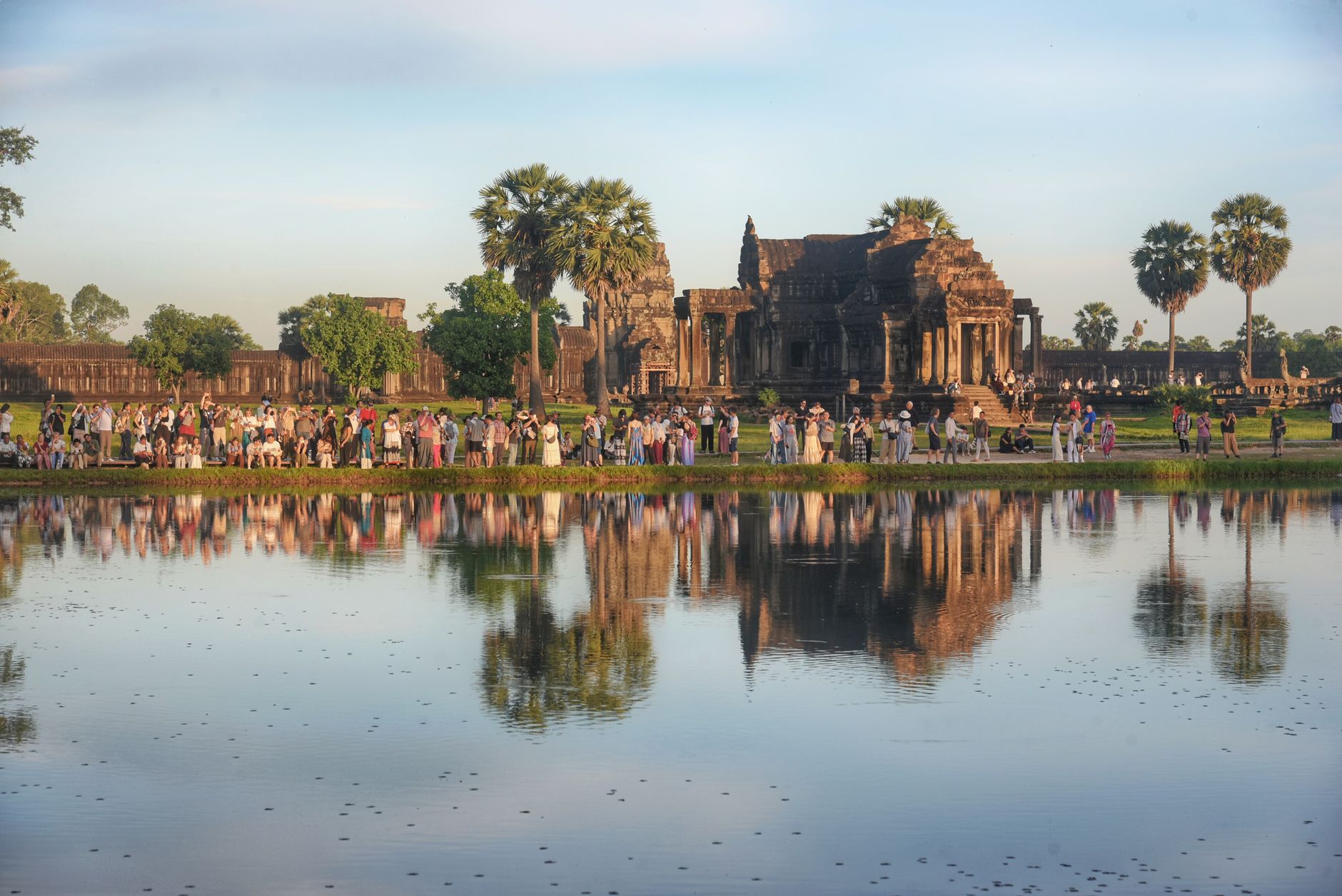
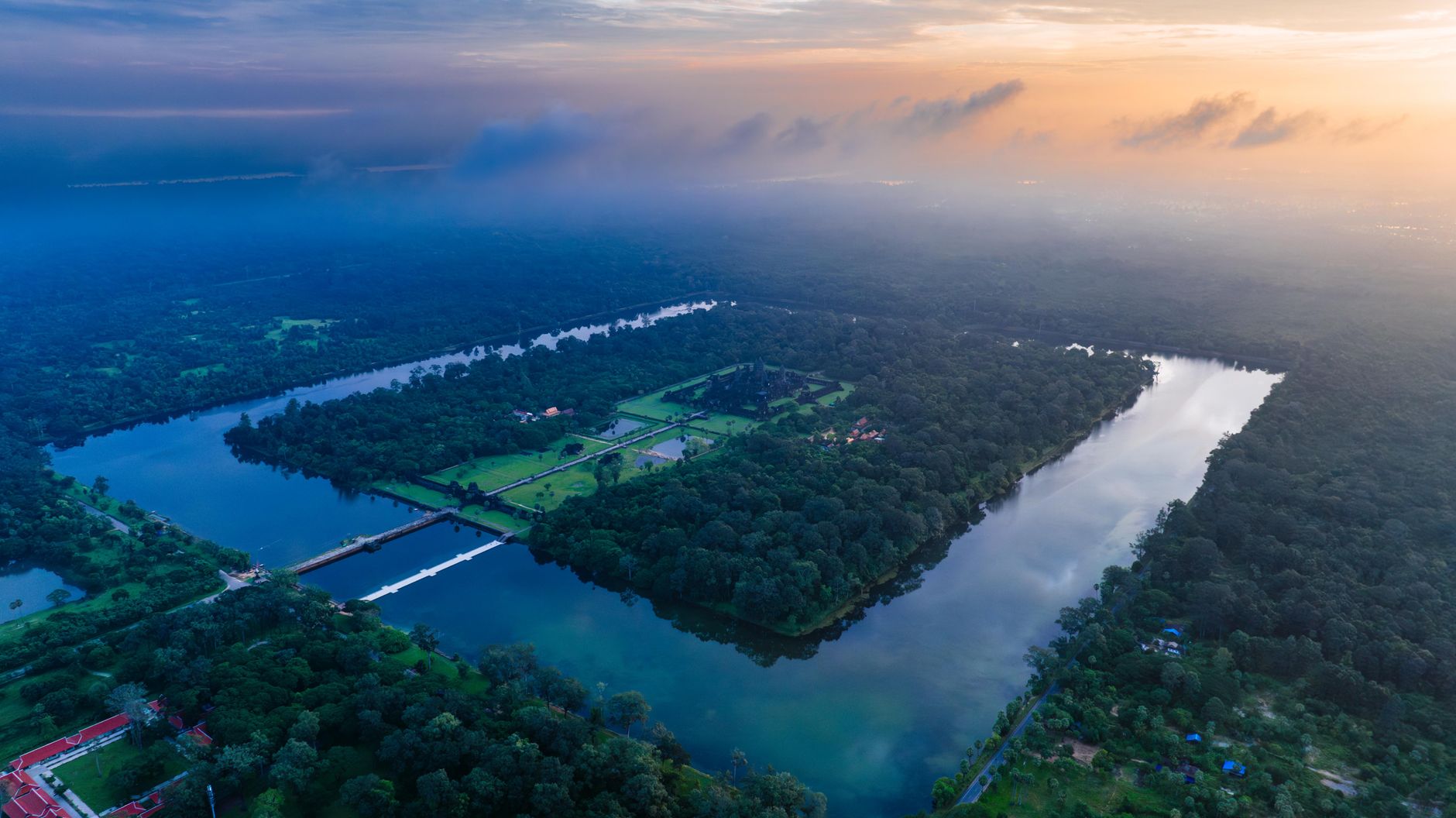
The number that tends to stop people is this: Angkor Wat took roughly 37 years to build, and it remains the largest religious monument on earth. Siem Reap is the city that grew up in its shadow — slowly at first, then all at once after the French arrived in 1907 and the temples became accessible to the world.
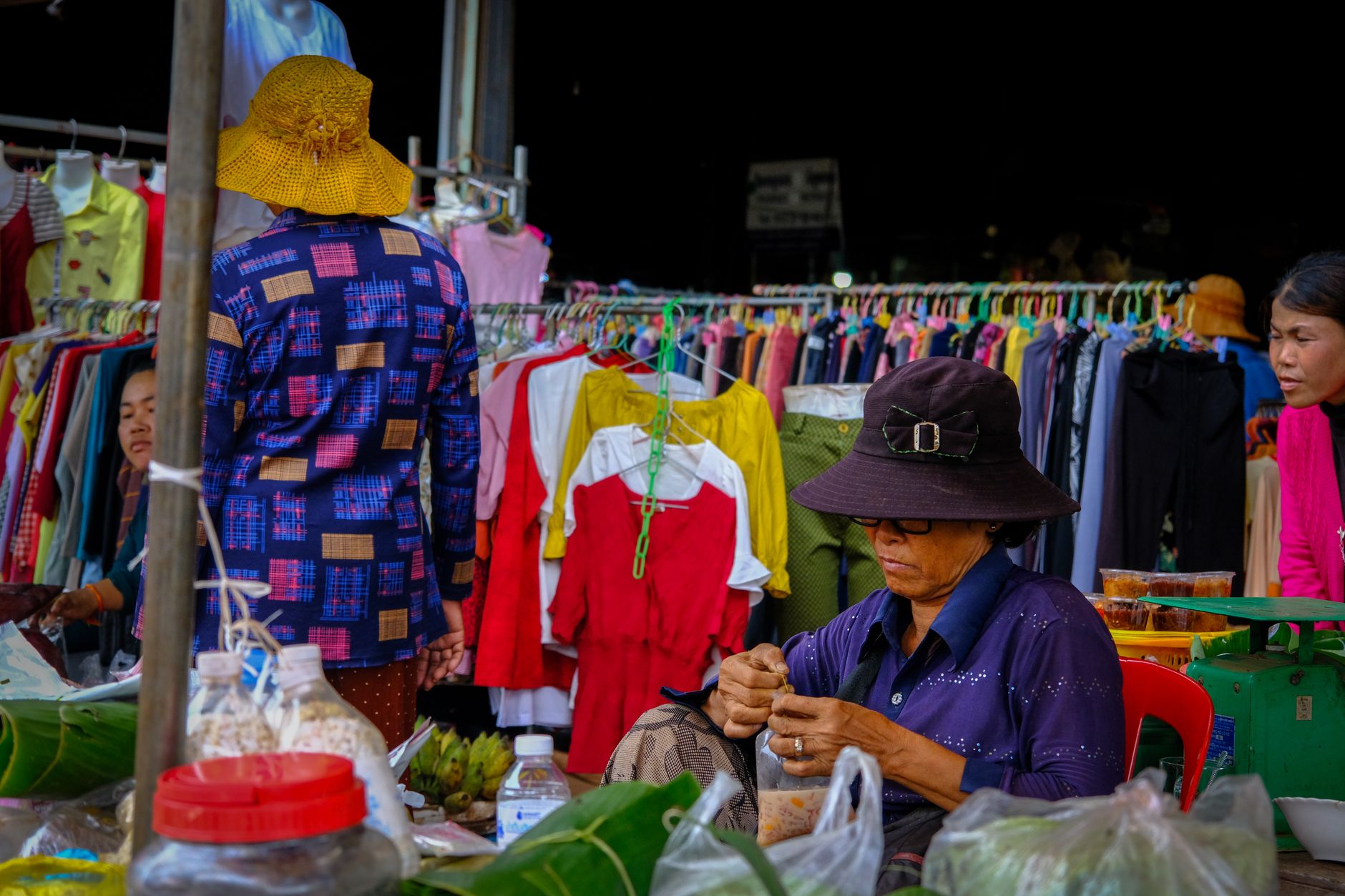
Today the city is a genuine place, not just a transit point. The Siem Reap River runs through its center, the Grand Hotel d'Angkor has been receiving guests since 1929, and the tuk-tuks waiting outside temple gates have their own unhurried rhythm. You come for Angkor, but you stay a day longer because the city earns it.
💛 What travellers fall for
Regulars tend to agree on a few things: buy the three-day pass, not the one-day — you'll regret rushing Bayon. Go to Ta Prohm in the early morning before the tour groups arrive. And at least once, hire a tuk-tuk driver for a full day rather than booking transfers piecemeal; the conversations alone are worth it.
Deals in Siem Reap City
Book directly at the provider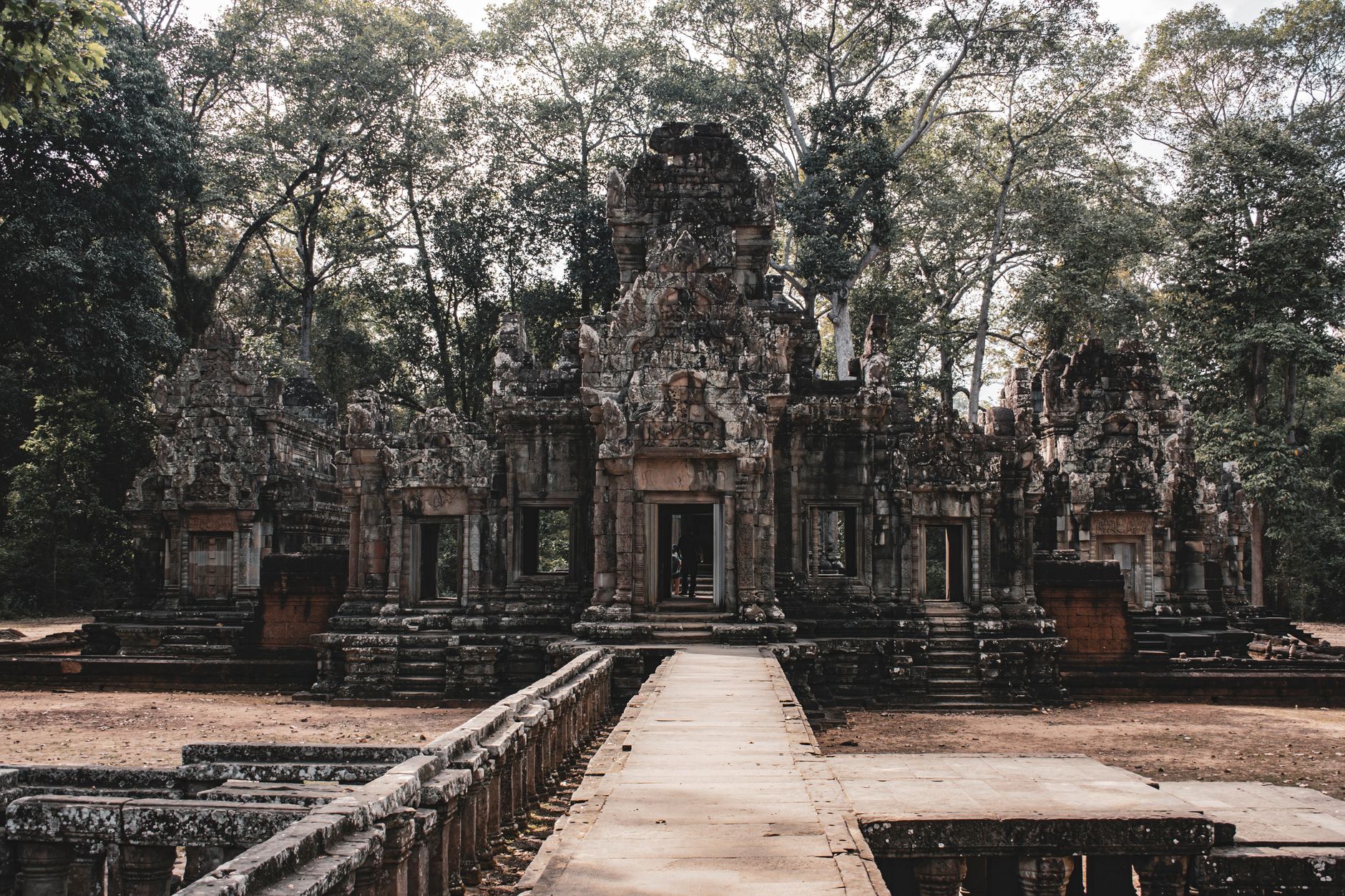

How Siem Reap City came to be
Long before the French or the first Western tourists, this stretch of land was already significant. Inscriptions dated 968 and 970 CE record a settlement called Dvijendrapura, where Princess Indralakṣmī and her husband made religious endowments. The temples that would define the region were already taking shape: Pre Rup was dedicated in 962, Banteay Srei built in 967 by the Brahmin priest Yajnavaraha, and Angkor Wat constructed between 1113 and 1150 under King Suryavarman II.
For over a century, from 1795 to 1907, the region was under Siamese administration. A Franco-Siamese treaty returned it to French-controlled Cambodia in 1907, and the École française d'Extrême-Orient, which had begun restoration work as early as 1901, accelerated its work. The Grand Hotel d'Angkor opened in 1929; the temples drew visitors from across Asia until the late 1960s. Then, in 1975, the Khmer Rouge emptied the city entirely.
Who and what shaped it
People who shaped it
Landmark buildings
See Siem Reap City in motion
Plan your visit
On the map
When to go
Siem Reap has a tropical climate with two distinct seasons: a dry season roughly from November to April, when mornings are cooler and temple-walking is manageable, and a wet season from May to October, when afternoon downpours are heavy but short, and the surrounding landscape turns deeply green. The hottest months, March and April, can be punishing by midday.
Right now
Background & history adapted from Wikipedia (CC BY-SA) · specs from Wikidata (CC0) · weather from Open-Meteo · map data © OpenStreetMap contributors · photos from Wikimedia Commons / Unsplash with per-image credit. No third-party reviews or social posts reproduced.