
Shotover Country
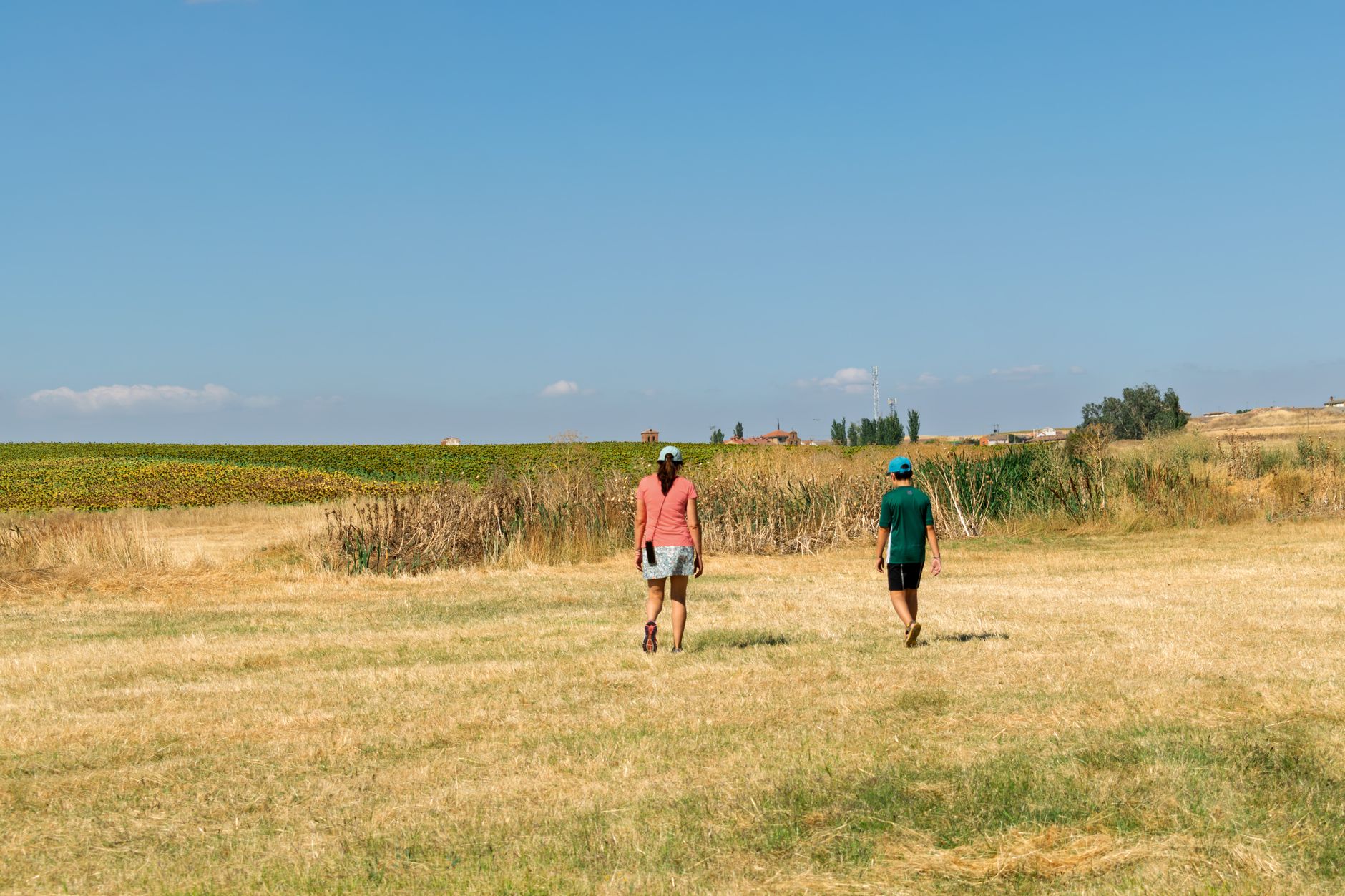



Shotover Country sits on what was once Islay Farm — 202 hectares of South Island pastoral land that, from 2012, began its conversion into one of Queenstown's newer residential quarters. The Shotover and Kawarau Rivers form its natural edges, and on a clear morning the light on the surrounding ranges is the kind that makes people reconsider their plans to leave.
This is a suburb first and a destination second, which is precisely what gives it a different quality from the tourist precincts closer to the lake. The pump track at Richmond Park, the Sweet Robbie trail near Shotover Delta, and a primary school with nearly 600 students tell you what actually goes on here day to day.
💛 What travellers fall for
People who keep coming back tend to use Shotover Country as a base rather than a stop — close enough to Queenstown's centre (eleven minutes by car, the Line 5 bus from Stalker Road in twenty-three), but far enough that the evenings are quieter. The Gibbston Valley wineries are ten minutes in the other direction, which quietly shapes the rhythm of a stay.
Deals in Shotover Country
Book directly at the provider

How Shotover Country came to be
Before the first sections went on sale in November 2012, this land was known as Islay Farm. Grant and Sharyn Stalker, the original owners, rezoned the 202-hectare block from rural to residential and brought all twenty-plus stages to market themselves, with the final stage releasing in June 2016 and additional stages following through 2019.
The name Shotover Country draws from the Kimiākau — the Shotover River — and the Lower Shotover area it borders. In 2016, forty-four homes were built here by the Queenstown Lakes Community Housing Trust, adding an affordable-housing thread to what might otherwise have been a purely market-rate development. Shotover Primary School, now enrolling nearly 600 students, opened to serve the growing population.
Who and what shaped it
People who shaped it
Landmark buildings
See Shotover Country in motion
Plan your visit
On the map
When to go
Summers are mild and rarely hot — expect highs around 17°C in February, with cool nights. Winters bring genuine cold, with July temperatures dropping below -2°C and snow a real possibility, so pack accordingly if you're visiting between June and August. Spring and autumn offer the most forgiving conditions, though rain is possible in any season.
Right now
Background & history adapted from Wikipedia (CC BY-SA) · specs from Wikidata (CC0) · weather from Open-Meteo · map data © OpenStreetMap contributors · photos from Wikimedia Commons / Unsplash with per-image credit. No third-party reviews or social posts reproduced.