
Shinjuku

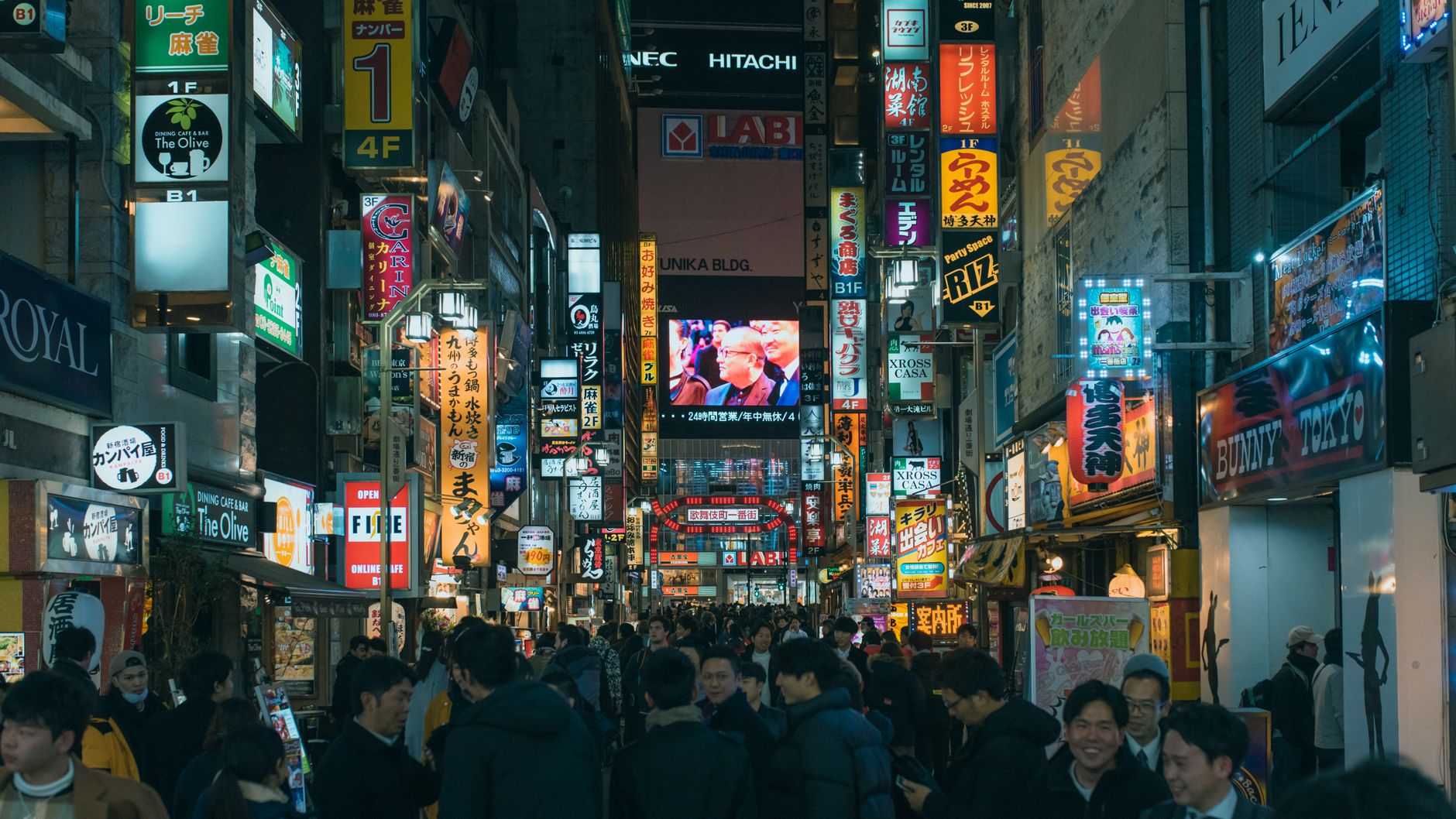
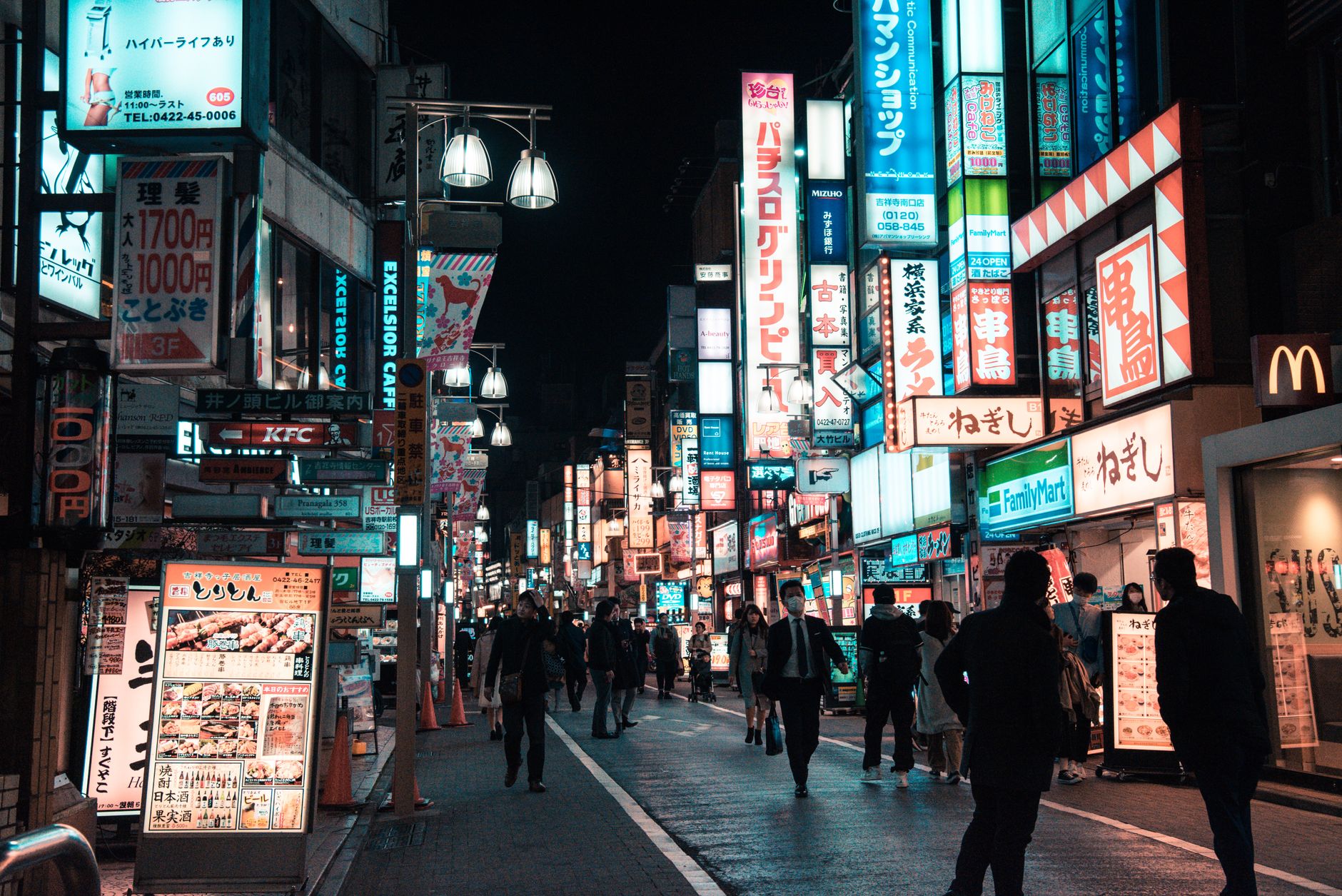
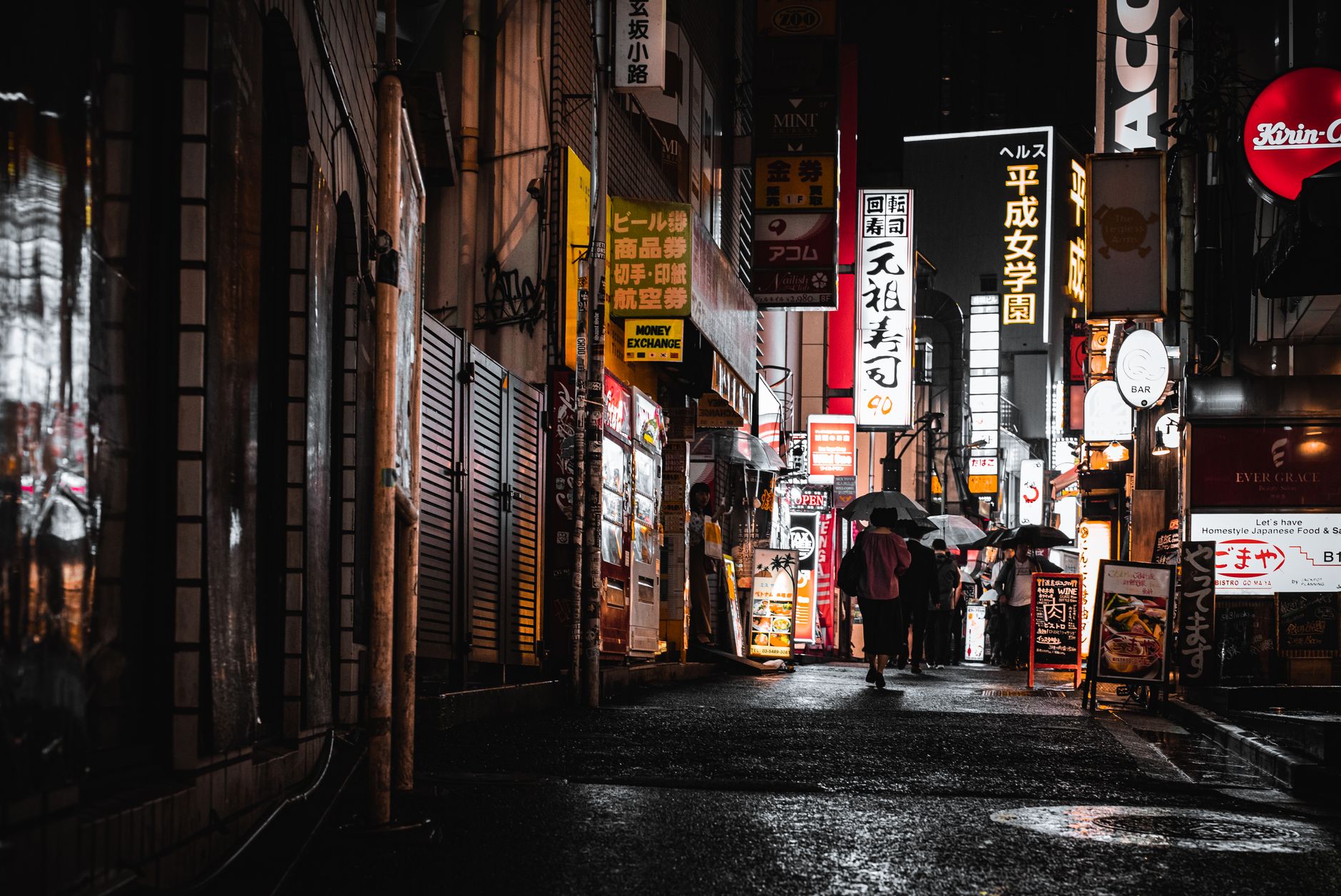
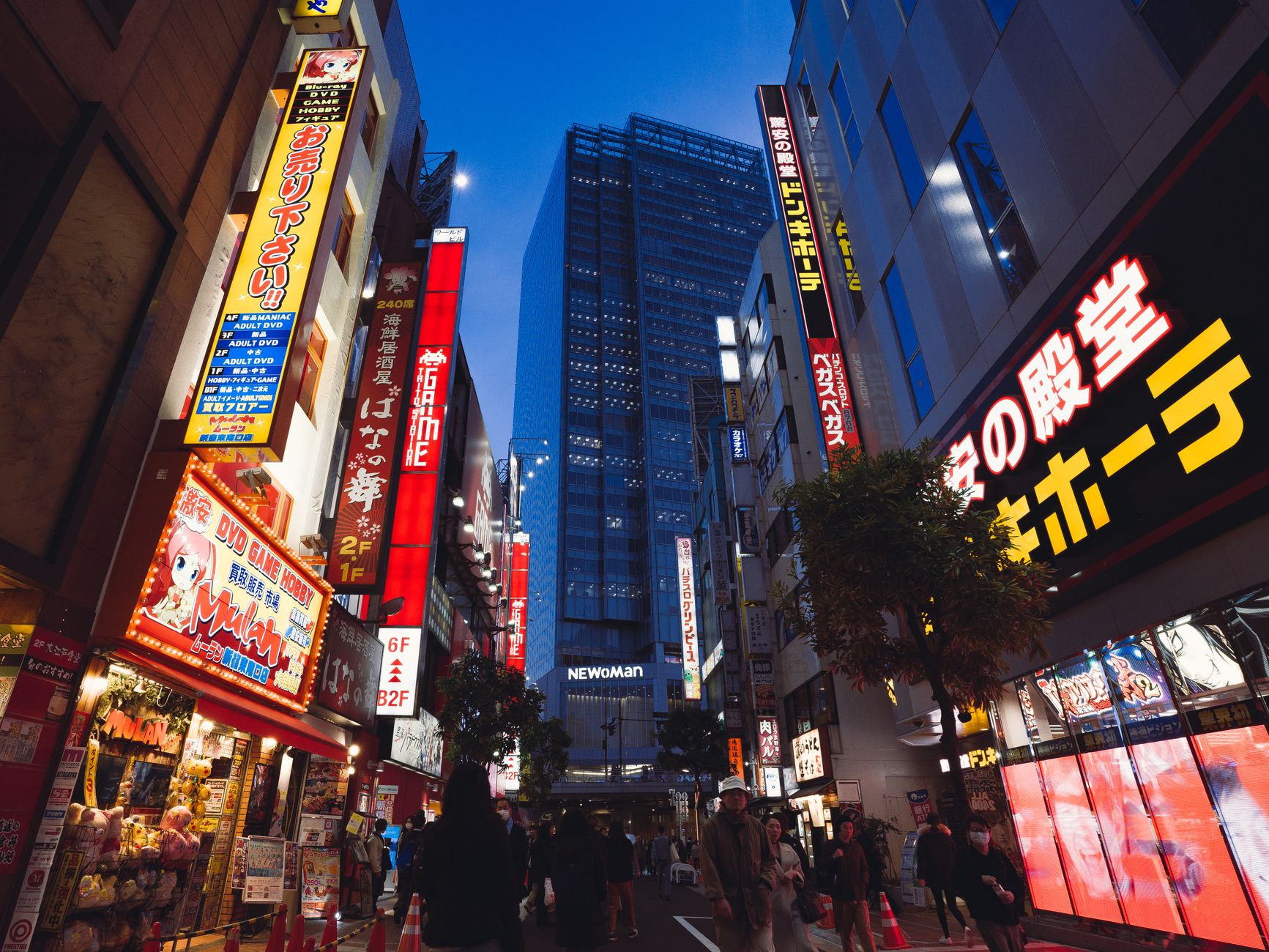
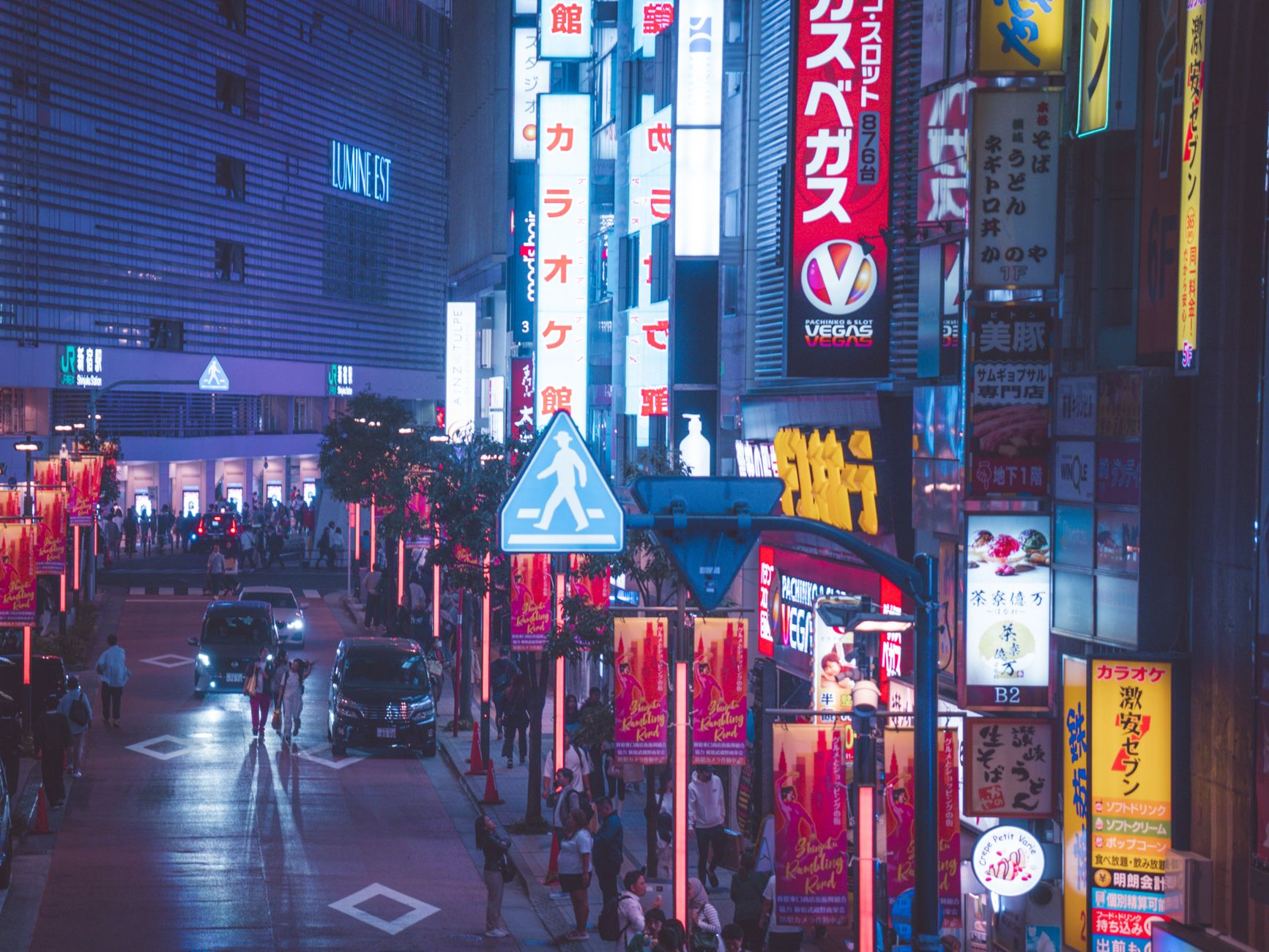
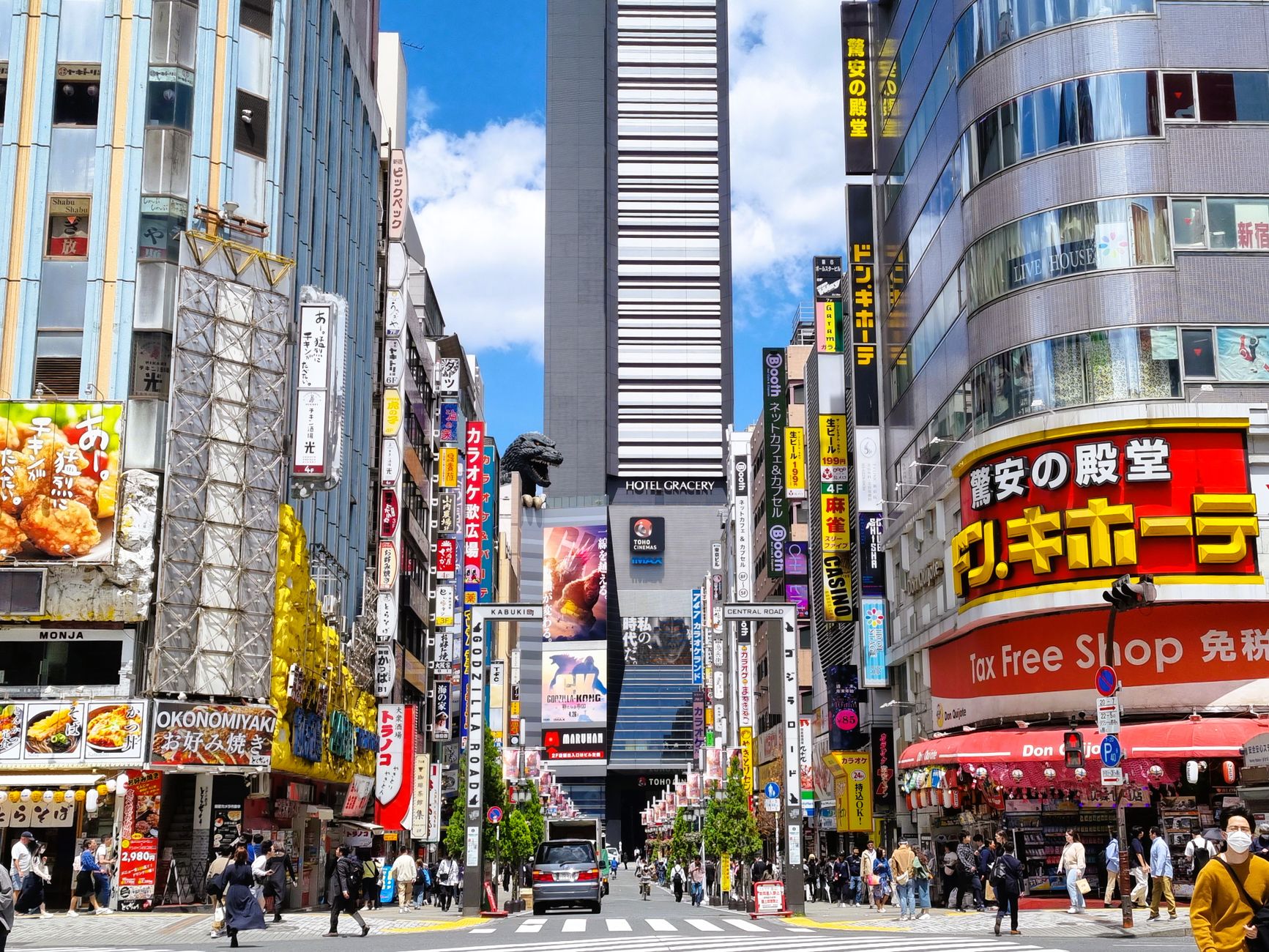
Shinjuku Station moves more than 3.5 million people a day — a number the Guinness Book of Records has certified as the highest on earth — and yet the ward around it refuses to be merely a transit point. Within a ten-minute walk of its 200-plus exits you can stand in a formal French garden, look up at an 80-tonne Godzilla head, or squeeze into a Golden Gai bar barely wider than a wardrobe.
This is a place of hard contrasts that somehow hold together: the glass towers of the west exit face the charcoal smoke of Omoide Yokocho on the east, where the post-war black market quietly became one of the city's most enduring dining streets. Shinjuku doesn't resolve its contradictions — it runs on them.
💛 What travellers fall for
Regulars tend to learn the station exits before anything else — west for the skyscrapers and Shinjuku Gyoen, east for Kabukicho and Omoide Yokocho. Most also keep a favourite Golden Gai bar to themselves. Kinokuniya on Shinjuku-dori is worth an hour even if you can't read Japanese; the art and photography floors alone justify the detour.
Deals in Shinjuku
Book directly at the provider

How Shinjuku came to be
The name means 'new lodgings,' and Shinjuku earned it as a post-station town during the Edo period, a waypoint where travellers rested before or after Edo. Shinjuku Station opened in 1885 on what became the Yamanote Line, and the neighbourhood grew steadily around it — Kinokuniya bookstore arrived in 1927 to serve students and salarymen already thick on the ground.
The air raids of 1945 destroyed close to 90% of the buildings near the station. Five days after Japan's surrender, a black market opened at the east exit — the direct ancestor of Omoide Yokocho. The present ward was formalised in 1947 from three older wards, and the city's administrative centre shifted here in 1991 when Kenzo Tange's Tokyo Metropolitan Government Building opened, then the tallest structure in Japan at 243 metres.
Who and what shaped it
People who shaped it
Landmark buildings
See Shinjuku in motion
Plan your visit
On the map
When to go
Winter runs cold — 4 to 7°C, occasionally near freezing — but stays relatively dry, which makes it comfortable for walking the west-exit plazas or the gardens. Spring brings warmth and more rain as temperatures climb from around 10°C in March toward 19°C by May; Shinjuku Gyoen in cherry-blossom season draws long queues.
Right now
Background & history adapted from Wikipedia (CC BY-SA) · specs from Wikidata (CC0) · weather from Open-Meteo · map data © OpenStreetMap contributors · photos from Wikimedia Commons / Unsplash with per-image credit. No third-party reviews or social posts reproduced.