
Shimokitazawa
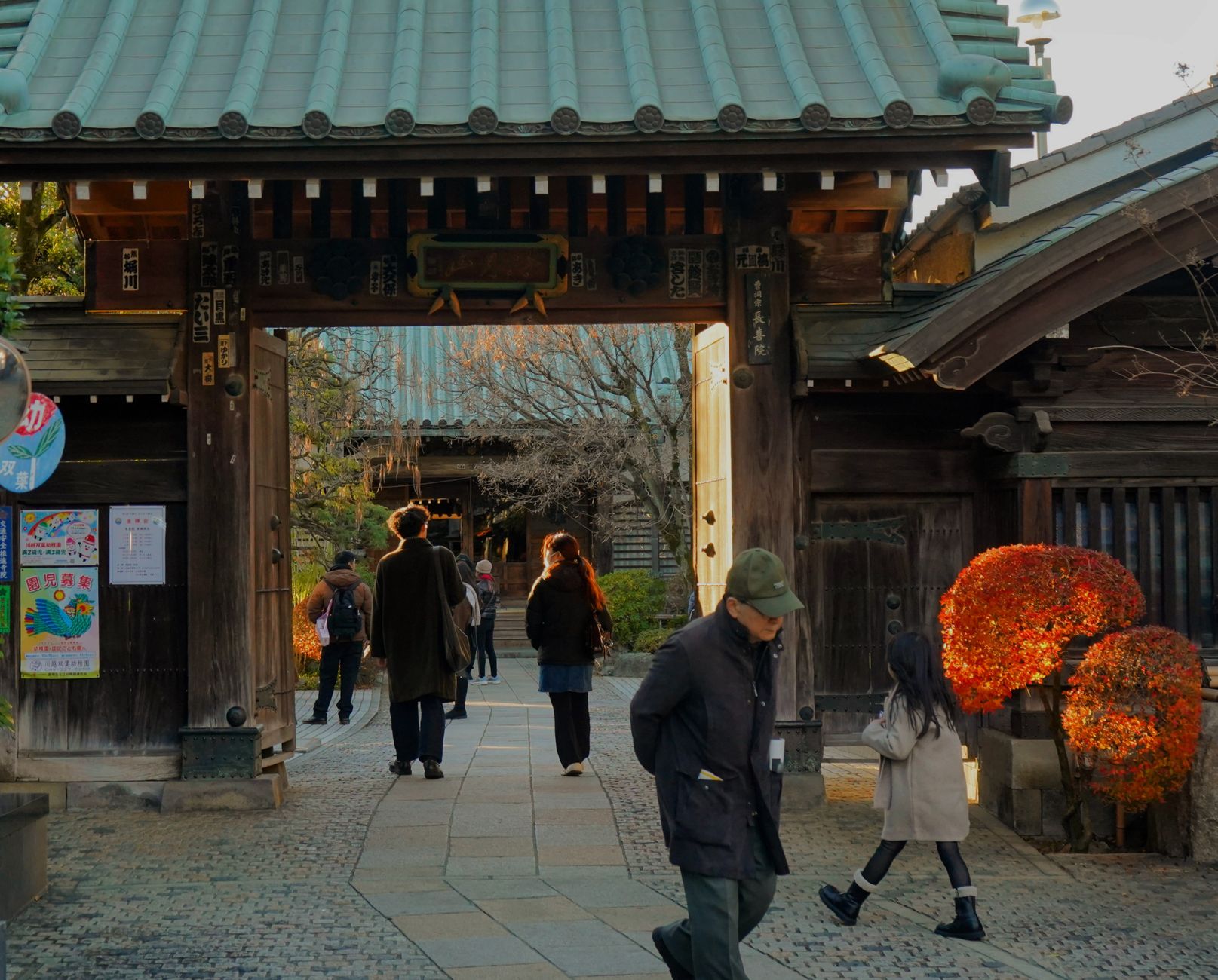
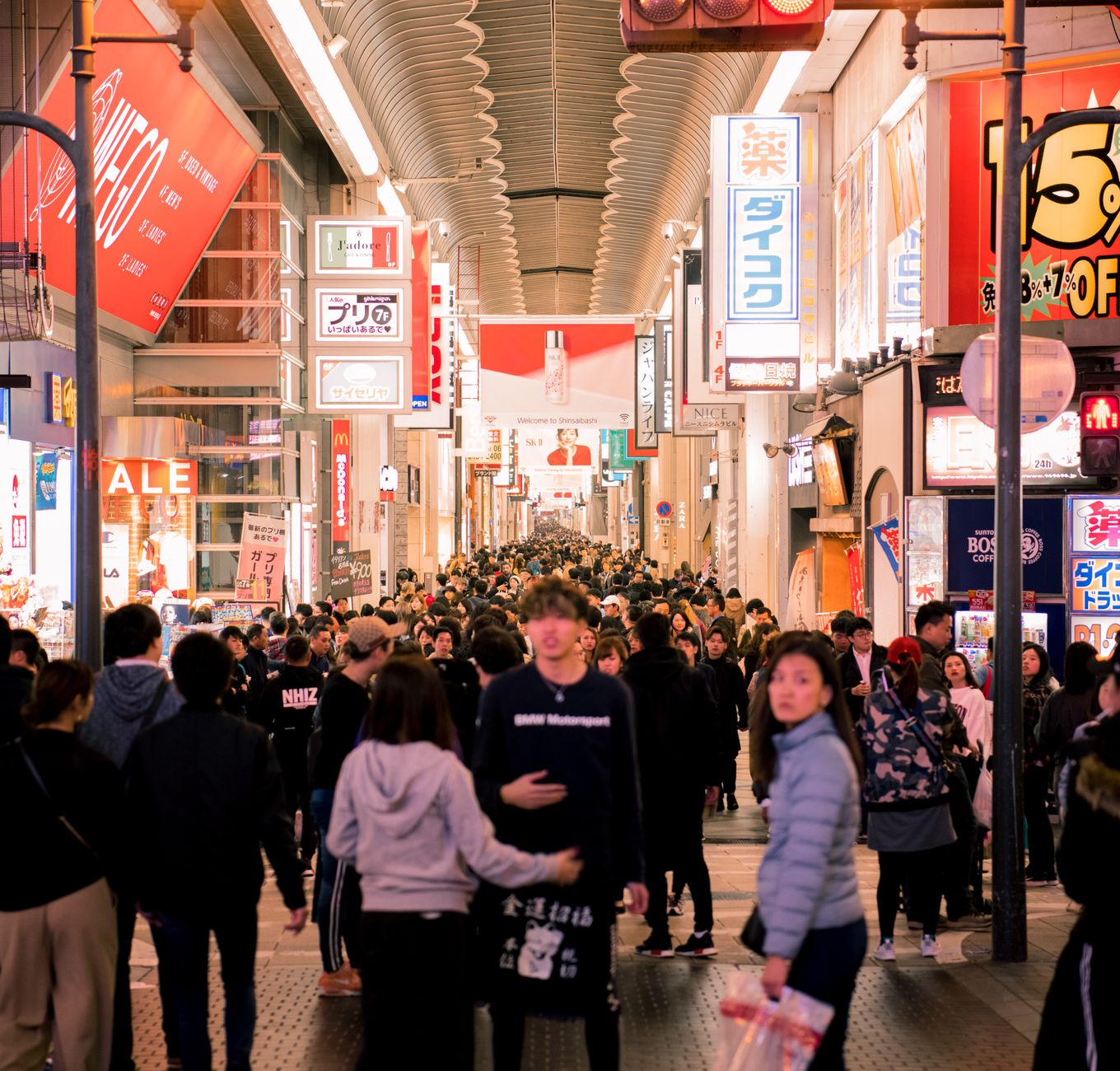
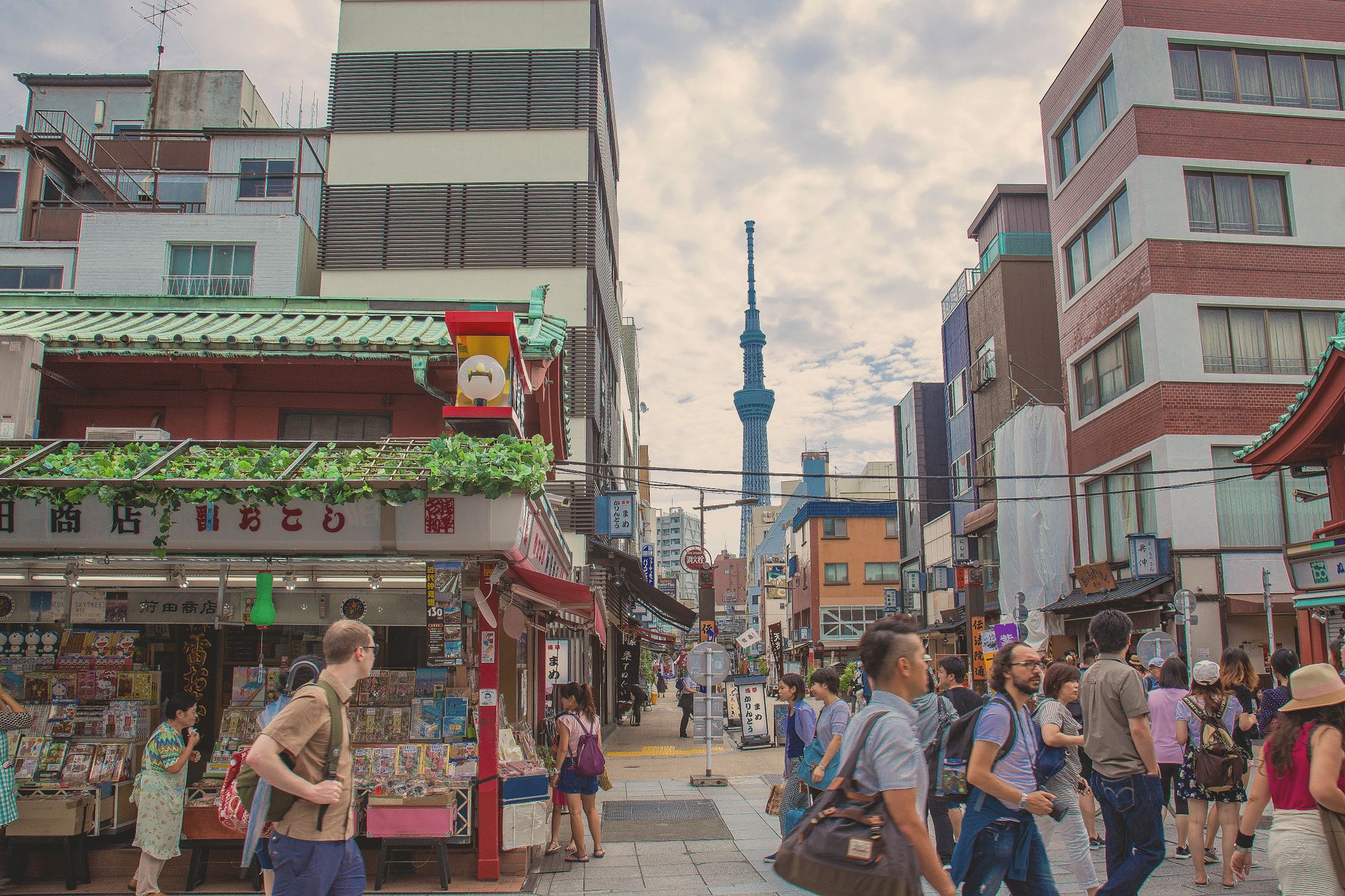
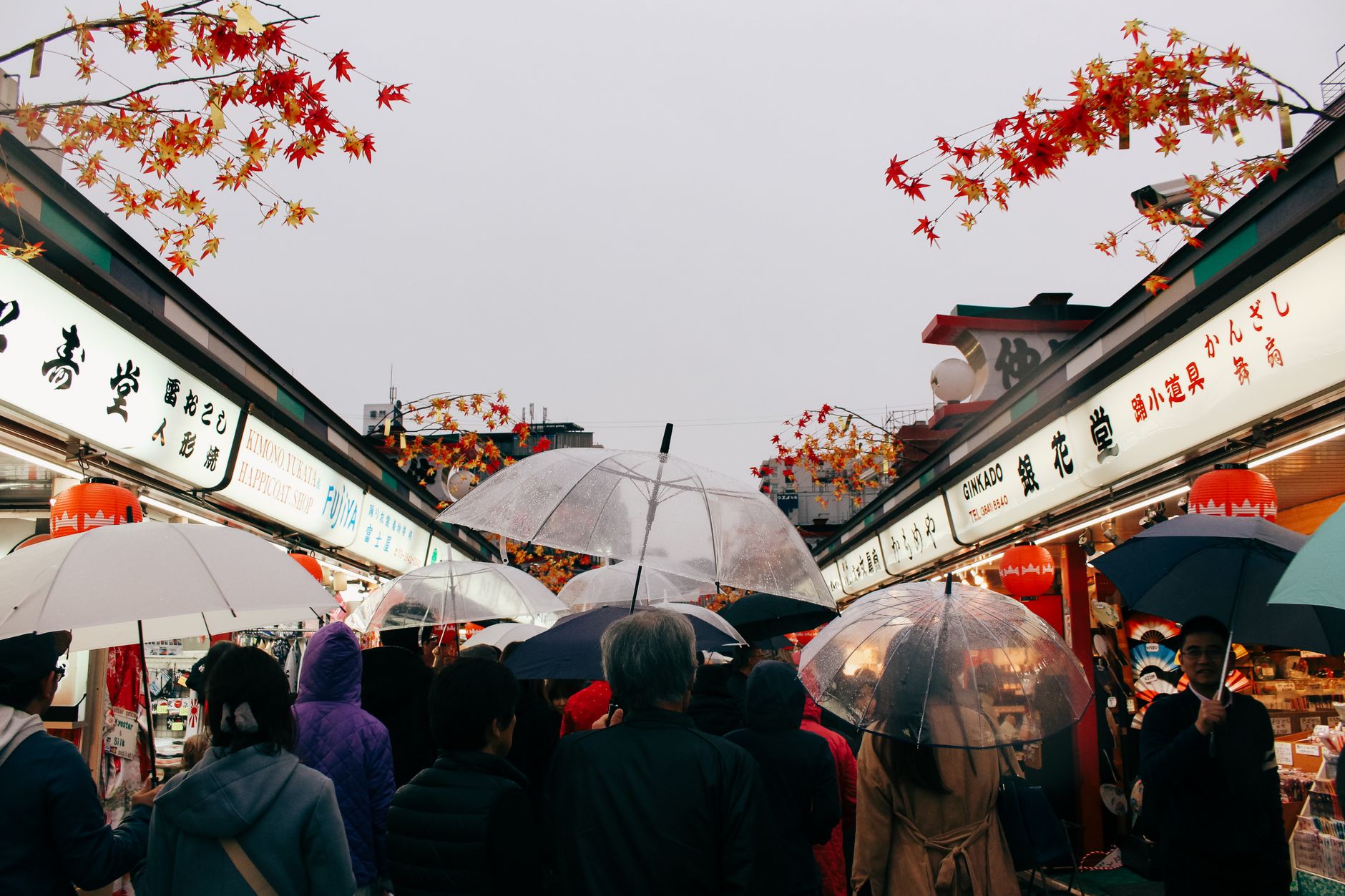
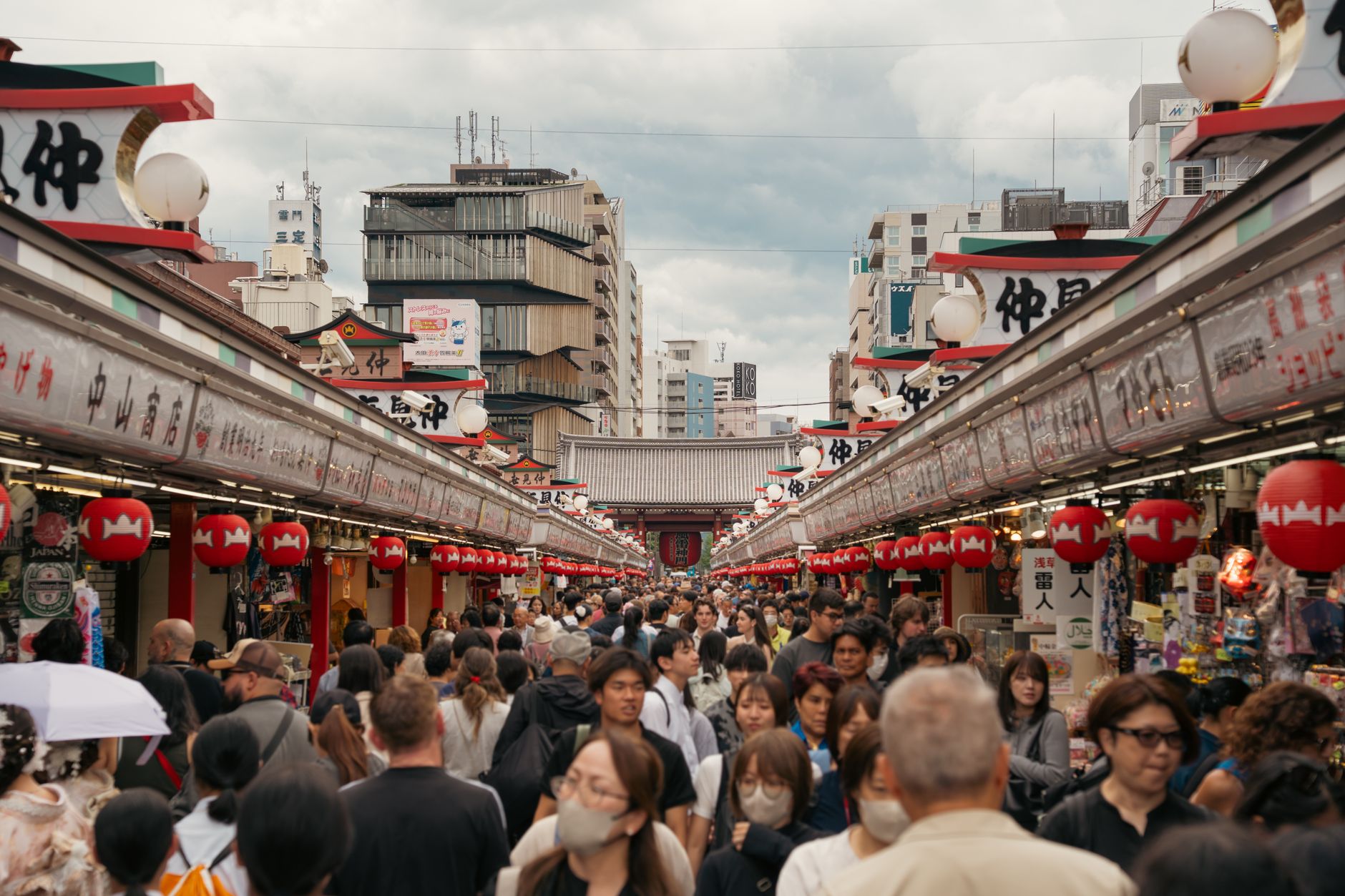
Stores here don't open before ten, which tells you something about the neighbourhood's relationship with urgency. Shimokitazawa runs on its own clock — record shops, vintage rails, curry lunch counters, and a remarkable density of small theaters packed into streets that still follow the footpaths of a farming village. The roads never got widened because the development always moved faster than the planning, and that accident of history is exactly why the place feels the way it does.
Over 200 thrift stores occupy the narrow lanes around Shimo-Kitazawa Station, and novelist Banana Yoshimoto lives here and draws from it. The annual curry festival arrives each October. The Honda Theater group runs several stages within walking distance of each other. This is a neighbourhood that chose a particular kind of life and has been quietly defending it ever since.
💛 What travellers fall for
People who come back tend to build a personal circuit: crates at Flash Disc Ranch, which Masao Tsubaki has run since 1982, then a slow loop through Suzunari Yokocho, then whatever is on at Suzunari or Theater 711 that evening. Book the show first — it shapes the whole afternoon around it.
Deals in Shimokitazawa
Book directly at the provider

How Shimokitazawa came to be
Shimokitazawa was still a farming village in 1912, recorded with a single shop. The station came in 1927, the Keio connection in 1933, and between those years the Great Kanto Earthquake of 1923 sent displaced city residents outward — the local population grew nearly sixfold through the 1930s. The war left the neighbourhood largely intact, and a black market around the station followed in its wake.
The character that defines Shimokitazawa today took shape in the 1960s and 70s, when rising rents in Shibuya and Shinjuku pushed young people — and then live music venues and theaters — into the cheaper streets here. When the Odakyu Line went underground in 2013, it freed a long strip of land that became Reload and Shimokita Senrogai, layering new life onto the old configuration without quite erasing it.
Who and what shaped it
People who shaped it
Landmark buildings
See Shimokitazawa in motion
Plan your visit
On the map
When to go
Tokyo winters (December through February) are cold and dry, often between 3 and 10°C — fine for walking the lanes, though the evenings bite. Summers run hot and humid, pushing 35°C in July and August; spring and autumn, when the streets are mild and the theater season is full, are the easiest times to spend a long day here.
Right now
Background & history adapted from Wikipedia (CC BY-SA) · specs from Wikidata (CC0) · weather from Open-Meteo · map data © OpenStreetMap contributors · photos from Wikimedia Commons / Unsplash with per-image credit. No third-party reviews or social posts reproduced.