
Shibuya
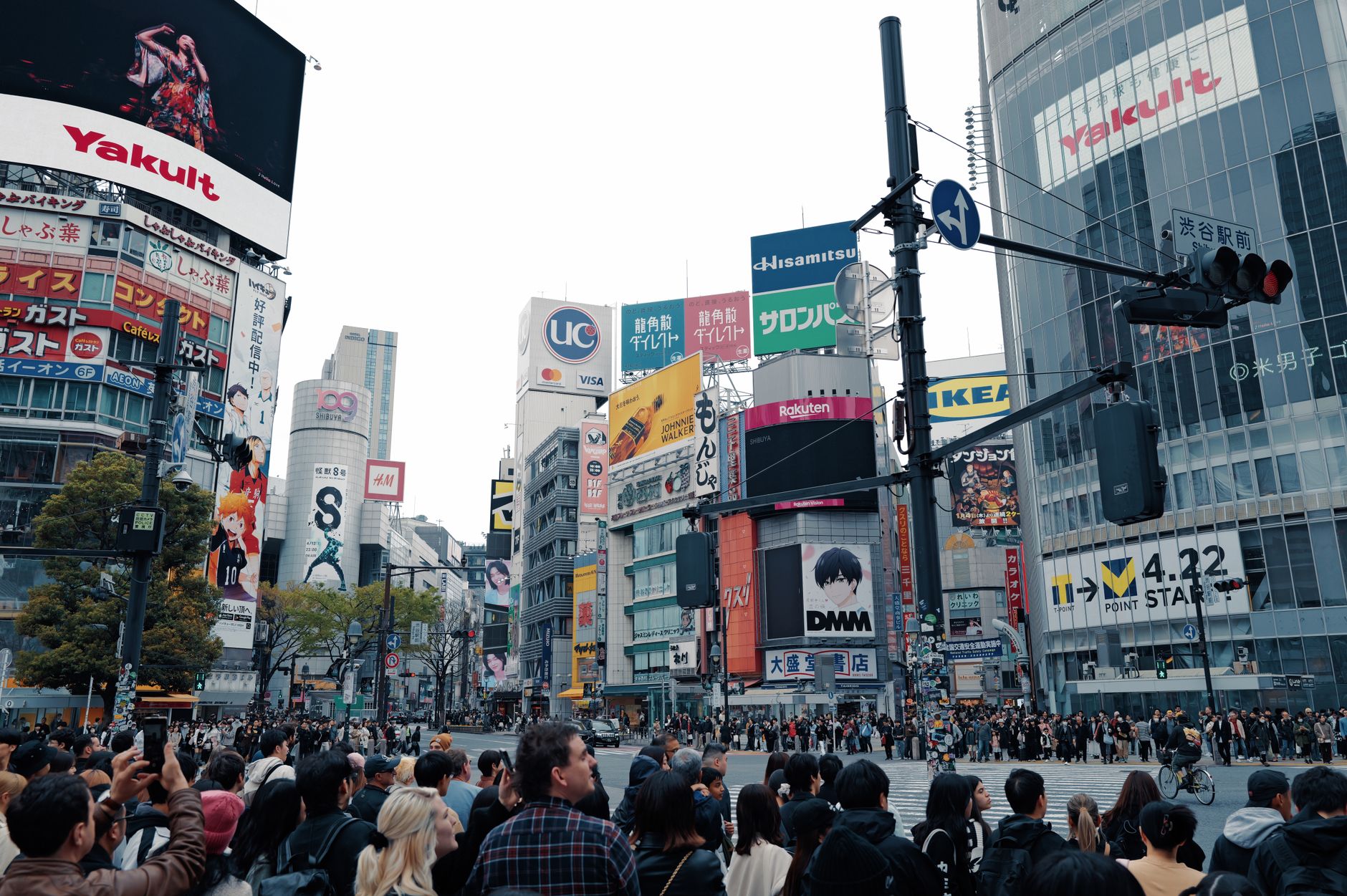
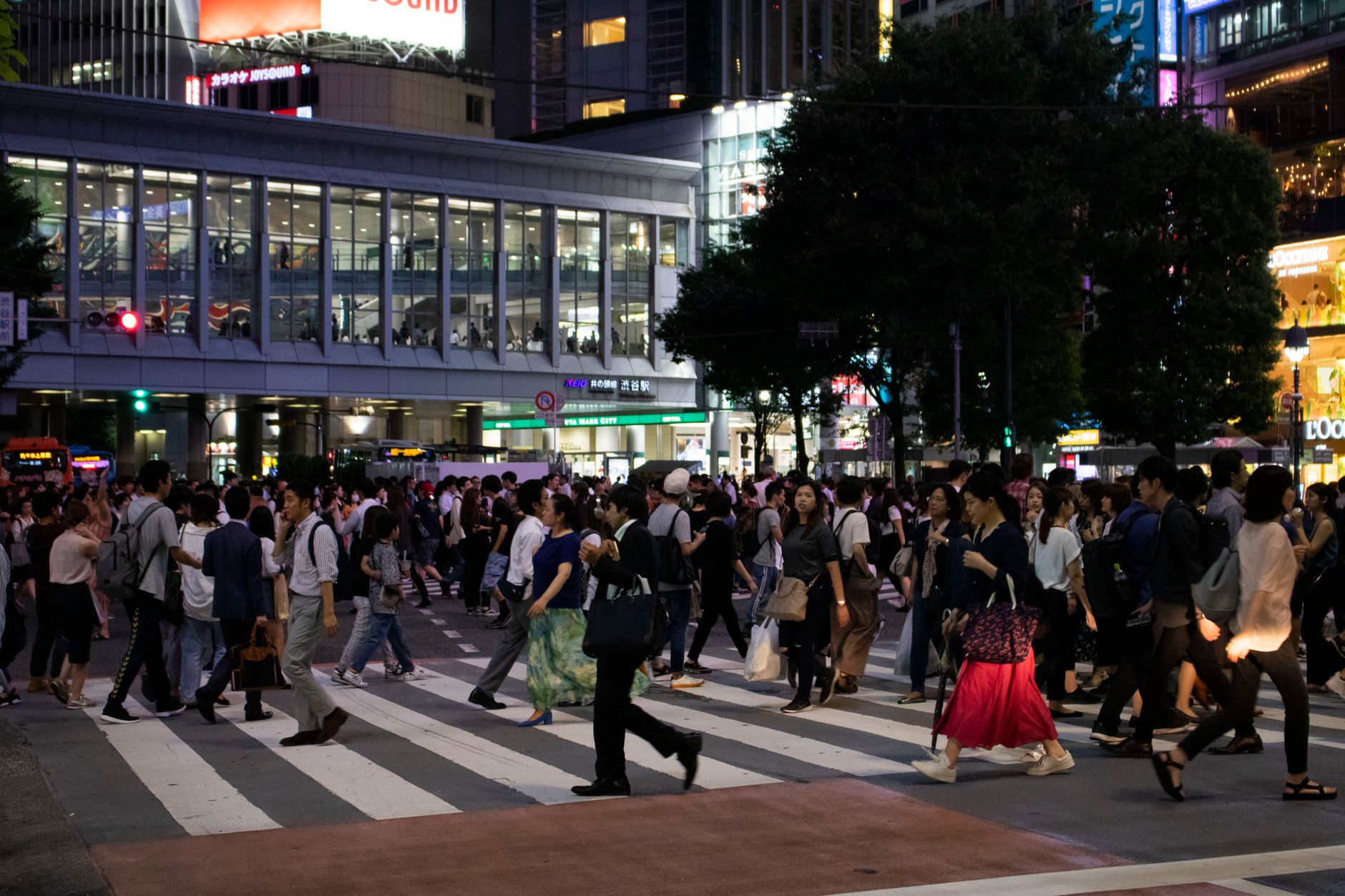
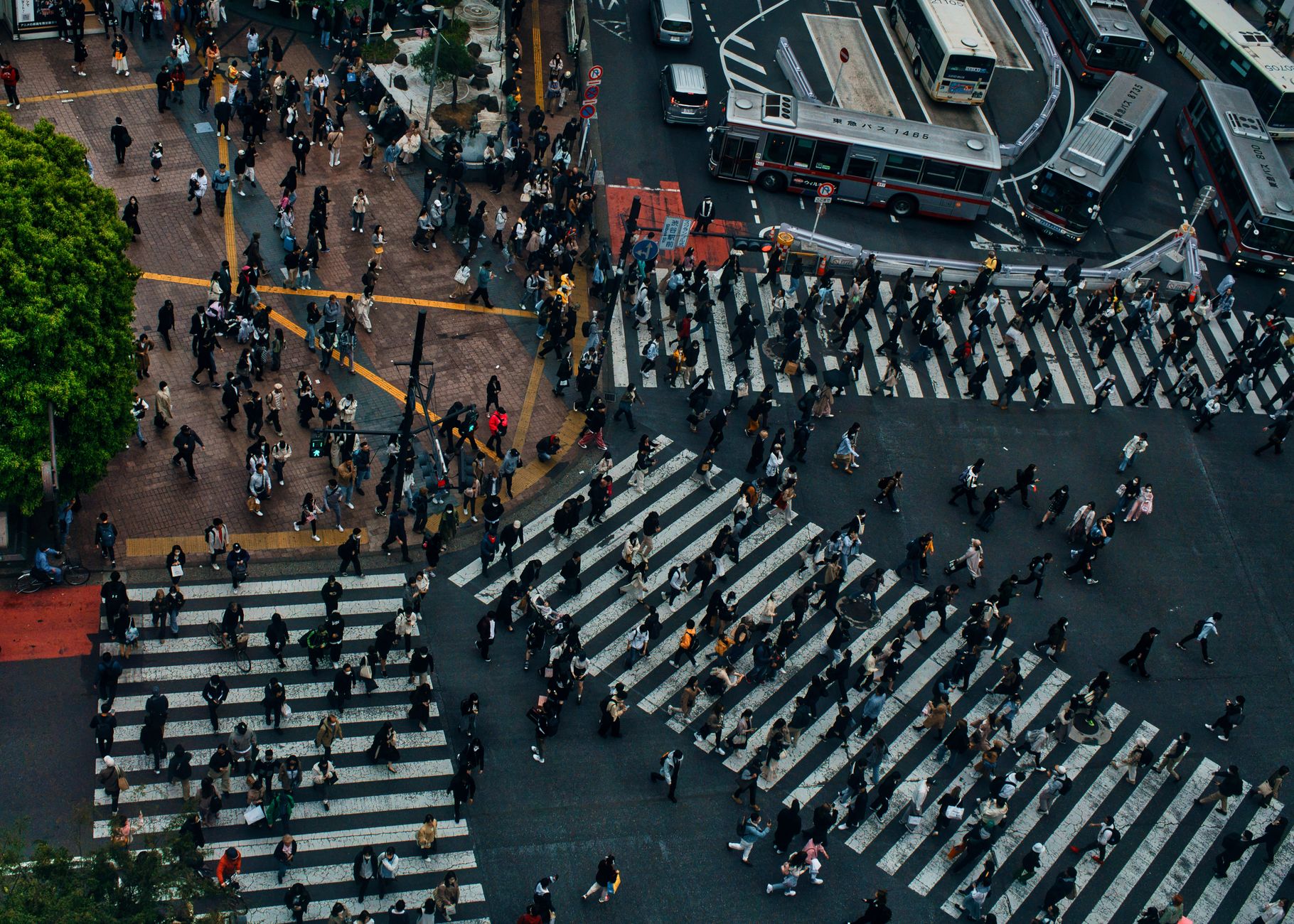
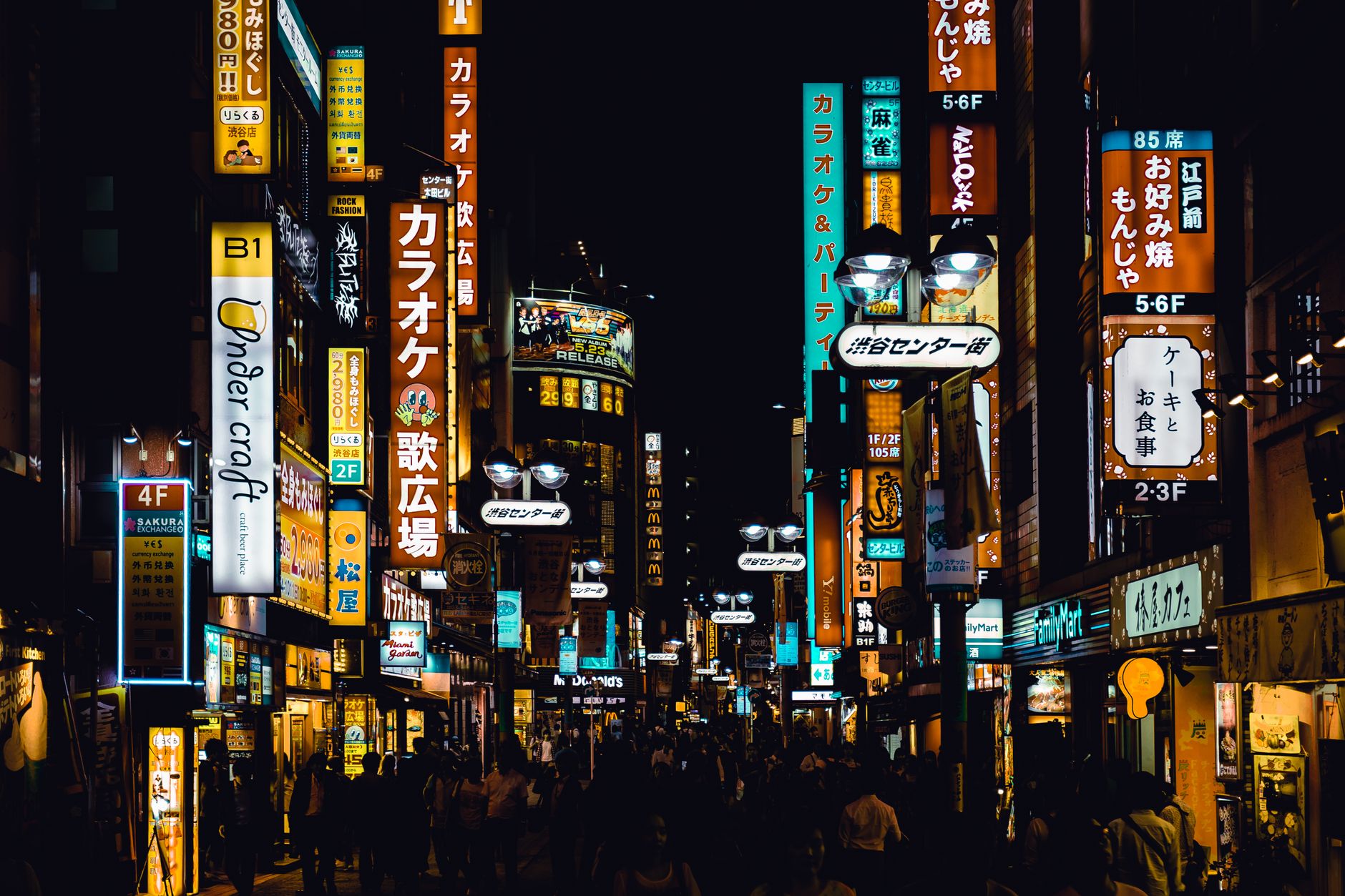
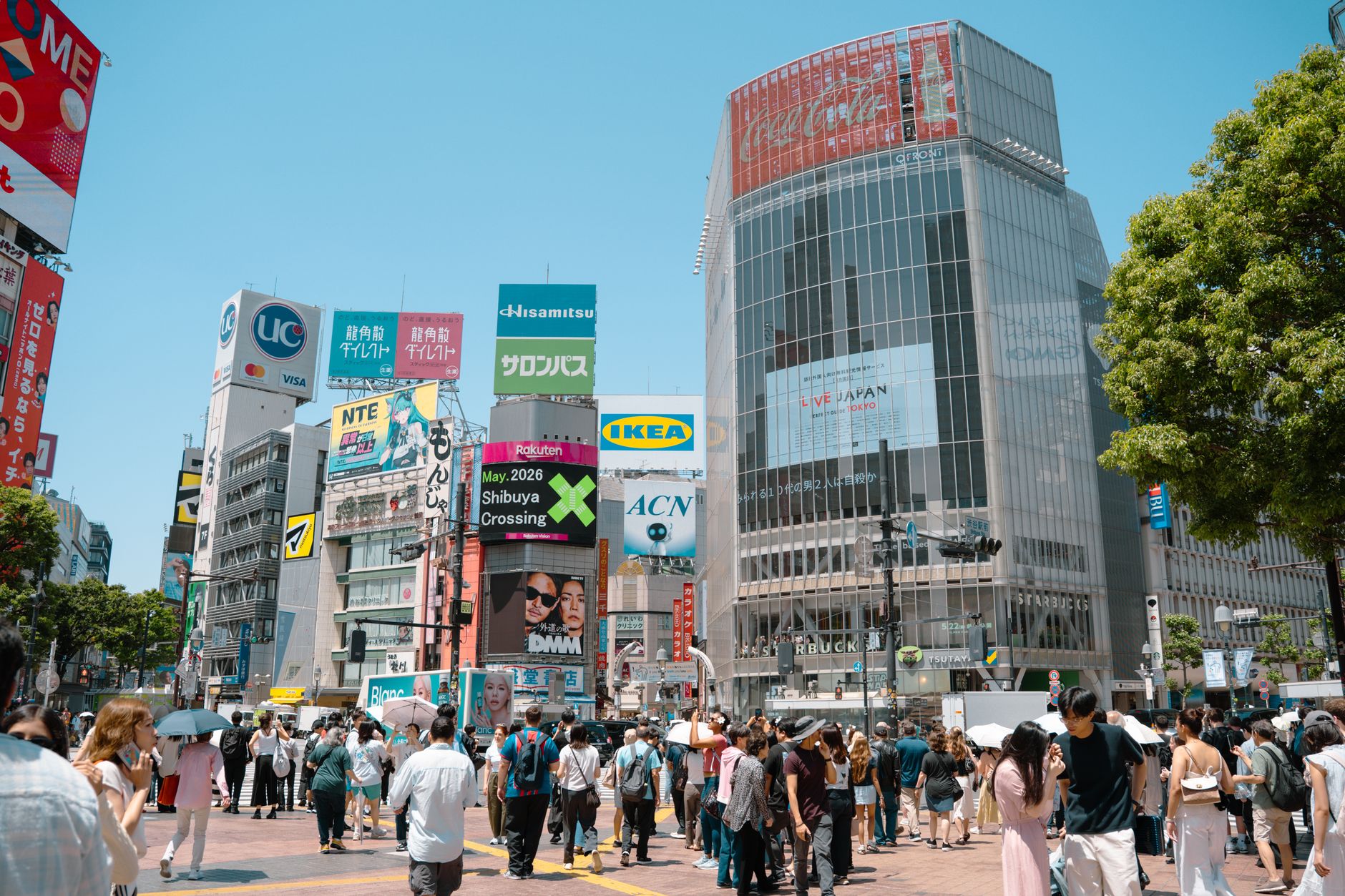
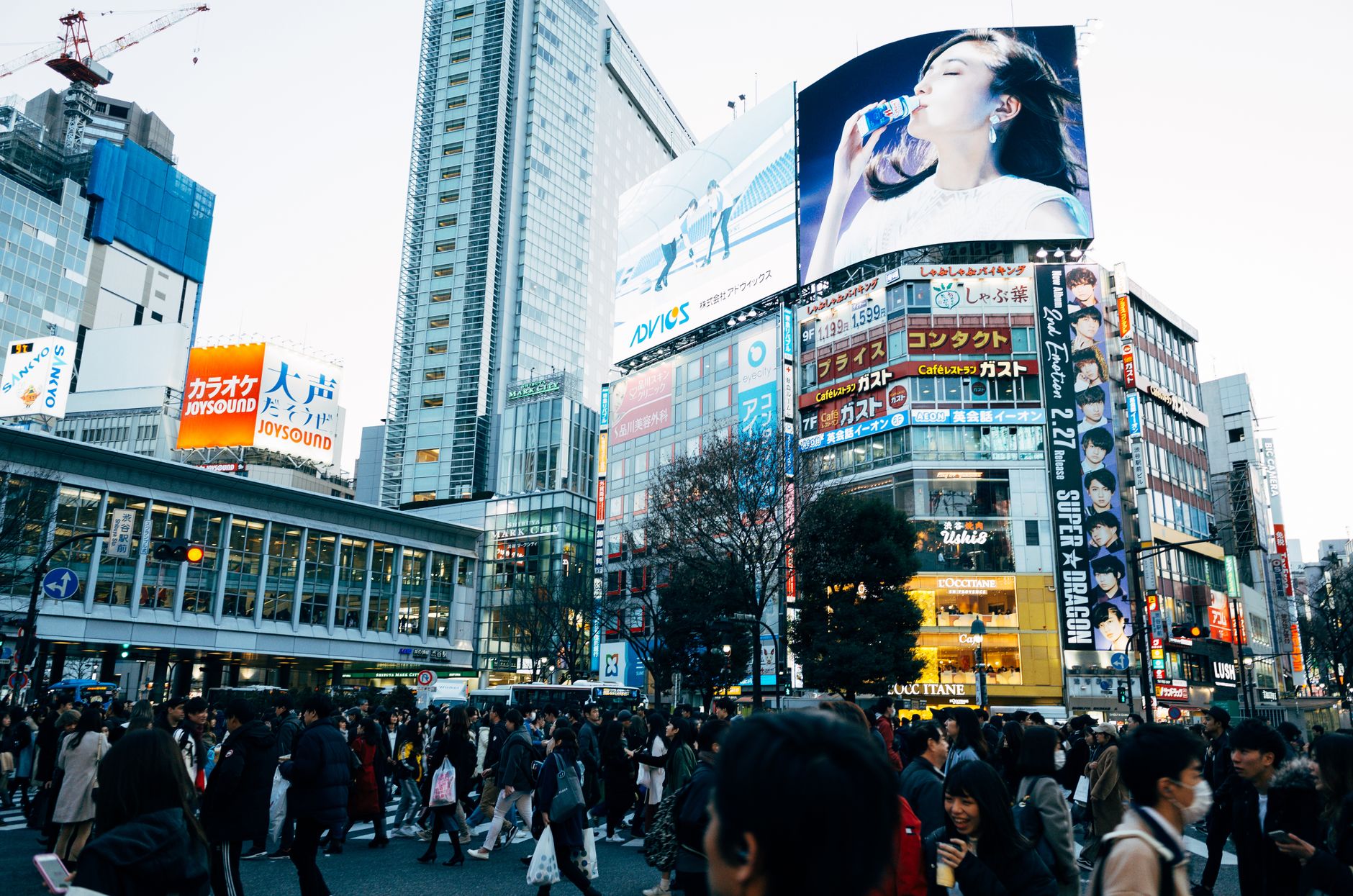
Stand at the centre of Shibuya Crossing on any given evening and watch what happens when the lights change: roughly 3,000 people pour off six corners at once, weave through each other without collision, and vanish into the city. It has been doing this since 1973, and it still stops you in your tracks.
Shibuya is one of Tokyo's great engine rooms — ten train lines, around three million daily passengers at its station alone, and a skyline that keeps rewriting itself. Yet the same few blocks also contain a bronze dog who waited nine years for his owner, a thousand-year-old shrine sitting behind the noise, and a neighbourhood that has been reinventing itself since a medieval clan first put their name on it.
💛 What travellers fall for
People who come back tend to time the crossing at different hours — the pre-dawn quiet is its own reward. They also learn that Shibuya Sky, the rooftop deck on the 46th floor of Scramble Square, sells out fast; book a day ahead. And most eventually find their way to Konno Hachimangu Shrine, a two-minute walk from the station, where the castle that started all this once stood.
Deals in Shibuya
Book directly at the provider


How Shibuya came to be
The area takes its name from the Shibuya clan, who came into possession of the land in the early 1160s. They built Shibuya Castle around 1092 on high ground now occupied by Konno Hachimangu Shrine — the oldest fixed point in a district that rarely stands still. Through the Edo period it served as a post town on the Koshu Kaido road, a waystation for travellers heading in and out of the capital.
The modern shape of Shibuya dates to 1885, when the Yamanote Line brought a station and, with it, commercial ambition. After the Great Kanto Earthquake of 1923 pushed businesses westward from Nihonbashi, the district grew quickly. The villages of Naka-, Kami- and Shimo-Shibuya merged in 1889; it became a town in 1909 and a city ward in 1932. The decisive private-sector force was businessman Keita Goto, whose Tokyu Group built railway lines and then built entire neighbourhoods along them — including Shibuya 109 and, nearly a century later, the 230-metre Shibuya Scramble Square that opened in 2019.
Who and what shaped it
People who shaped it
Landmark buildings
See Shibuya in motion
Plan your visit
On the map
When to go
Spring (March to May) brings mild temperatures and cherry blossoms near Yoyogi Park; autumn (October and November) is crisp and clear, arguably the most comfortable season to walk the district at length. Summers are hot and humid, with July and August regularly exceeding 35°C; winters are cool but rarely severe, and the crossing looks particularly atmospheric on a dry winter night.
Right now
Background & history adapted from Wikipedia (CC BY-SA) · specs from Wikidata (CC0) · weather from Open-Meteo · map data © OpenStreetMap contributors · photos from Wikimedia Commons / Unsplash with per-image credit. No third-party reviews or social posts reproduced.