
Sharjah
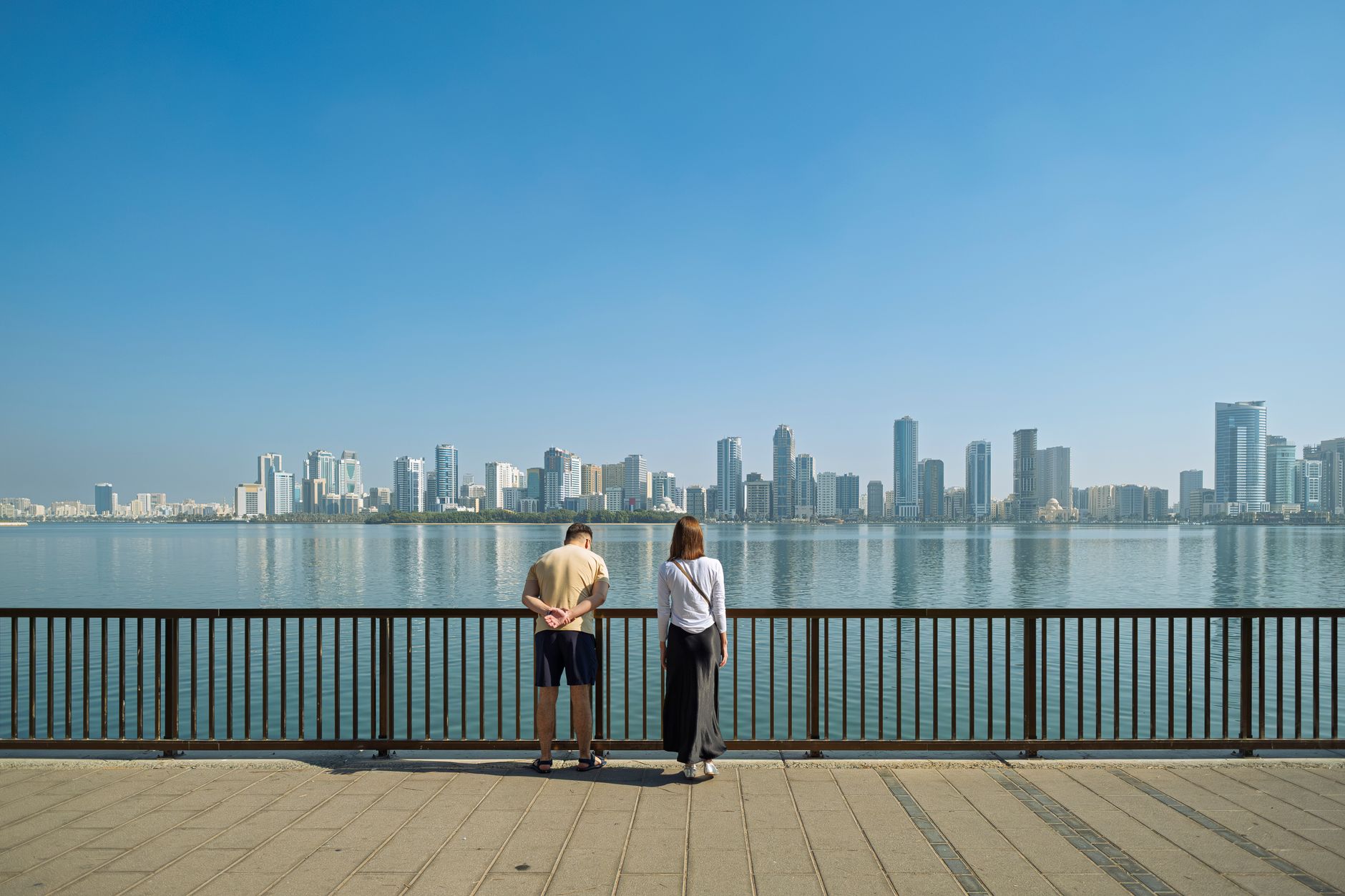
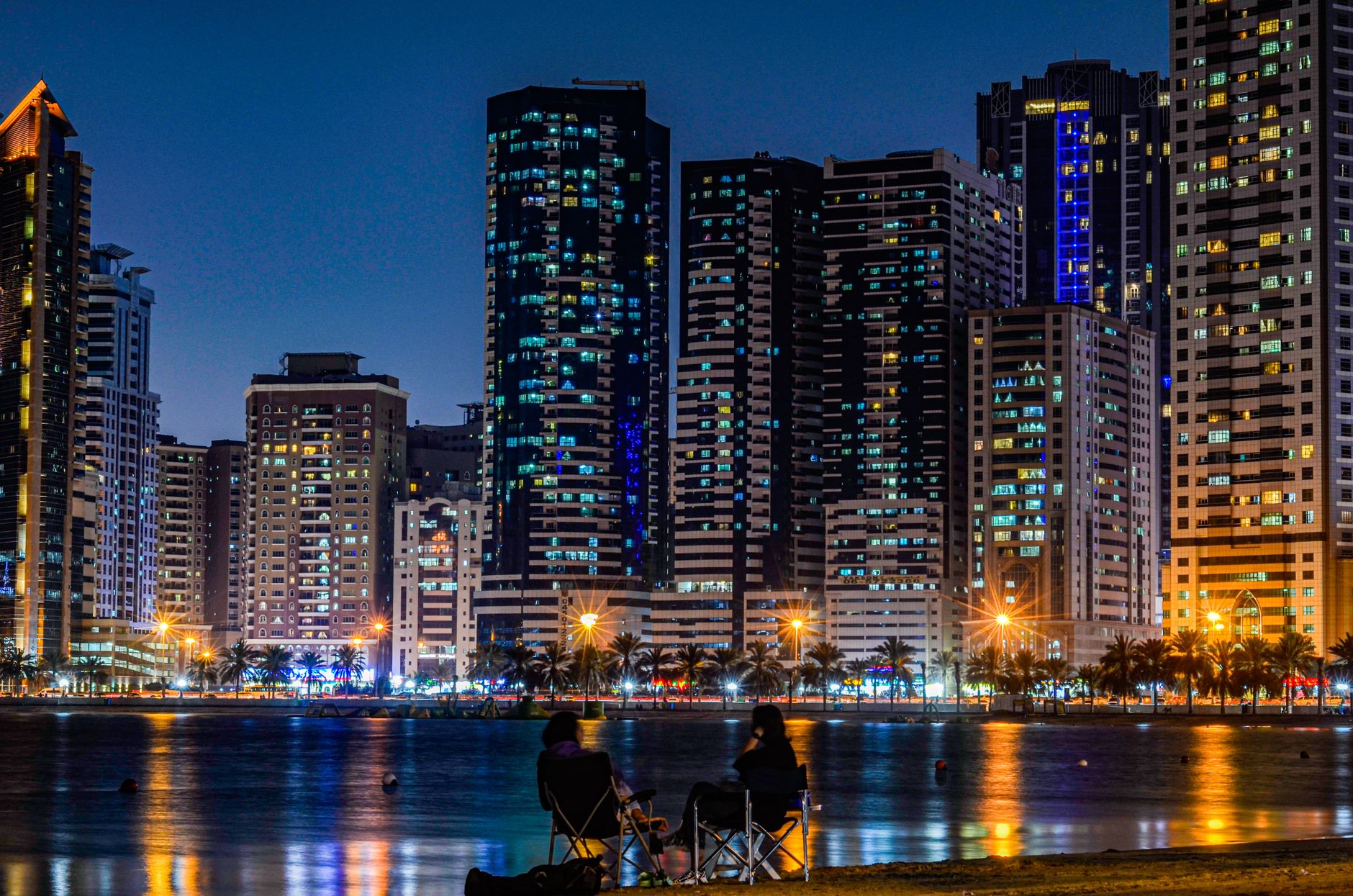
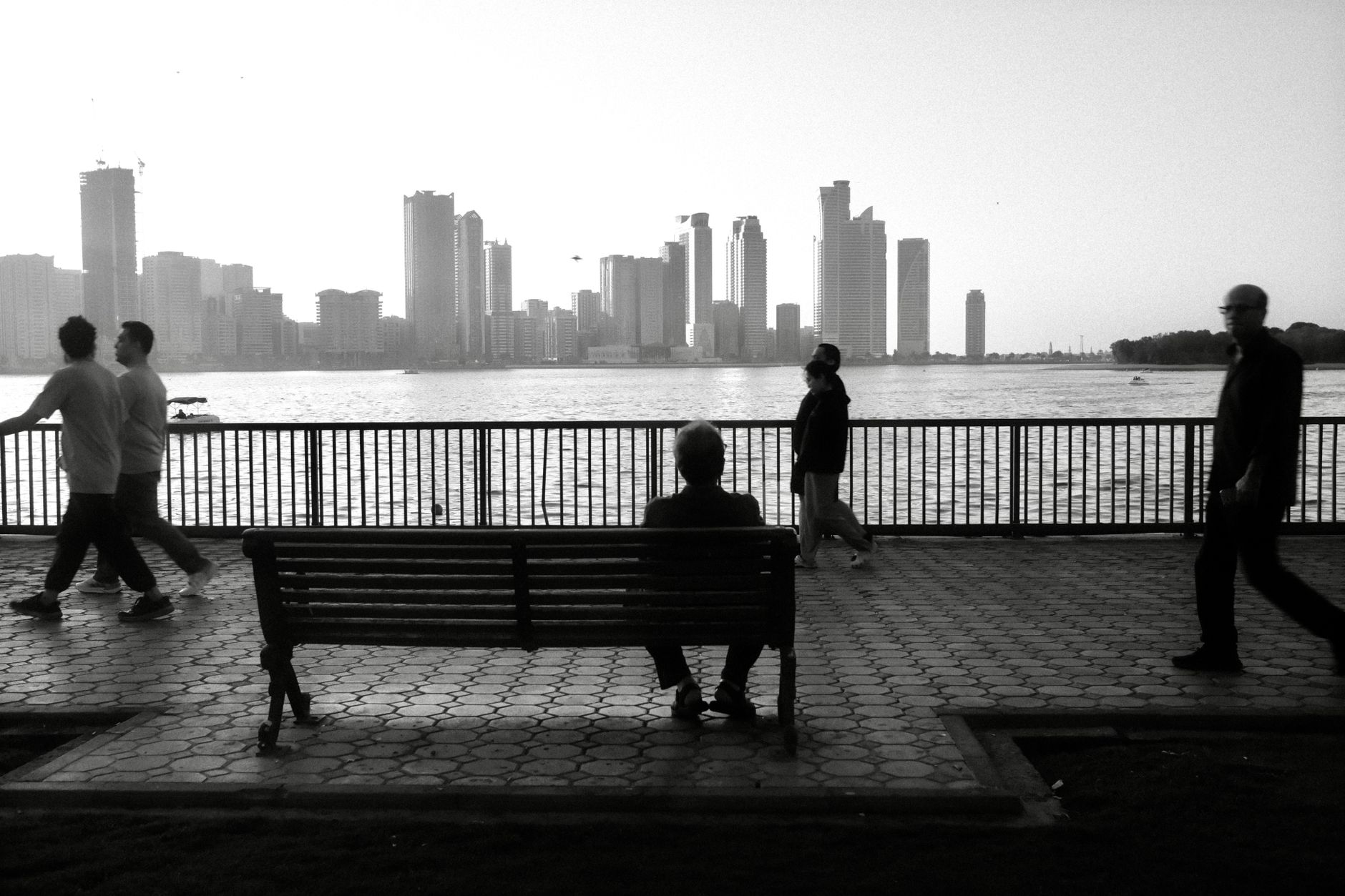
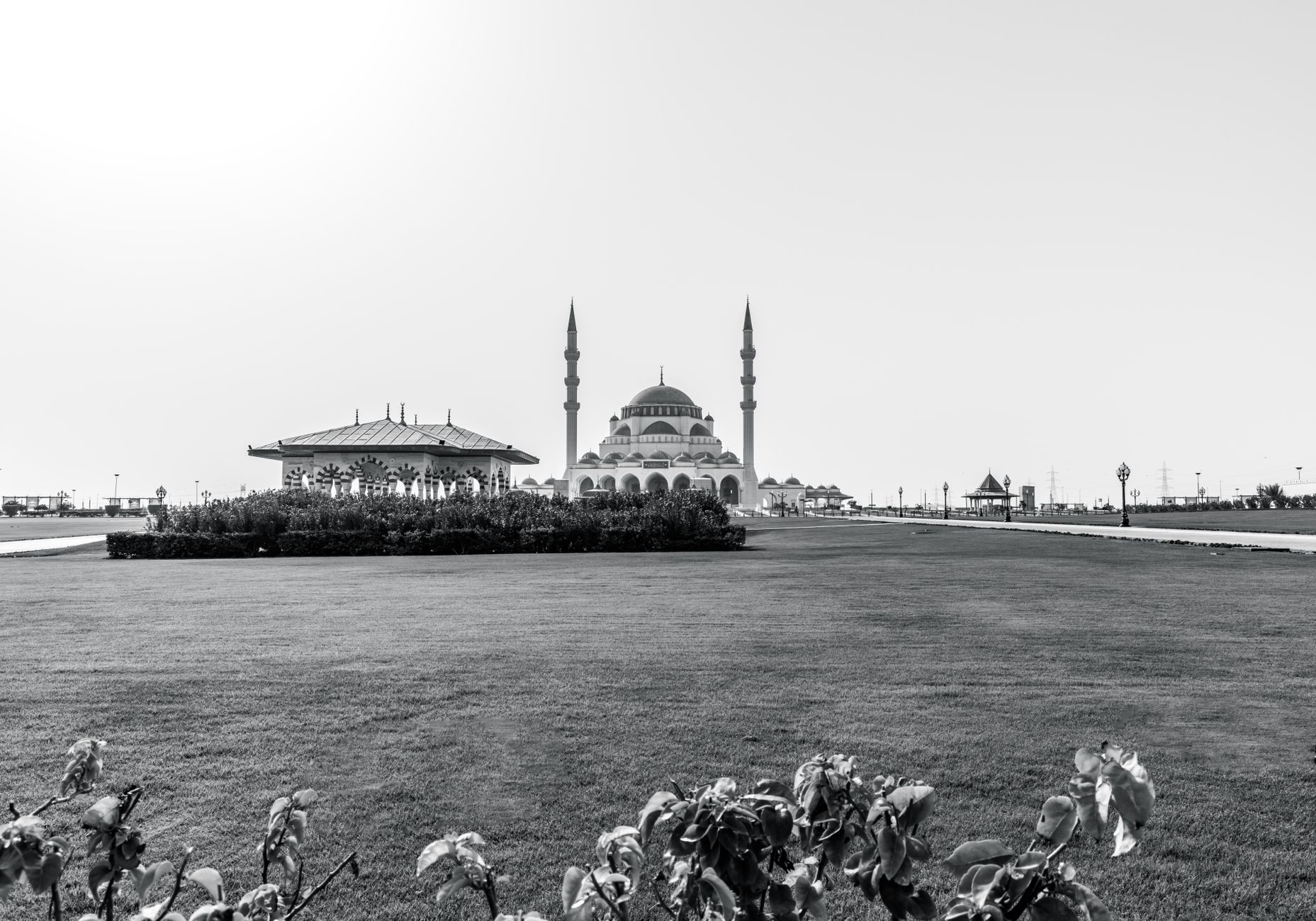
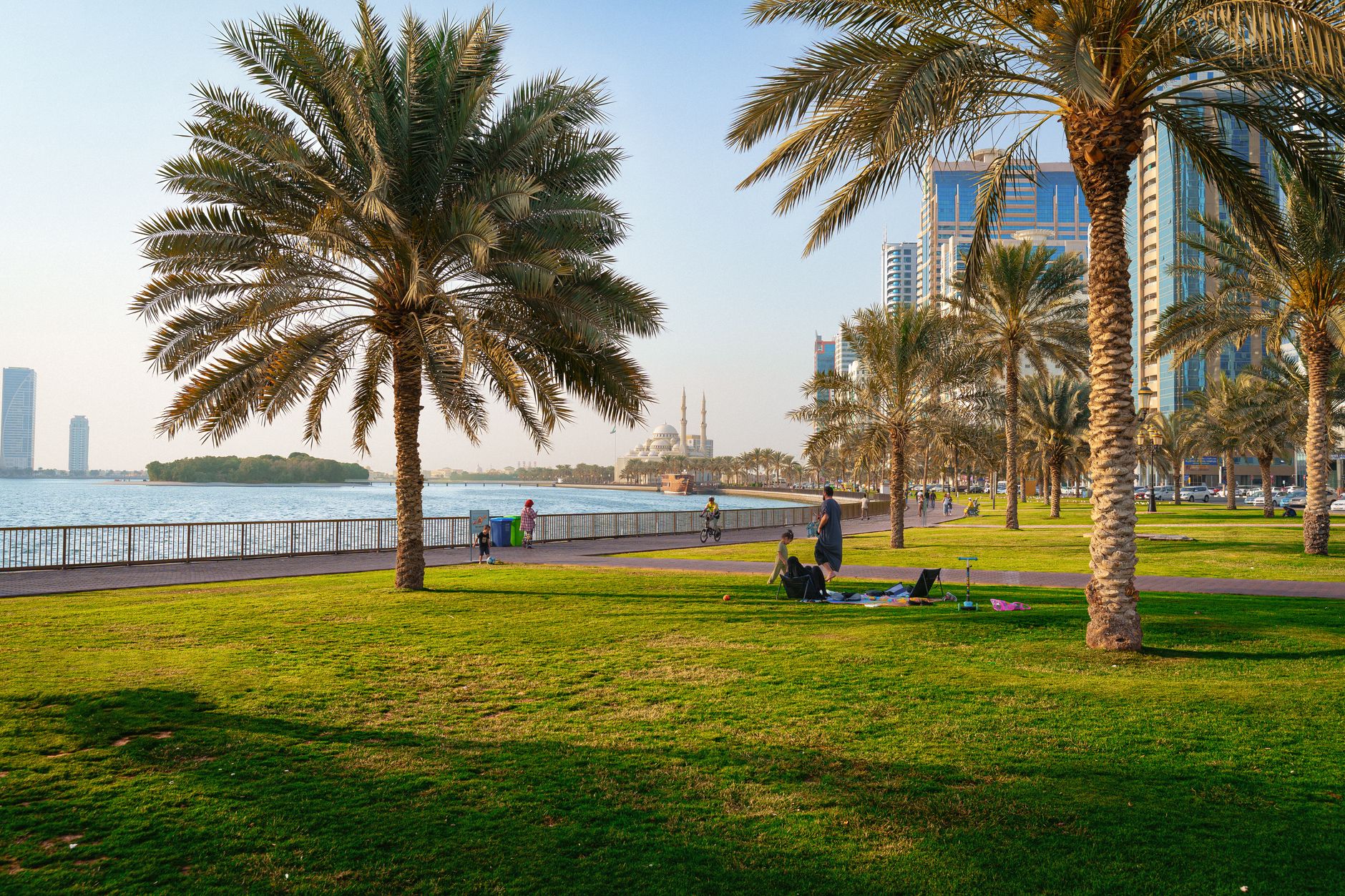
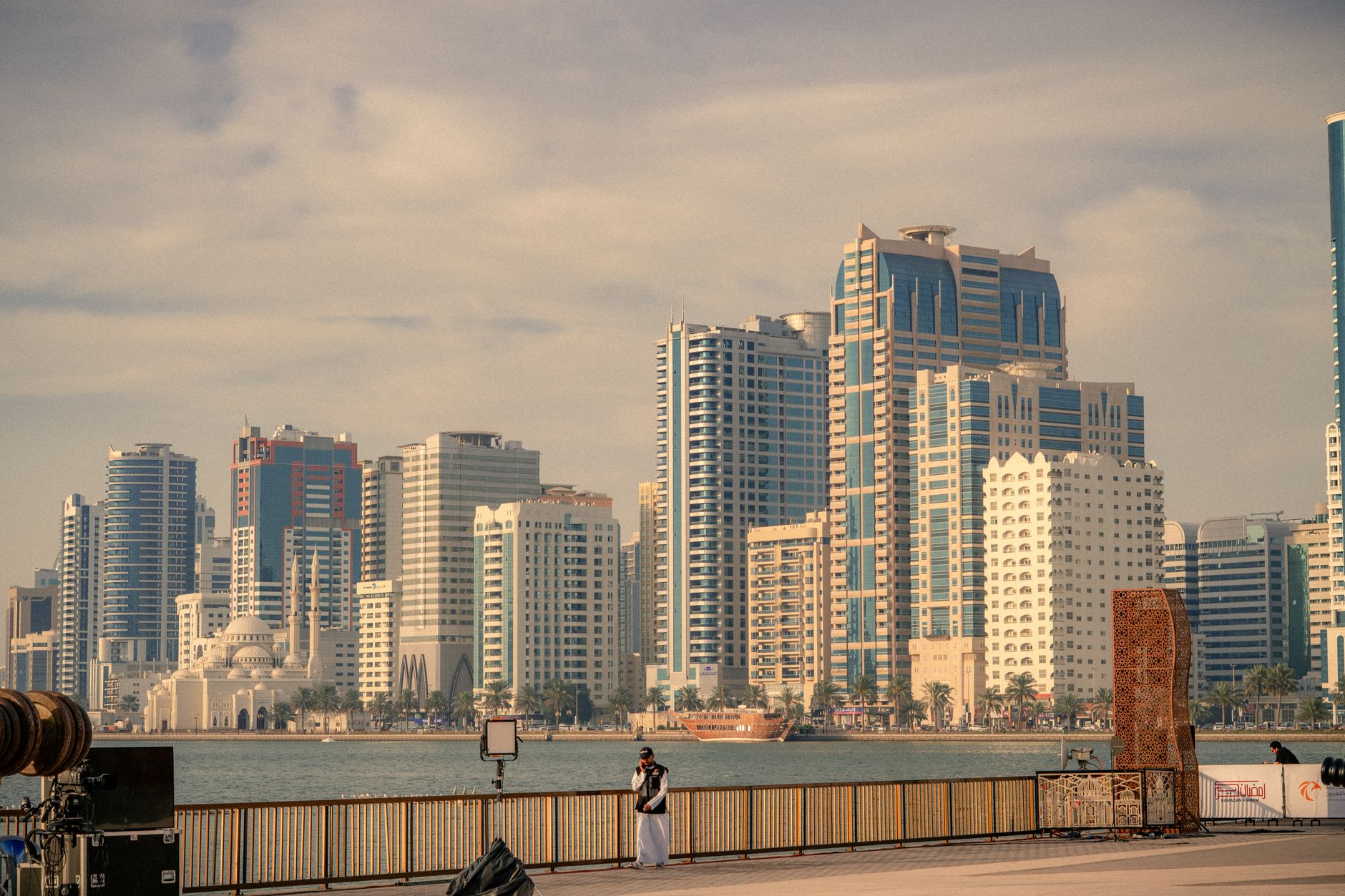
Sharjah is the emirate that chose books over bars. It's the only one in the UAE where alcohol is completely absent — no hotel lounges, no rooftop sundowners — and the conservative dress code is enforced in earnest. What fills that space instead is culture, in an unusually concentrated form: sixteen museums, a UNESCO World Book Capital designation (2019), and a long-running international book fair that draws publishers from across the world.
The old town is mid-restoration, working back toward how it looked in the 1950s — coral-walled houses, wind towers, the 1823 fort that once served as palace, government seat and jail simultaneously. It sits twenty minutes from Dubai by bus, and the contrast between the two is one of the Gulf's more instructive short journeys.
How Sharjah came to be
People have lived along this stretch of the Arabian Gulf coast for around five thousand years, but Sharjah's modern shape was drawn in the 18th century, when the Al Qasimi dynasty established it as a maritime power of real regional weight. A General Maritime Treaty with Britain in 1820 brought the emirate under British protection while preserving its autonomy — a pragmatic arrangement that held for a century and a half.
On 5 October 1932, an Imperial Airways flight landed at the Mahatta Fort airstrip, making Sharjah the site of the first international flight in the Gulf. Nearly four decades later, on 2 December 1971, the emirate joined the newly formed UAE as a founding member. Sheikh Sultan bin Mohammed Al Qasimi took power in 1972 — the same year oil was discovered in the offshore Mubarak field — and has governed since, steering the emirate steadily toward its current identity as the federation's cultural centre.
Who and what shaped it
People who shaped it
Landmark buildings
See Sharjah in motion
Plan your visit
On the map
When to go
November through March brings the kind of weather that makes outdoor wandering easy — daytime temperatures of 23–28°C with cooler evenings. From May to September the heat is serious, regularly touching 40°C and climbing higher, with humidity that makes the shade feel insufficient; the museums become the sensible refuge.
Right now
Background & history adapted from Wikipedia (CC BY-SA) · specs from Wikidata (CC0) · weather from Open-Meteo · map data © OpenStreetMap contributors · photos from Wikimedia Commons / Unsplash with per-image credit. No third-party reviews or social posts reproduced.