
Seogwipo
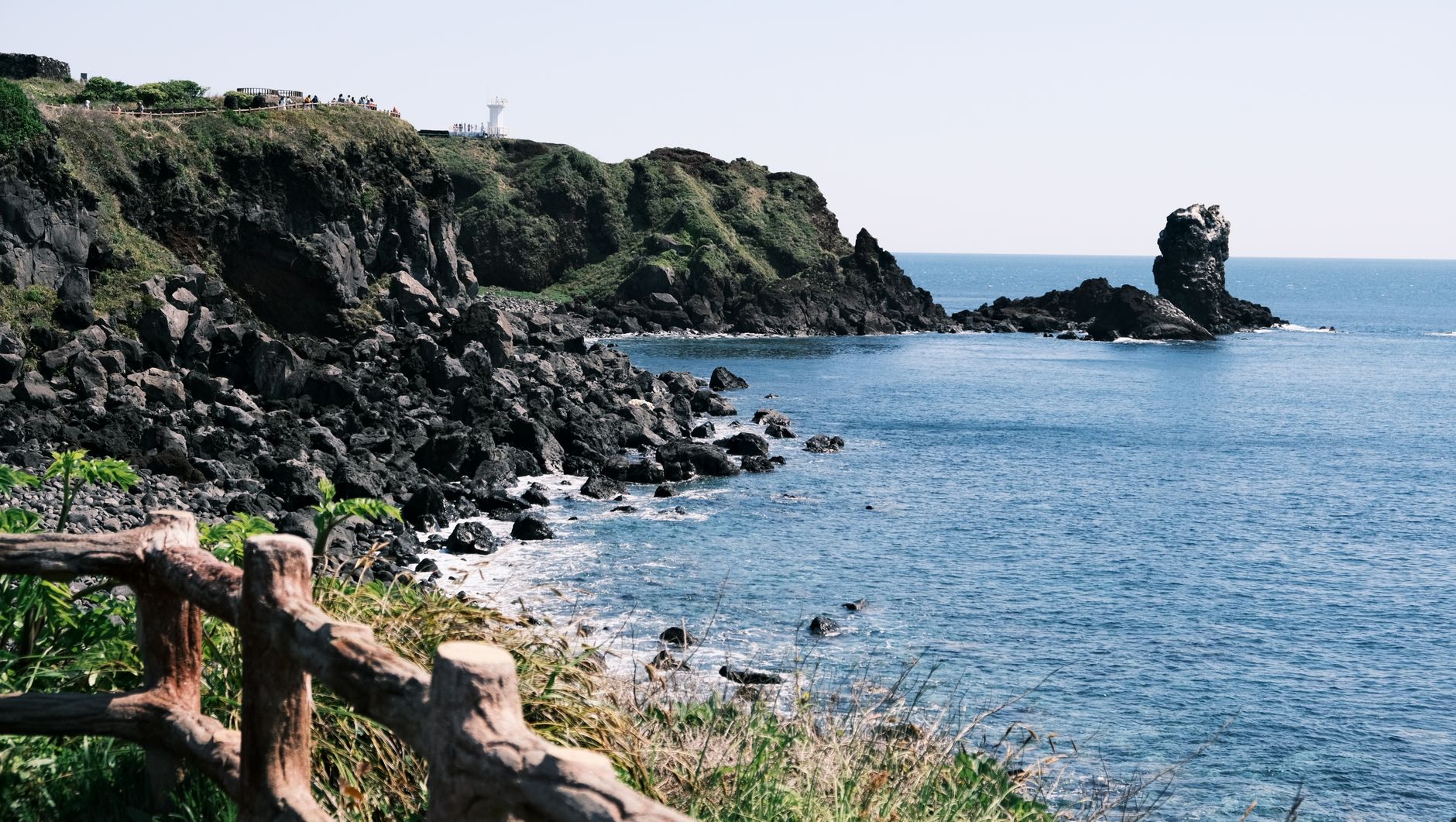
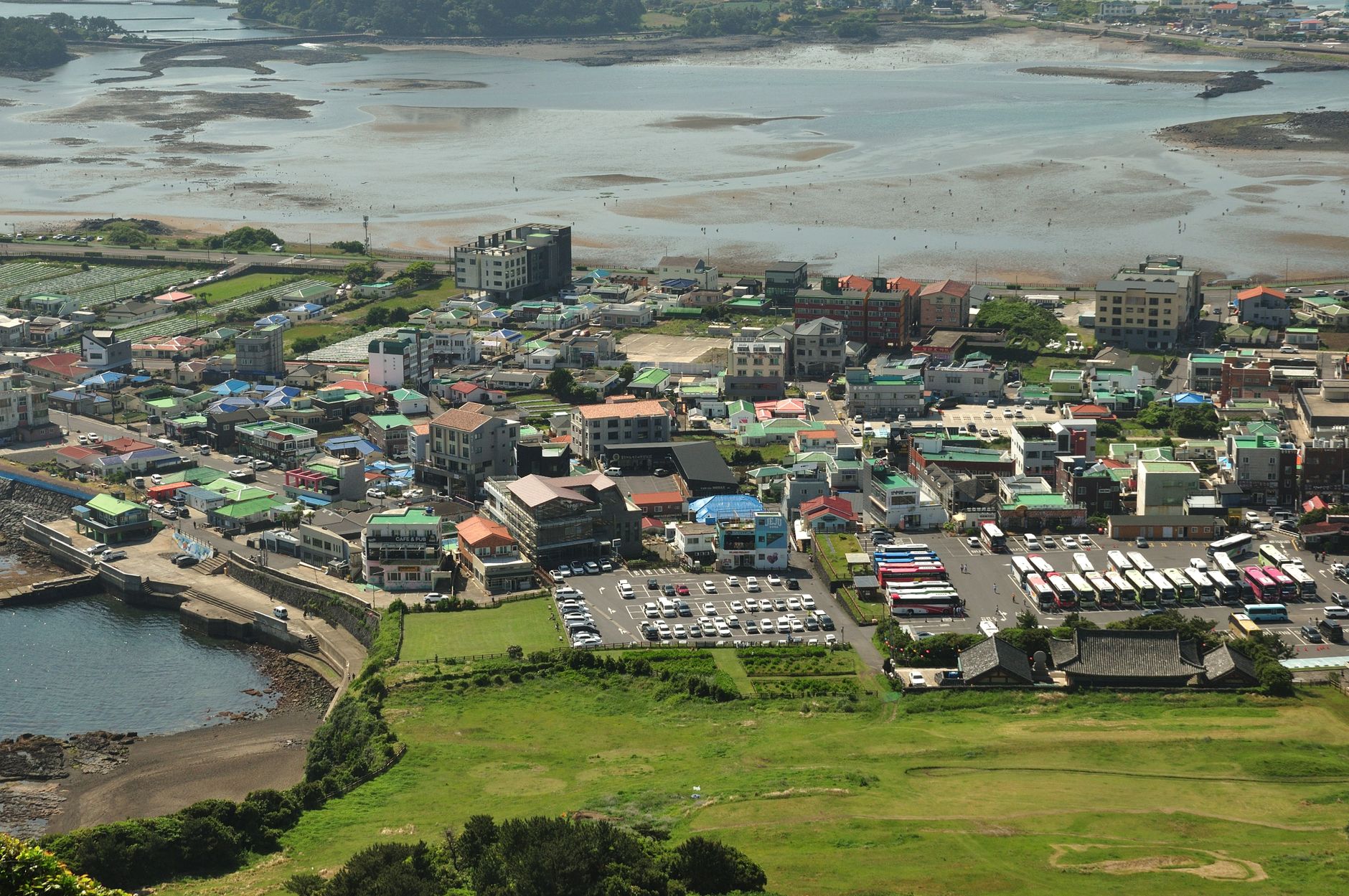
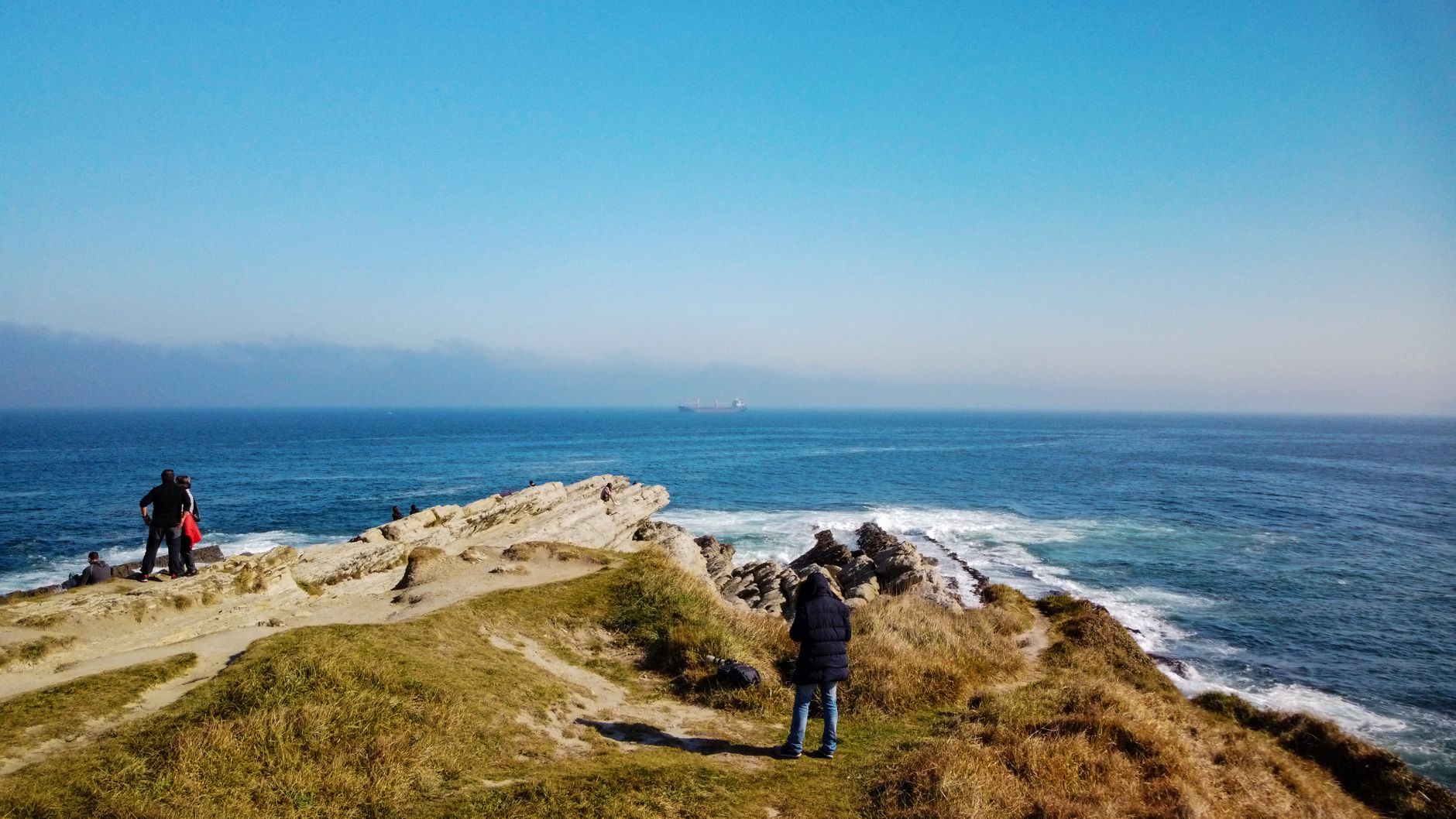
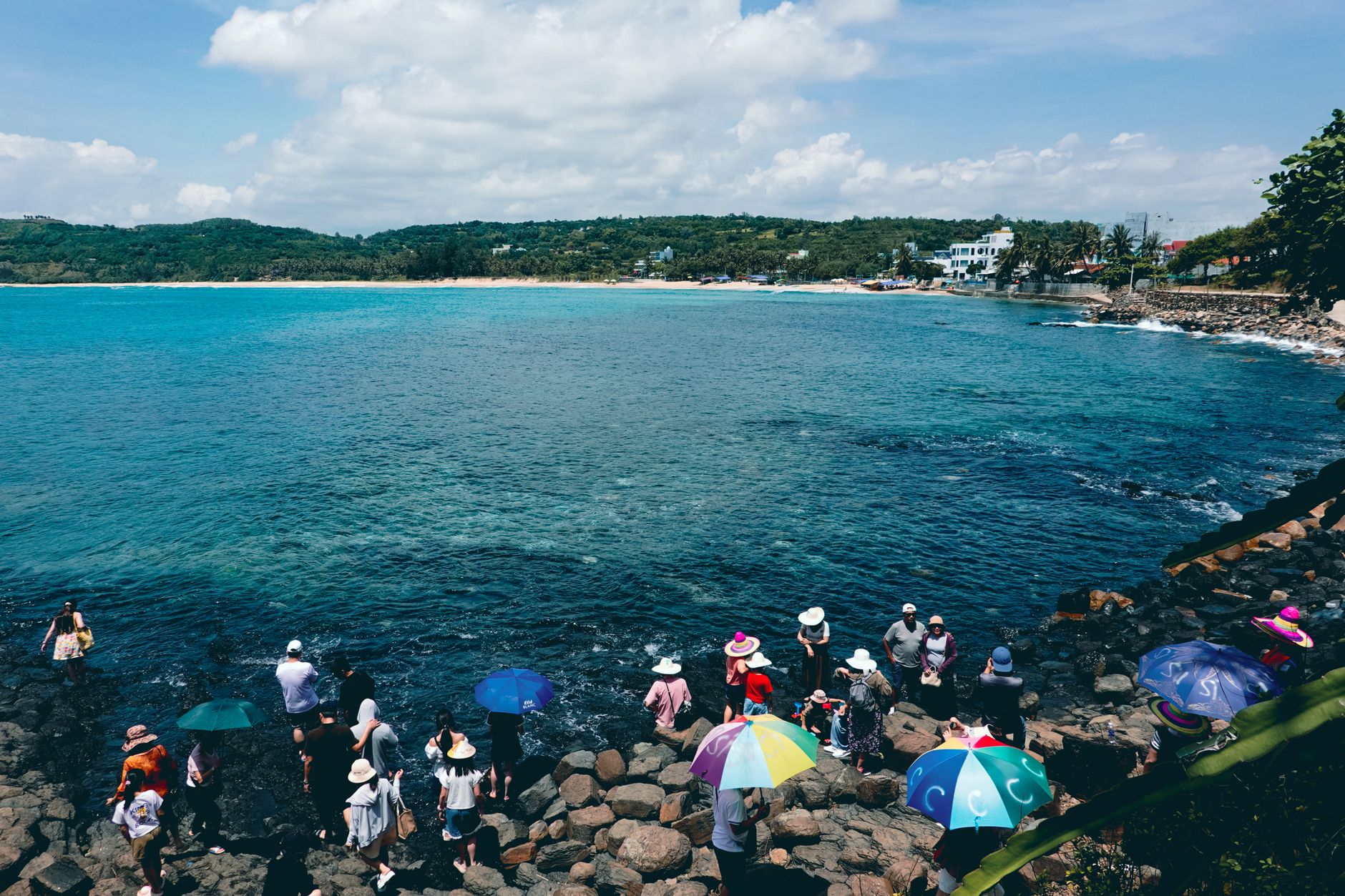
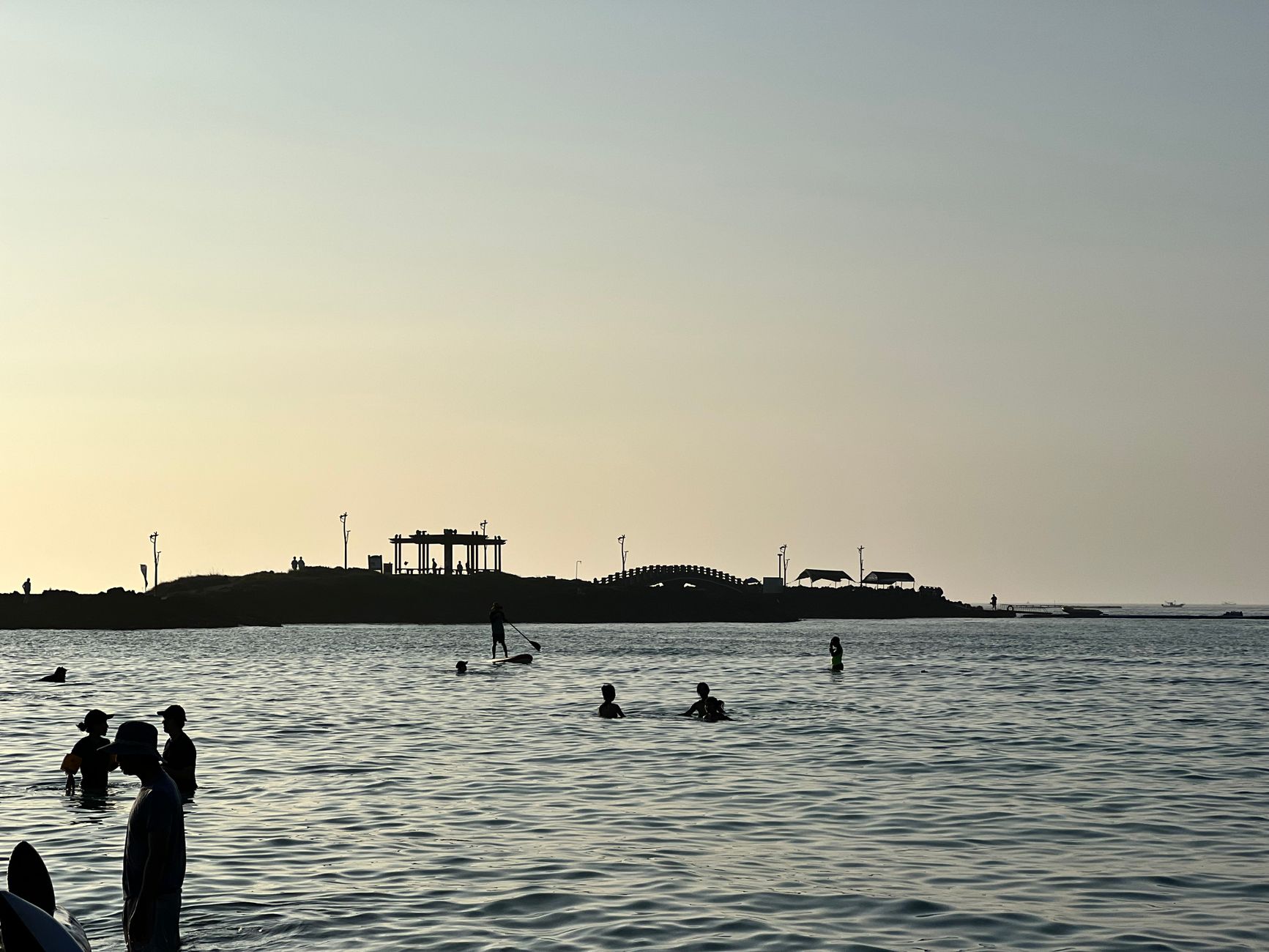
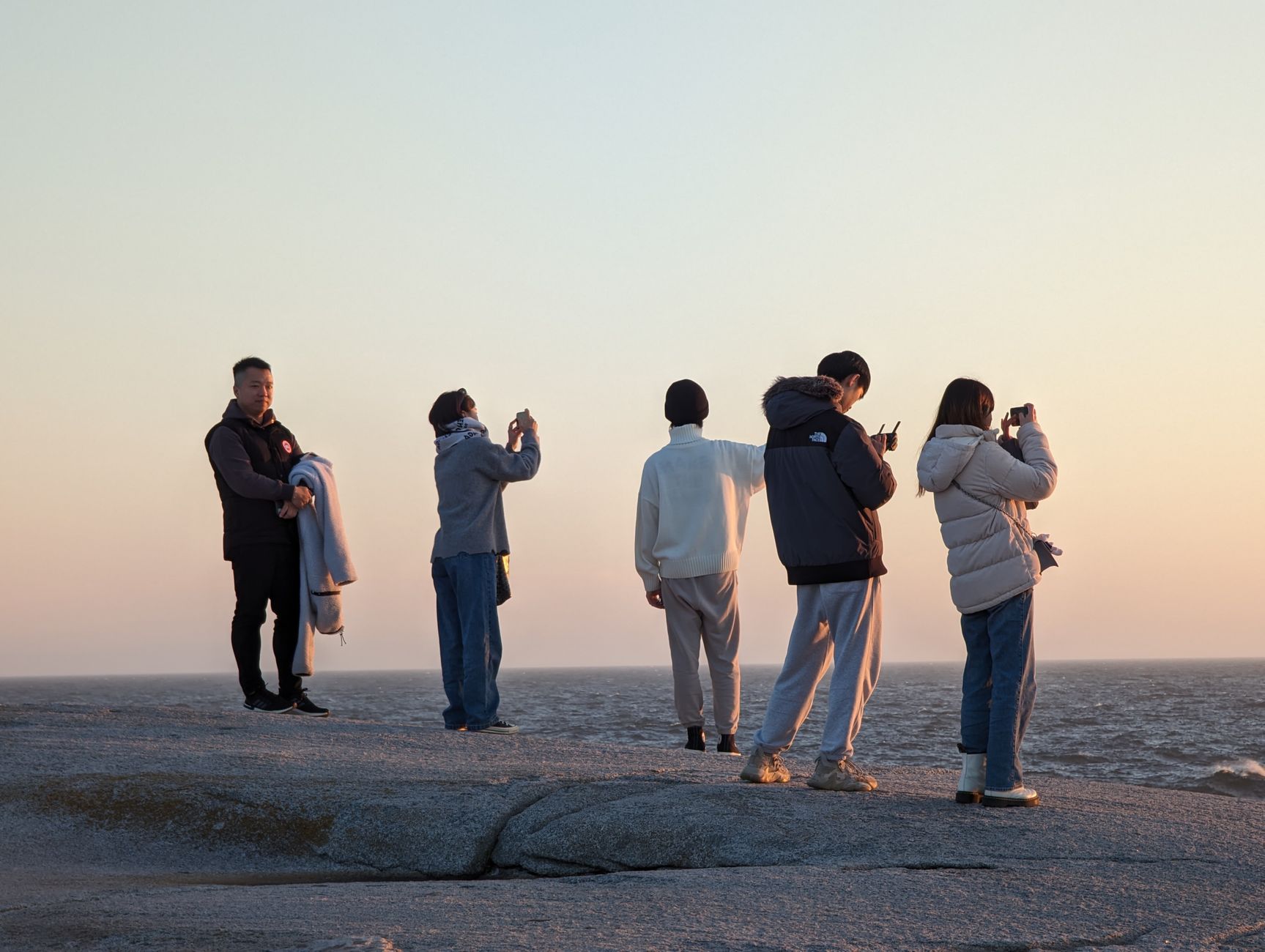
Seogwipo sits on the southern coast of Jeju Island, where the land drops sharply into the sea and a waterfall — Jeongbang — falls straight off a cliff into the ocean, the only one of its kind on the continent. The air smells of salt and, depending on the season, the green-tea fields that stretch inland toward the slopes of Mt. Halla.
This is the quieter, softer side of Jeju. The streets around Lee Jung Seop Street fill with small galleries and cafes rather than duty-free shops. The Olle Market wakes up slowly. Saeseom island sits in the harbor, reachable on foot, with a light show on the bridge after dark.
💛 What travellers fall for
People who come back tend to time the Olle Market for mid-morning, when the stalls are fully open and the crowd is still manageable. They also mention the 500-meter path to Cheonjiyeon waterfall at dusk, when the day-trippers have cleared out and the 22-meter drop sounds louder in the quiet.
Deals in Seogwipo
Book directly at the provider
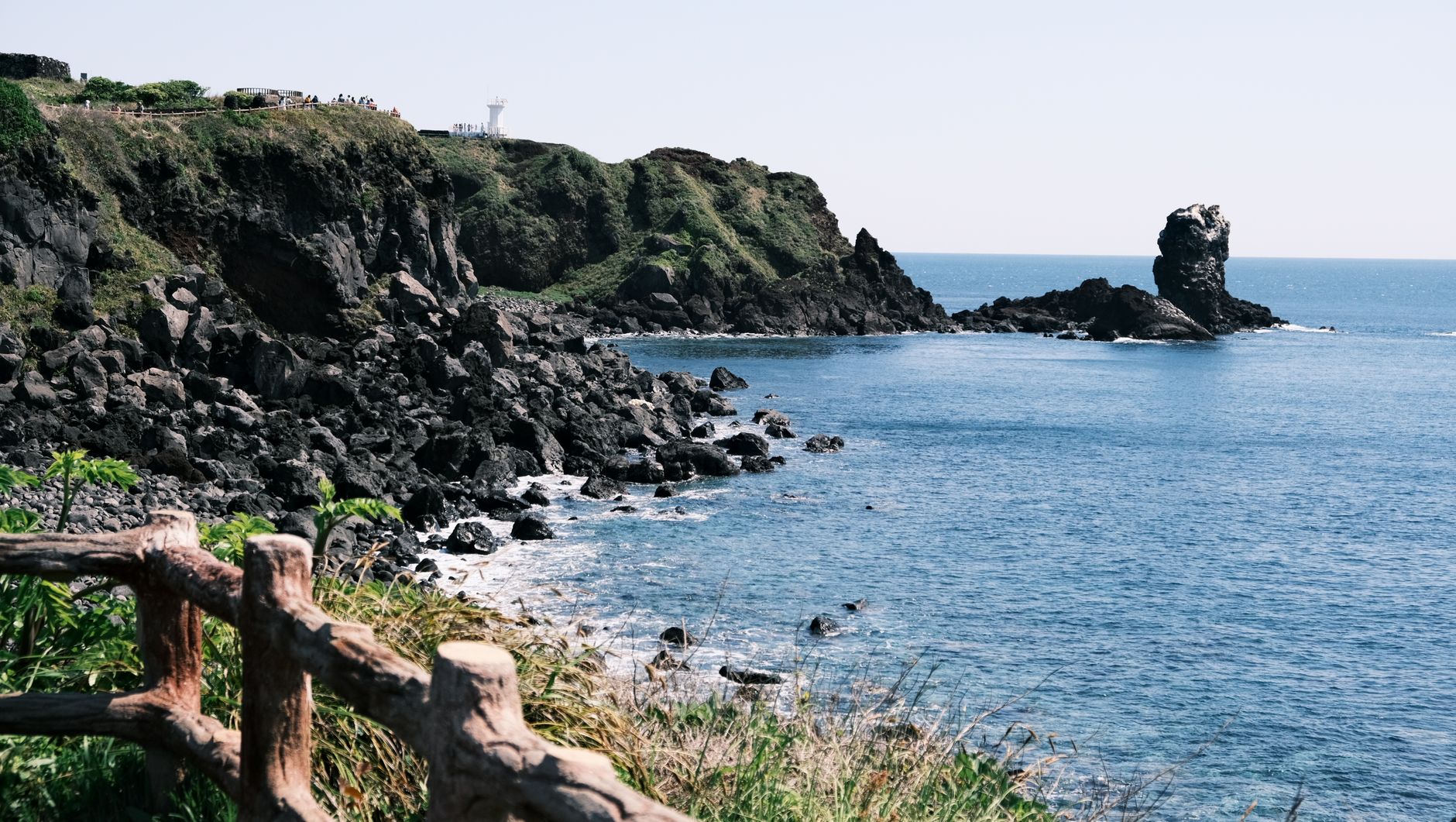
How Seogwipo came to be
Seogwipo's roots go back to Tamna, an ancient kingdom that traded across the Korean peninsula and with China during the Three Kingdoms period. In 1416, southern Jeju was divided into two prefectures — Jeongui and Daejeong — and the settlements that would eventually become Seogwipo developed within those administrative lines. Seongeup Folk Village, preserved from 1410 to 1914, gives a concrete sense of what five centuries of that provincial life looked like.
The modern city took its current shape gradually: Seogwi-eup gained town status in 1956, merged with Jungmun-myeon to become Seogwipo-si in 1981, and expanded to absorb the wider Namjeju-gun district in 2006. Jungmun Tourist Complex began development in 1978, and the city stepped onto the global stage as a co-host of the 2002 FIFA World Cup.
Who and what shaped it
People who shaped it
Landmark buildings
See Seogwipo in motion
Plan your visit
On the map
When to go
Winters are mild by Korean standards — around 5–7°C with frequent grey days but little snow at sea level. Spring warms steadily to a comfortable 17°C by May, and summer brings heat and humidity through June to August; if you visit then, mornings are your best hours outdoors.
Right now
Background & history adapted from Wikipedia (CC BY-SA) · specs from Wikidata (CC0) · weather from Open-Meteo · map data © OpenStreetMap contributors · photos from Wikimedia Commons / Unsplash with per-image credit. No third-party reviews or social posts reproduced.