
Selous Game Reserve
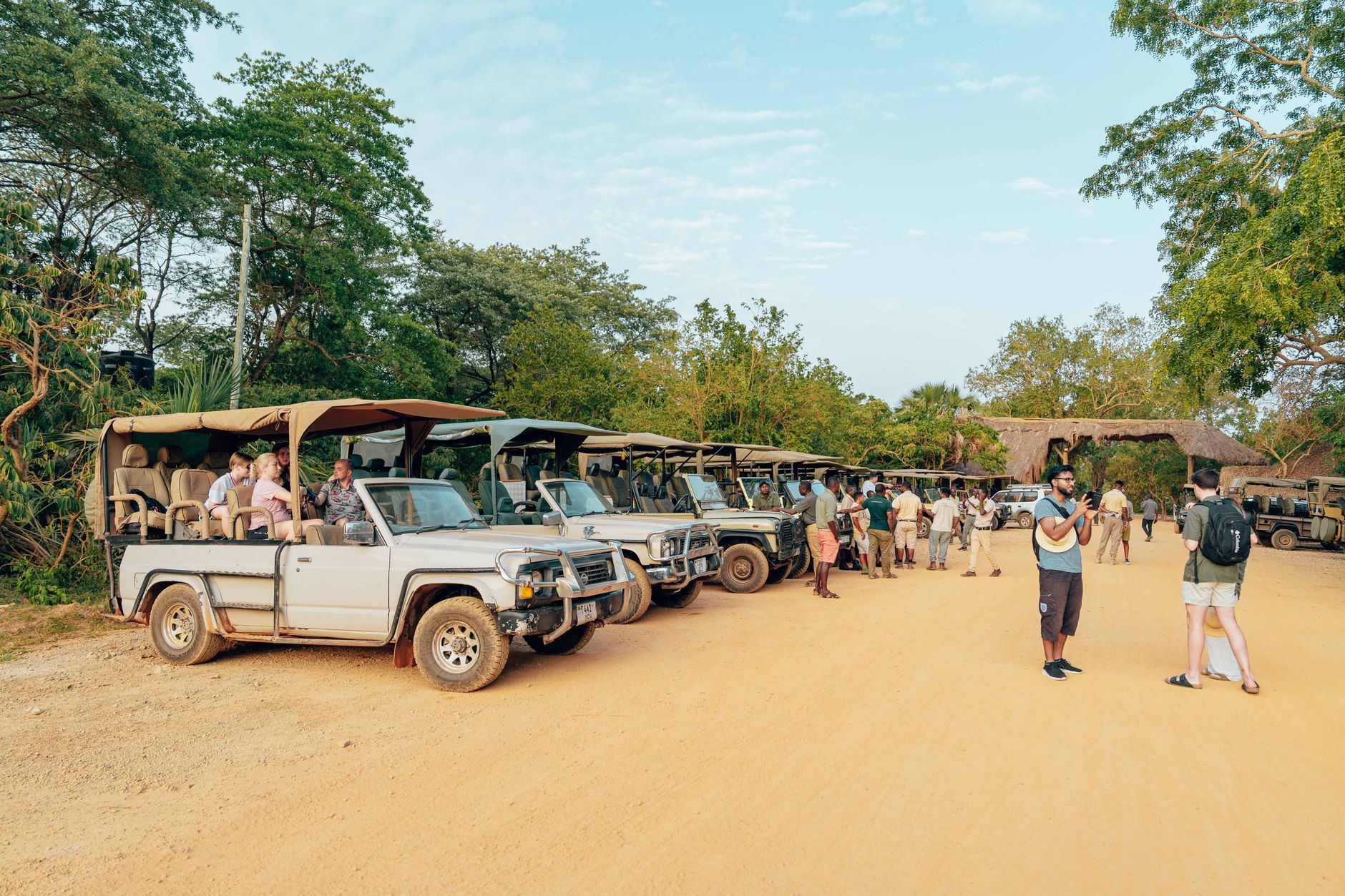
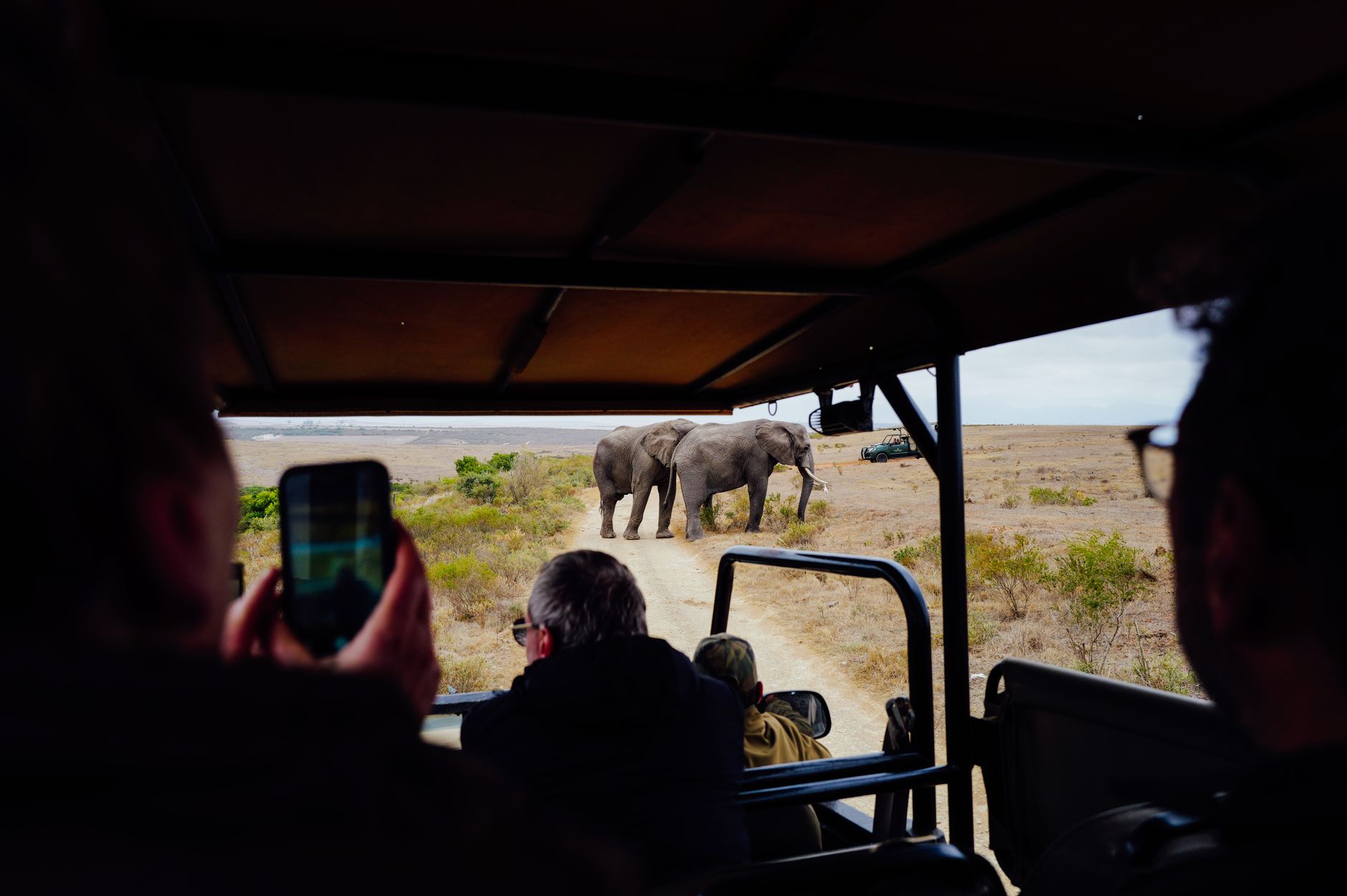
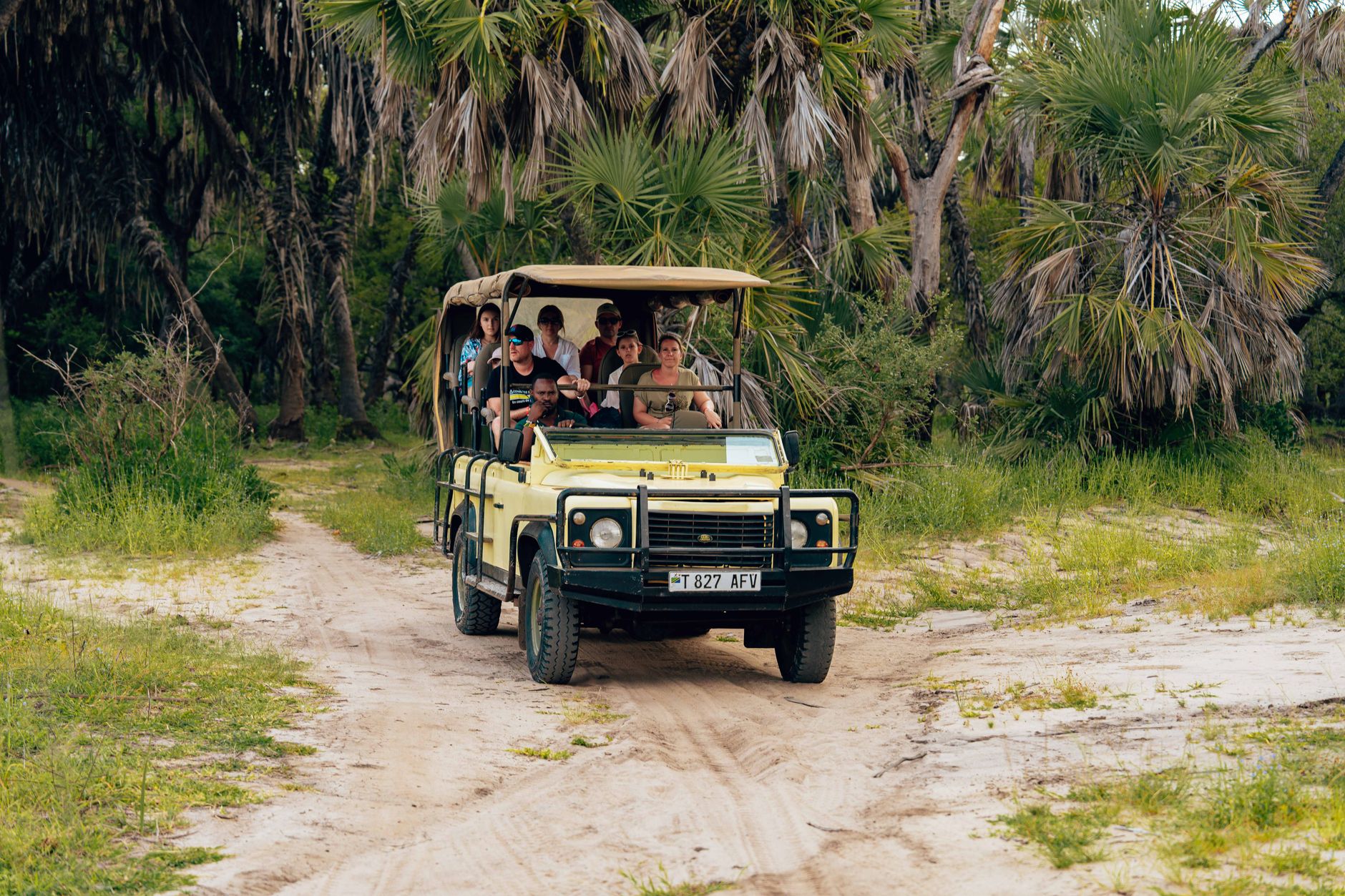
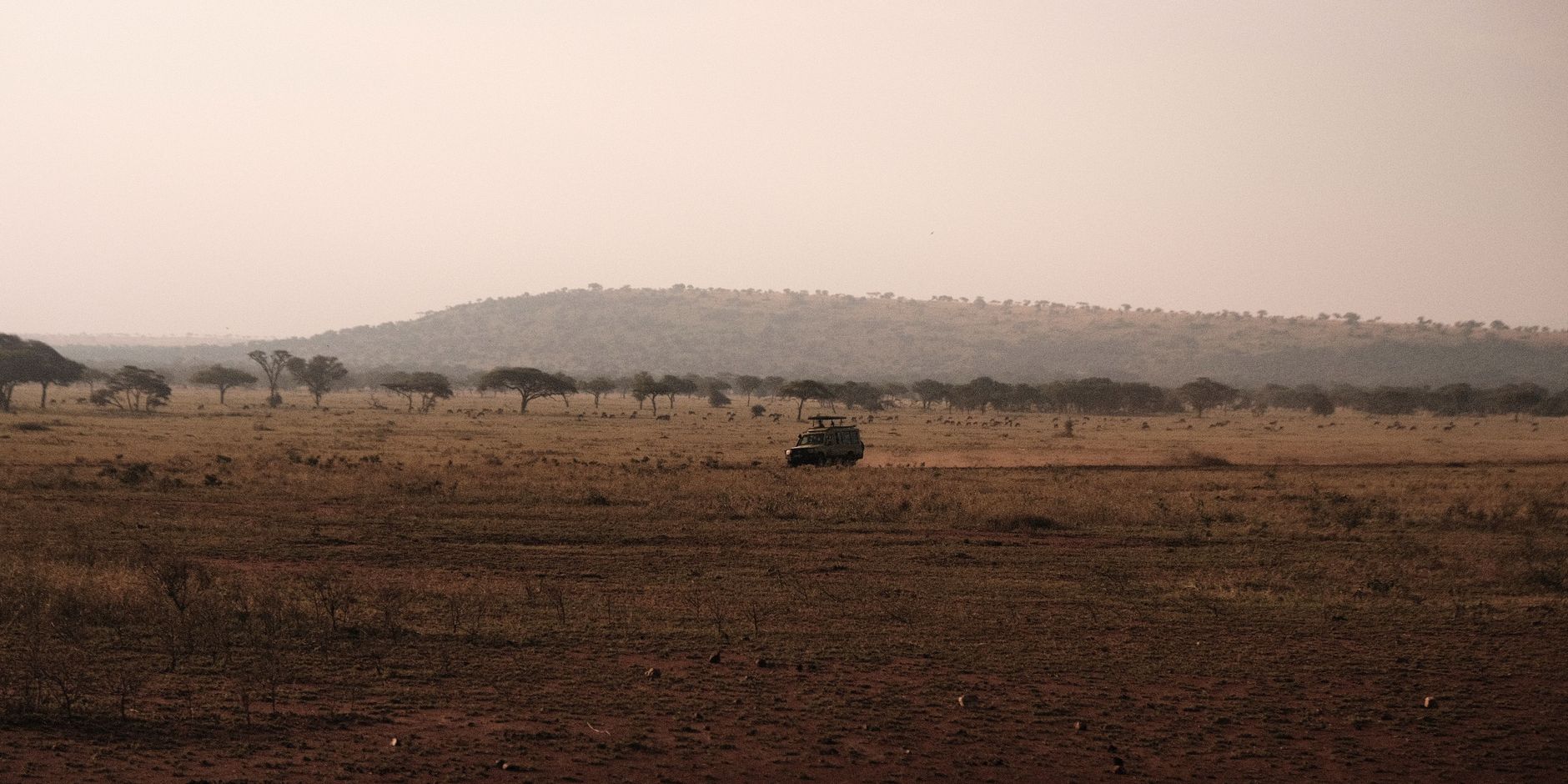
At some point on the Rufiji River, a boat safari will round a bend and the bank will simply be crocodiles — dozens of them, stacked like driftwood in the sun. Behind them, Borassus palms rise twenty-five metres before losing their crowns where old water courses shifted, leaving them as headless columns against the sky. This is Selous at its most itself: enormous, indifferent, alive in ways that feel prehistoric.
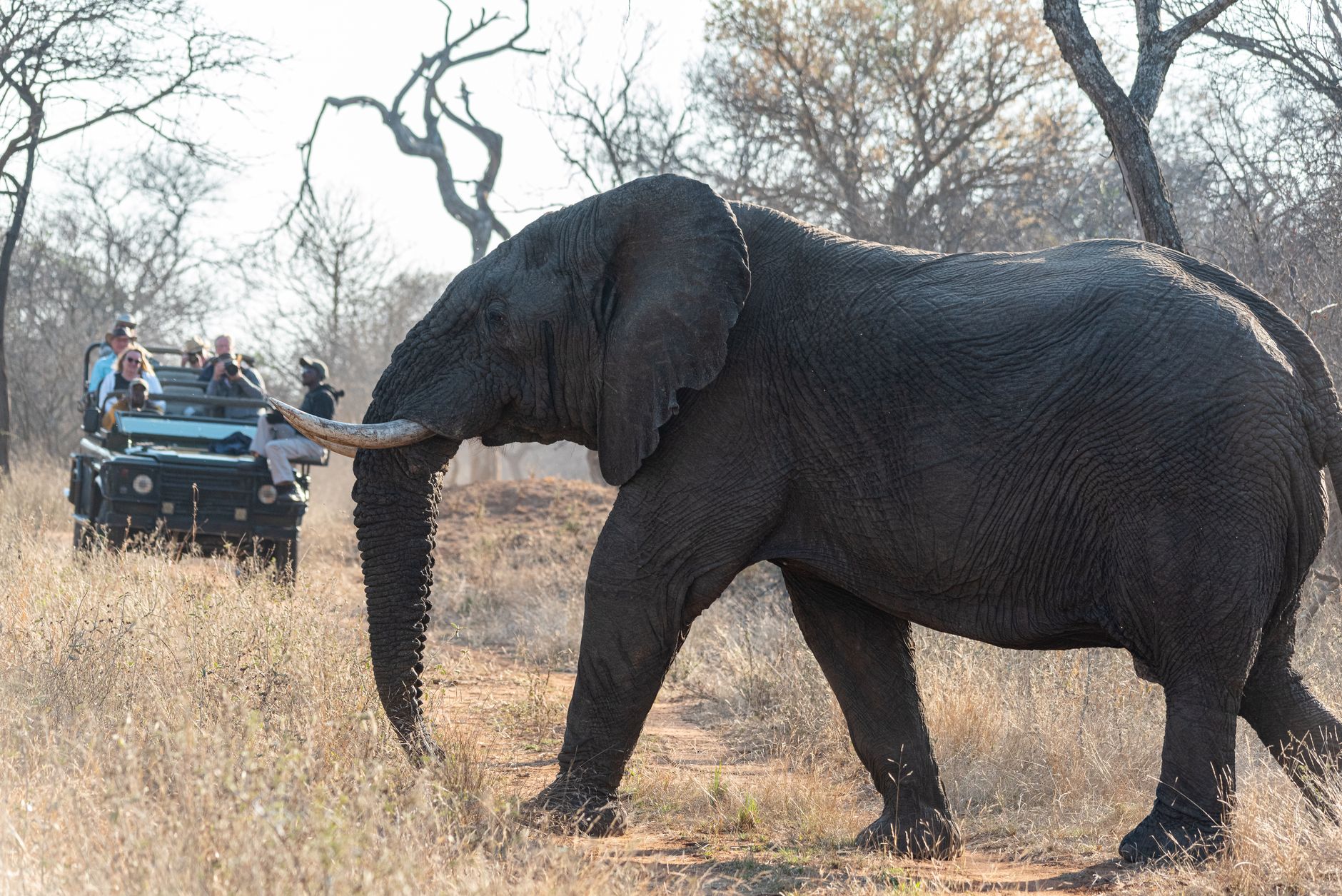
Covering roughly 50,000 square kilometres, this is one of Africa's largest protected areas, and only one percent of Tanzania's visitors come here. You can drive for days without passing another vehicle. Most of that space is managed as a hunting concession; the photographic zone sits north of the Rufiji, where the lodges, the boat safaris, and the highest concentration of African wild dogs on the planet are found.
How Selous Game Reserve came to be
The reserve's origins trace to 1896, when German Governor Hermann von Wissmann first designated the area for protection, with formal hunting-reserve status following in 1905. It took its current name in 1922 — honouring Frederick Courtney Selous, the hunter and explorer who died at Beho Beho in 1917, fighting in the East African campaign of the First World War. His tomb remains there. Scottish explorer Keith Johnston had also died at Beho Beho decades earlier, in 1879, while leading a Royal Geographical Society expedition. The reserve reached its present boundaries in the 1940s and earned UNESCO World Heritage status in 1982.
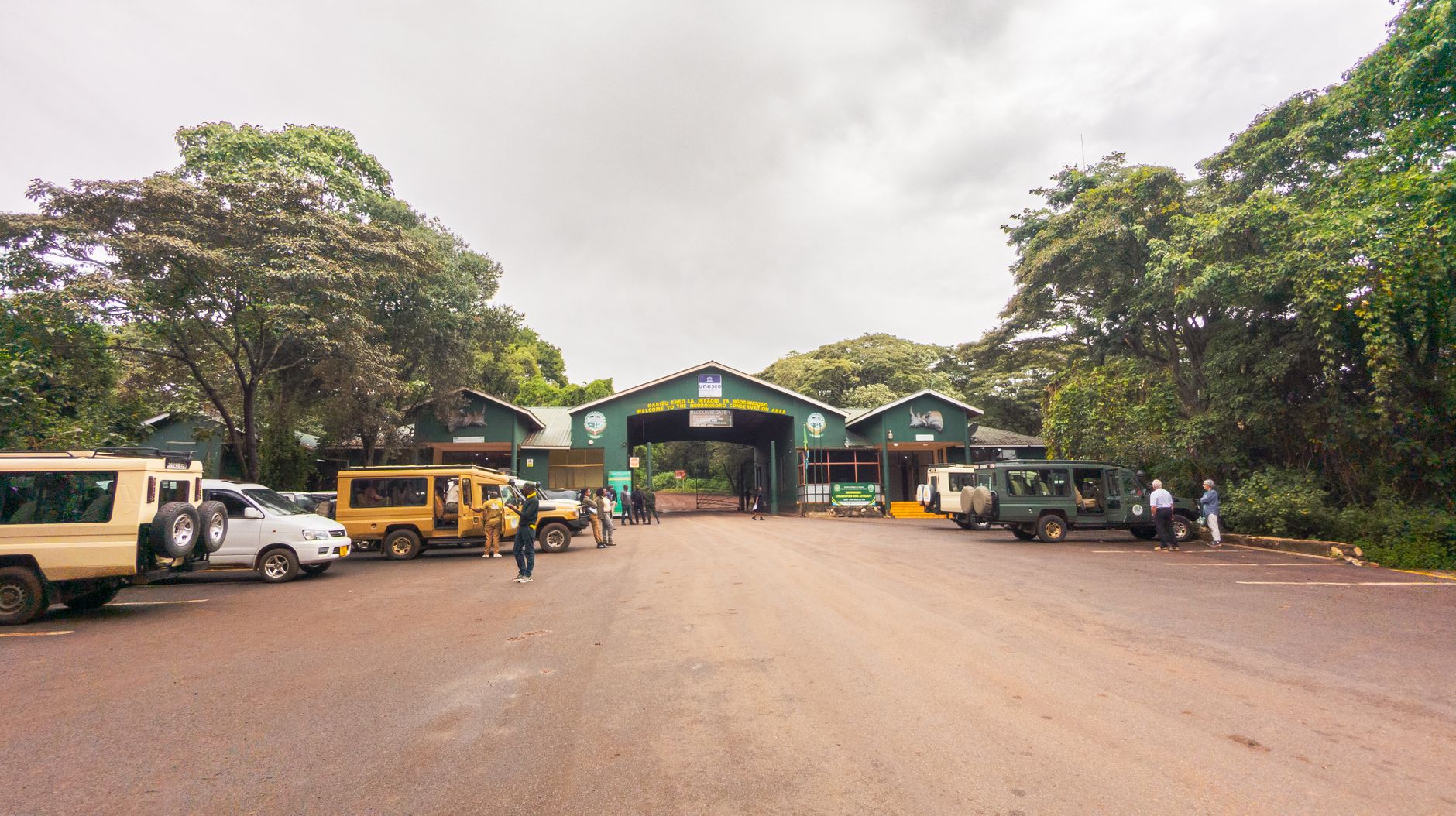
In 2019, the Tanzanian government carved the northern section into Nyerere National Park, placing it under the national parks authority. The two areas are still commonly discussed as one, and for most visitors travelling to the photographic lodges north of the Rufiji, the practical experience remains continuous.
Who and what shaped it
People who shaped it
Landmark buildings
See Selous Game Reserve in motion
Plan your visit
On the map
When to go
June through October brings dry, relatively cool conditions — July peaks around 31°C with almost no rain — and this is when wildlife viewing is at its sharpest. The wet season (November through May) is hotter and humid, with some roads becoming impassable, though the window from mid-January to mid-March offers a drier interlude that draws serious birders to the reserve's 440 recorded species.
Right now
Background & history adapted from Wikipedia (CC BY-SA) · specs from Wikidata (CC0) · weather from Open-Meteo · map data © OpenStreetMap contributors · photos from Wikimedia Commons / Unsplash with per-image credit. No third-party reviews or social posts reproduced.