
Selibe-Phikwe
Selibe-Phikwe rose from the Botswana woodland in the early 1970s because of what lay beneath it — a seam of nickel and copper ore that drew World Bank funding, international engineers, and thousands of workers to a patch of bush between two small villages. The town took its name from both of them: Selebi and Phikwe. For four decades the mine was the pulse of the place, and when it went onto care and maintenance in 2016, the town had to reckon with what it was without it.
What remains is a functional, unpretentious city with a surprising footnote: the Phikwe Marathon, which the IAAF has ranked among the best in the world, draws runners every year to roads that otherwise see little international traffic. Letsibogo Dam, part of a 400-kilometre pipeline that carries water all the way to Gaborone, sits near the village of Mmadinare and offers birdwatching and fishing on its quiet, rough-access shores.
💛 What travellers fall for
People who come back tend to come for the marathon — started in 1985 by Boet Kahts and a local teacher named Phill Roberts as a community gesture, it grew into something much larger. Stay at Cresta Bosele if you want reliability; for something quieter, Phokoje Bush Lodge is about seven kilometres out of town and puts you closer to the woodland.
Deals in Selibe-Phikwe
Book directly at the provider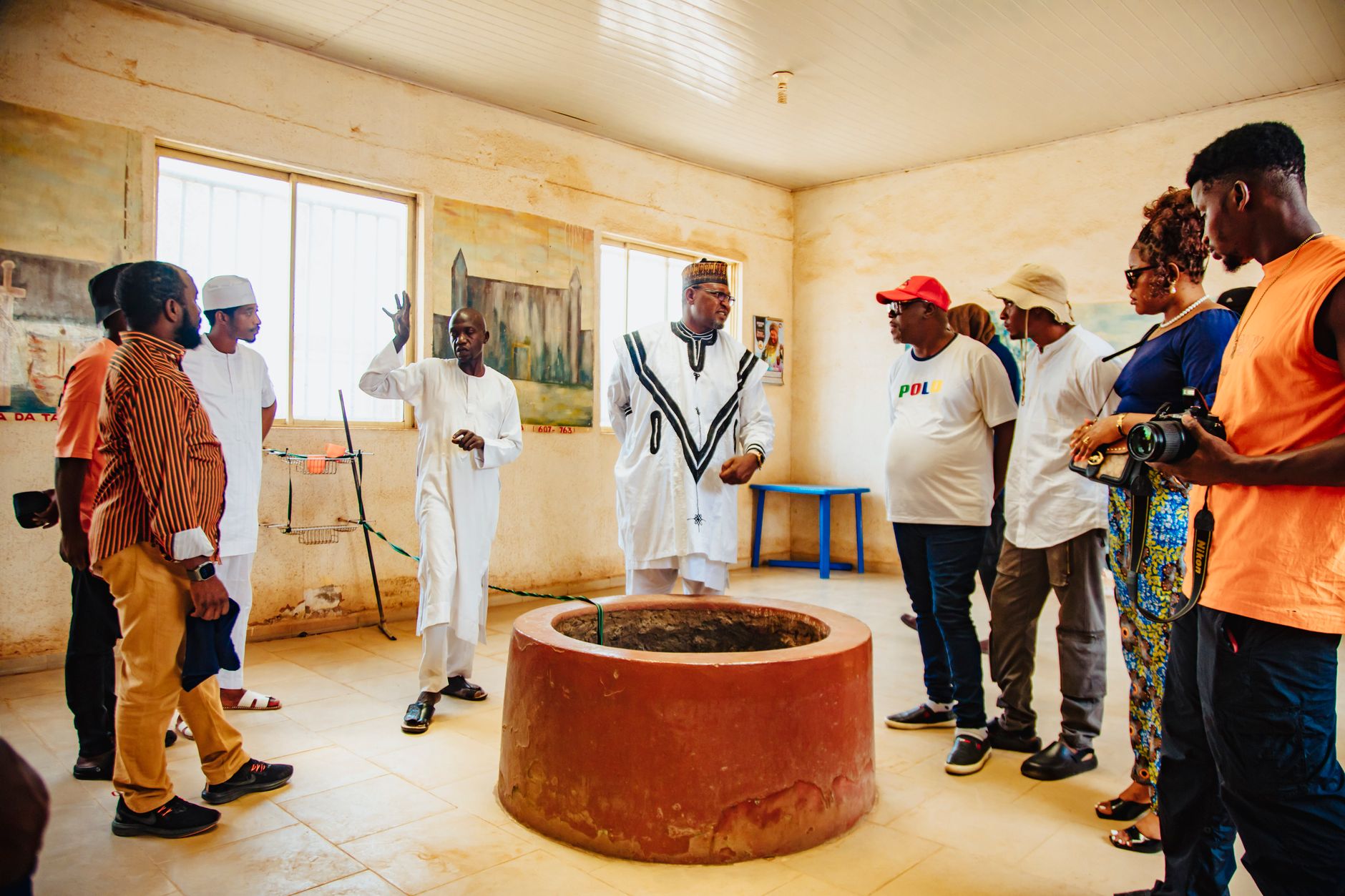
How Selibe-Phikwe came to be
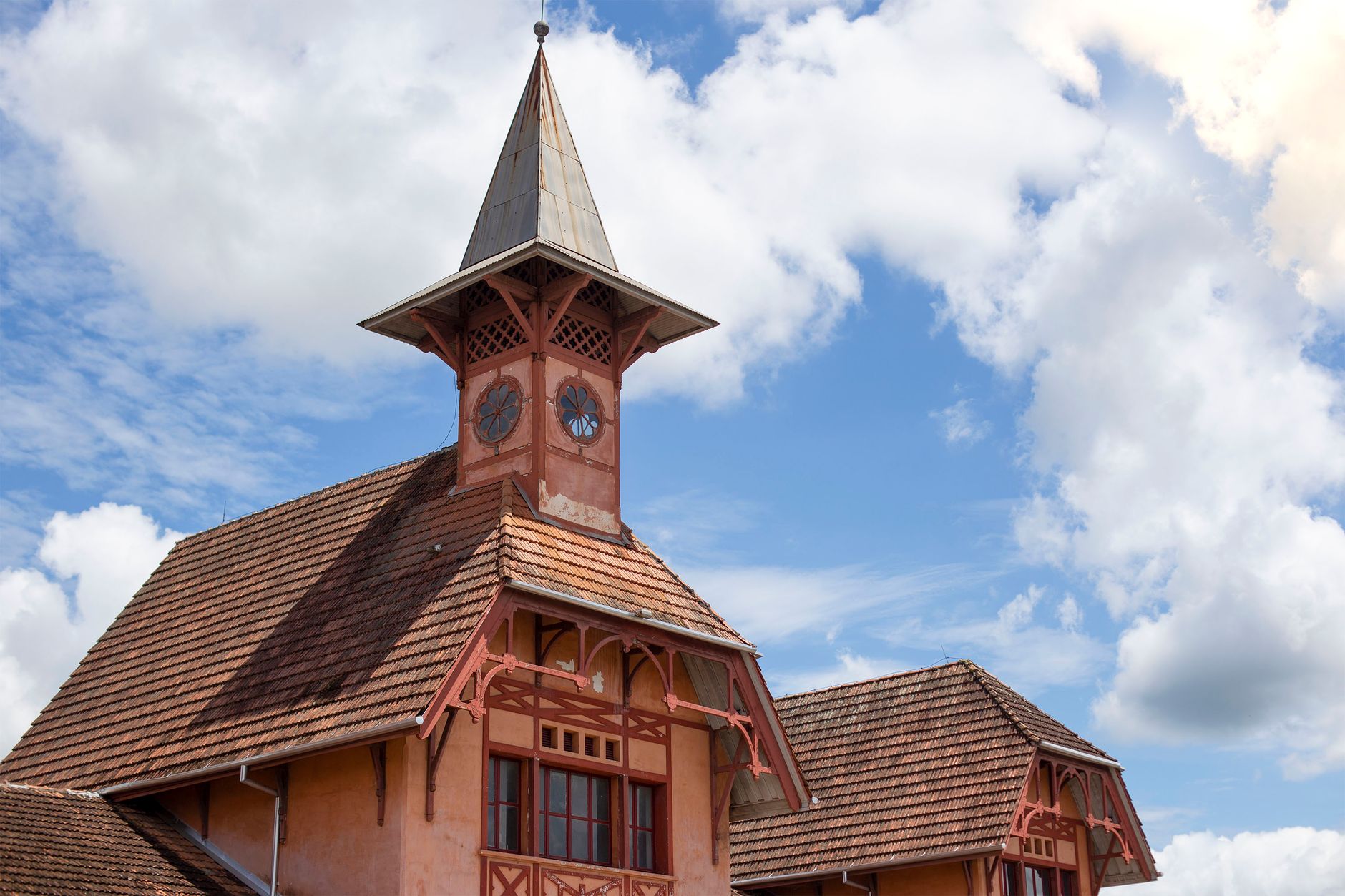
Before Selibe-Phikwe existed, there were two villages separated by woodland. In the 1960s, mineral surveys found nickel and copper beneath that ground, and the decision was made to build a town from scratch to extract it. The Botswana Roan Selection Trust, backed by the World Bank and international development agencies, constructed not just a mine but an integrated township — housing, electricity, water — on land between the villages whose names the new city would carry. Nickel mining began in 1973, and full copper-nickel production followed in 1974.
For over forty years the operation defined the city's economy and identity. In 2016, a failure at the offsite Phikwe processing facility ended production, and the mine was placed on care and maintenance. The industrial infrastructure is still visible around town — a reminder of how completely a single resource can shape a place, and how quietly a city continues when that resource stops.
Who and what shaped it
People who shaped it
Landmark buildings
See Selibe-Phikwe in motion
Plan your visit
On the map
When to go
The dry season from May to August is the most comfortable time to visit — warm days, cool nights that can occasionally dip to freezing at this elevation of 870 metres. If you're visiting in October through February, expect serious daytime heat alongside the rains that arrive from November onward.
Right now
Background & history adapted from Wikipedia (CC BY-SA) · specs from Wikidata (CC0) · weather from Open-Meteo · map data © OpenStreetMap contributors · photos from Wikimedia Commons / Unsplash with per-image credit. No third-party reviews or social posts reproduced.