
Sassari
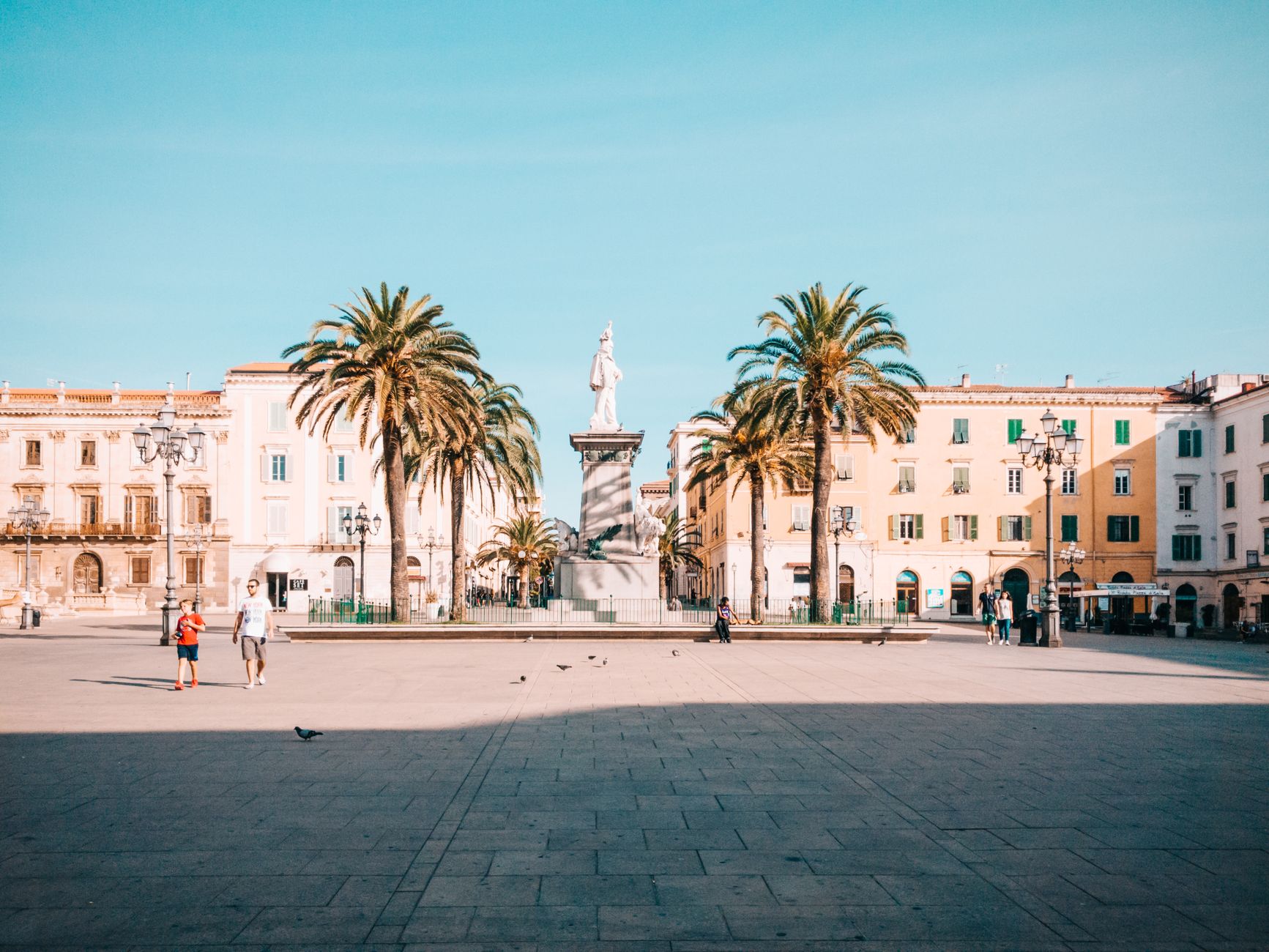
Sassari announces itself through stone. The old city's lanes converge on Piazza d'Italia, where a Neoclassical Palazzo della Provincia faces a Neo-Gothic counterpart across a square that feels too grand for a city this size — which is precisely the point. Sassari spent centuries accumulating ambition: as a medieval republic, a Genoese ally, an Aragonese prize, a Spanish administrative capital. The architecture absorbed all of it.
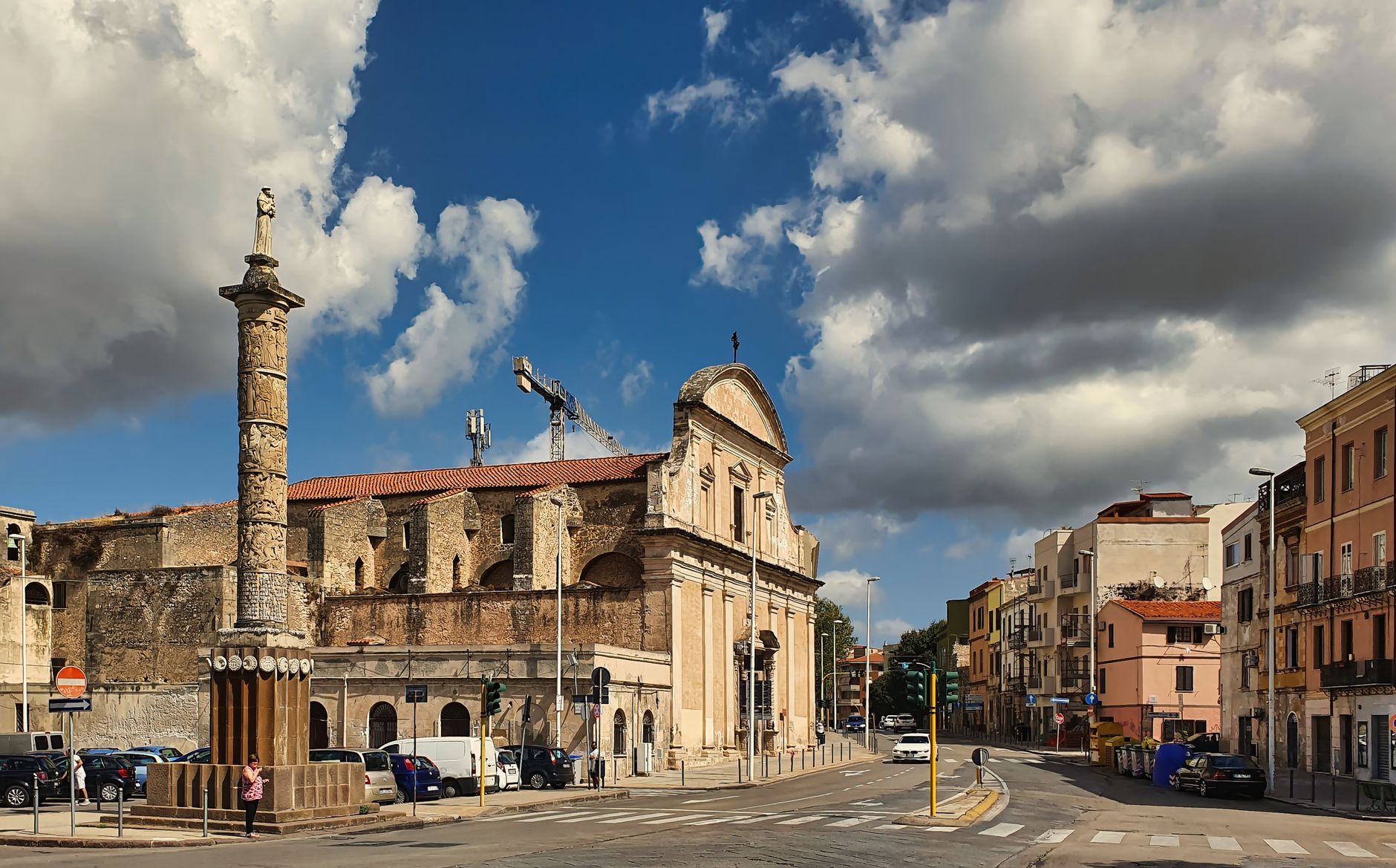
This is Sardinia's second city, and it wears that status lightly. The Fountain of the Rosello, carved by Genoese craftsmen in 1606, still runs in a sunken piazza below the old walls. The Cathedral of St. Nicholas has been rebuilt and enlarged so many times that Catalan Gothic arches sit beside a Baroque facade without apology. Two or three days here will not feel like enough.
💛 What travellers fall for
People who return to Sassari tend to mention the same things: the way the Rosello fountain looks at dusk when the tourist traffic drops, and lunch somewhere near Piazza Tola where the menu is handwritten. The Palazzo D'Usini — the finest civilian Renaissance building on the island, now a public library — is almost always empty, and that, they say, is the point.
Deals in Sassari
Book directly at the provider
How Sassari came to be
The settlement first appears by name — Jathari — in monastery records from 1131. By 1294 it had its own statutes and the structure of a functioning commune, and by 1275 Pisa was treating it as a free city. That freedom was hard-won and short-lived: Sassari shifted between Pisan and Genoese influence, ceded to Genoa after the naval battle of Meloria in 1284, and in 1391 briefly became the last capital of the Giudicato of Arborea before the whole island was sold to the Crown of Aragon in 1420 for 100,000 florins.
The Spanish centuries left their mark in the Catalan Gothic of the cathedral and in the founding, by the Jesuits in 1562, of Sardinia's first university — the same year a printing press arrived in the city. Plague struck in 1528 and again in 1652. The old Aragonese castle, which had anchored the city's skyline for centuries, was demolished in 1877 and replaced with a military barracks; its ruins were only rediscovered beneath the ground in 2008.
Who and what shaped it
People who shaped it
Landmark buildings
See Sassari in motion
Plan your visit
On the map
When to go
Winters are mild but genuinely rainy, with February averaging around 8.5°C. Summers are hot and dry, peaking around 25°C in July. The most comfortable months for walking the historic center are April through June and September through October.
Right now
Background & history adapted from Wikipedia (CC BY-SA) · specs from Wikidata (CC0) · weather from Open-Meteo · map data © OpenStreetMap contributors · photos from Wikimedia Commons / Unsplash with per-image credit. No third-party reviews or social posts reproduced.