
Santa Cruz de Tenerife
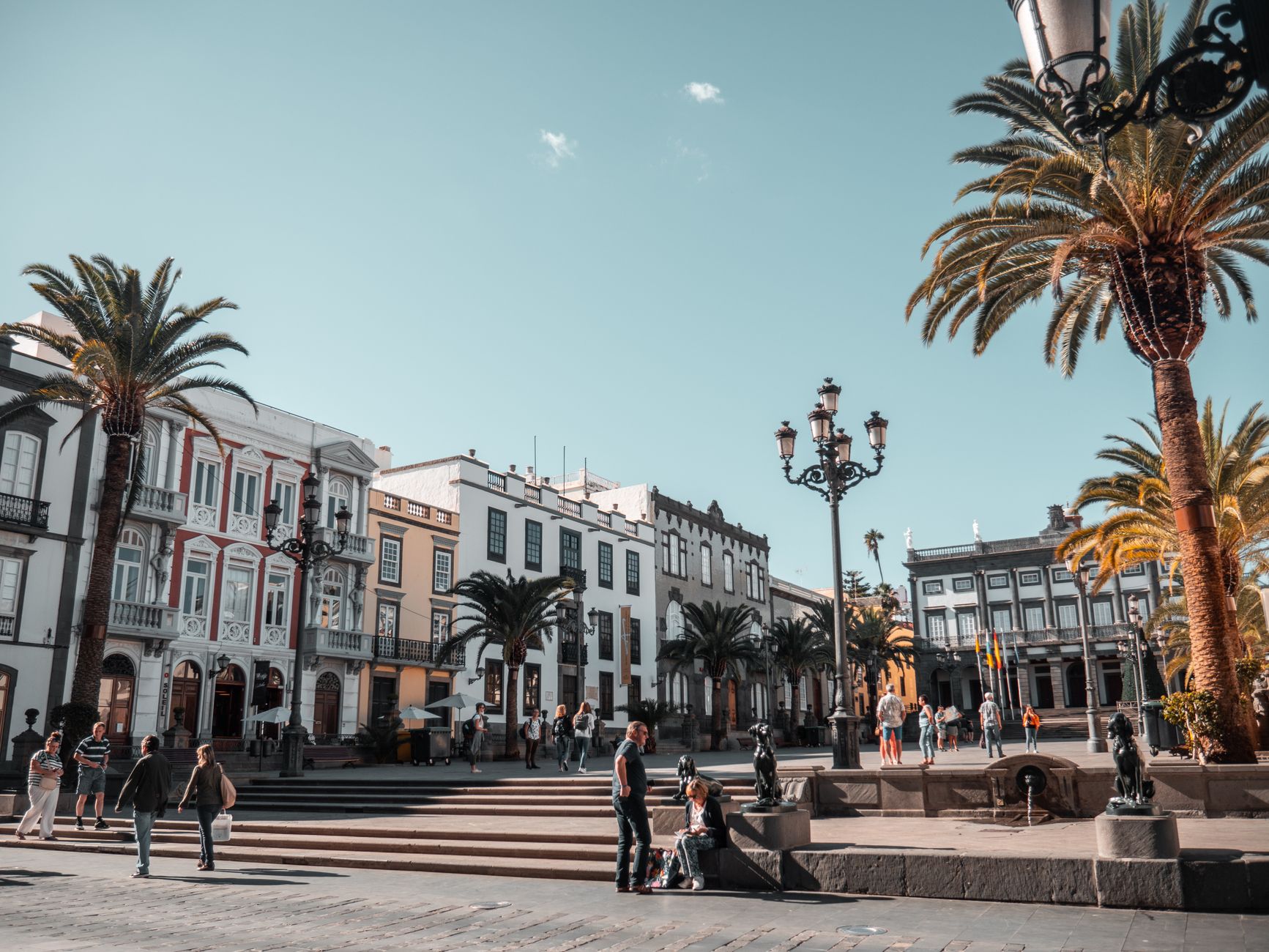
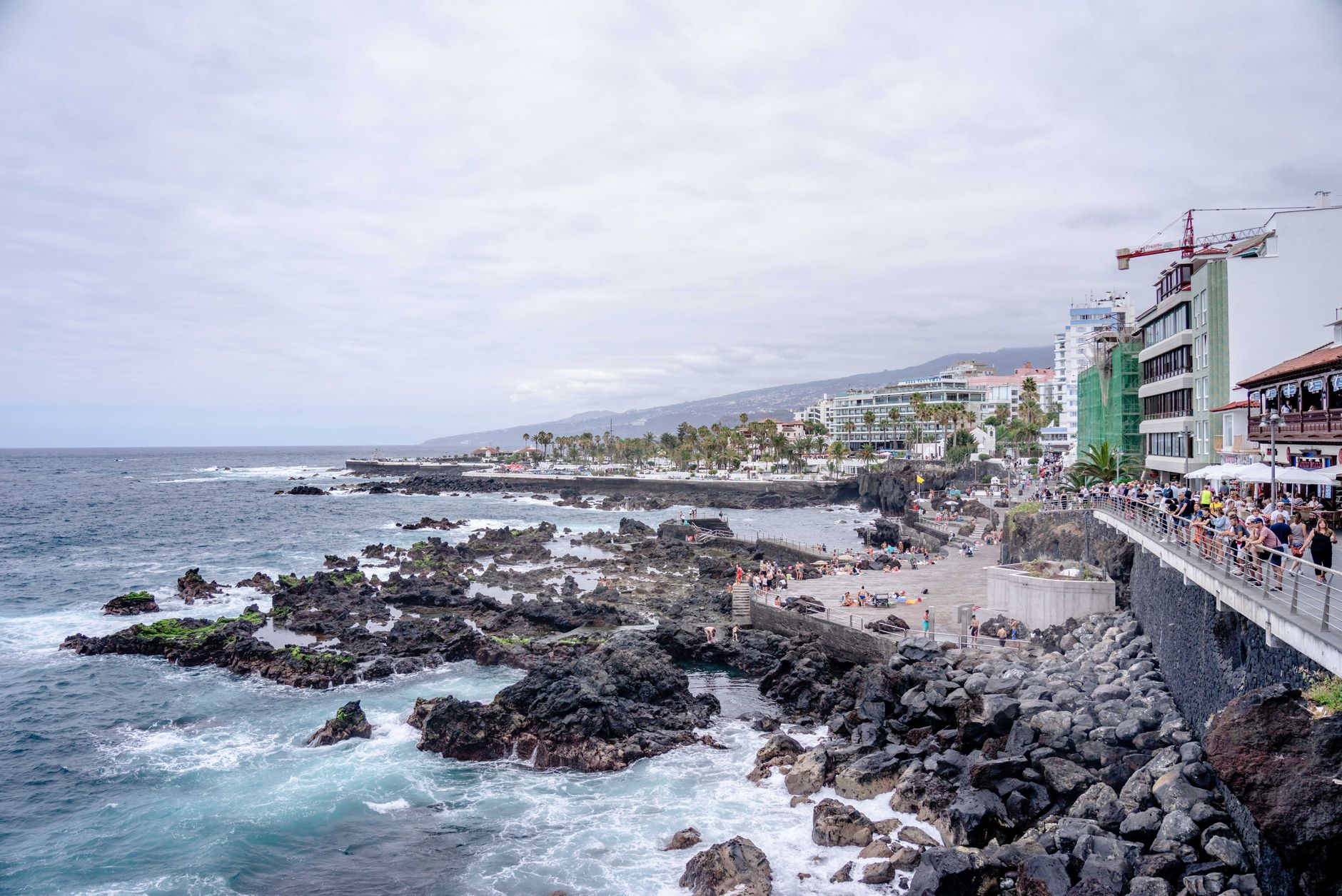

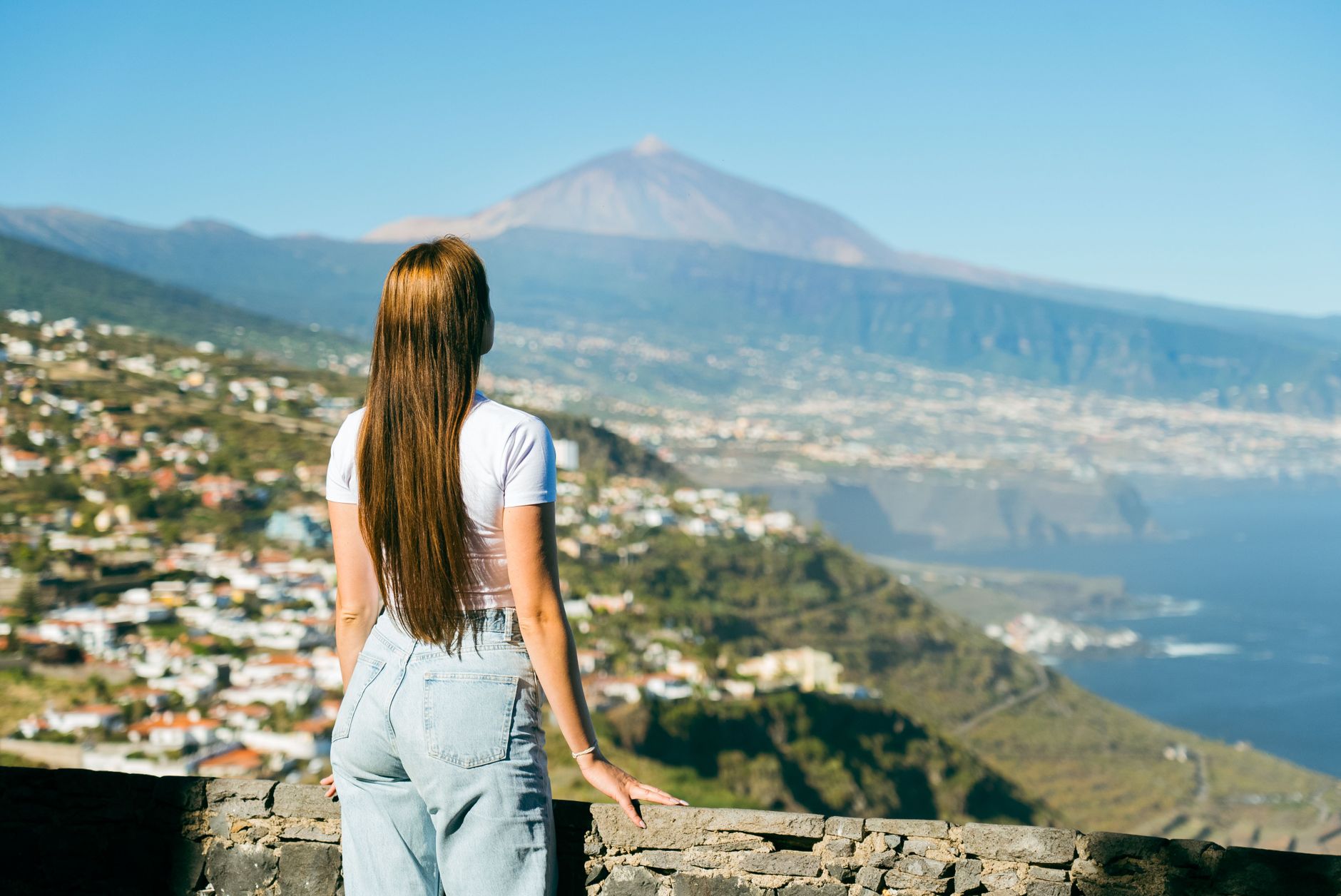
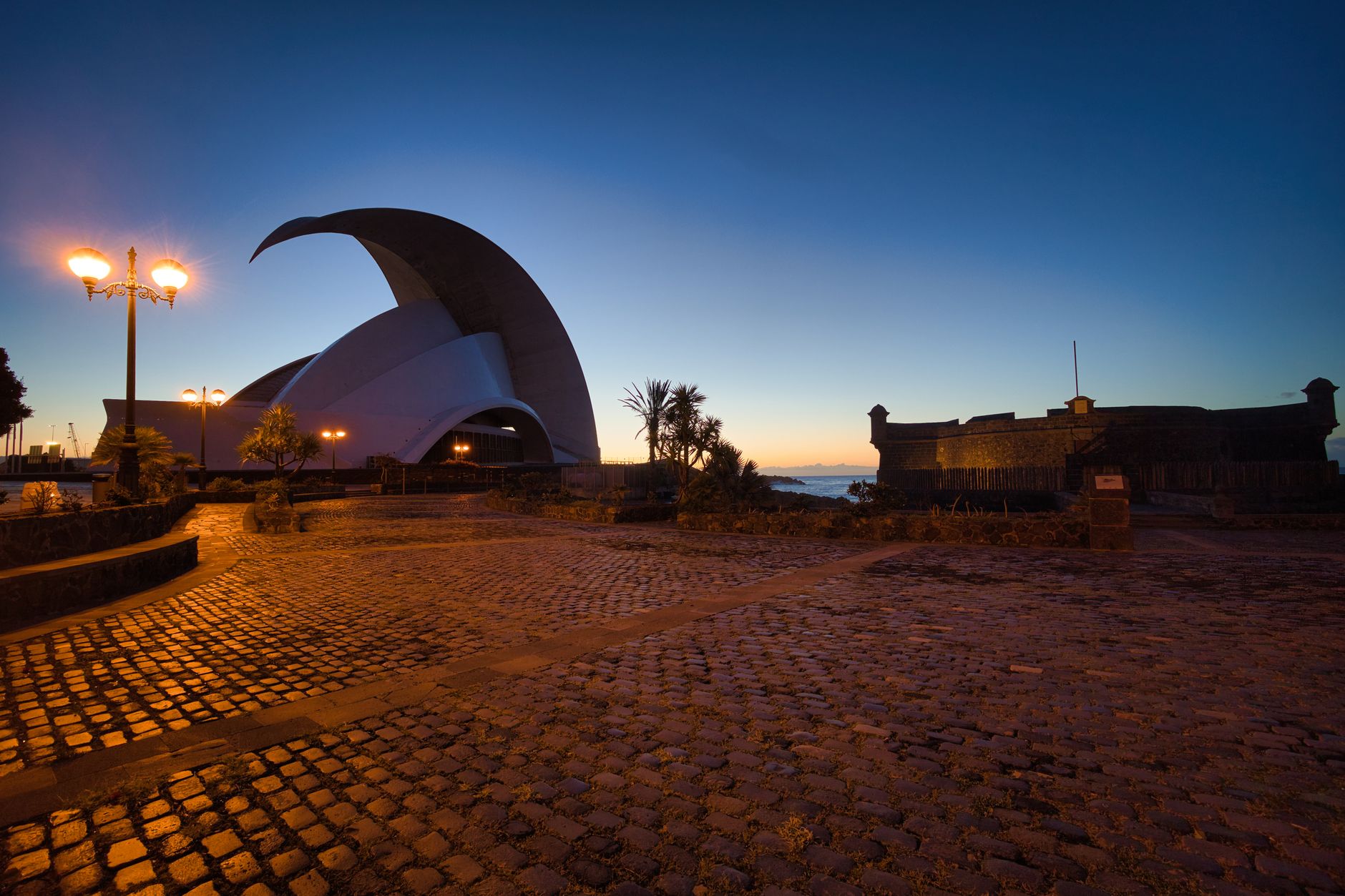
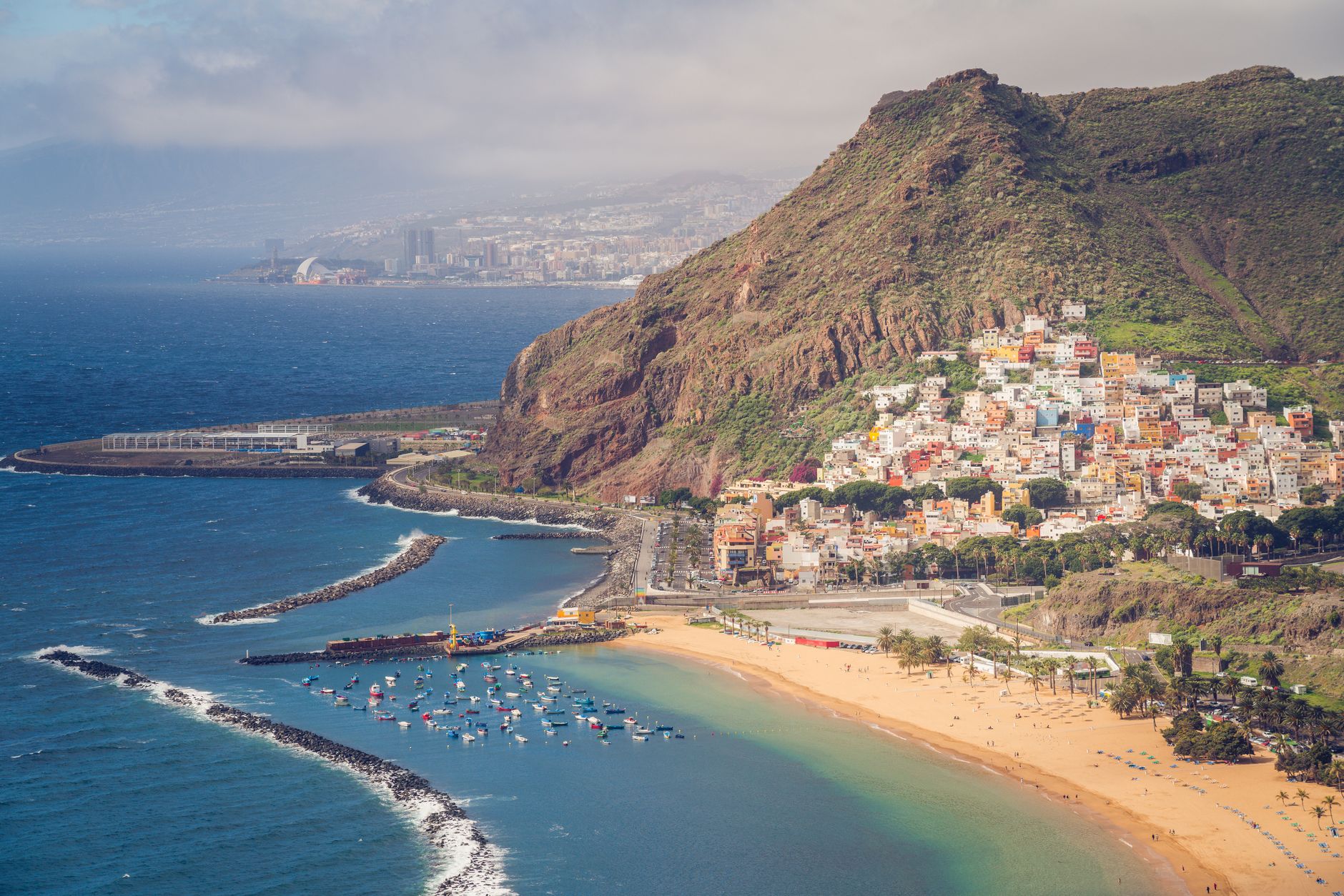
Santa Cruz de Tenerife sits on the northeastern shoulder of the island, facing the Atlantic with a working port at its feet and a skyline punctuated by Santiago Calatrava's auditorium — a white concrete arc that reads, depending on the light, like a wave or a sail. It is the capital of the province and one of two co-capitals of the Canary Islands, which means it carries real administrative weight alongside its street life.
The city runs on a rhythm you can read quickly: ferry traffic in the morning, a long lunch taken seriously, Carnival season that turns the calendar inside out each February. The historic centre is compact enough to cover on foot, but the layers — Guanche settlement, Spanish conquest, Atlantic trade, mid-century modernism — reward slower movement.
How Santa Cruz de Tenerife came to be
On 3 May 1494 — the Catholic feast of the Invention of the Cross — the Castilian conquistador Alonso Fernández de Lugo landed here, planted a large wooden cross, and established the military camp that became Santa Cruz. The land had been part of the Guanche kingdom of Anaga, with human settlement stretching back roughly two thousand years. The original silver cross Lugo planted is still kept in the Iglesia de Nuestra Señora de la Concepción, a five-nave church whose bell tower carries a faint minaret silhouette.
The city grew in strategic importance through its port. In 1723 it displaced San Cristóbal de La Laguna as capital of Tenerife, and in 1797 the British naval commander Horatio Nelson led an unsuccessful assault on the city — losing his right arm in the attempt. By 1859 it held full city status, and by 1927 it shared the role of Canary Islands capital with Las Palmas de Gran Canaria, an arrangement that continues today.
Who and what shaped it
People who shaped it
Landmark buildings
See Santa Cruz de Tenerife in motion
Plan your visit
On the map
When to go
The Canary Islands' latitude keeps Santa Cruz mild year-round — warm winters around 18–20°C, summers that climb into the low 30s but are tempered by Atlantic trade winds. Rain is rare but most likely between November and February; the rest of the year runs dry and sunny.
Right now
Background & history adapted from Wikipedia (CC BY-SA) · specs from Wikidata (CC0) · weather from Open-Meteo · map data © OpenStreetMap contributors · photos from Wikimedia Commons / Unsplash with per-image credit. No third-party reviews or social posts reproduced.