
Santa Catalina
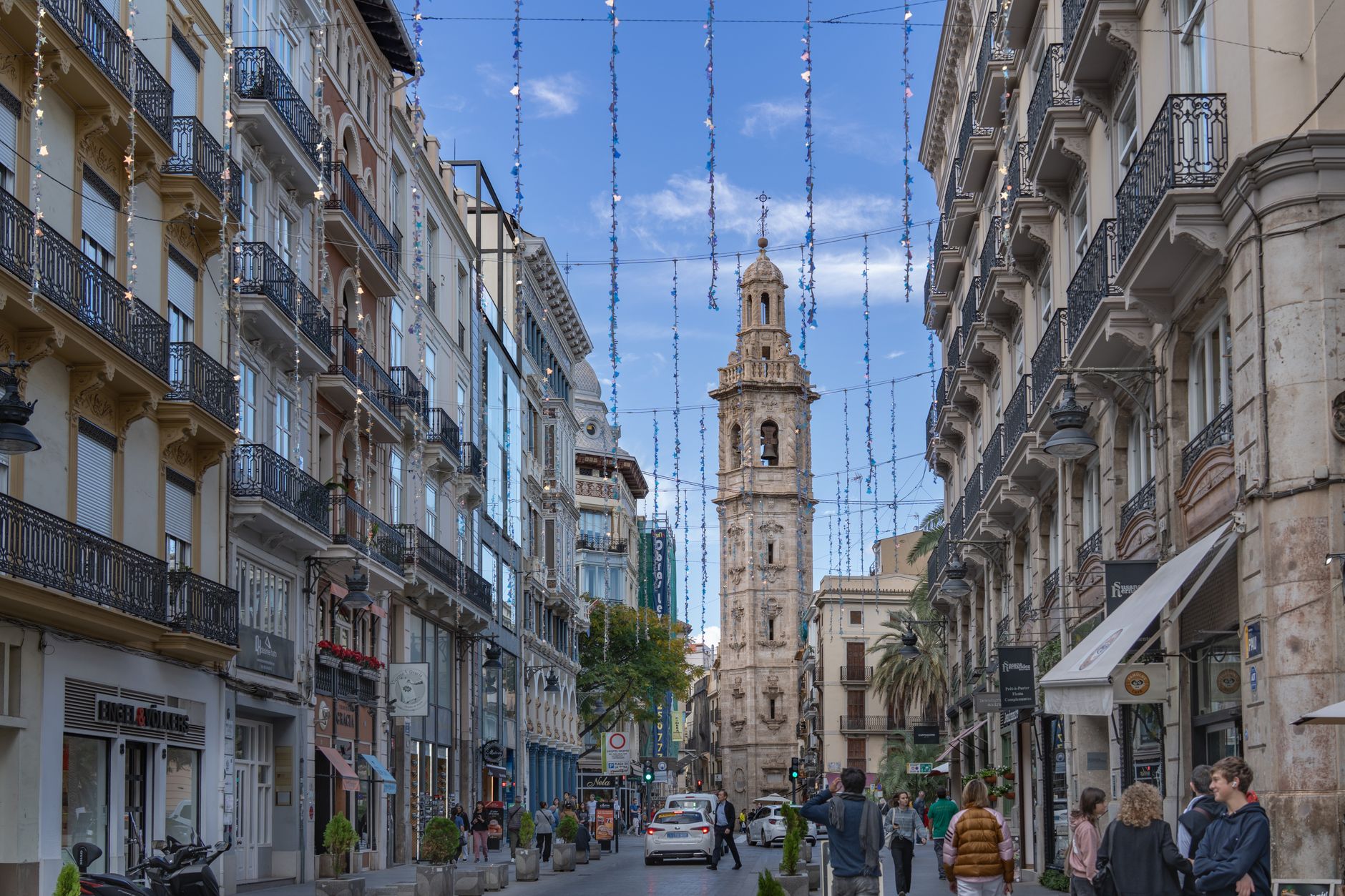
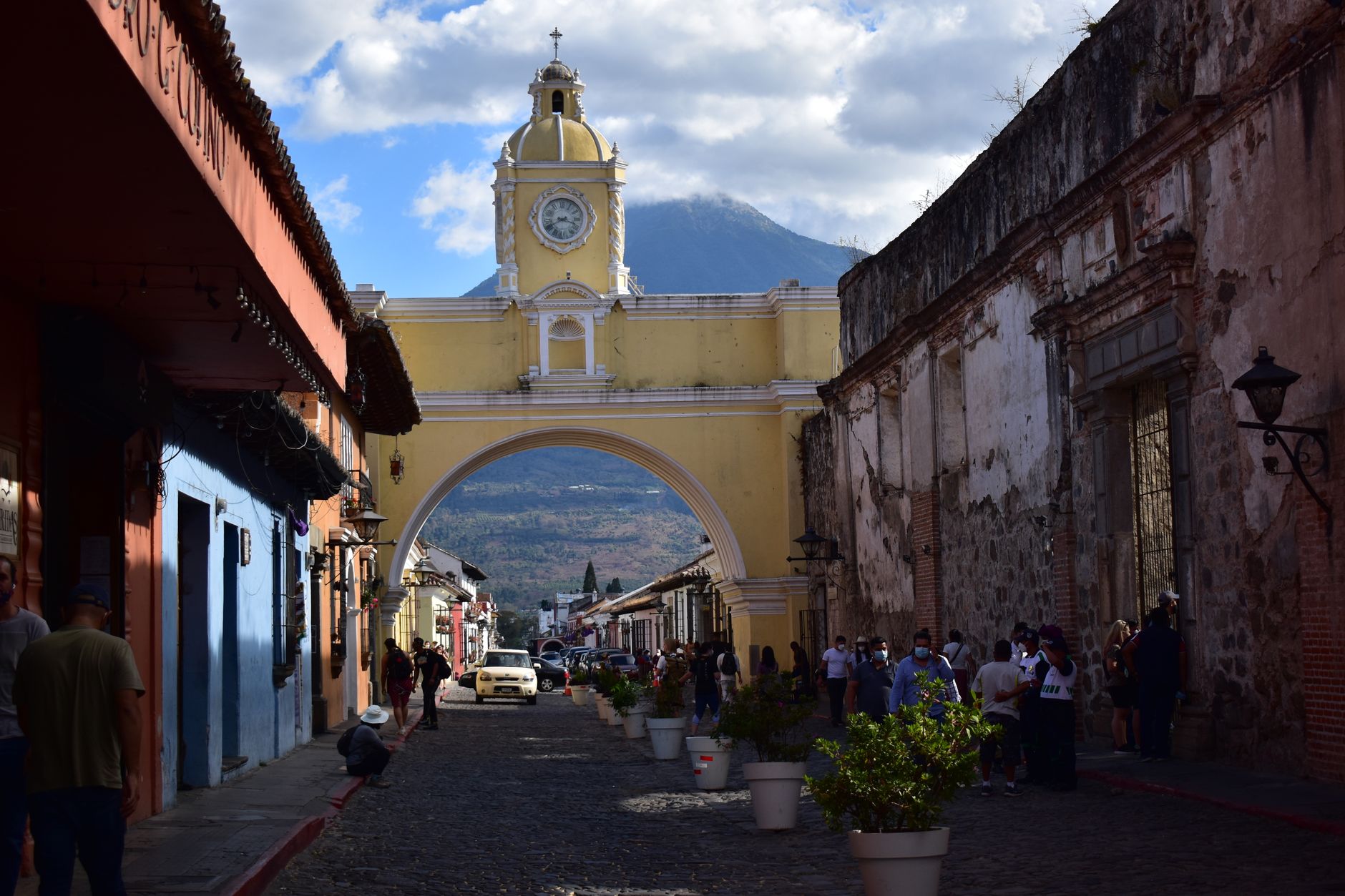
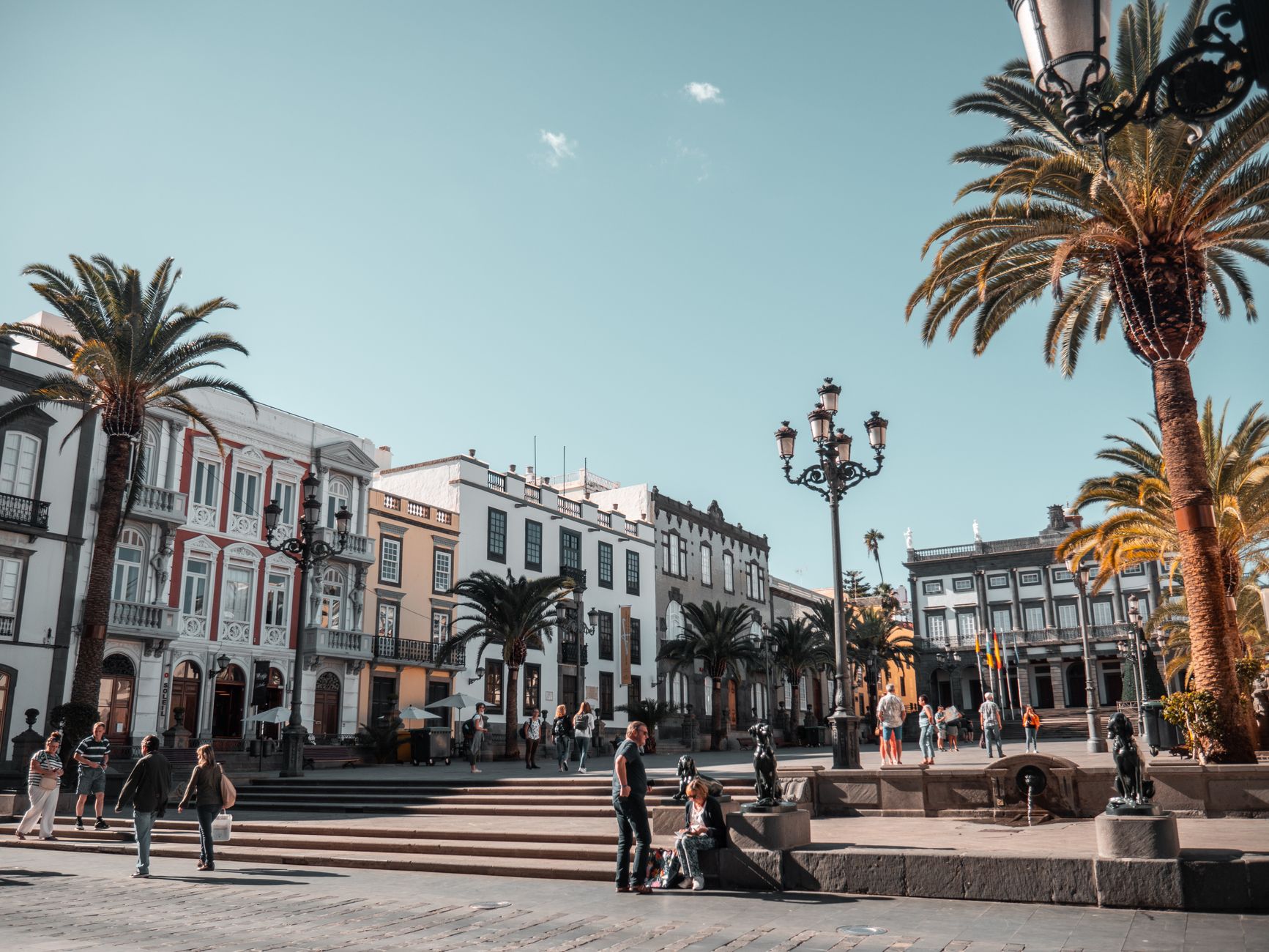
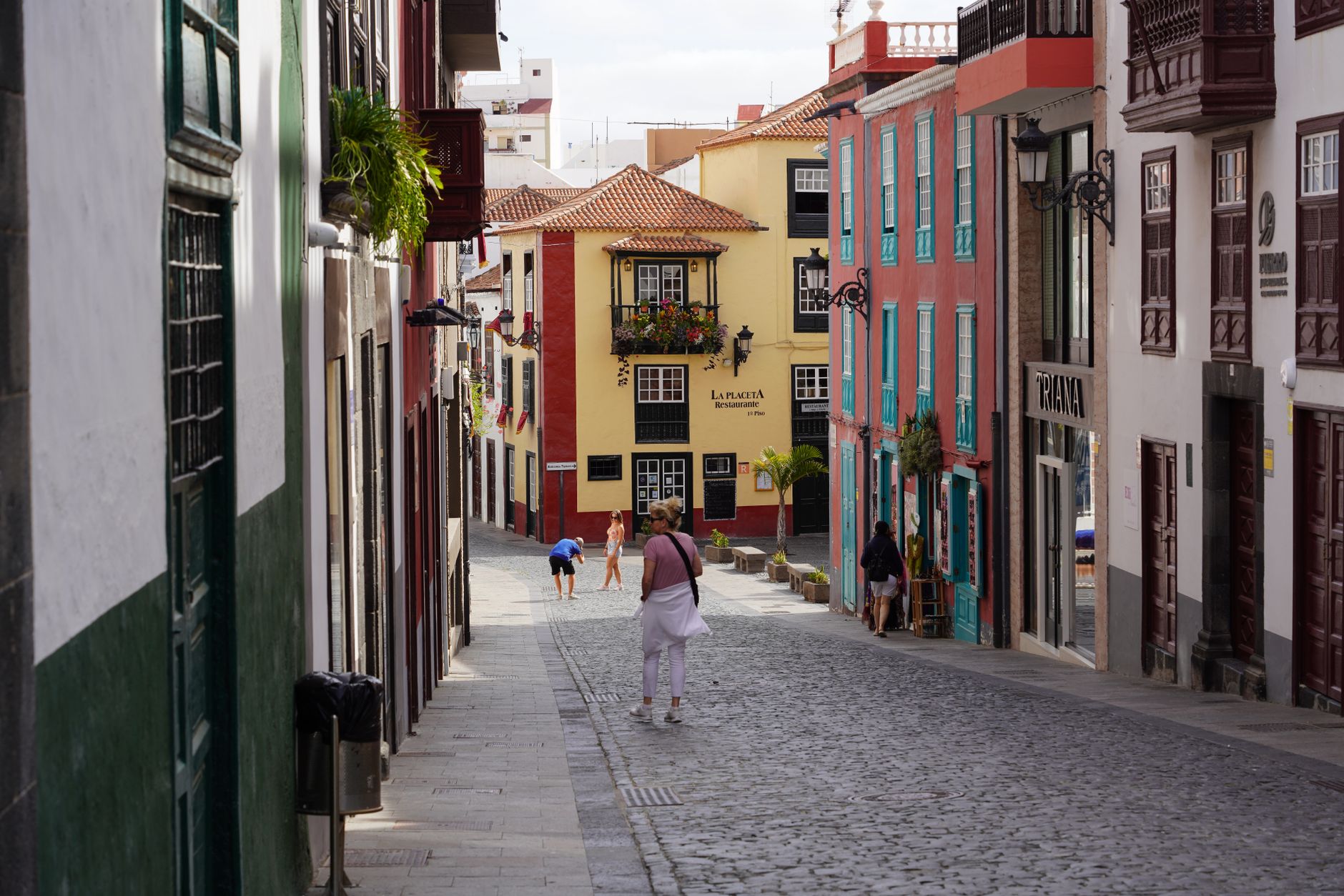

On Saturday mornings, Santa Catalina runs on a particular rhythm: locals dragging wheeled trolleys through the Mercat, pausing at the cheese stall, then pulling up a stool somewhere along Carrer de Giralt el Pellisser with a caña and no particular hurry. This is Palma's oldest market neighbourhood, and it carries that seniority lightly.
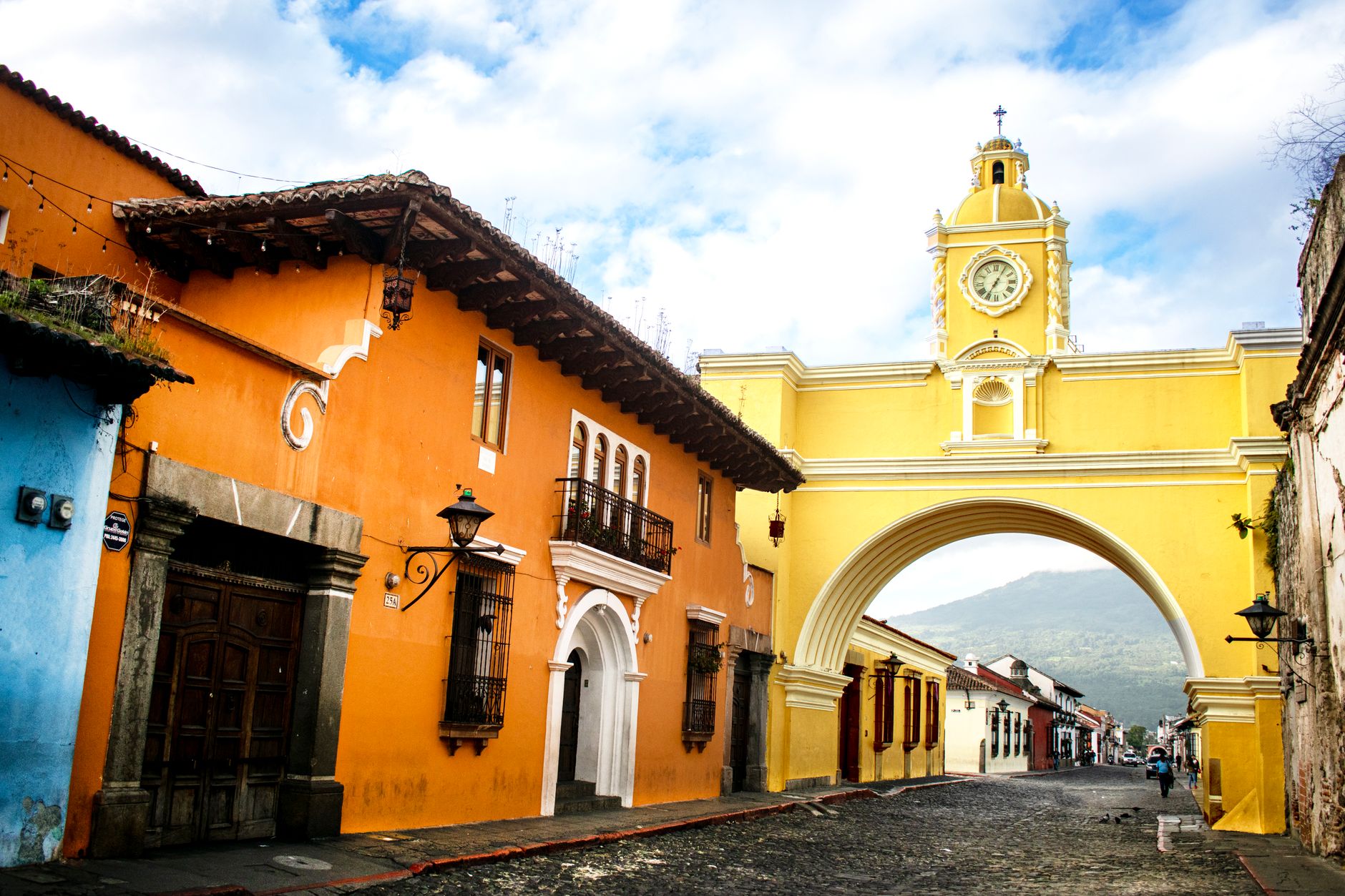
The houses here are painted in the faded ochres and terracottas of the western Mediterranean, with heavy timber shutters and balconies narrow enough to hold a single pot of geraniums. A decade ago many of those shutters stayed closed. Now almost every building has been restored, and the neighbourhood runs from Saturday market to Saturday tardeo — cava, sushi and early-opening clubs — without losing the sense that the fishermen who first settled here would still recognise the street plan.
💛 What travellers fall for
People who keep coming back to Santa Catalina tend to arrive at the Mercat mid-morning on a weekday, when the fish counter is freshest and the crowds haven't built. The stall at the corner of Carrer Anníbal is worth a slow circuit. Then lunch somewhere on Giralt el Pellisser, where the independent wine bars outnumber the chains by a comfortable margin.
Deals in Santa Catalina
Book directly at the provider

How Santa Catalina came to be
Santa Catalina's origin story is specific enough to feel invented, but the records hold: in 1343, a shipwreck survivor named Ramon Salelles built a hospital here in honour of Saint Catherine of Alexandria, patron of sailors and merchants. Before that, the area was known as El Jonquet — named for the reed thickets that grew along the shoreline — and it was settled by the fishermen and craftsmen who worked the sea trade out of Palma's port.
By the late nineteenth and early twentieth centuries, the neighbourhood had grown prosperous enough for modernist architecture, including the Mar i Terra theatre. Then came a long decline — dark streets, abandoned houses, a reputation the rest of Palma quietly avoided. The restoration that followed has been thorough enough that you'd barely know it, which is either a success or a small loss, depending on what you value in a neighbourhood.
Who and what shaped it
Landmark buildings
See Santa Catalina in motion
Plan your visit
On the map
When to go
Santa Catalina sits in a full Mediterranean climate: summers are warm and dry, with August averaging around 26°C, while January rarely drops below 10°C. Spring and autumn are the most comfortable seasons for walking the streets at length.
Right now
Background & history adapted from Wikipedia (CC BY-SA) · specs from Wikidata (CC0) · weather from Open-Meteo · map data © OpenStreetMap contributors · photos from Wikimedia Commons / Unsplash with per-image credit. No third-party reviews or social posts reproduced.