
Santa Ana
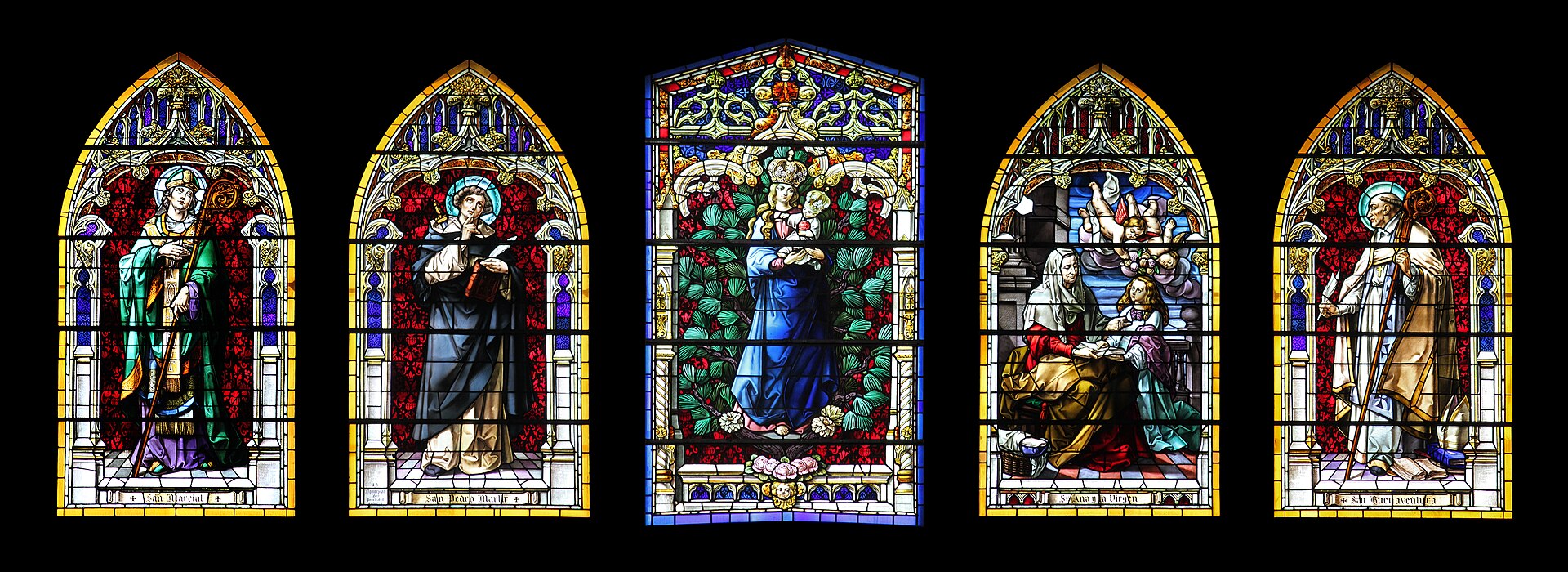
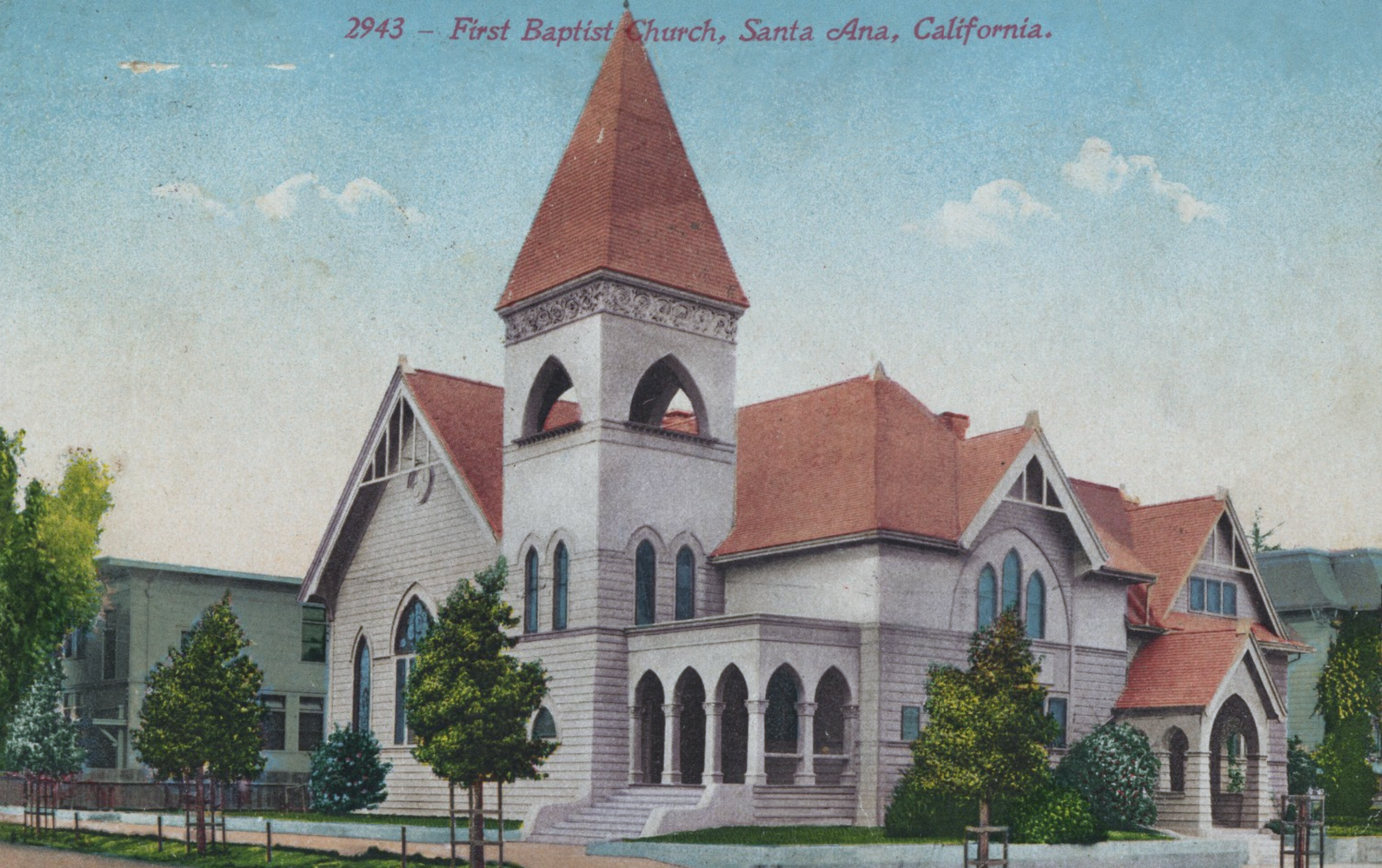
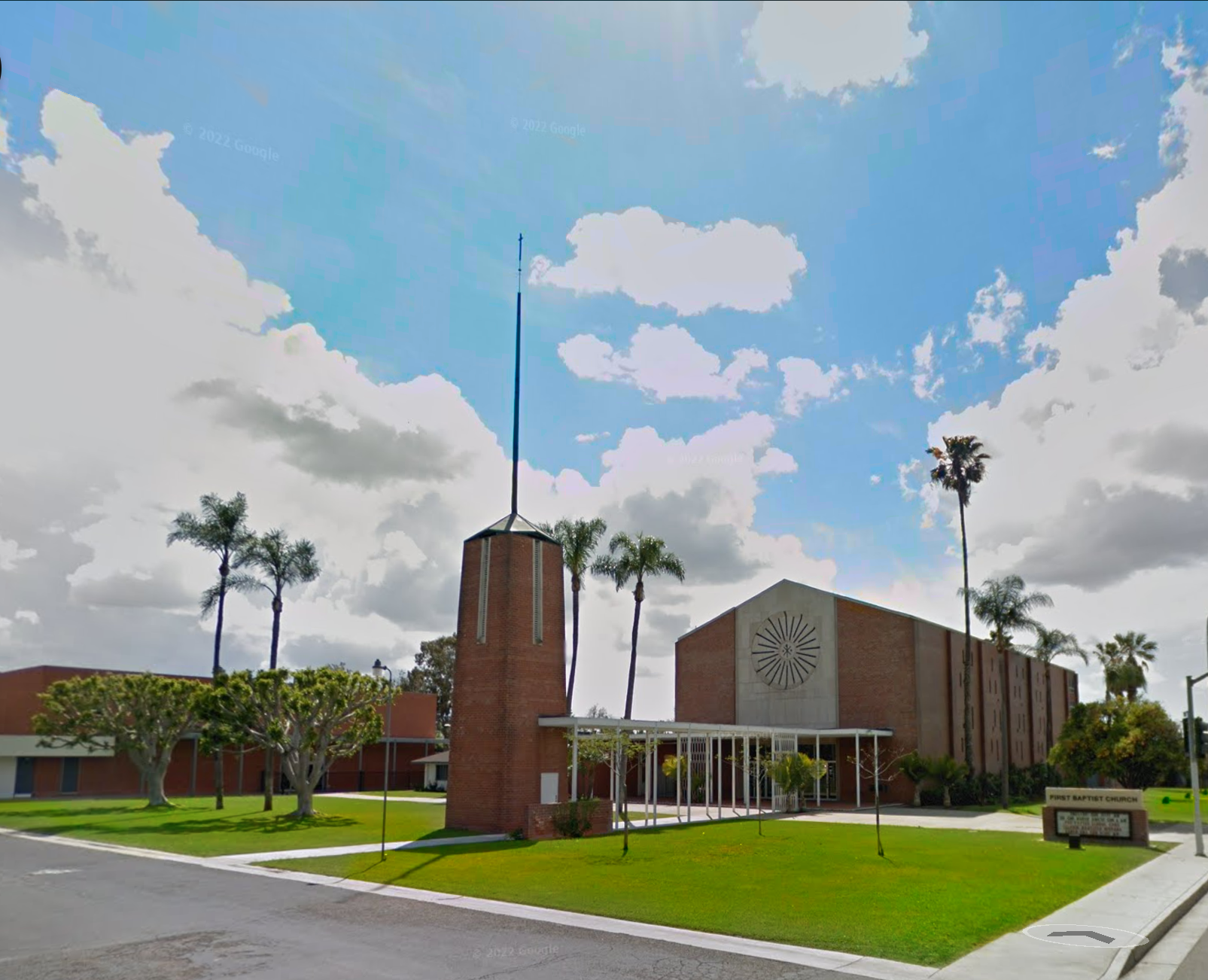
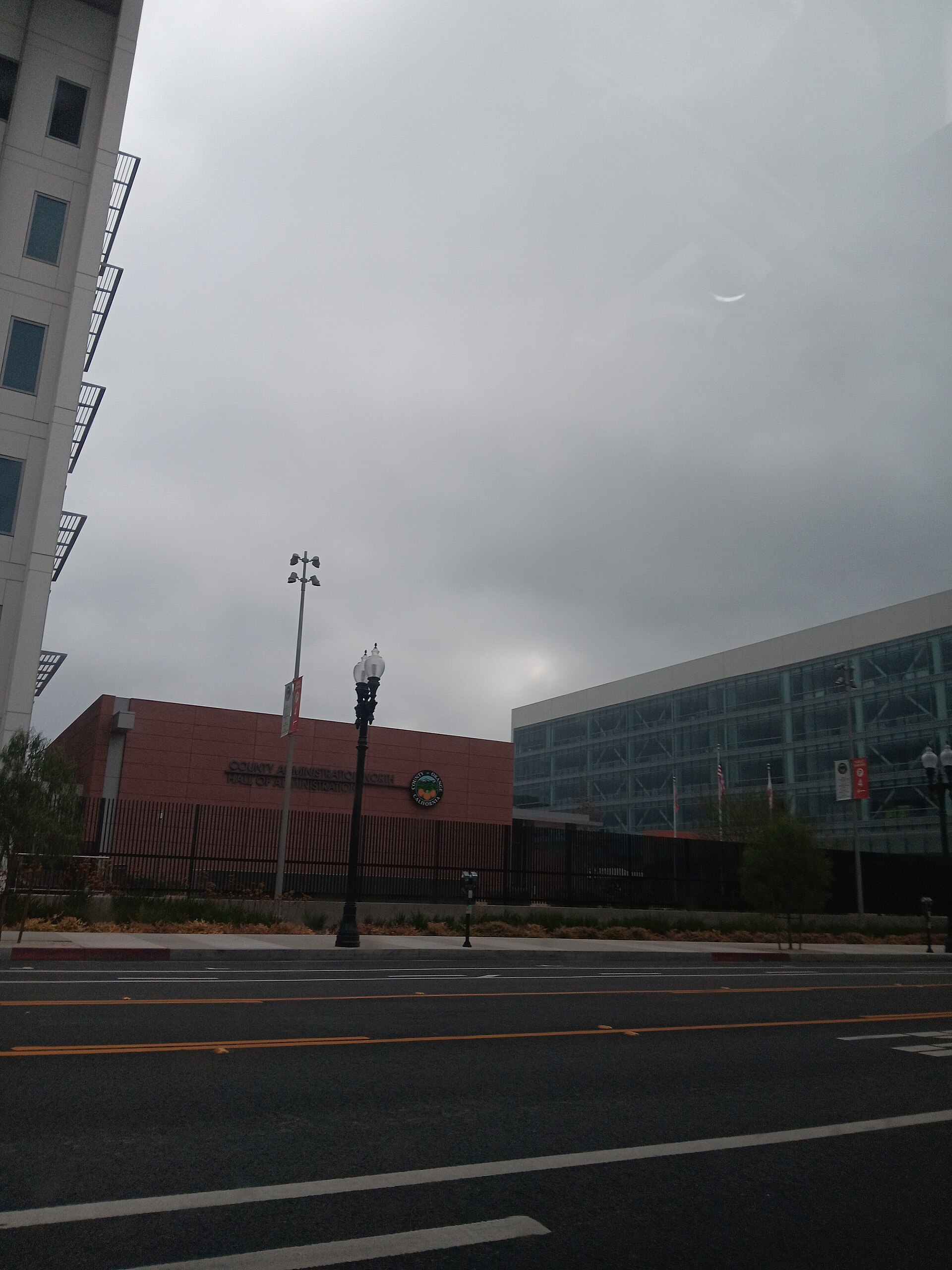
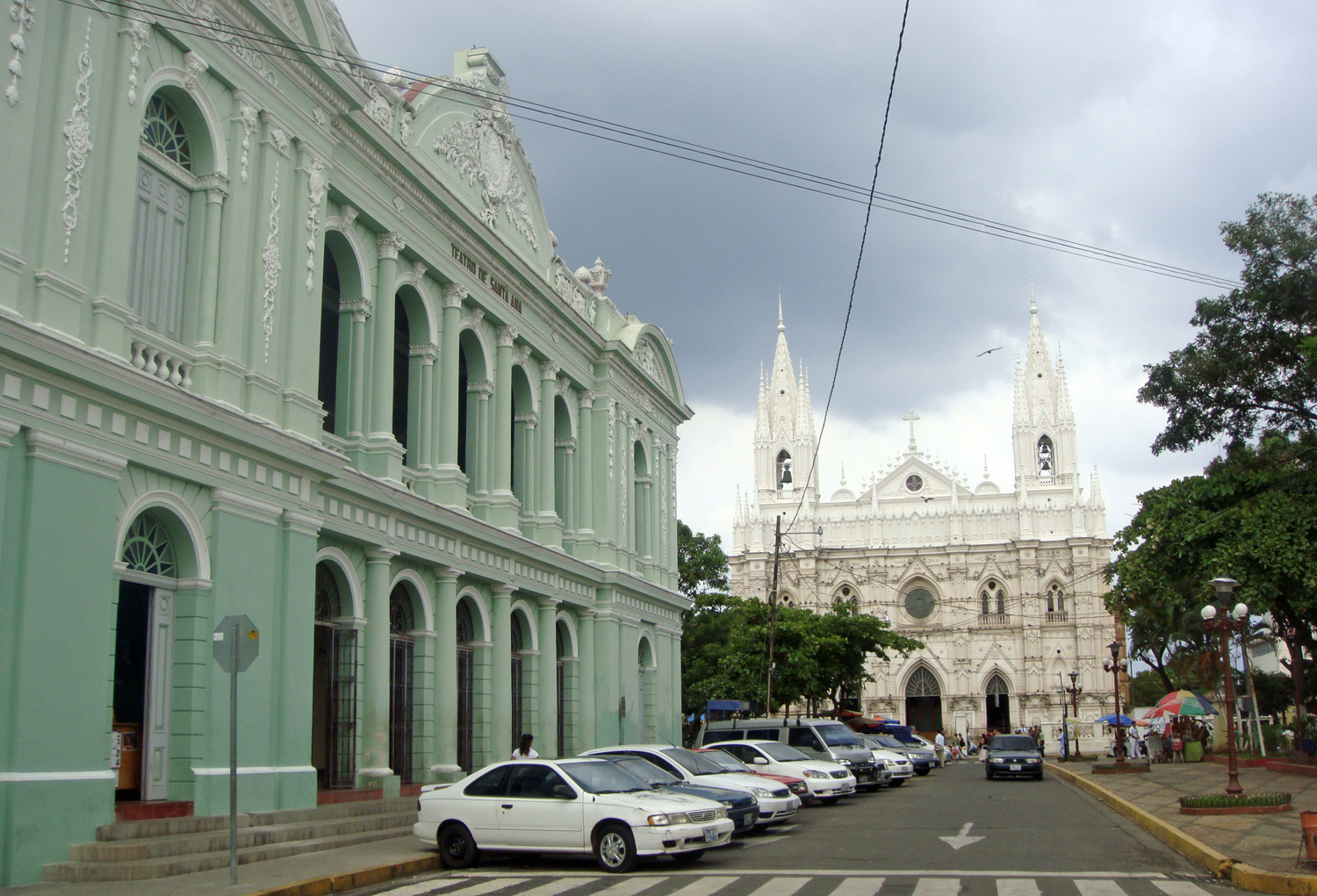
El Salvador's second city announces itself through its central square: the neo-Gothic cathedral on one side, a French neoclassical theater on another, city hall on a third — all built within a few decades of each other when coffee money was remaking the country. That concentration of civic ambition in a single plaza, Parque Libertad, tells you something about what Santa Ana was and still is.
At 665 metres above sea level, the air runs cooler than the capital, and the pace follows. The surrounding volcanic soil produces some of El Salvador's finest Bourbon and Pacas coffee beans, and the city's pupuserías turn out the staple for under a dollar. Most of the places Yeppa lists nearby — Tazumal, Lago de Coatepeque, Volcán Santa Ana — are within an hour of here, making the city a natural base for the western highlands.
How Santa Ana came to be
The site was already old when the Spanish arrived. Poqomam Maya settled here in the classical period; by 1200 the Pipil had taken it and called it Sihuatehuacán — place of priestesses. Spanish conquest came between 1530 and 1540, and on July 26, 1569, Bishop Bernardino Villalpando renamed the settlement Santa Ana. It grew steadily, gaining town status in November 1812 and city status in 1824.
The moment that defined local identity came in 1894, when forty-four rebels from the municipality overthrew the dictator Carlos Ezeta — an act that earned Santa Ana the nickname la ciudad heroica. Coffee revenues funded the theater in 1912 and underwrote the cathedral's long construction, which ran from 1906 to 1959. The civil war years of 1980–1992 left their mark too, including a fierce FMLN attack in early 1981, though the historic centre — some 210 buildings — came through largely intact.
Who and what shaped it
People who shaped it
Landmark buildings
See Santa Ana in motion
Plan your visit
On the map
When to go
Santa Ana's elevation keeps temperatures in the low-to-mid thirties Celsius rather than the punishing heat of the coast; January is the sunniest month, with over ten hours of daylight, and humidity drops to its lowest in February. September brings the year's heaviest rains and highest humidity, so the dry season from November through April is the window most visitors choose.
Right now
Background & history adapted from Wikipedia (CC BY-SA) · specs from Wikidata (CC0) · weather from Open-Meteo · map data © OpenStreetMap contributors · photos from Wikimedia Commons / Unsplash with per-image credit. No third-party reviews or social posts reproduced.