
Sanlúcar de Barrameda
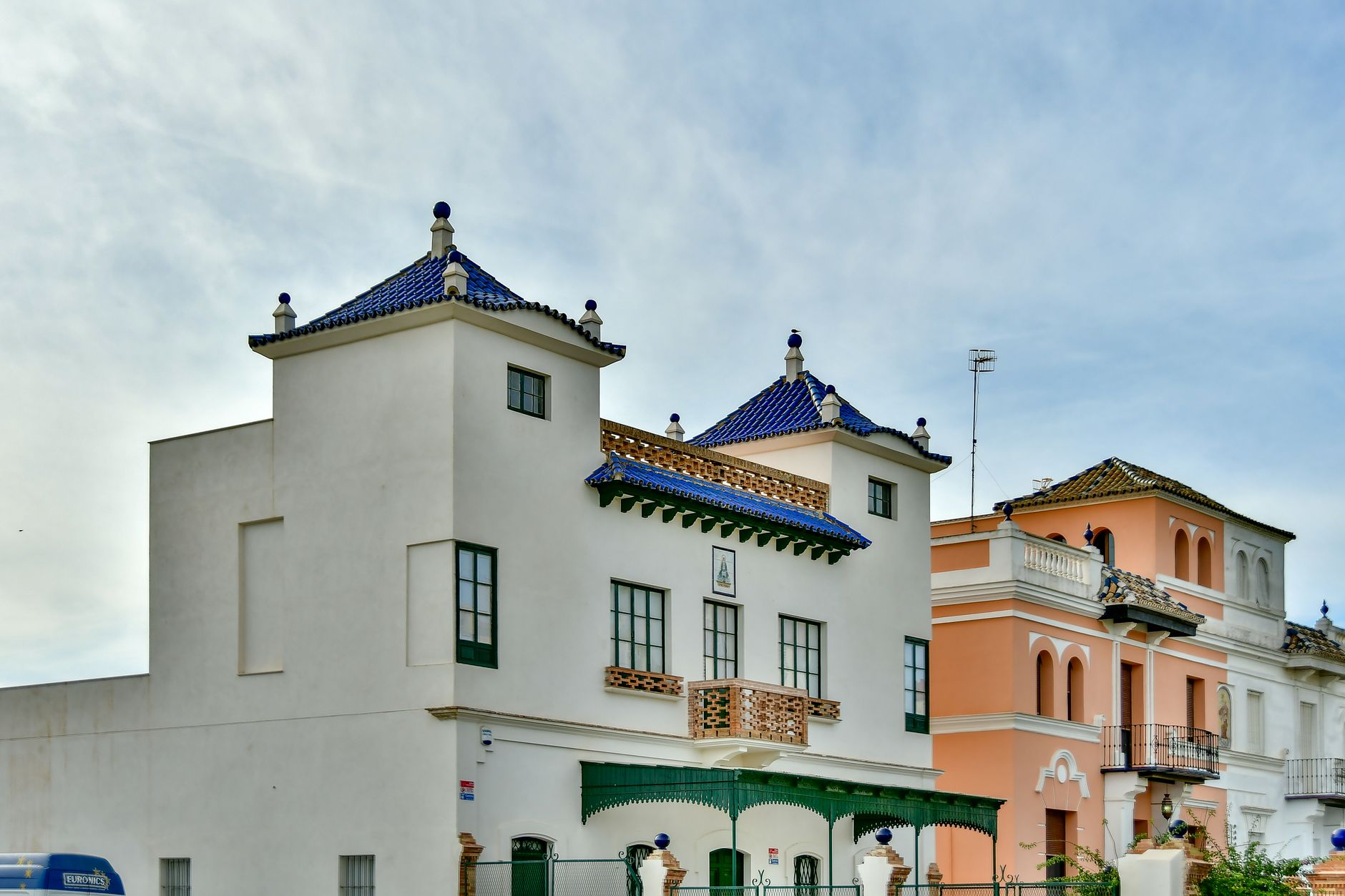
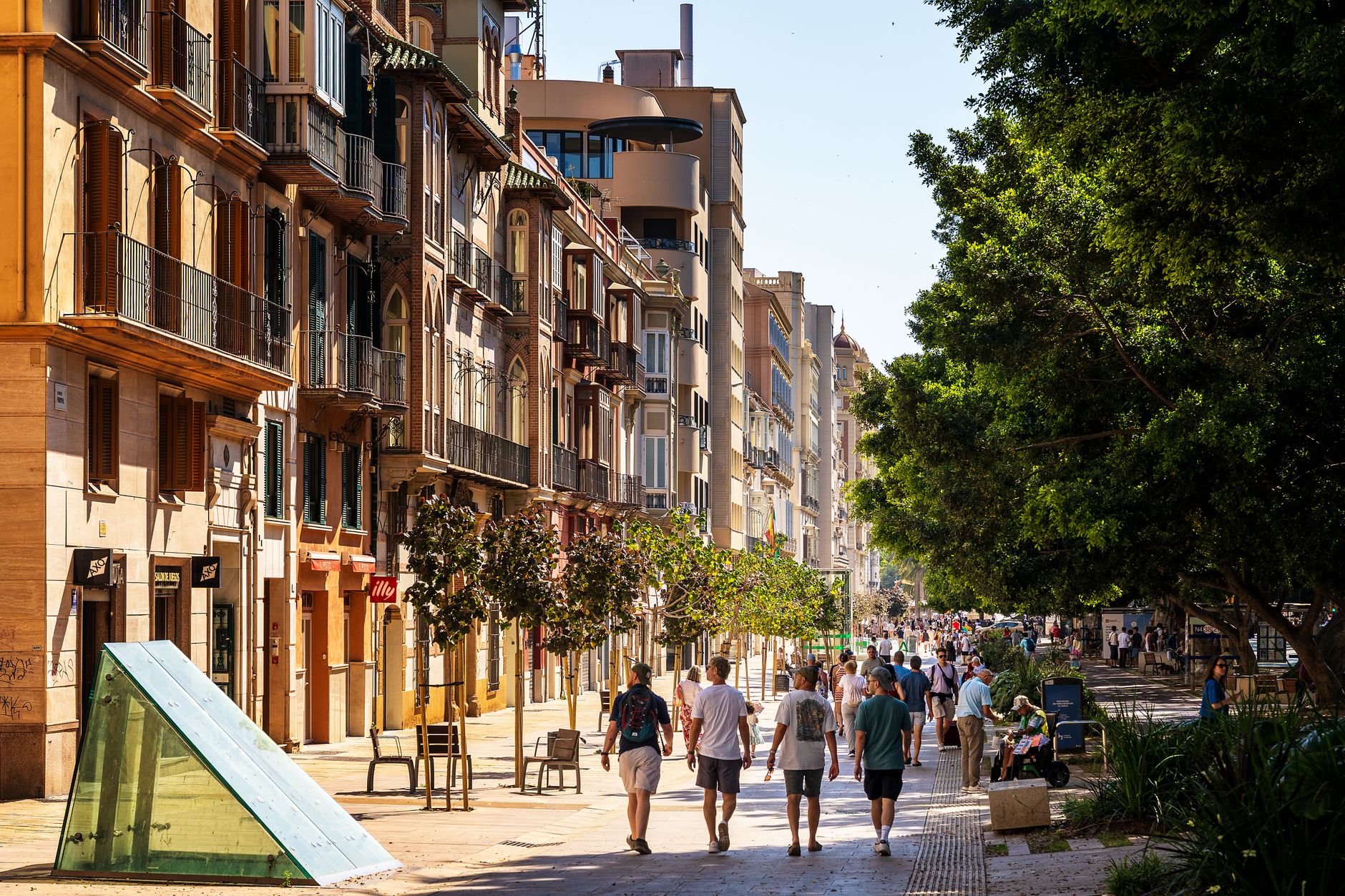
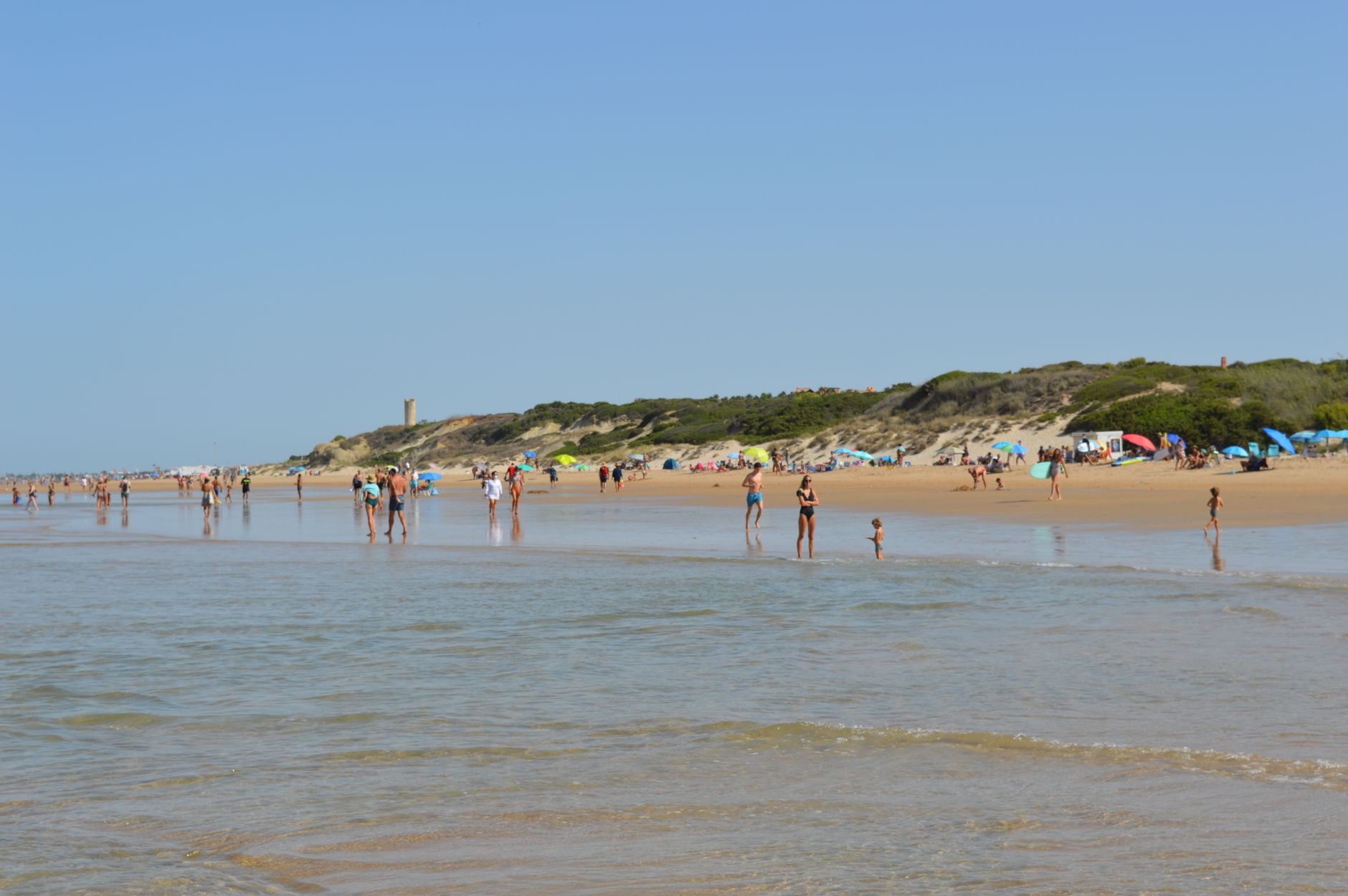
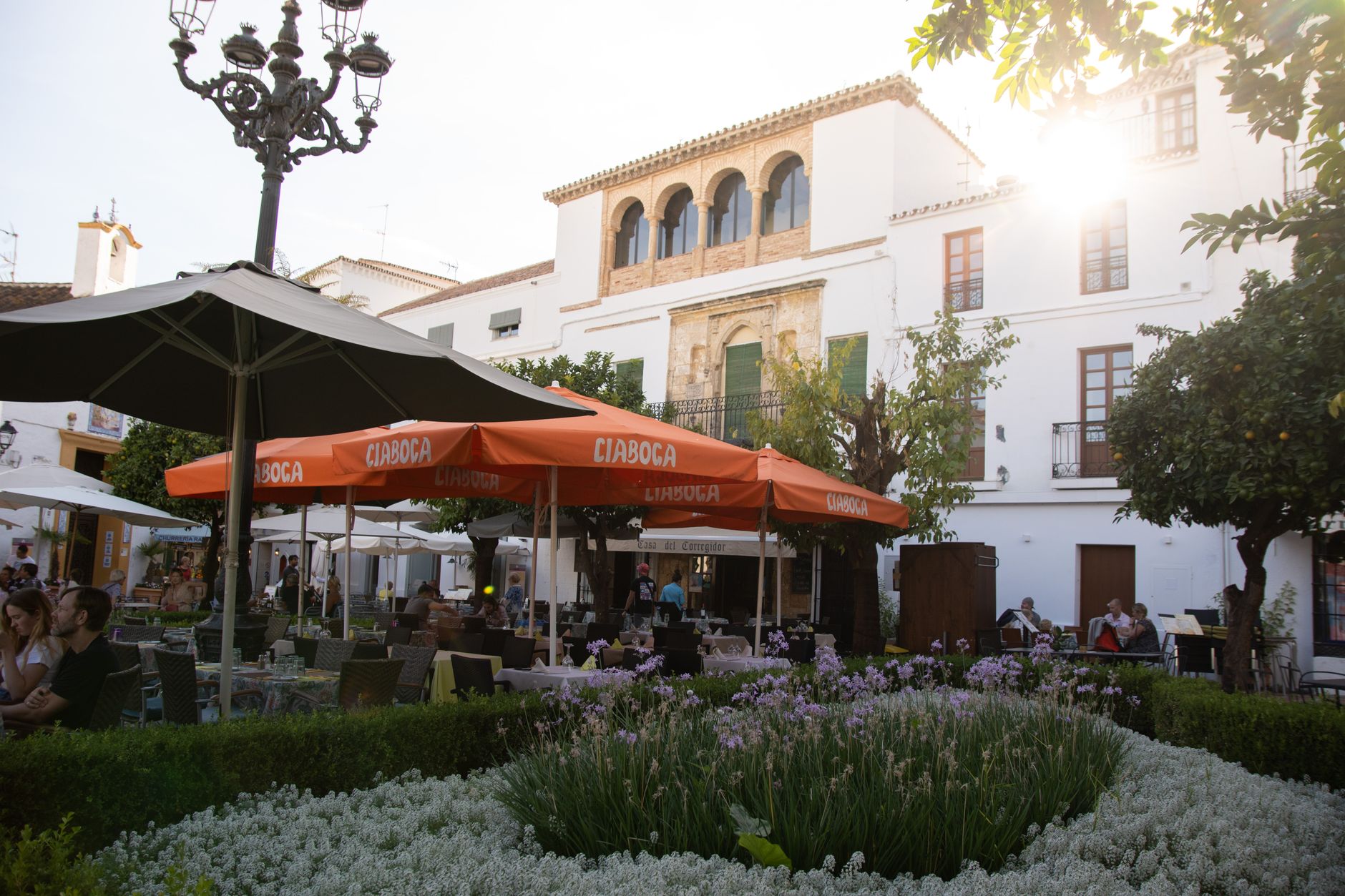
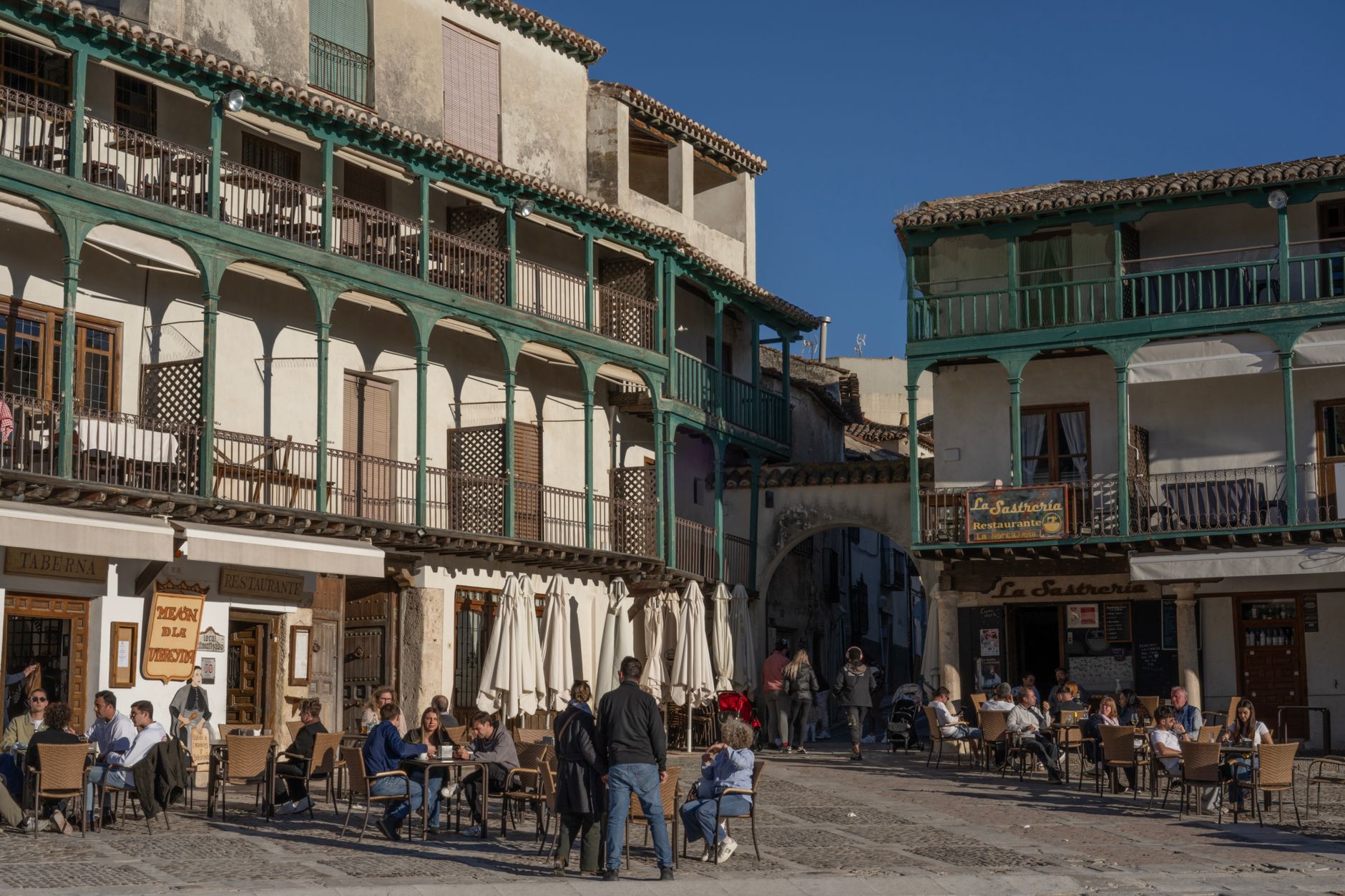
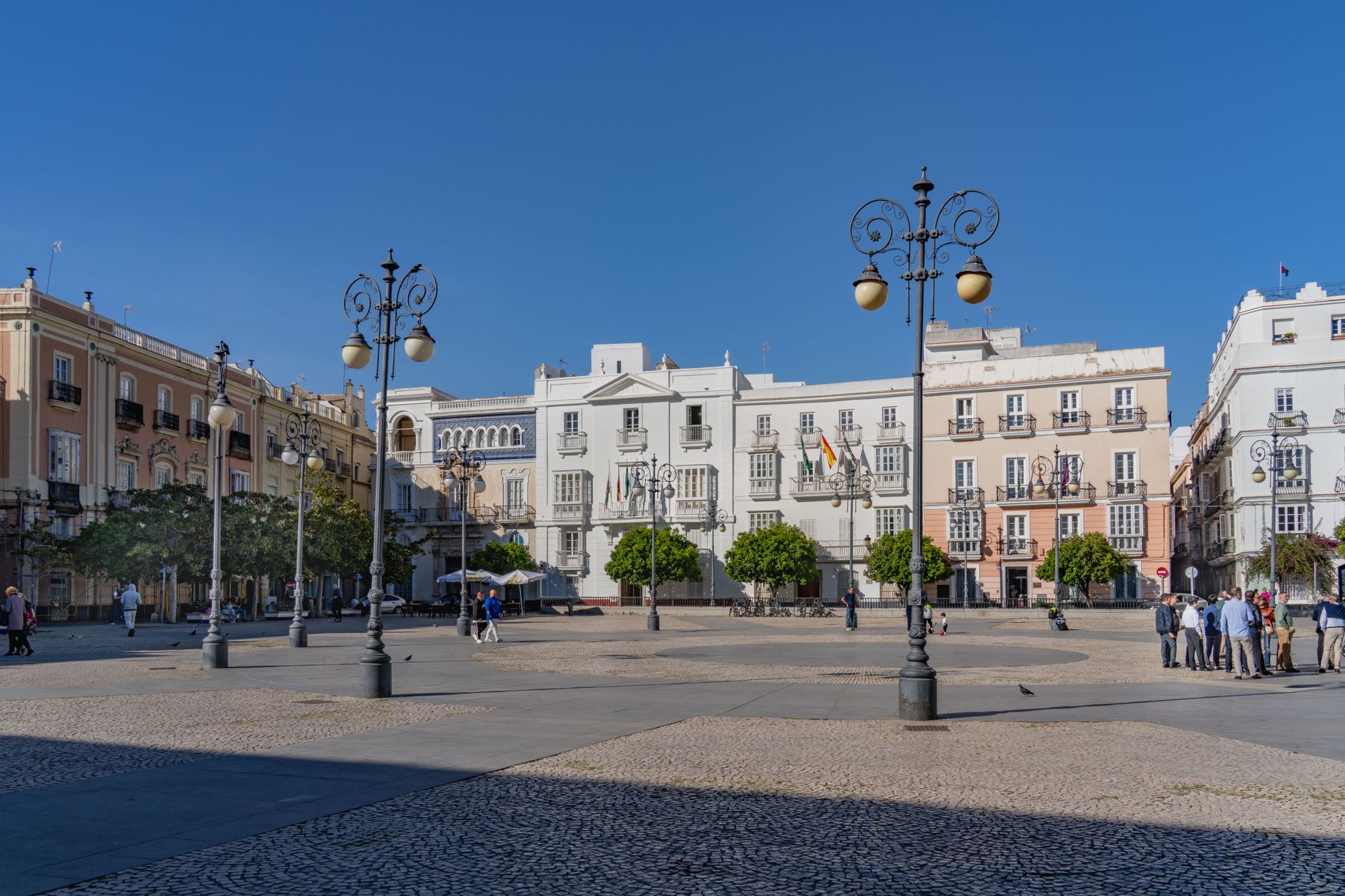
At the mouth of the Guadalquivir, where the river loses its argument with the Atlantic, Sanlúcar de Barrameda has been watching ships leave for a very long time. Columbus sailed from here on his third voyage in 1498. Magellan followed in 1519 with five ships and an impossible plan. The Nao Victoria — the one vessel that made it all the way around the world — came back to this same quay in 1522.
Today the town earns its keep on manzanilla sherry, langostinos pulled from the estuary, and a slow calendar that peaks when horses race along the beach in August. The Doñana wetlands start on the far bank, close enough to see the treeline from the sand.
💛 What travellers fall for
People who come back tend to anchor at Bajo de Guía beach, where the restaurant terraces face the river and the langostinos arrive still warm from the pot. Order a chilled manzanilla from Barbadillo and watch the Doñana shore do nothing at all. That specific combination — cold wine, river breeze, crustaceans — is the reason for the return trip.
Deals in Sanlúcar de Barrameda
Book directly at the provider
How Sanlúcar de Barrameda came to be
Phoenicians came first, around 1100 BCE, building a sanctuary to Astarte at La Algaida on what is now Doñana. Romans knew the place as Portus Menesthei and Strabo and Pliny both noted its harbour. Alfonso X of Castile took it from the Moors in 1264, and in 1297 the town passed to Alonso Pérez de Guzmán — Guzmán el Bueno — whose descendants, the Dukes of Medina Sidonia, would shape the city for the next three centuries.
The fifteenth and sixteenth centuries were the hinge point: Sanlúcar became the last port of call for the Atlantic world, refitting the ships of conquistadors and explorers. When the House of Trade shifted to Cádiz, the money drained away and the city entered a long, quiet decline. The Dukes of Montpensier arrived in the nineteenth century, built their extravagant neo-Mudéjar summer palace — now the City Hall — and gave the place one last season of grandeur. In 1973 the whole historic centre was declared a protected site.
Who and what shaped it
People who shaped it
Landmark buildings
See Sanlúcar de Barrameda in motion
Plan your visit
On the map
When to go
Summers are long and dry, with July and August regularly above 35°C; the sea breeze off the estuary offers some relief. Spring and autumn are mild and sunny — the most comfortable time to walk the upper town. Winters are short and rarely cold, though the Atlantic can bring spells of wind and rain between December and February.
Right now
Background & history adapted from Wikipedia (CC BY-SA) · specs from Wikidata (CC0) · weather from Open-Meteo · map data © OpenStreetMap contributors · photos from Wikimedia Commons / Unsplash with per-image credit. No third-party reviews or social posts reproduced.