
San Salvador
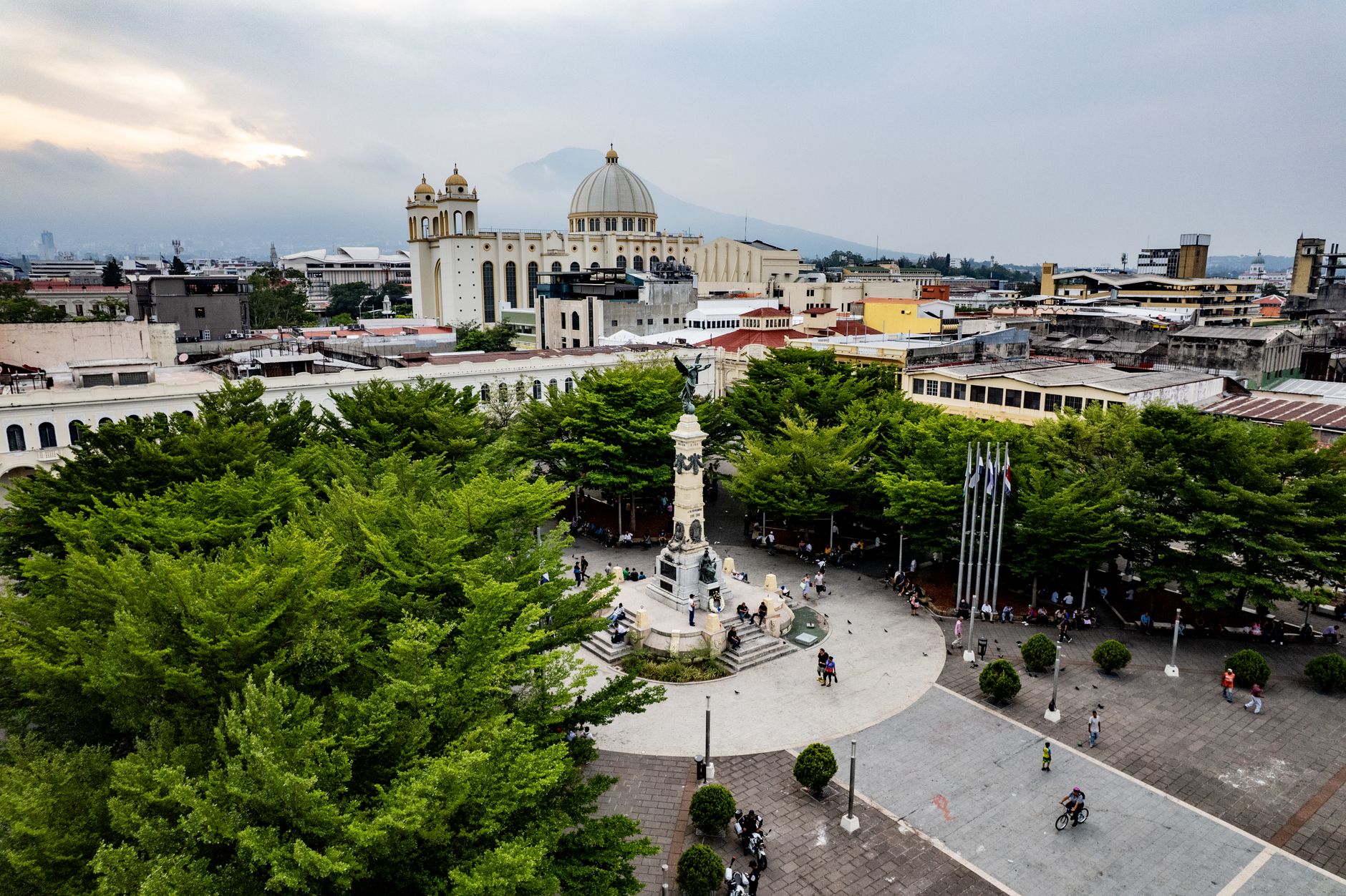
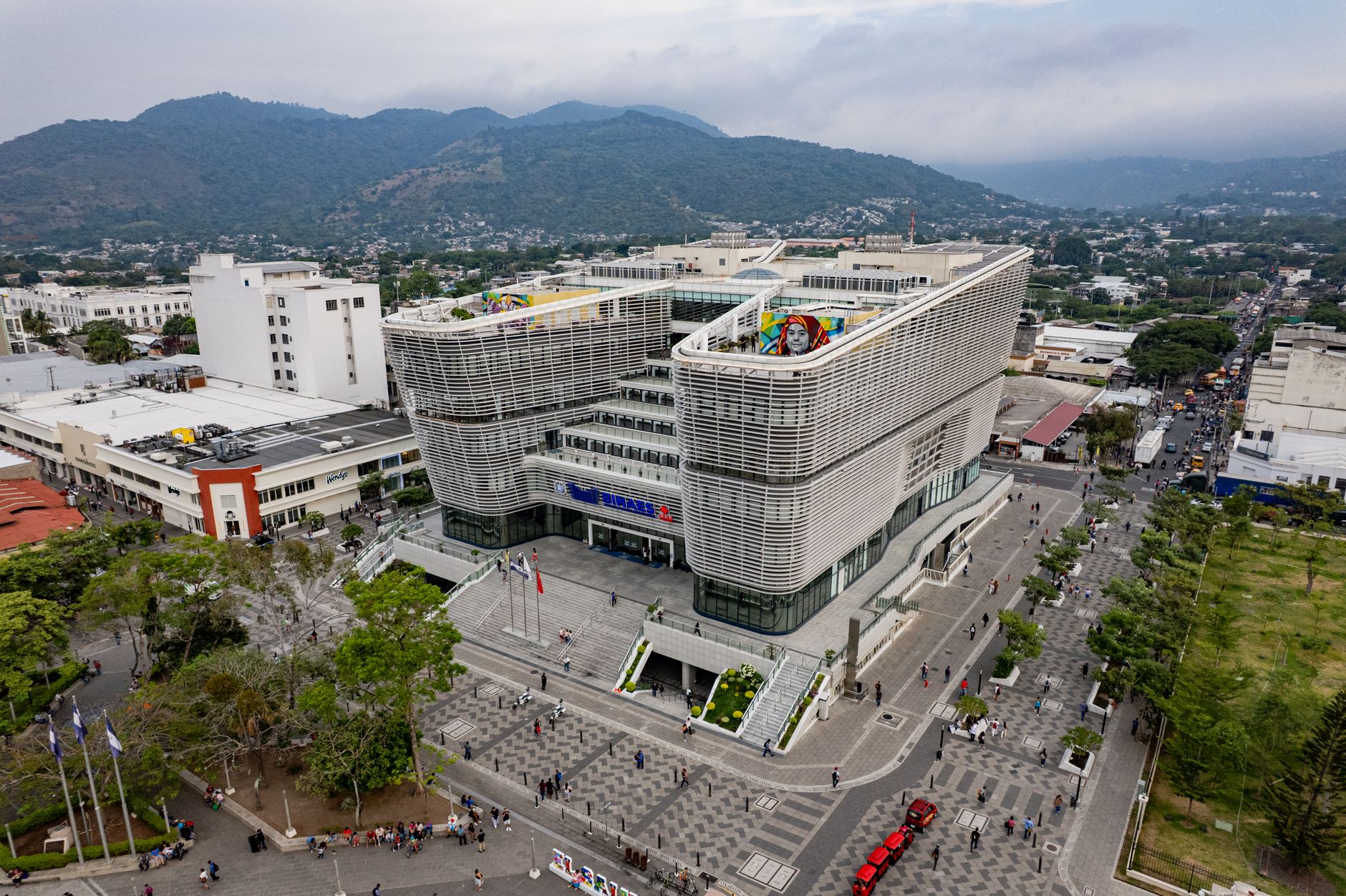
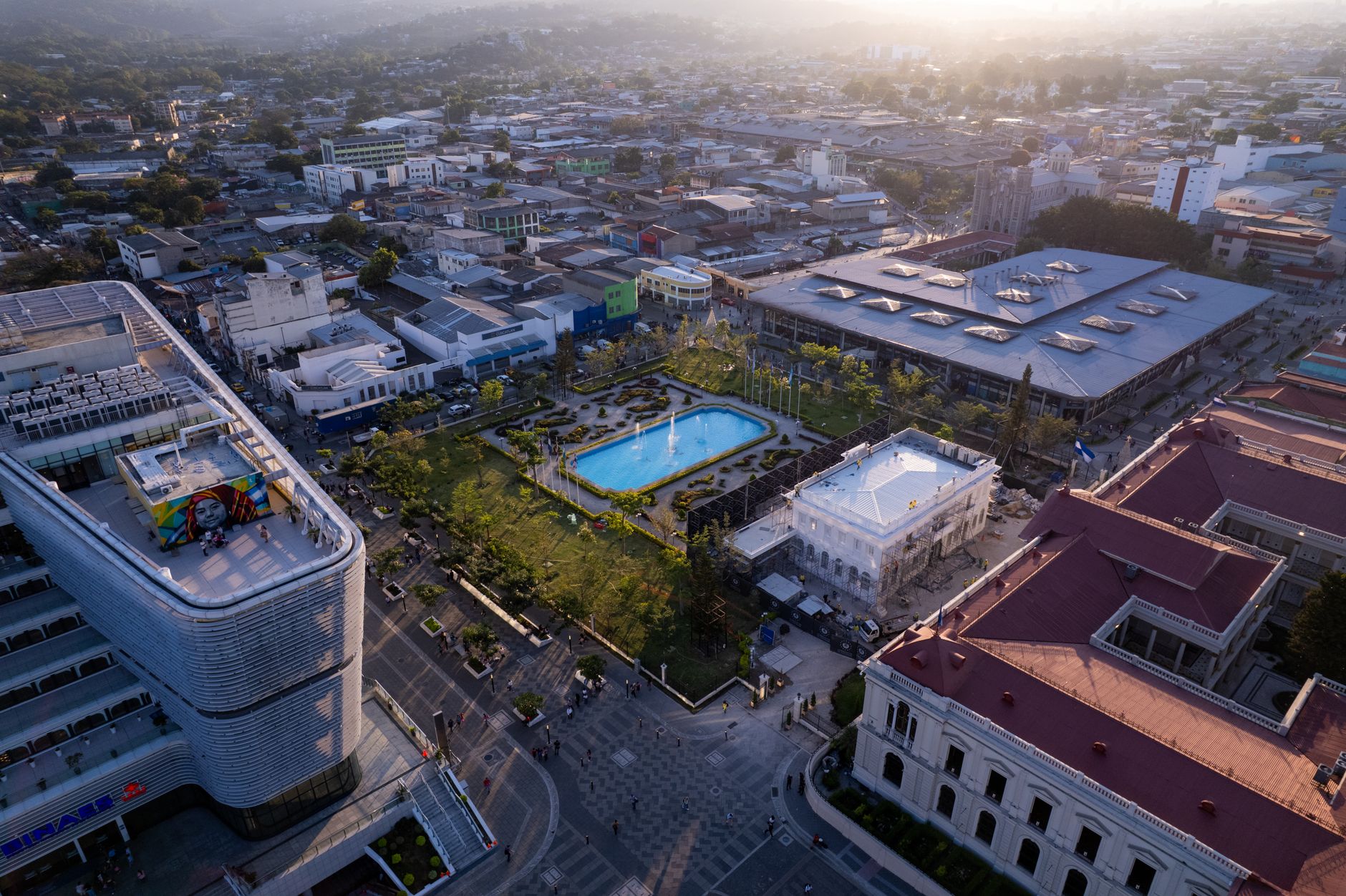
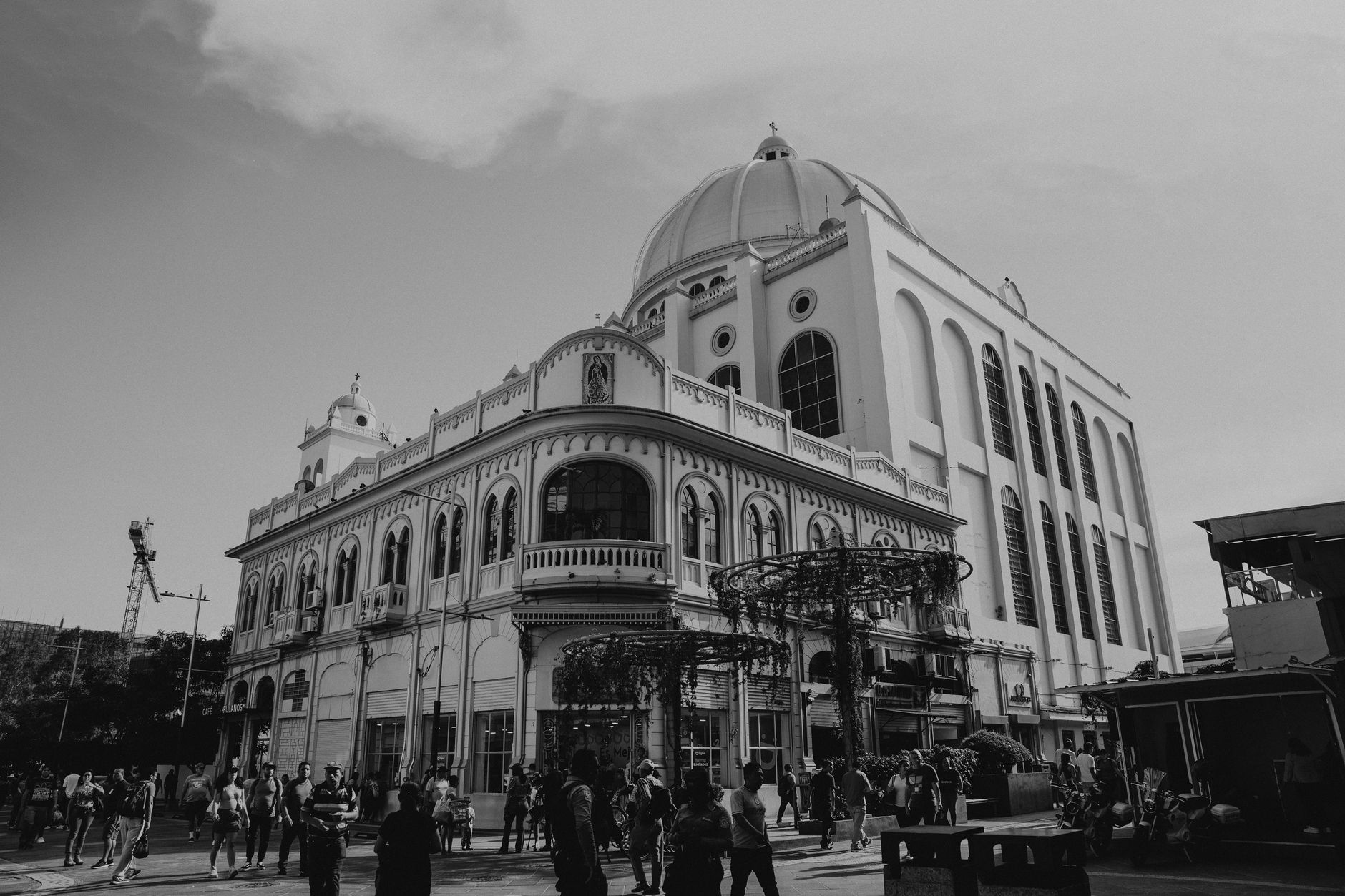
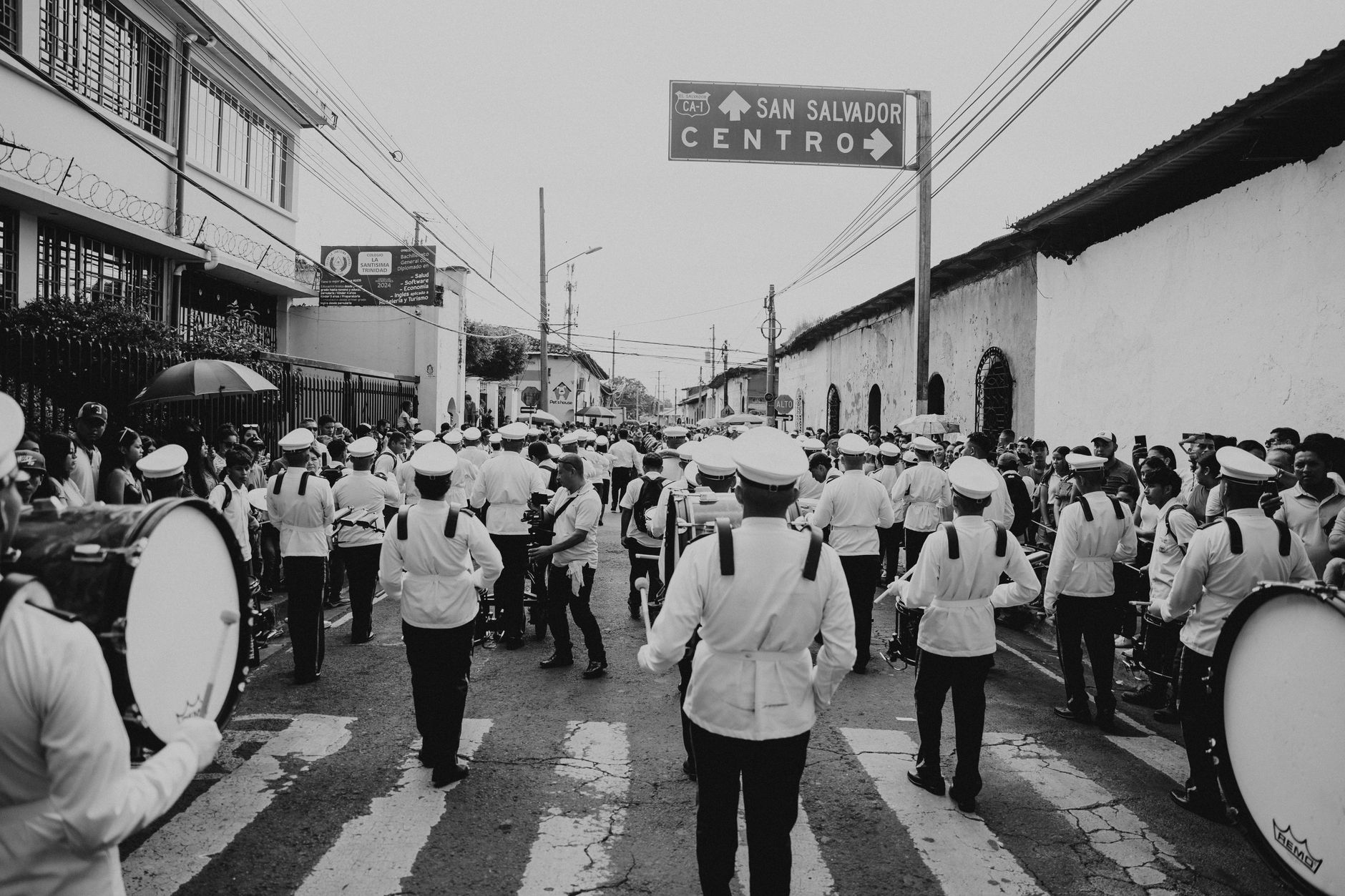
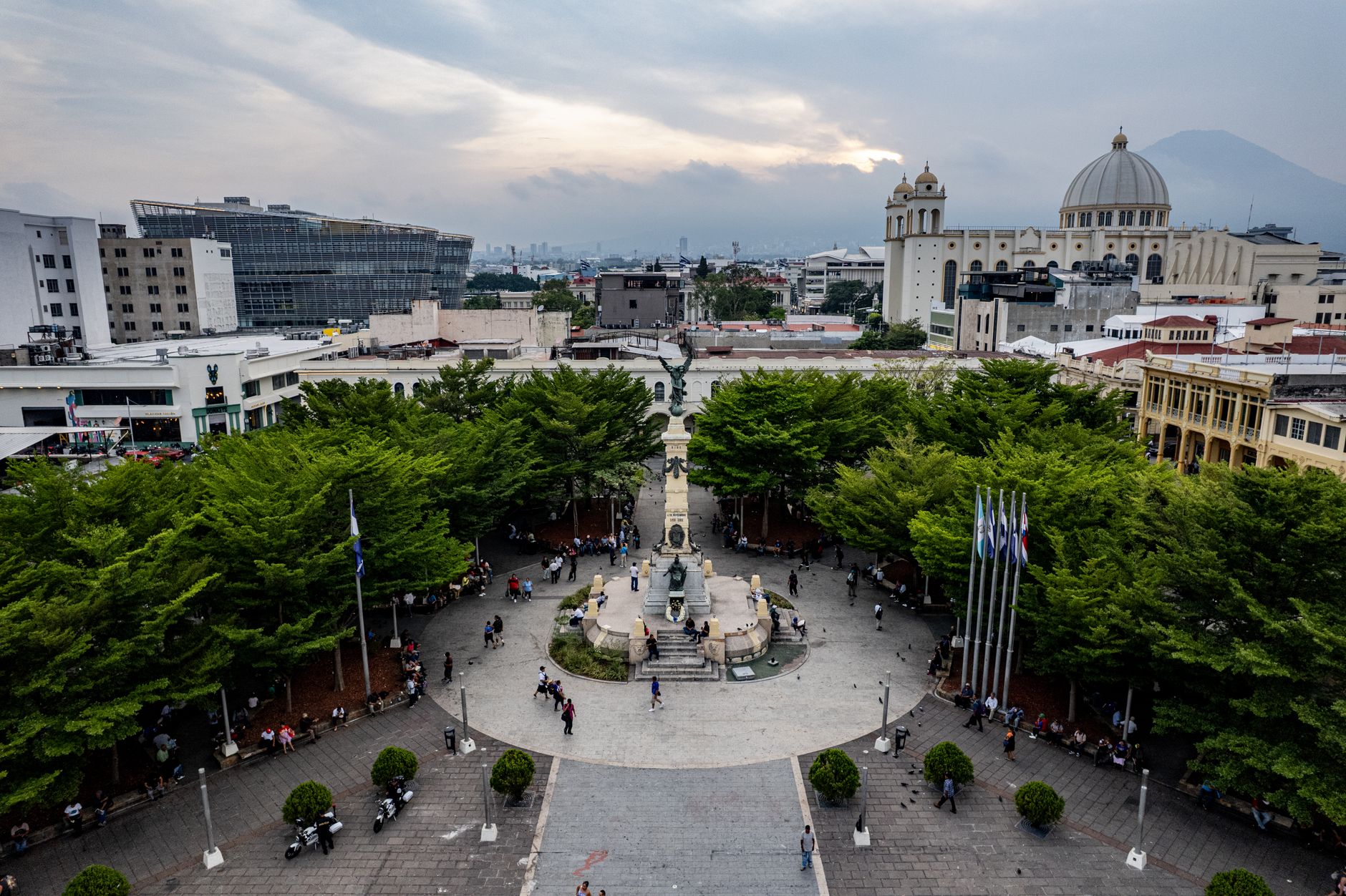
San Salvador sits at 682 metres in the Valle de las Hamacas — the Valley of the Hammocks, named for the way the earth here sways during earthquakes, which it has done repeatedly and ruinously across five centuries. The city has been levelled and rebuilt so many times that its historic centre reads like a palimpsest: colonial bones, mid-century concrete, and the tiled mosaic facade Fernando Llort gave the Metropolitan Cathedral in 1999, all crowded around Plaza Gerardo Barrios.
This is El Salvador's capital and its gravitational centre — the place where roads, buses, and decisions converge before fanning out toward the volcanoes, beaches, and colonial towns that surround it. Come for the city's own layered story, and use it as the practical base it has always been.
How San Salvador came to be
Founded on 1 April 1525 by Gonzalo de Alvarado and Diego de Holguín under orders of Pedro de Alvarado, the city moved twice in its first two decades before settling permanently in the Valle de las Hamacas. It was declared a city in 1546 and grew into the capital of the colonial province of Cuscatlán. For five years, 1834 to 1839, it served as capital of the United Provinces of Central America before becoming the permanent Salvadoran capital.
Earthquakes in 1854, 1873, 1917, and 1986 repeatedly erased what had been built, which explains why so little of the colonial city survives intact. The National Theater — designed by French architect Daniel Beylard and inaugurated on 1 March 1917, the oldest in Central America — endured. The Chapultepec Peace Accords, signed here on 16 January 1992, ended twelve years of civil war; Archbishop Óscar Romero, canonized and entombed in the Metropolitan Cathedral, remains the city's most resonant figure from that era.
Who and what shaped it
People who shaped it
Landmark buildings
See San Salvador in motion
Plan your visit
On the map
When to go
San Salvador is warm year-round — daytime temperatures hover around 32°C (90°F) even in the coolest months, though December through March brings genuinely cool nights that can drop to 13°C (55°F). The wet season runs May through October, with September delivering rain on roughly 24 days out of 31; if you want dry streets and clear skies, aim for December to mid-April.
Right now
Background & history adapted from Wikipedia (CC BY-SA) · specs from Wikidata (CC0) · weather from Open-Meteo · map data © OpenStreetMap contributors · photos from Wikimedia Commons / Unsplash with per-image credit. No third-party reviews or social posts reproduced.