
San Pedro Sula
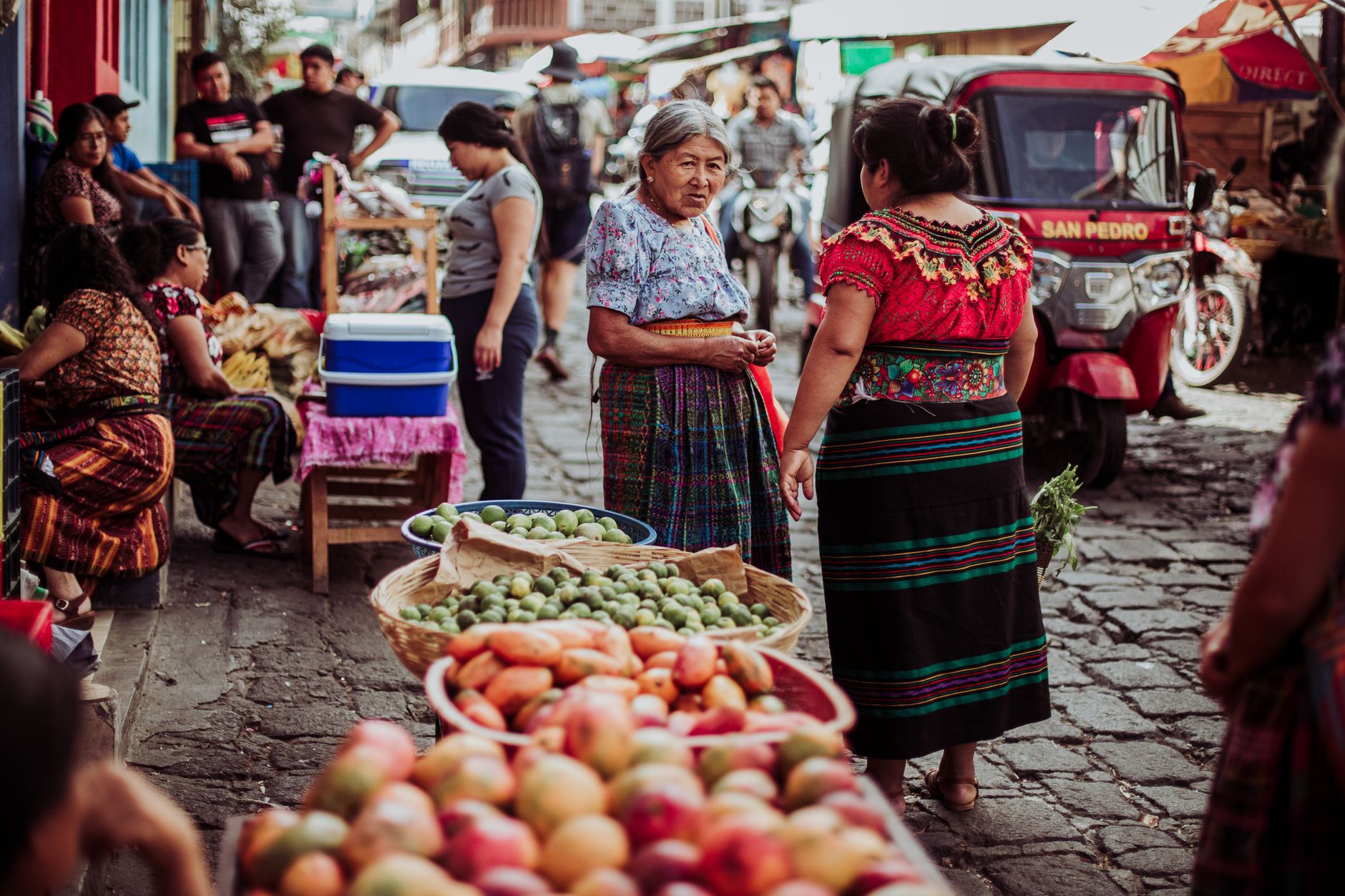
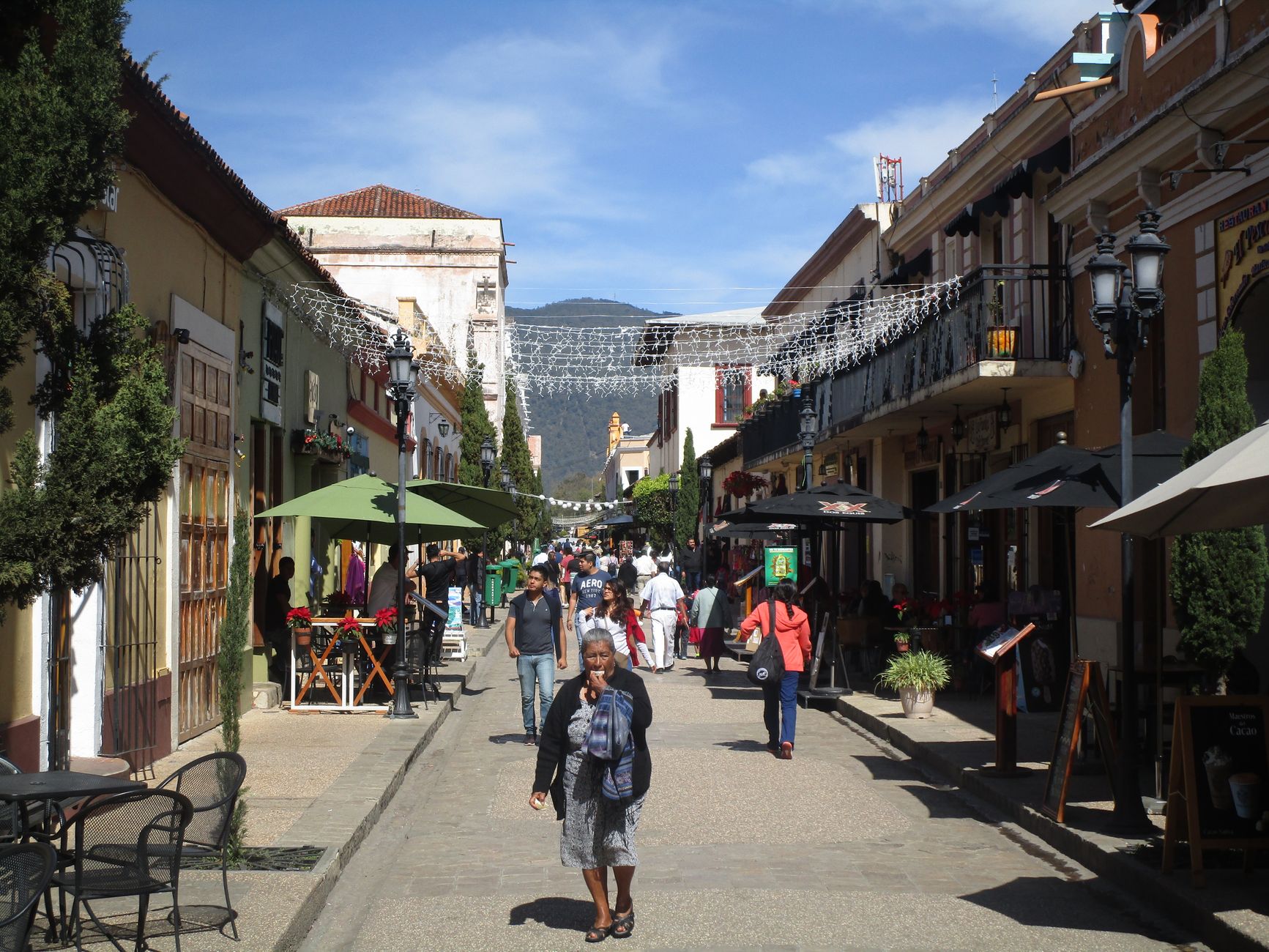
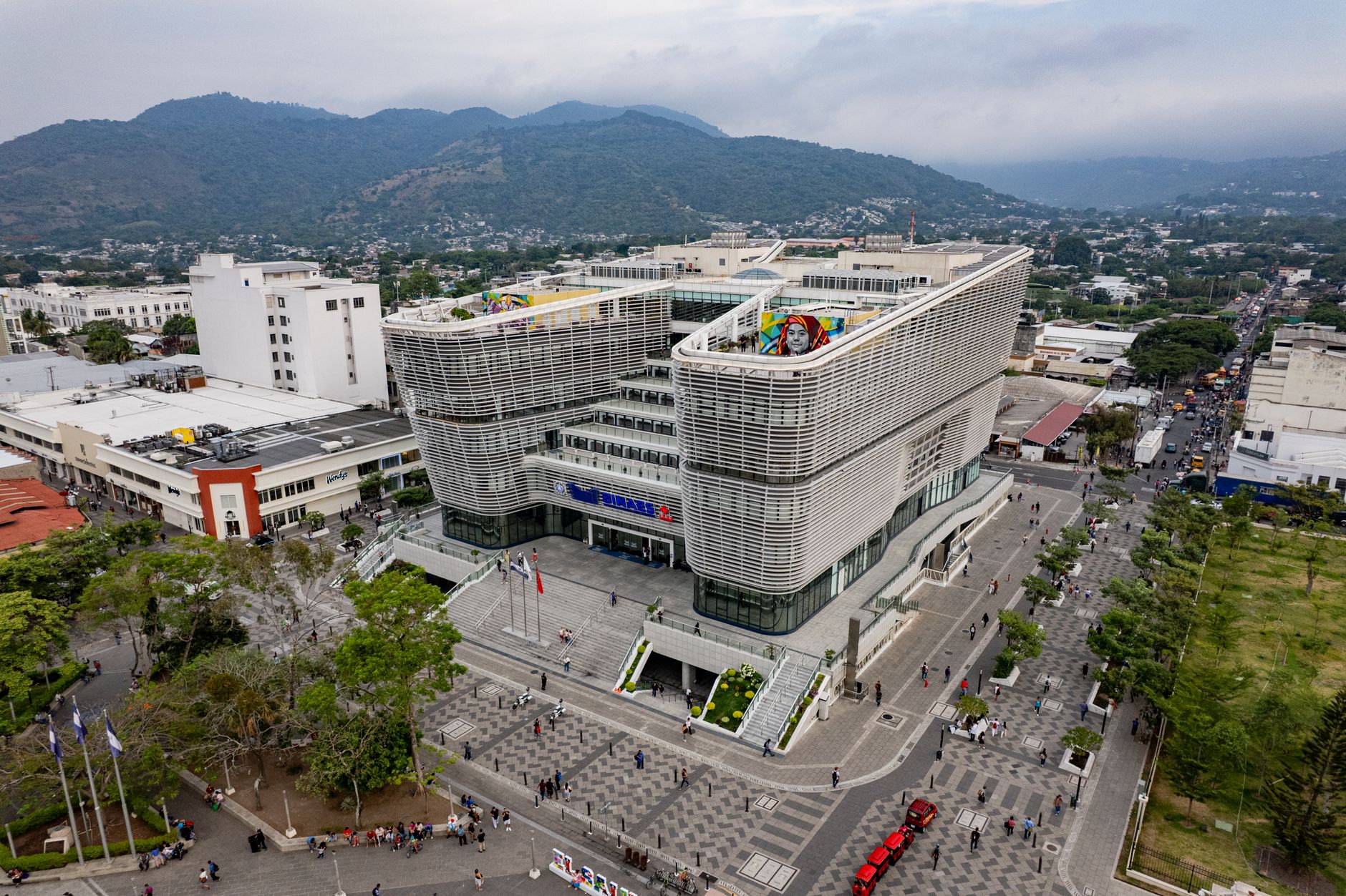
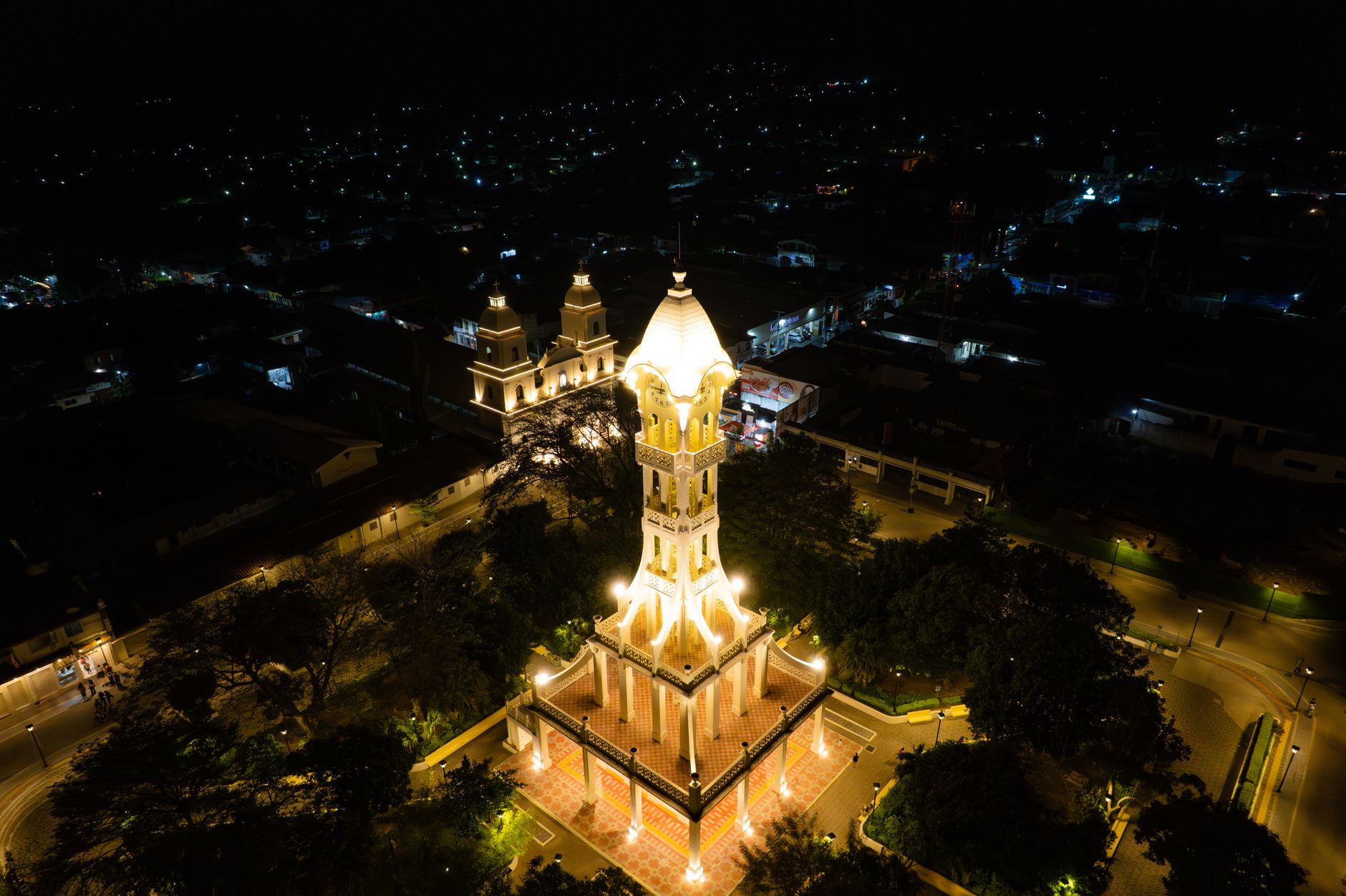
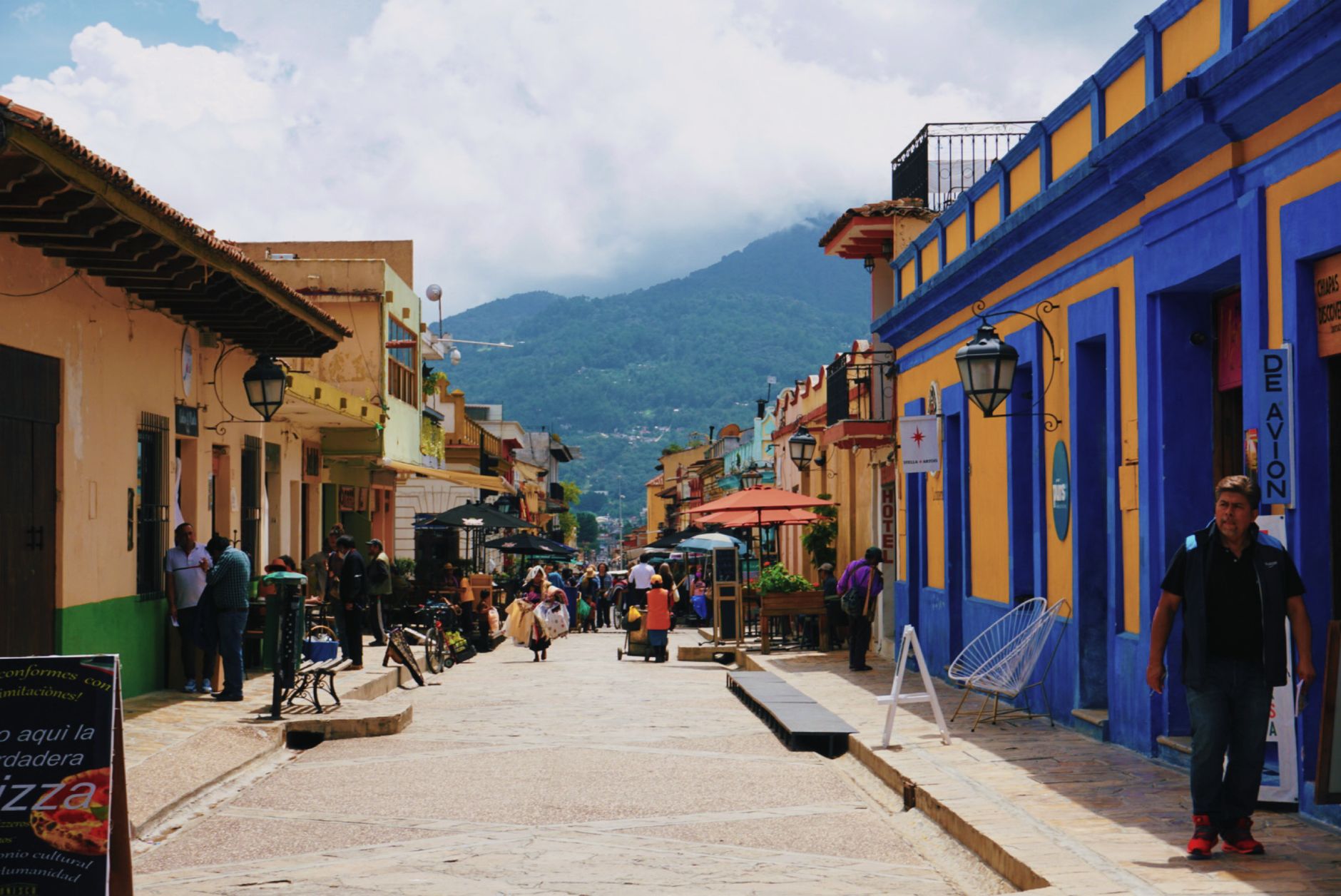
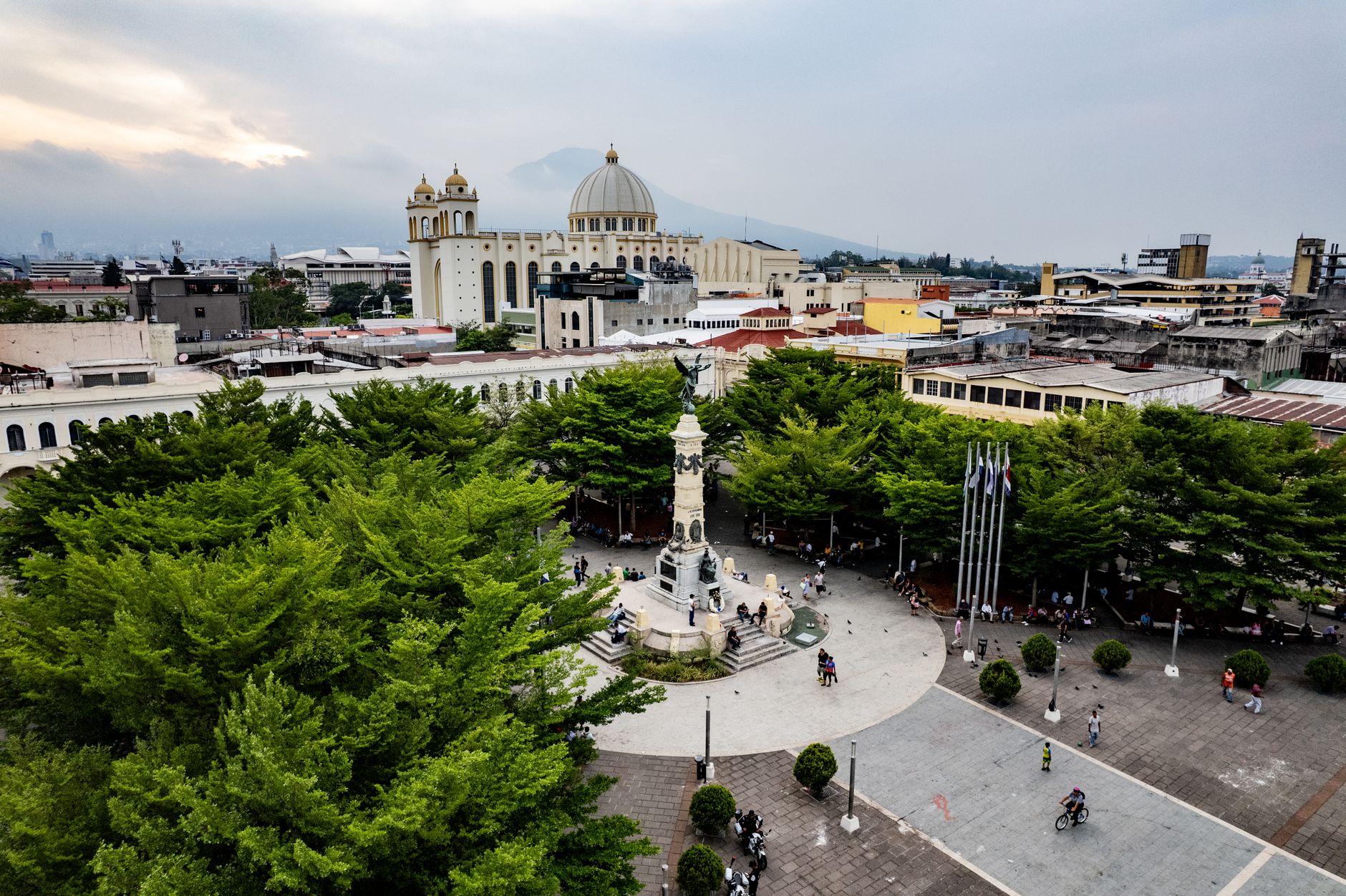
San Pedro Sula sits in the broad Sula Valley at the foot of the Merendón mountains, a city that has always been about movement — goods, people, ambition. It's Honduras's second city by population and its commercial engine, the place where the banana trade rewired the economy and where the intercontinental railroad once made the country legible to the outside world.
For travellers, it functions as the northwestern gateway: the airport is 13 kilometres from the centre, the bus terminal connects to Copán, the coast, and the islands, and a day or two here — the cathedral, the anthropology museum, the market at Guamilito — gives you the grounding to understand what you'll see elsewhere.
How San Pedro Sula came to be
Pedro de Alvarado founded the city on 27 June 1536, naming it Villa de San Pedro de Puerto Caballos. In those early decades it served Spain as a gold-smelting mint, which made it a target — pirate raids through the 17th century eventually pushed the settlement inland to the valley it occupies today. The name shifted to San Pedro Sula, roughly 'Valley of Saint Peter,' sometime in the 18th century.
The city that exists now was largely shaped by bananas and rails. The Interoceanic Railroad, built between 1869 and 1874, linked San Pedro Sula to the Caribbean port of Puerto Cortés. The banana trade followed, and with it figures like Samuel Zemurray, whose Cuyamel Fruit Company turned a town of 1,200 people in 1875 into a city of hundreds of thousands by the following century.
Who and what shaped it
People who shaped it
Landmark buildings
See San Pedro Sula in motion
Plan your visit
On the map
When to go
San Pedro Sula runs warm year-round, with daytime highs between 27°C in January and 33°C in May. The dry season runs January through May — February, March, and April are the most comfortable months to be outside; October is the wettest, with rain on roughly half its days.
Right now
Background & history adapted from Wikipedia (CC BY-SA) · specs from Wikidata (CC0) · weather from Open-Meteo · map data © OpenStreetMap contributors · photos from Wikimedia Commons / Unsplash with per-image credit. No third-party reviews or social posts reproduced.