
San Miguel de Allende
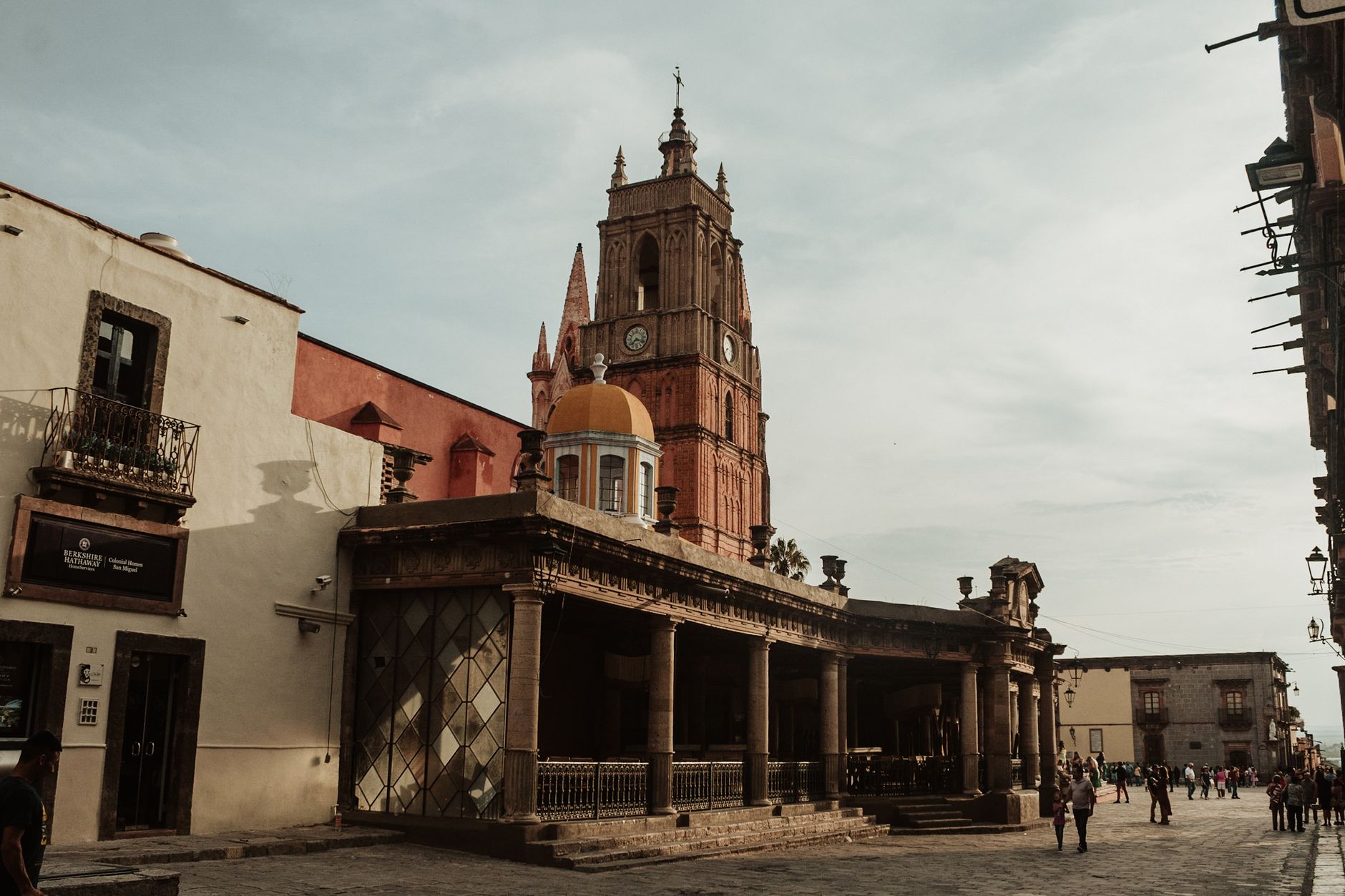
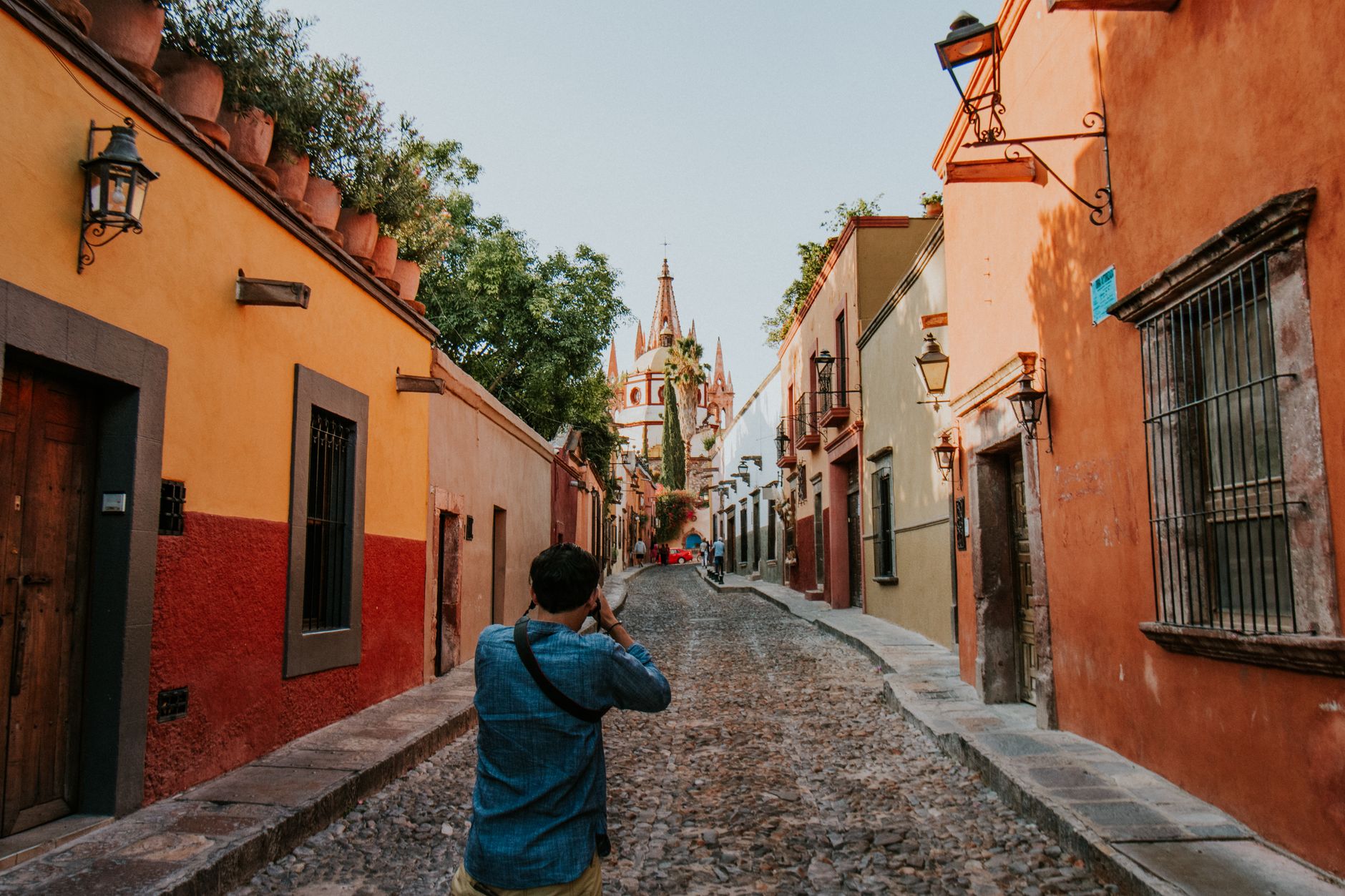
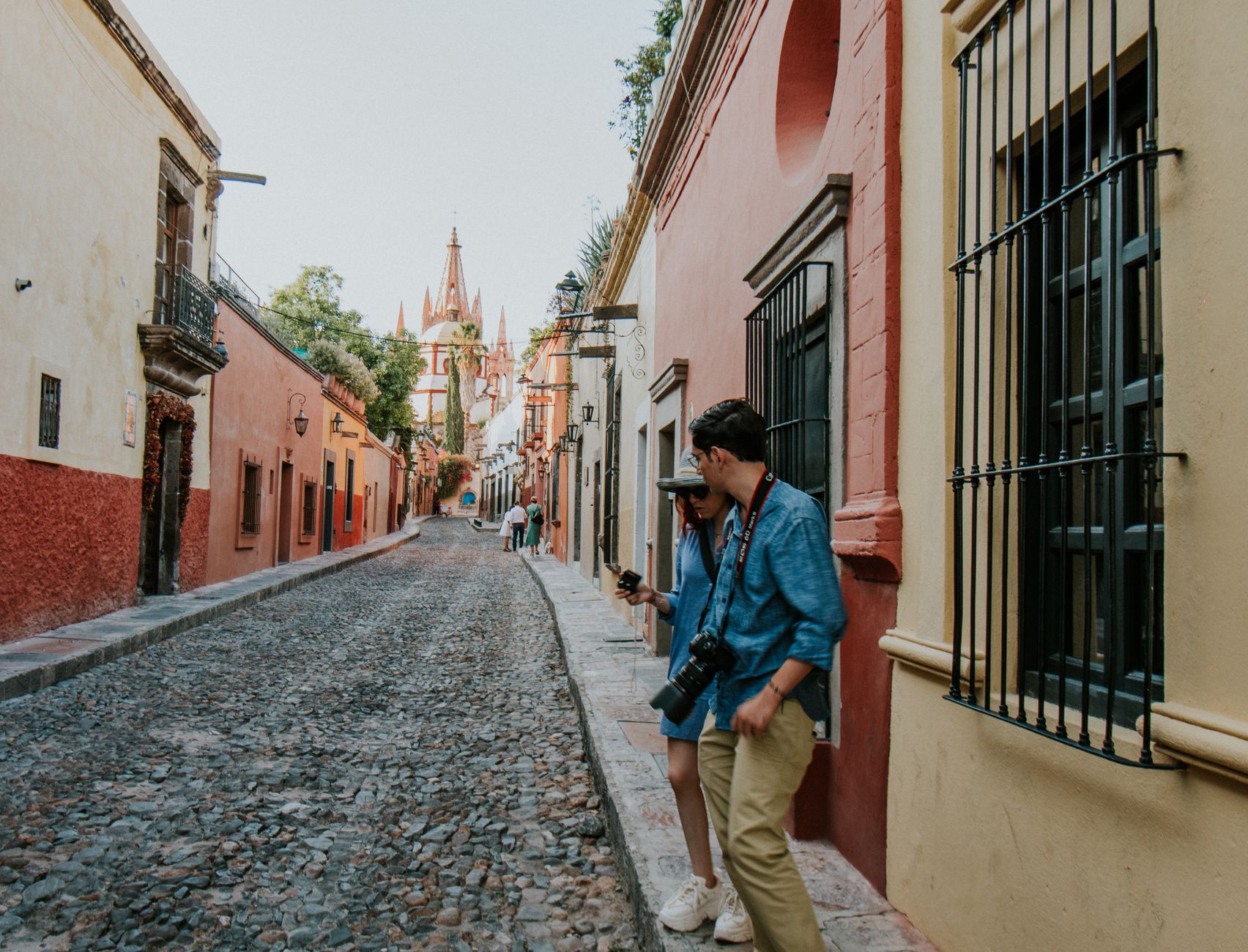
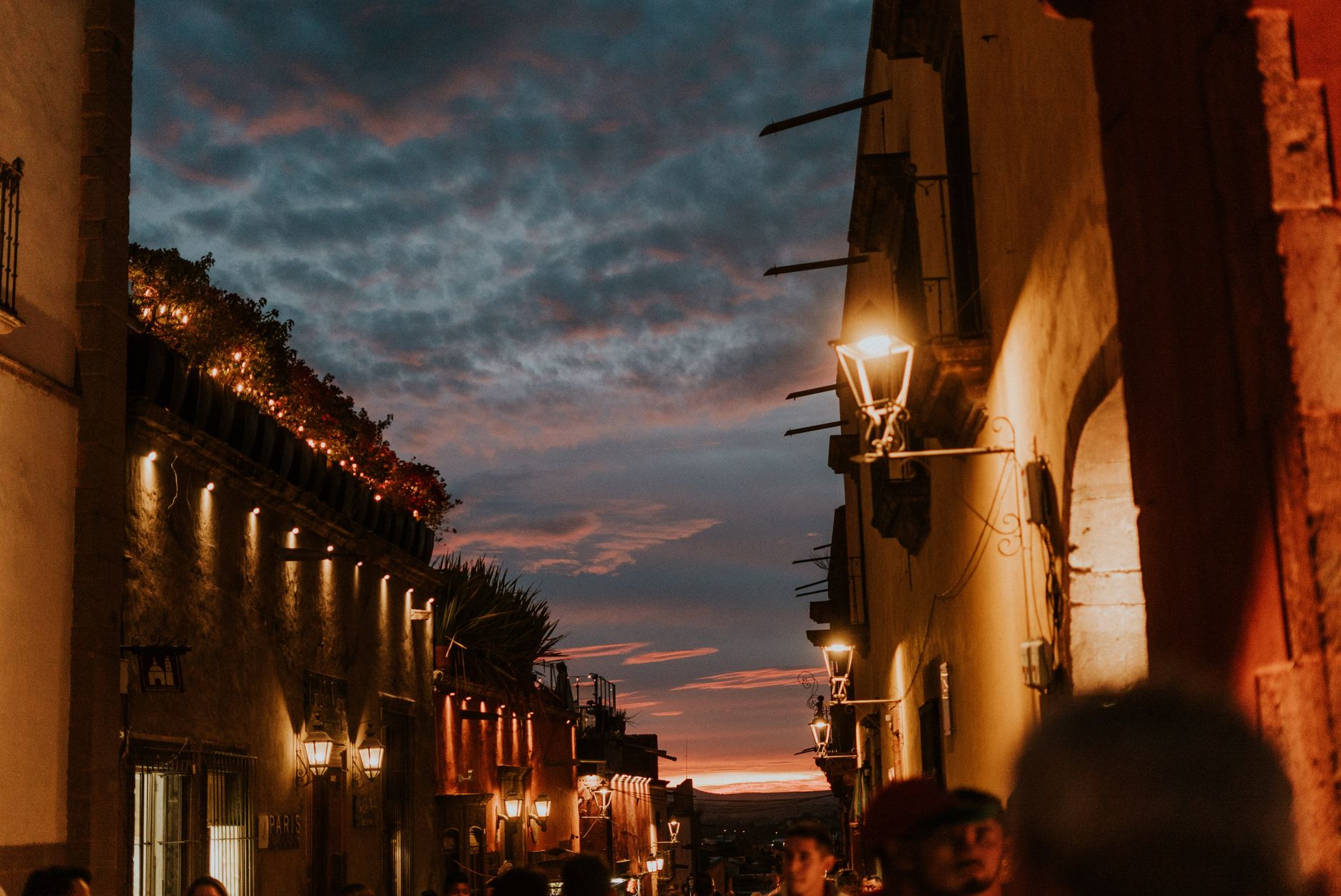
The first thing you notice about San Miguel de Allende is the pink quarry-stone towers of the Parroquia rising above the rooftops — a façade redesigned in 1880 by a self-taught indigenous stonemason named Zeferino Gutiérrez, working from postcards of European cathedrals he had never visited. That improvised ambition gives the whole town its character: a place that absorbed outside influences and made something entirely its own.
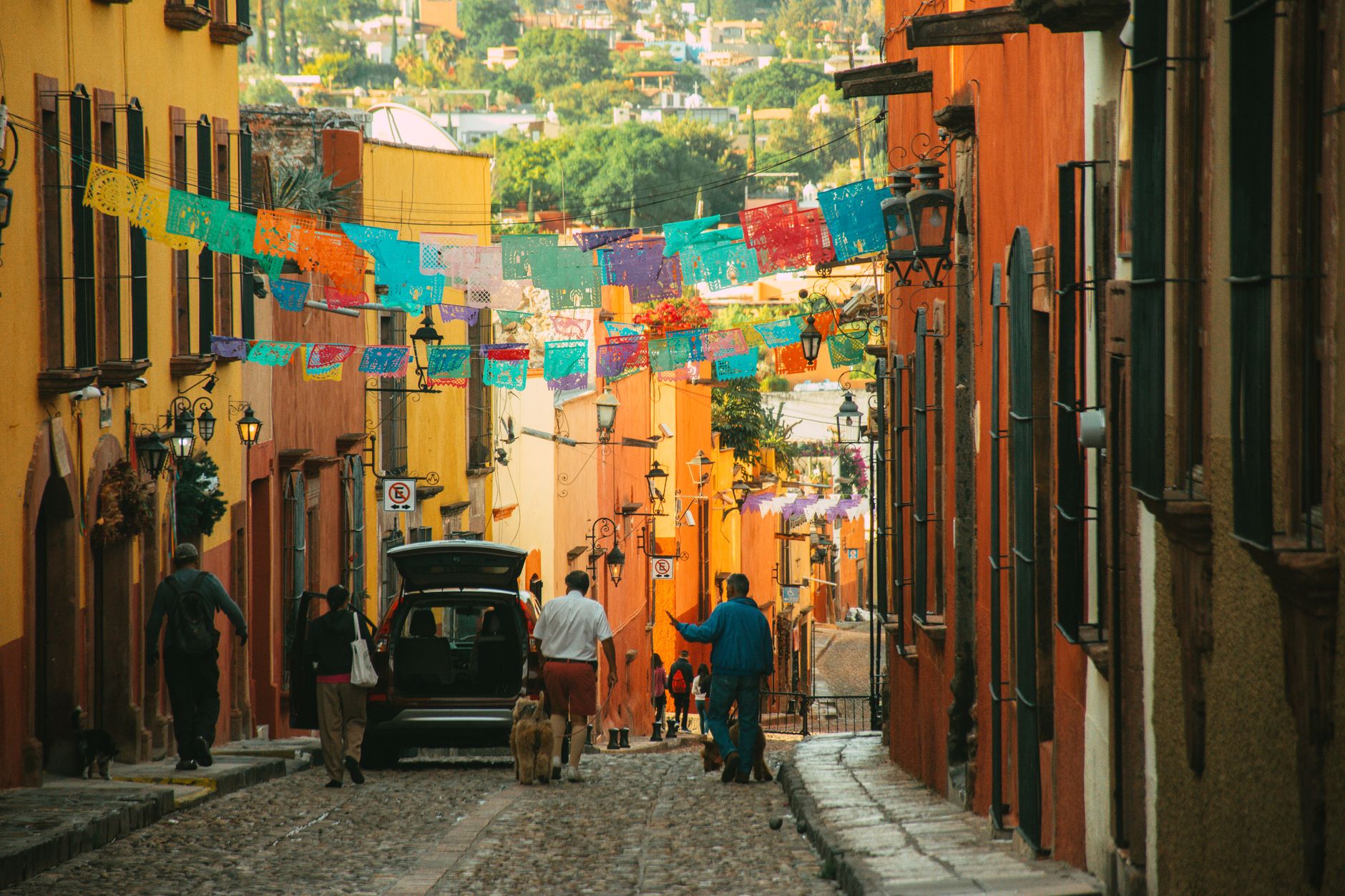
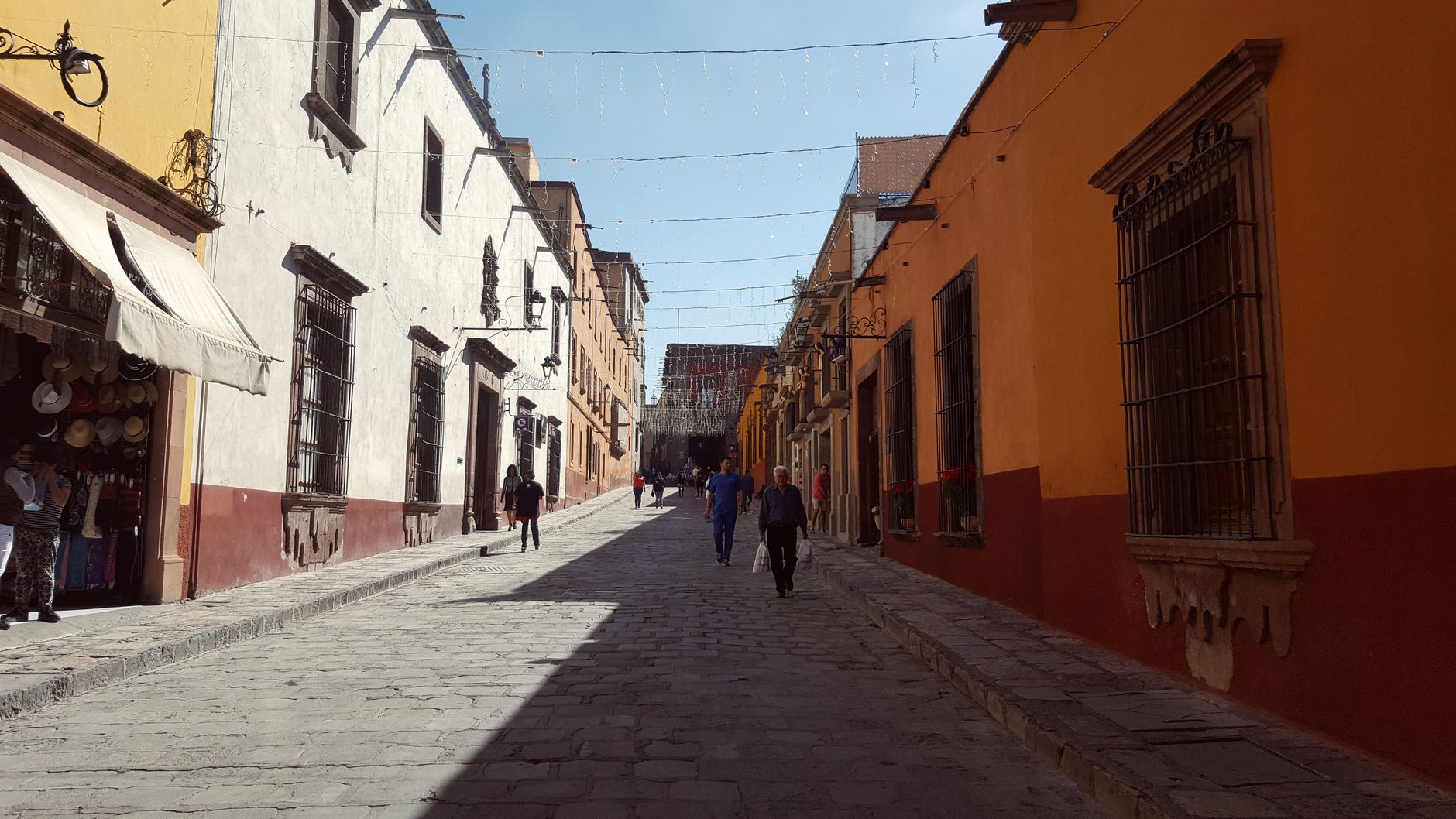
The historic center sits on a grid of cobblestone streets in Mexico's central highlands, compact enough to walk in a morning, layered enough to hold your attention for days. Artists, expats, and pilgrims have been arriving here for decades — and the town has remained, stubbornly, itself.
💛 What travellers fall for
People who keep coming back tend to anchor their days at the Jardín Principal — coffee from a nearby café, then a slow lap past the Parroquia before the tour groups arrive. The Fábrica La Aurora, the old textile mill turned gallery complex, rewards a second visit when you have time to linger. Early mornings on the cobblestones, before the heat builds, are when the city is most plainly itself.
How San Miguel de Allende came to be
A Franciscan monk named Juan de San Miguel founded the settlement in 1542, and the town became a flashpoint during the long Chichimeca War that followed. Its later significance runs deeper: on 17 September 1810, Miguel Hidalgo, Ignacio Allende, and Ignacio Aldama reestablished municipal government here under Liberal principles, a moment that fed directly into Mexico's War of Independence. Allende was born in the house facing the central plaza — now the Casa de Allende museum — and the town added his name to its own in 1826, a year after his death.
In the 20th century, San Miguel attracted a different kind of arrival. American expatriate Stirling Dickinson helped inaugurate the Allende Institute in 1950, drawing artists and students from abroad into a town the federal government would formally protect in 1982. UNESCO followed in 2008.
Who and what shaped it
People who shaped it
Landmark buildings
See San Miguel de Allende in motion
Plan your visit
On the map
When to go
San Miguel sits at altitude, which keeps temperatures moderate year-round — January averages around 24°C (75°F), with May reaching about 32°C (90°F). The rainy season runs May through October, with most precipitation falling in short afternoon bursts; the dry months from November through April are the most reliably clear.
Right now
Background & history adapted from Wikipedia (CC BY-SA) · specs from Wikidata (CC0) · weather from Open-Meteo · map data © OpenStreetMap contributors · photos from Wikimedia Commons / Unsplash with per-image credit. No third-party reviews or social posts reproduced.