
Salzkammergut
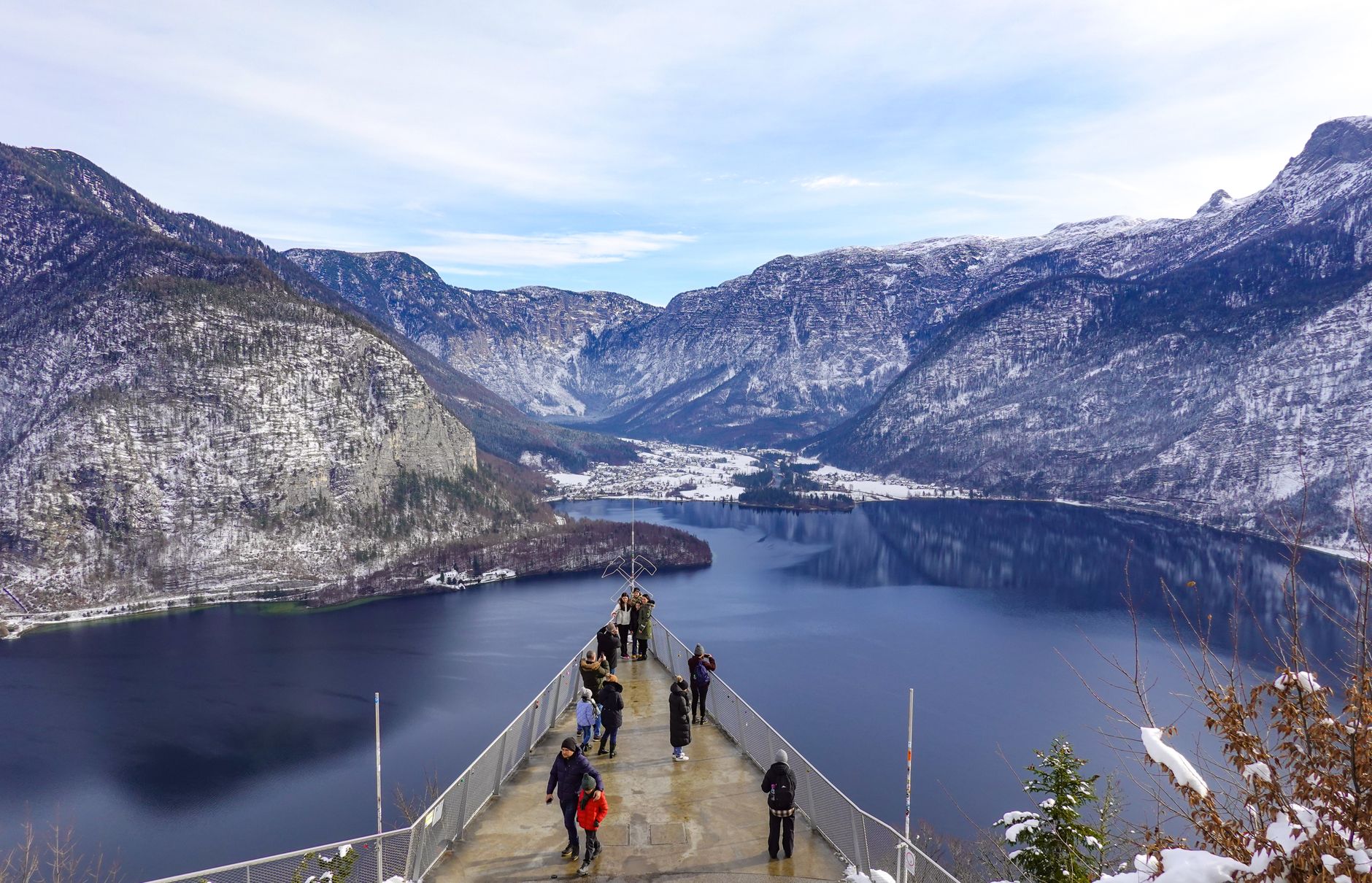
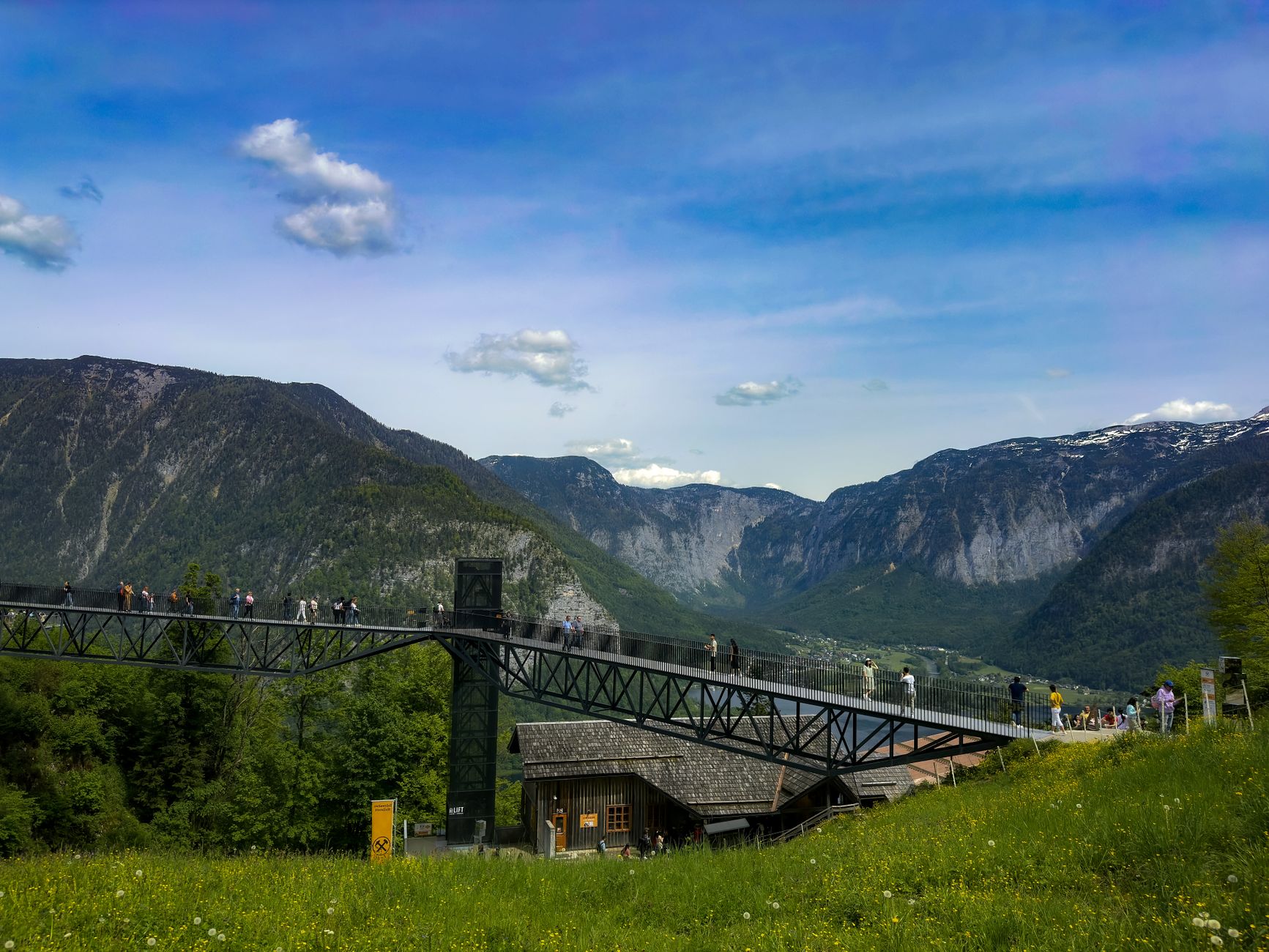
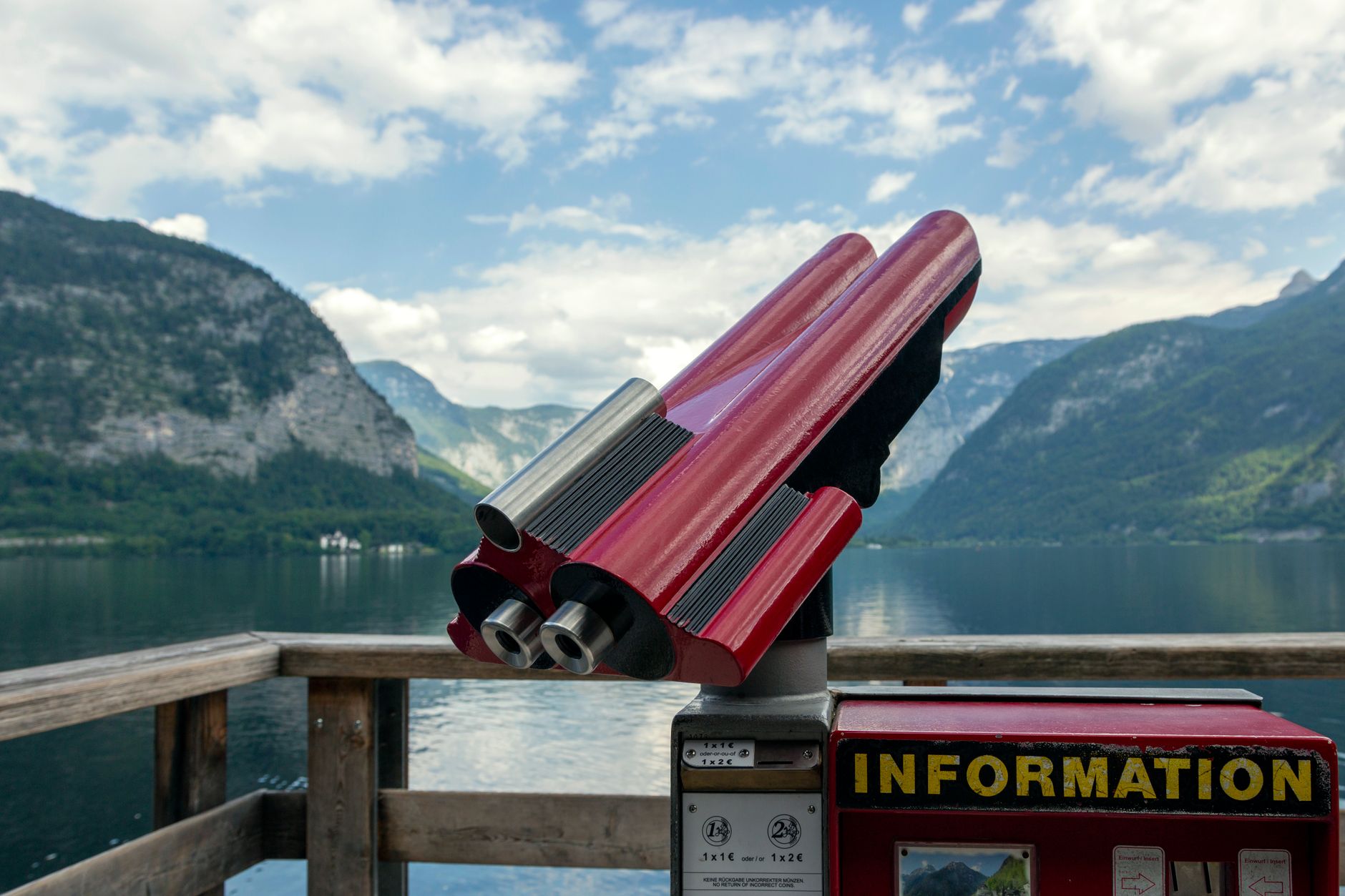
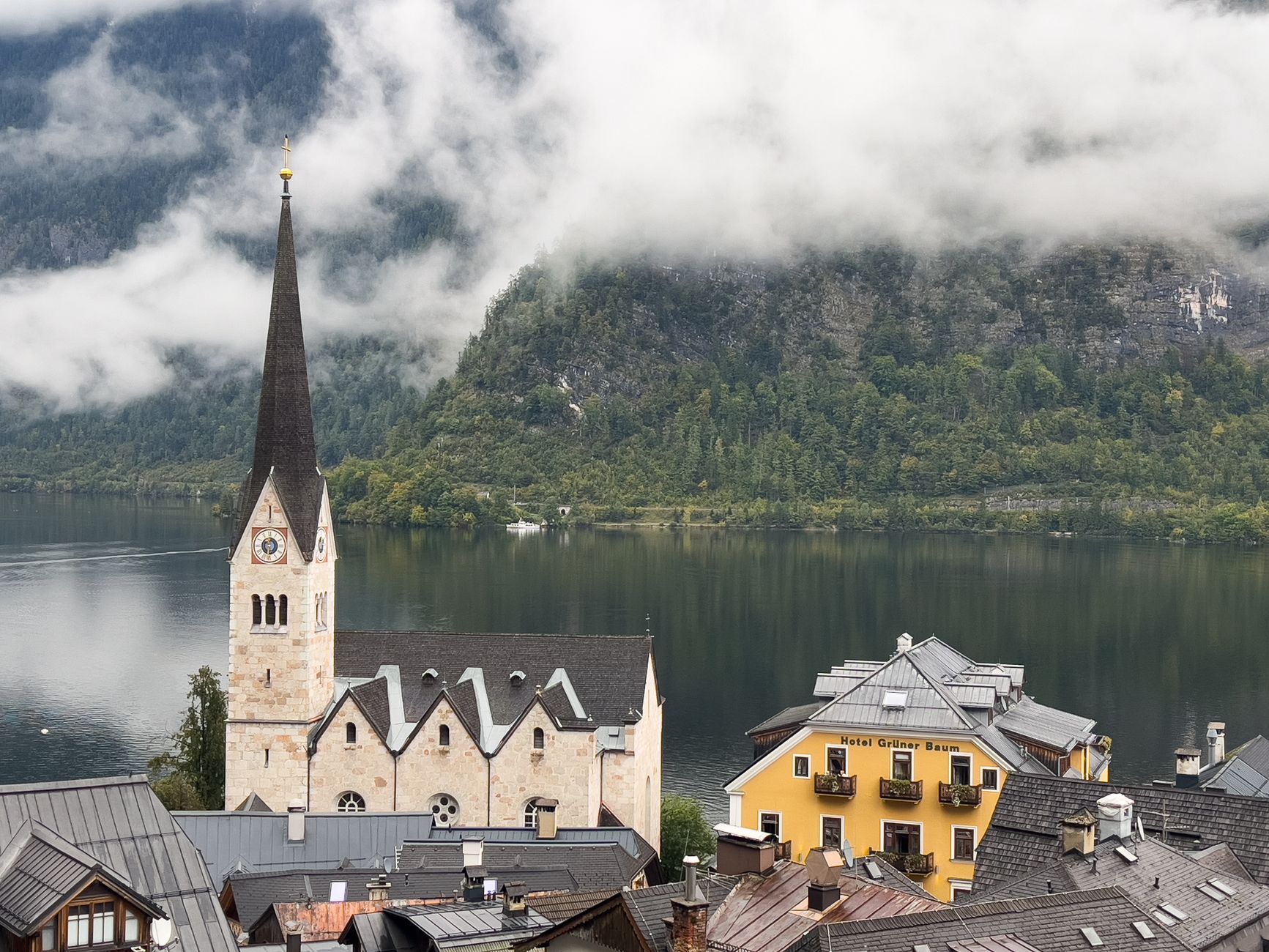
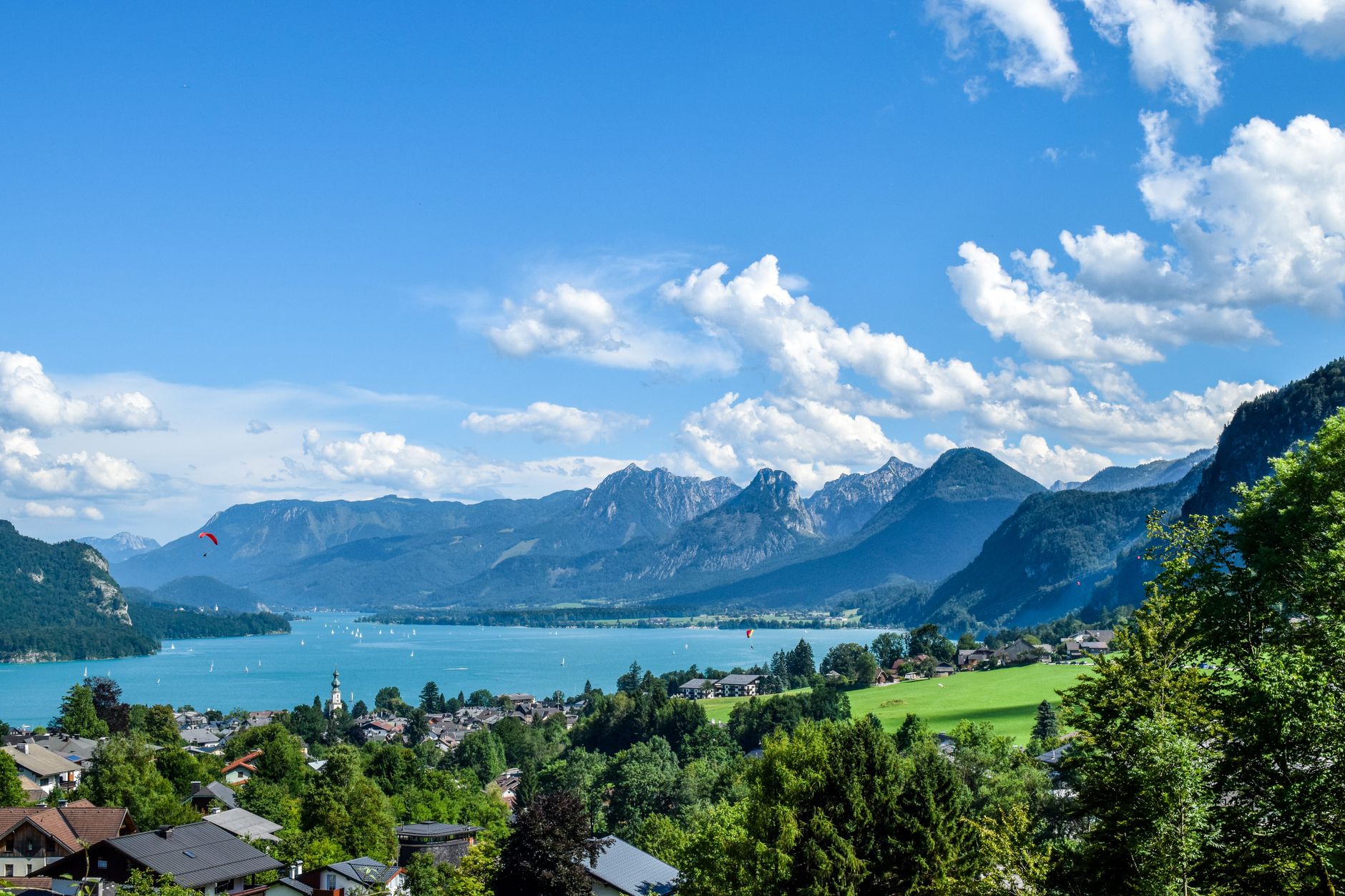
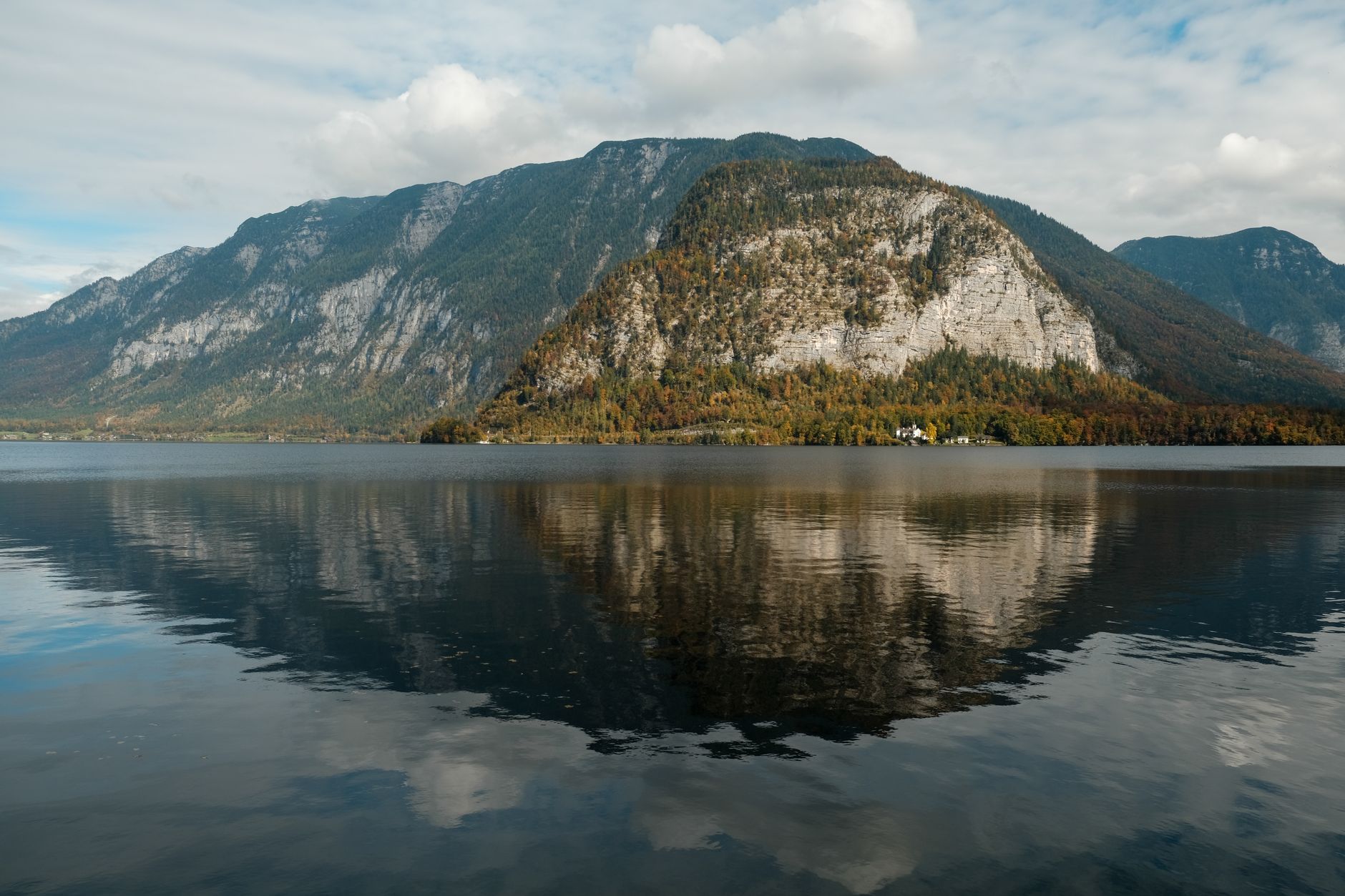
The Salzkammergut is lake country in the truest sense — seventy-odd lakes folded into the limestone ranges of central Austria, their surfaces shifting from slate-grey to turquoise depending on the light and the season. The region takes its name from salt: Kammergut means something close to 'chamber estate', the Habsburg term for the imperial salt monopoly that made these mountains worth governing. That industrial past is still legible in the landscape, from the brine pipelines that once ran between valleys to the mine shafts driven into hillsides three thousand years ago.
Today the Salzkammergut stretches across parts of Upper Austria, Salzburg and Styria, loosely held together by water and by the railway lines that thread the valleys. Bad Ischl sits at the centre — geographically and historically — but the region resists any single point of entry. You come back to it differently each time.
💛 What travellers fall for
People who know the region well tend to plan around the shuttle network rather than fighting for parking in Hallstatt. The SalzkammergutCard pays for itself quickly if you're spending more than two days. And the Dachstein ice caves near Obertraun draw far smaller crowds than the lakeside villages — worth the detour when the afternoon light has gone flat anyway.
How Salzkammergut came to be
Salt pulled people into these mountains long before the Habsburgs arrived. Mining around Hallstatt dates to the Middle Bronze Age, with systematic underground extraction underway by the late Bronze Age and flourishing again from the 8th century BC onward — the period archaeologists now call the Hallstatt Culture, a stratified Iron Age society whose trade links reached across Europe. Romans continued the work; medieval operators revived it in the 14th century, around the same time the Habsburgs absorbed the area as private imperial property.
By 1745, the salt operation was centralised under the Imperial Salzoberamt in Gmunden. Emperor Franz Joseph I reorganised it in 1850 into the k.k. Salinen- und Forstdirektion, the direct ancestor of Salinen Austria AG, privatised in 1997. Tourism arrived around 1800 and accelerated with the railways — Franz Joseph himself spent his summers at Bad Ischl, governing the empire from his villa there and, in July 1914, signing the declaration of war against Serbia from the same desk.
Who and what shaped it
People who shaped it
Landmark buildings
See Salzkammergut in motion
Plan your visit
On the map
When to go
Summers are warm and reliably green, though afternoon thunderstorms roll in fast off the mountains — a layer and an early start serve you well. Winter brings snow to the higher ground from November onward; the lakes themselves stay open year-round, and the ice caves near Obertraun are accessible in most seasons.
Right now
Background & history adapted from Wikipedia (CC BY-SA) · specs from Wikidata (CC0) · weather from Open-Meteo · map data © OpenStreetMap contributors · photos from Wikimedia Commons / Unsplash with per-image credit. No third-party reviews or social posts reproduced.