
Salzburg
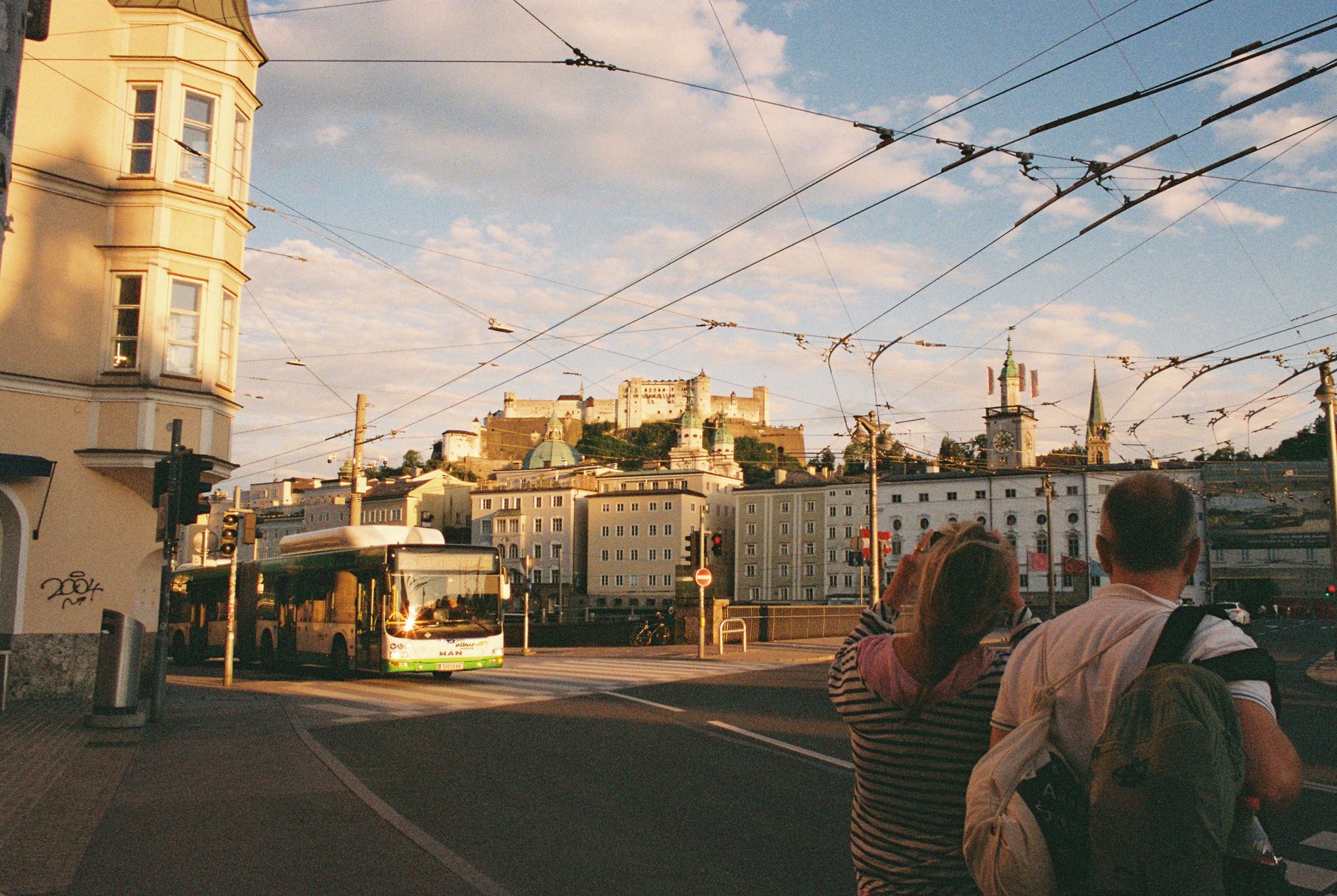
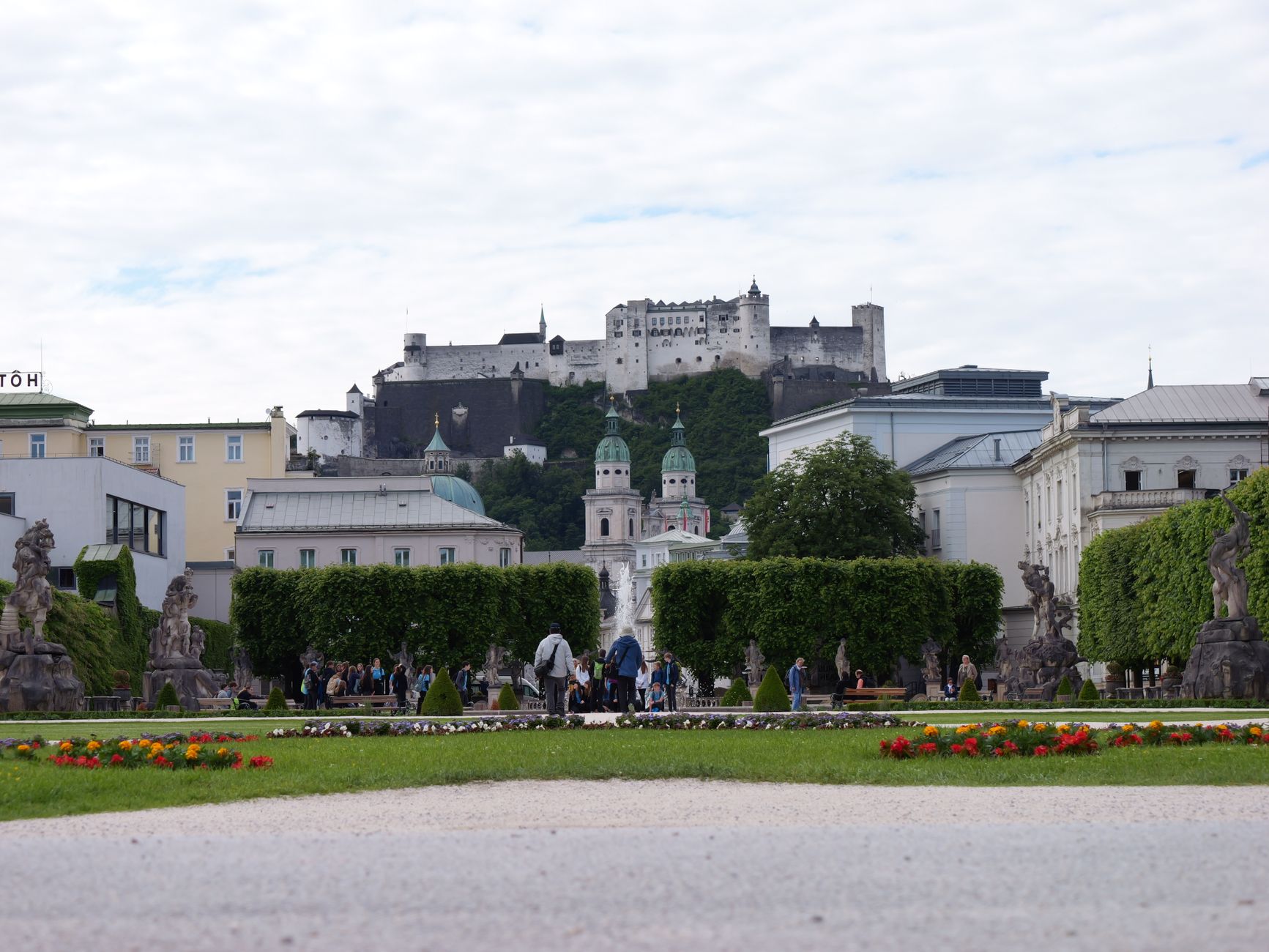
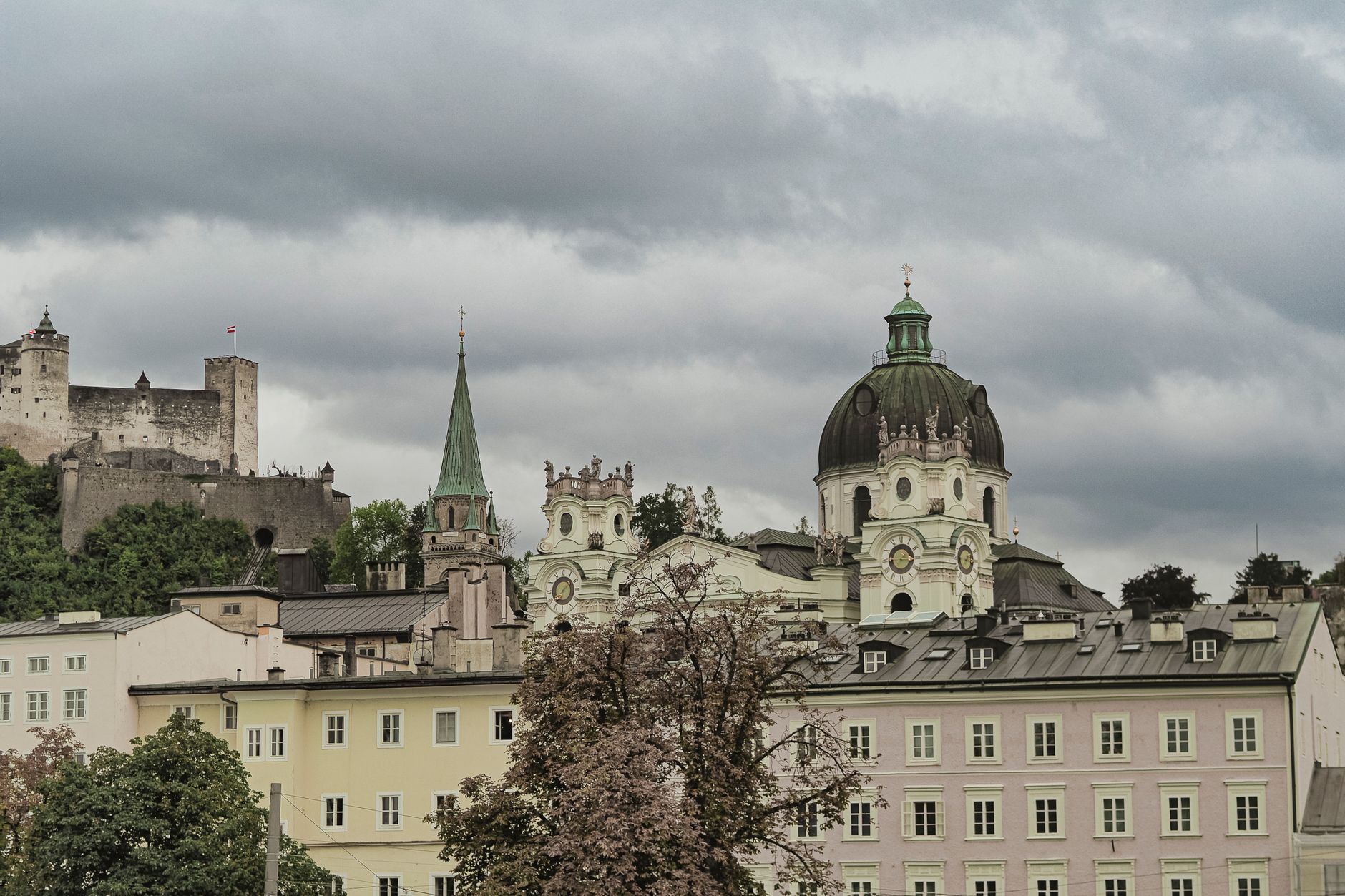
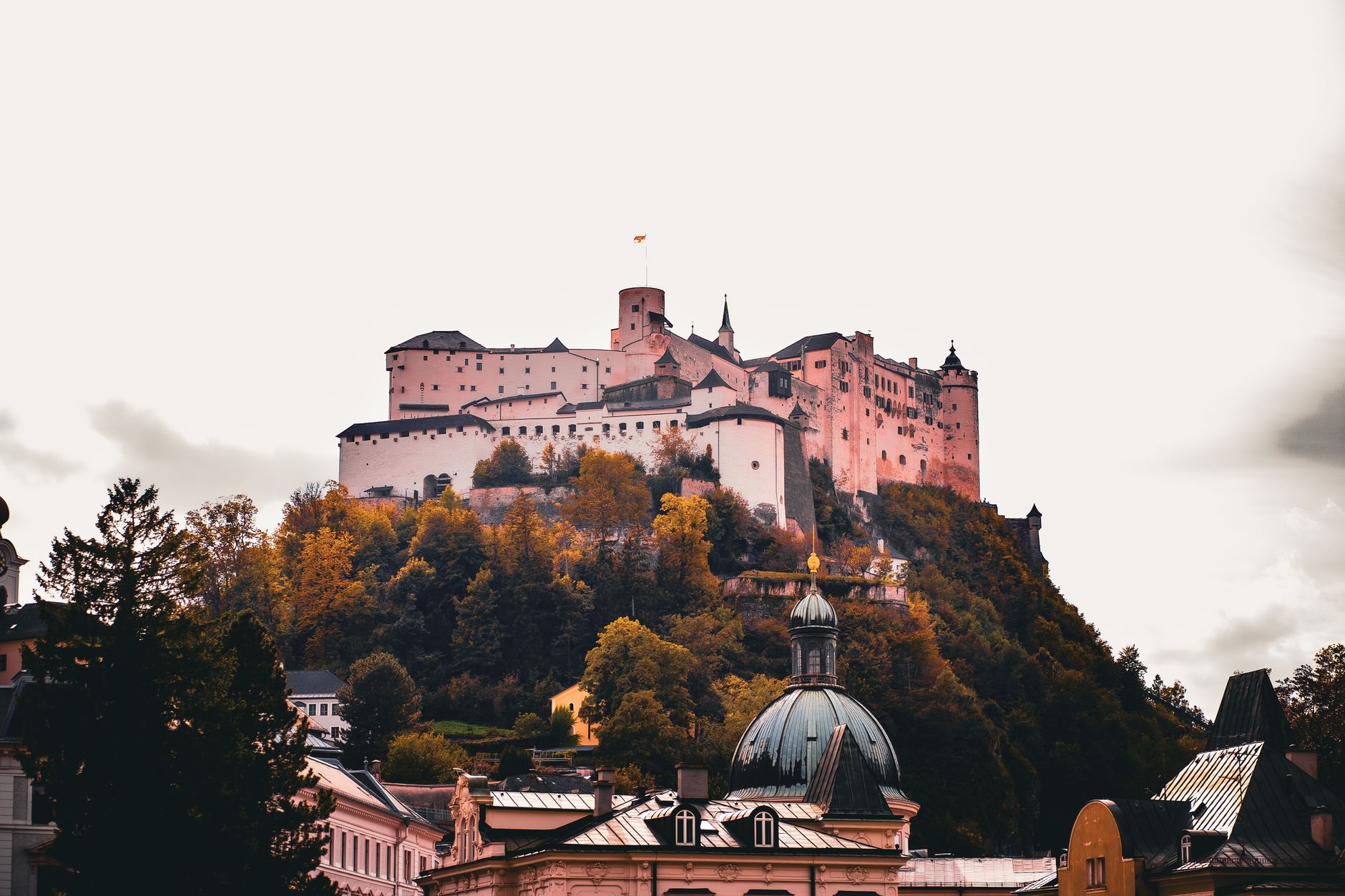
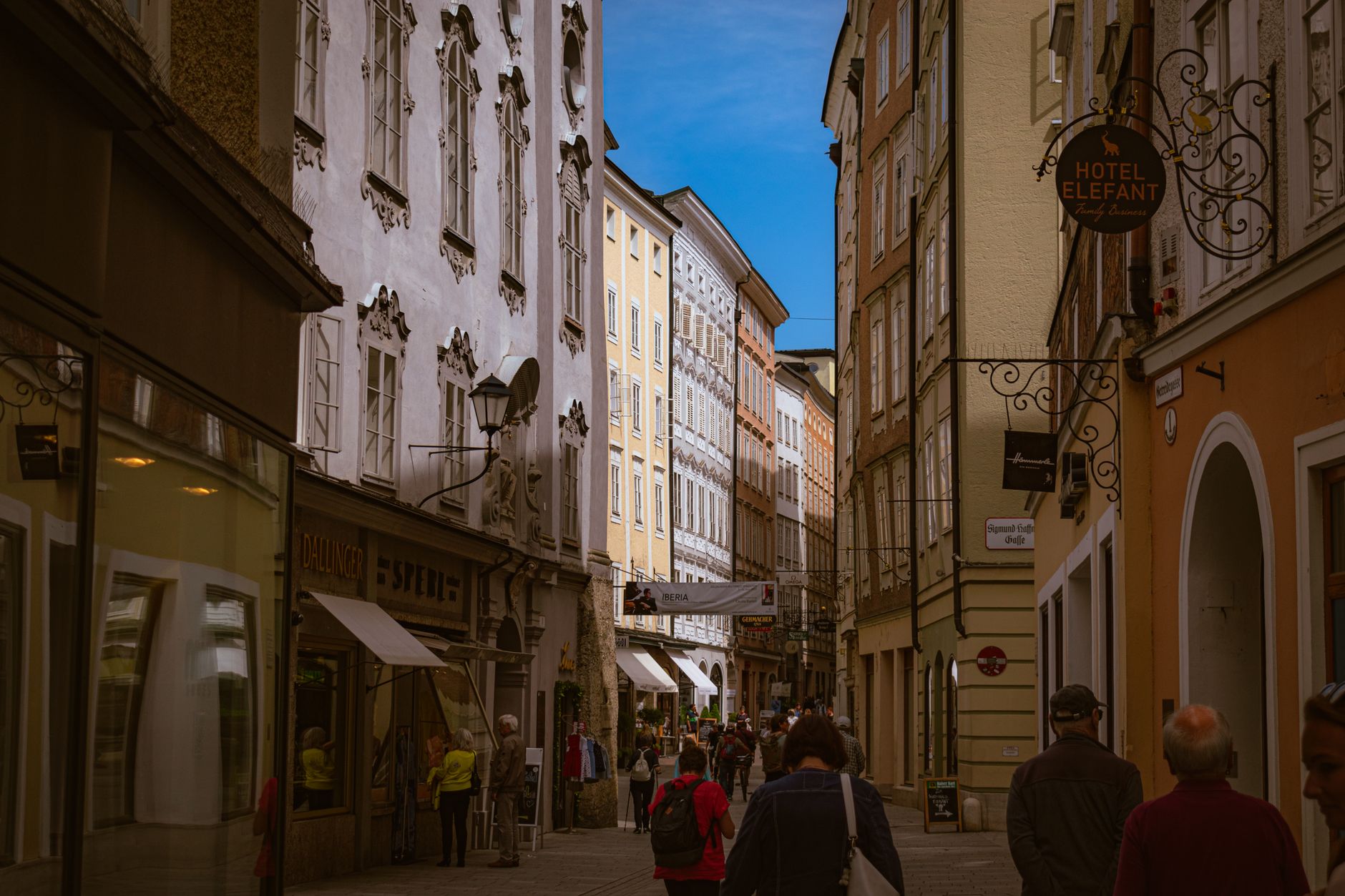
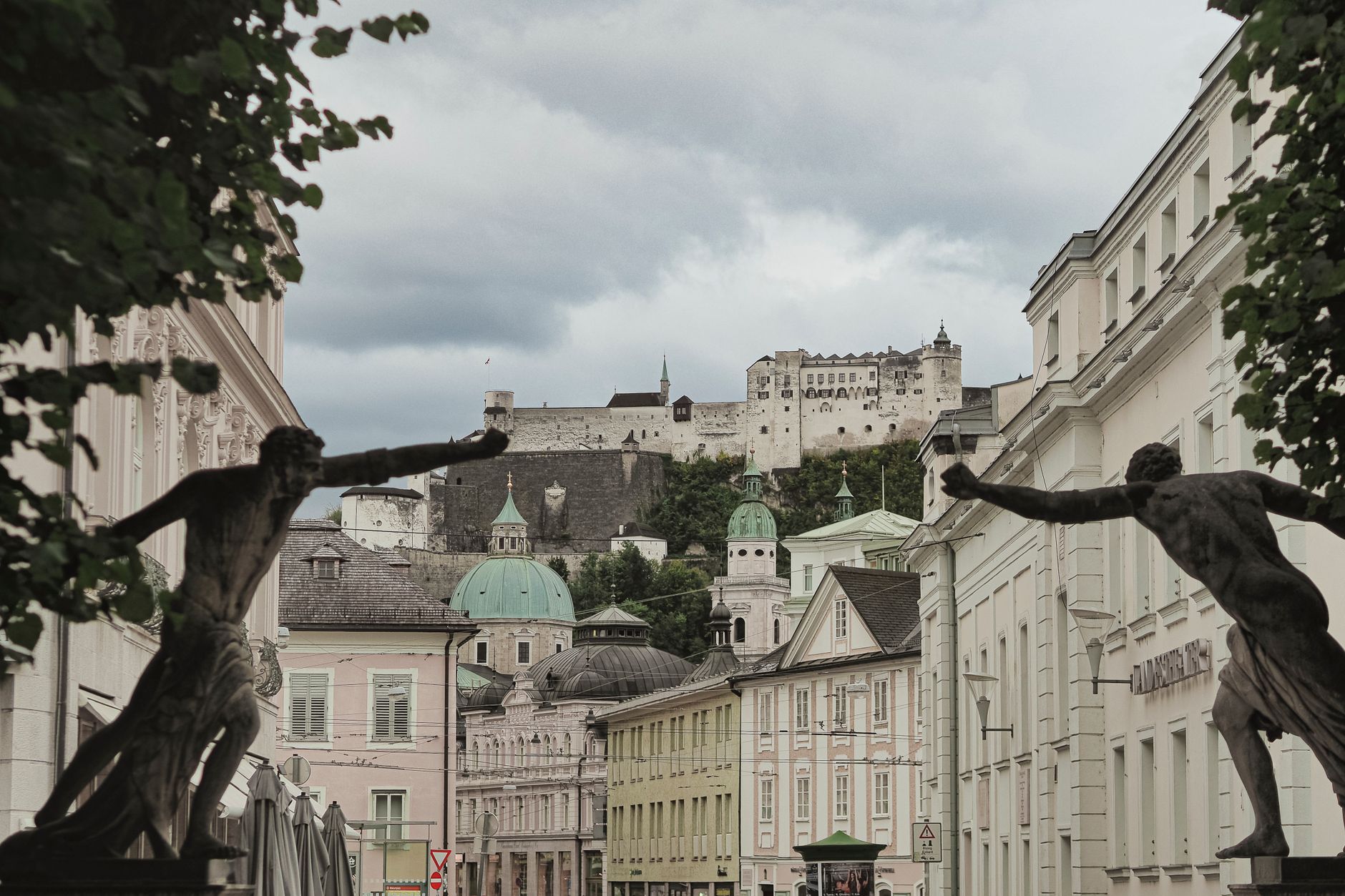
Salzburg earns its reputation on a specific kind of density: Baroque facades pressed against a medieval fortress on a cliff, a river splitting the city cleanly in two, and Mozart's name on what feels like every third doorway. It is compact enough to walk in a morning, layered enough to occupy a week.
The old town sits on the left bank of the Salzach, its lanes narrow and its churches numerous — St. Peter's Abbey has been here since around 700 AD, Nonnberg Nunnery almost as long. The fortress above it all, Hohensalzburg, dates to 1077 and was extended steadily for six centuries. This is a city built by prince-archbishops with serious ambitions and serious money.
💛 What travellers fall for
People who come back tend to walk the same loop: up through the Getreidegasse in the morning before the tour groups arrive, across the Staatsbrücke, then coffee somewhere on Steingasse. The combined Mozart ticket — birthplace on Getreidegasse 9 plus the Residence on Makartplatz — is worth the €23 if you care even a little about how a court musician actually lived.
How Salzburg came to be
The site was a Roman settlement called Iuvavum before St. Rupert established a Benedictine abbey here around 700 AD and the city grew into an episcopal seat. By 798 it had become an archbishopric, and for the next millennium Salzburg was effectively a church-state, governed by prince-archbishops who commissioned the Baroque skyline you see today — the cathedral, completed 1628 to designs by Santino Solari, replaced a much older structure and set the tone for everything that followed.
The Counter-Reformation left a harder mark. In 1731, Archbishop Leopold Anton von Firmian signed an edict expelling over 21,000 Protestant citizens. The city passed to Austria in the early 19th century, and the Salzburg Festival — founded 1920 — eventually reframed it as a place of culture rather than doctrine.
Who and what shaped it
People who shaped it
Landmark buildings
See Salzburg in motion
Plan your visit
On the map
When to go
Summers are warm and sometimes wet, with temperatures in the low-to-mid 20s Celsius; winters are cold and frequently snowy, which suits the fortress and the old town well enough. Spring and autumn offer mild days and thinner crowds.
Right now
Background & history adapted from Wikipedia (CC BY-SA) · specs from Wikidata (CC0) · weather from Open-Meteo · map data © OpenStreetMap contributors · photos from Wikimedia Commons / Unsplash with per-image credit. No third-party reviews or social posts reproduced.