
Salazie


The road into Salazie drops you into a world that feels geologically separate from the rest of Réunion. The cirque — a collapsed volcanic caldera on the island's north-eastern flank — rises in sheer green walls on all sides, and somewhere up those walls the Cascade Blanche falls 640 metres before anyone below can quite believe it.
This is a place where the chayote vine covers everything, where orchids grow wild over cemetery tombs, and where a peak at the centre of the caldera carries the name of the man who once hid in its shadow. Salazie rewards the unhurried: the villages are small, the hiking trails are serious, and the light after morning rain is something the camera almost never captures.
💛 What travellers fall for
People who come back tend to time it around the dry months — July through September — when the trails into Bélouve forest are actually walkable. They stay in Hell-Bourg, which makes sense once you've seen it. The cemetery there, opened in 1864, is worth a quiet half-hour that nobody ever regrets.
Deals in Salazie
Book directly at the provider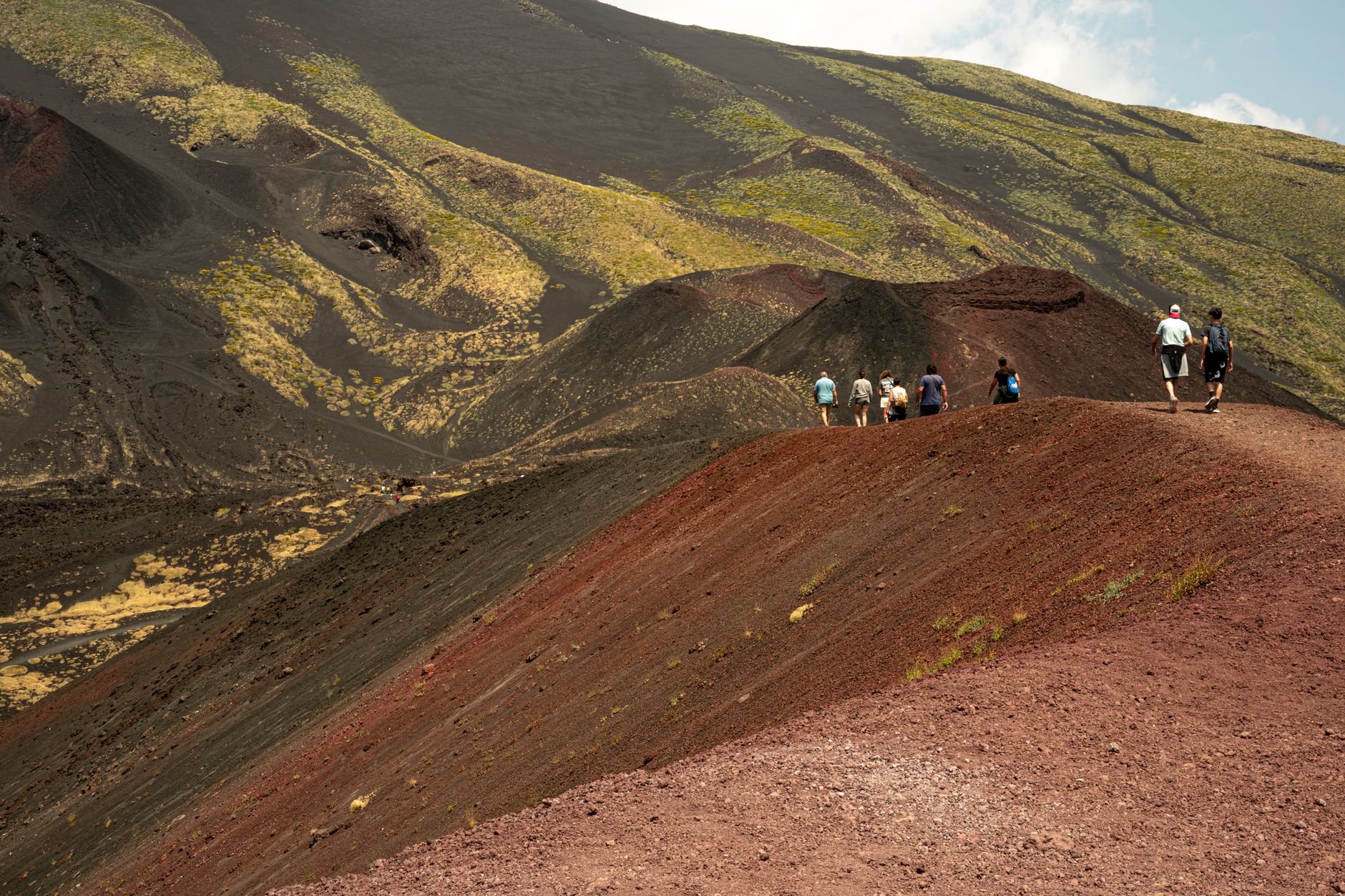

How Salazie came to be
The cirque's recorded human story begins with flight. From the 17th century, enslaved people escaping coastal plantations found refuge in its vertical walls — the French colonial pursuit of these maroons was, in effect, how Europeans first mapped the interior. The most celebrated of them, Anchaing, gave his name to the great peak that still stands at the cirque's centre.
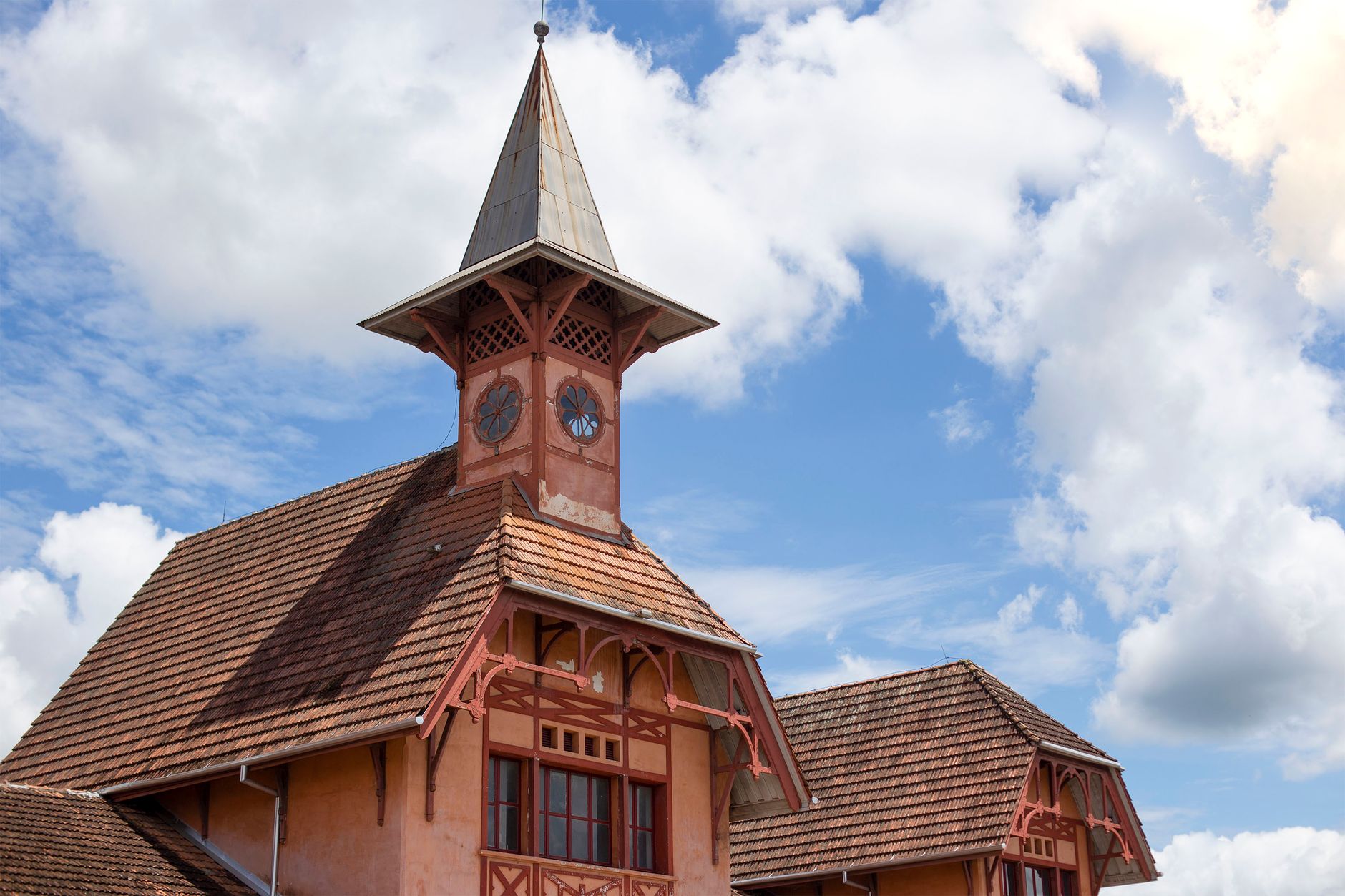
Formal settlement came later and suddenly: a cyclone devastated the nearby coast in 1829, pushing the first permanent arrivals inland. Thermal springs discovered at Bé-Mahot in 1832 drew a wealthier class and built the village of Hell-Bourg into a minor resort. The name Salazie was fixed by colonial decree on 11 November 1835. In 1840, a man named Sully Brunet arrived from Mexico with chayote cuttings; the vine never left.
Who and what shaped it
People who shaped it
Landmark buildings
See Salazie in motion
Plan your visit
On the map
When to go
Salazie is among the wettest places on the island, with February bringing the heaviest rainfall and temperatures around 19°C. July and August are cooler — down to 13°C at night — but significantly drier, making them the most reliable months for spending time on the trails.
Right now
Background & history adapted from Wikipedia (CC BY-SA) · specs from Wikidata (CC0) · weather from Open-Meteo · map data © OpenStreetMap contributors · photos from Wikimedia Commons / Unsplash with per-image credit. No third-party reviews or social posts reproduced.